
Escape respirators and escape hoods: mouthbits, CBRN hoods and PARAT
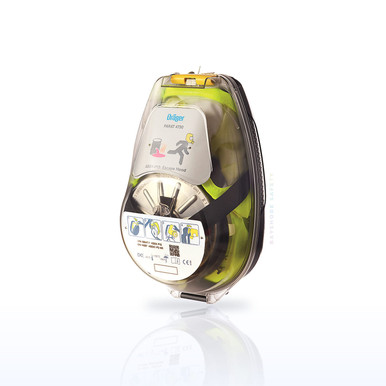
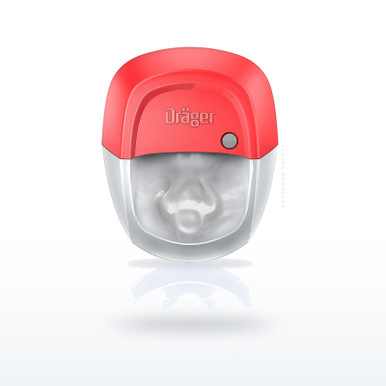
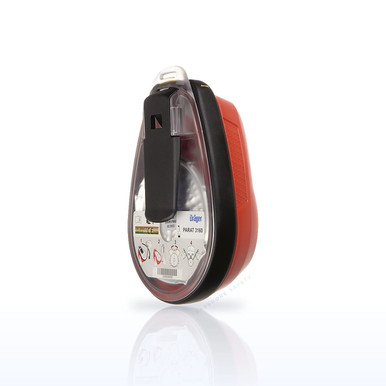
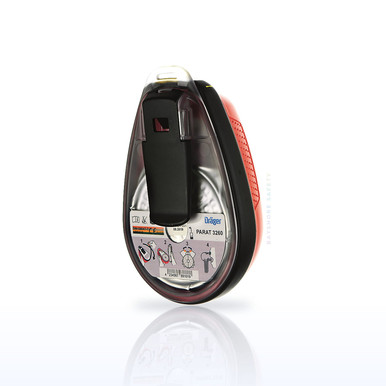
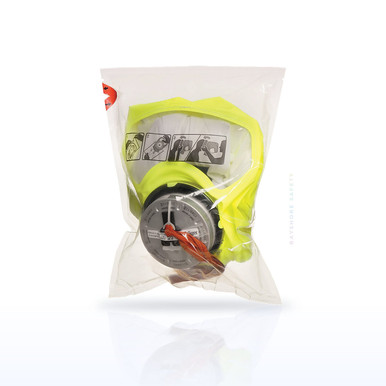
An escape respirator is for leaving a hazard, not working in it: 29 CFR 1910.134(d)(2)(ii) requires that respirators provided only for escape from IDLH atmospheres be NIOSH-certified for escape from the atmosphere in which they will be used, and (h)(3)(i)(C) requires escape-only respirators to be inspected before being carried into the workplace. North's 7902 (acid gas) and 7904 (ammonia and methylamine) mouthbits are NIOSH certified for escape from non-IDLH environments; the North ER2000CBRN hood is NIOSH CAP 2 CBRN certified for a minimum 30 minutes of escape; Dräger's PARAT hoods are rated for at least 15 minutes with industrial (ABEK P3), fire (CO P2) or combined filters.
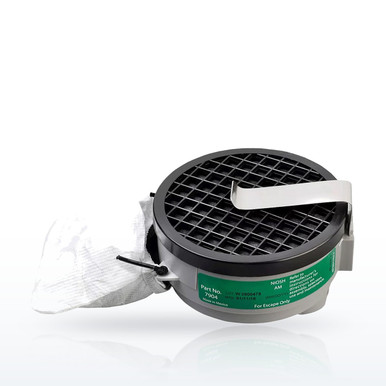 North 7900 Series Emergency Escape Mouthbit RespiratorNorth 7900 Series escape mouthbit: 7902 acid gas, 7904 ammonia and methylamine (data sheet)
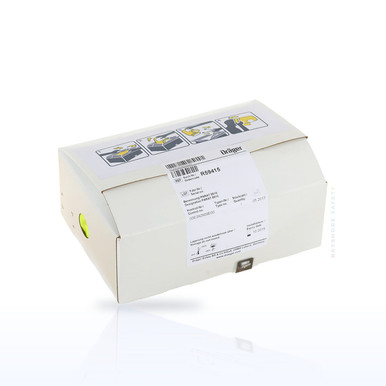
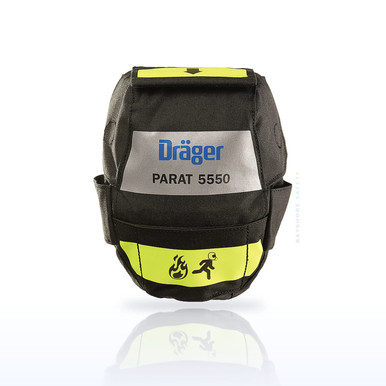
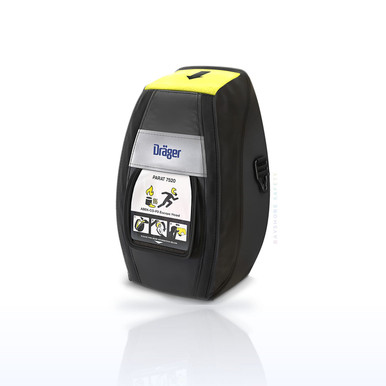
Why escape devices are a class of their own. They are certified for a fixed escape time against named contaminants, and nothing else: the 7900 data sheet calls the mouthbit "a quick and economical method to escape non-IDLH emergency situations" and a "visitors escape device"; Dräger describes the PARAT hoods as escape devices with a stated minimum protection time and a 16-year service life with the filter replaced after eight years (PARAT 4730 and 5500 product data). 1910.134(h)(2)(ii) requires emergency respirators to be kept accessible to the work area, stored in compartments or covers clearly marked as containing emergency respirators, and stored per the manufacturer, which is what the PARAT hard case, soft pack and holster and the North 79BAG are for.
The escape devices and their certifications
As the makers state them.
What the rule says about escape-only respirators
Four paragraphs apply:
- Certified for escape from the atmosphere in which they will be used (1910.134(d)(2)(ii)).
- Kept accessible to the work area, in marked compartments or covers, stored per the manufacturer (1910.134(h)(2)(ii)).
- Inspected before being carried into the workplace for use (1910.134(h)(3)(i)(C)).
- Not for working in the hazard or for firefighting; the formaldehyde standard separately names escape devices for that substance (1910.1048(g)(3)(i)).
Escape respirators and hoods
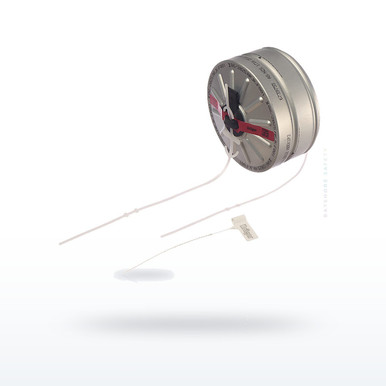
16 items · prices liveNorth mouthbits and CBRN hood, Dräger PARAT hoods and mouthpiece devices, with cases and carrying bags. Live prices; orders ship in 1–2 business days.
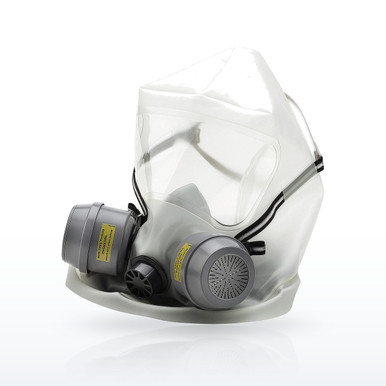
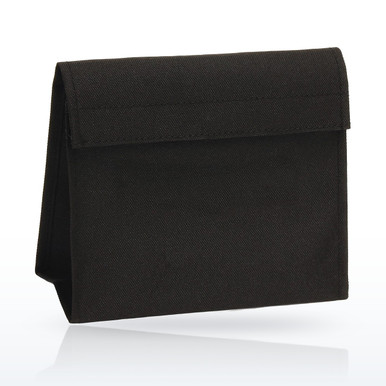
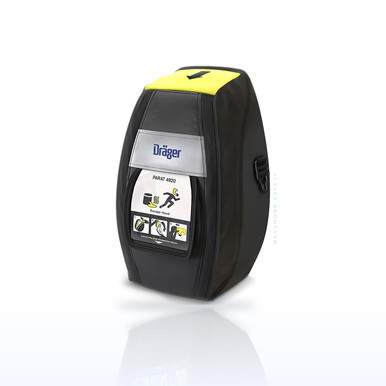


Every North and Dräger respirator, cartridge and filter we list is on the respirators hub, with a page per model and a page per hazard quoting the OSHA rule.
Questions people ask
How long does an escape hood protect?
Dräger PARAT hoods: at least 15 minutes (product data). North ER2000CBRN: minimum 30 minutes (NIOSH CAP 2). The North 7900 mouthbits are certified for escape from non-IDLH environments without a stated time on the data sheet.
Can an escape respirator be used to work in a hazard?
No; 1910.134(d)(2)(ii) certifies them for escape only, and the makers describe them as devices for leaving the area.
Where must escape respirators be kept?
Accessible to the work area, in compartments or covers clearly marked as emergency respirators, stored per the manufacturer (1910.134(h)(2)(ii)).
Do escape respirators expire?
North: no expiration for the 7900 Series under proper storage (000008180). Dräger: 16-year service life, filter replaced after 8 years (PARAT product data).
Standards and ratings on this page are as published in the documents named and by the manufacturers named. The employer’s hazard assessment and written respiratory protection program decide what applies at a given workplace. Verify a rating on the product and its approval label before use.