
Grade D breathing air: what 1910.134(i) requires for supplied-air respirators
Any air fed to a supplied-air respirator or SCBA must be at least Grade D as defined in the Compressed Gas Association’s Commodity Specification for Air, G-7.1. OSHA writes the numbers into the standard: oxygen between 19.5 and 23.5 percent, condensed hydrocarbon (oil) no more than 5 milligrams per cubic meter, carbon monoxide no more than 10 ppm, carbon dioxide no more than 1,000 ppm, and no noticeable odor. The rest of paragraph (i) is about keeping it that way: compressors placed and filtered so contaminated air cannot get in, a carbon monoxide alarm on oil-lubricated compressors, cylinders tested under DOT rules with a certificate of analysis, moisture limits, and couplings that cannot be connected to a shop air or other gas line.
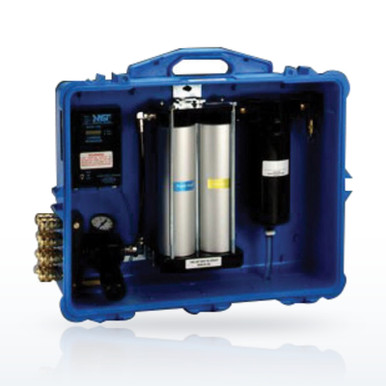
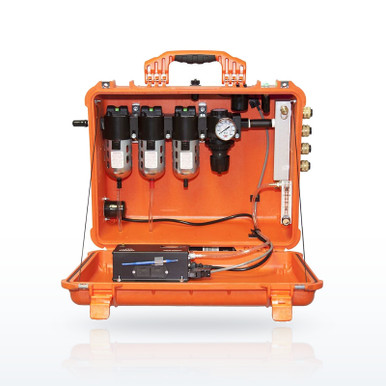 Air Systems International BB50-CO breathing air filtration with CO monitorFiltration and carbon monoxide monitoring for a compressor-fed airline, as published for Grade D service
Why does OSHA specify the air itself? A supplied-air respirator has the highest protection factors in the standard because the wearer breathes nothing from the room. That only holds if what comes down the hose is clean. A compressor pulls in whatever is around its intake, an oil-lubricated compressor that overheats makes carbon monoxide, and a cylinder filled from the wrong source can be short on oxygen. The wearer cannot smell or see any of that through a facepiece. Paragraph (i) sets the air quality and then puts controls on each place it can go wrong.
What is Grade D breathing air?
The 5 limits OSHA lists from CGA G-7.1. Air must meet all of them.
What does 1910.134(i) require of a compressor?
- Constructed and situated to prevent entry of contaminated air into the air-supply system: the intake goes where exhaust, process vapors and dust cannot reach it.
- Moisture kept low enough that the dew point at 1 atmosphere is at least 10 °F (5.56 °C) below the ambient temperature, so water does not condense in the line.
- In-line air-purifying sorbent beds and filters, maintained and replaced or refurbished on the manufacturer’s schedule.
- A tag at the compressor with the most recent filter change date and the signature of the person the employer authorized to do it.
- Oil-lubricated compressors: a high-temperature alarm, a carbon monoxide alarm, or both. If only a high-temperature alarm is used, the air must be monitored often enough to keep CO at or below 10 ppm.
- Compressors that are not oil-lubricated: carbon monoxide in the breathing air must still not exceed 10 ppm.
What does it require of cylinders and purchased air?
Cylinders used to supply breathing air must be tested and maintained under the Department of Transportation’s shipping container rules in 49 CFR part 180. Purchased breathing air must come with a certificate of analysis from the supplier showing it meets Grade D. Moisture in the cylinder may not exceed a dew point of minus 50 °F (minus 45.6 °C) at 1 atmosphere. For SCBA, only the respirator manufacturer’s NIOSH-approved breathing-gas containers may be used, marked and maintained under the NIOSH approval.
1910.134(i)(4)(i) through (iii); 1910.134(i)(9).Oxygen is handled separately. Compressed or liquid oxygen must meet the United States Pharmacopoeia requirement for medical or breathing oxygen, compressed oxygen may never be used in a respirator that has previously used compressed air, and oxygen above 23.5 percent may only be used in equipment designed for oxygen service. The reason is fire: oil residue from compressed air in an oxygen system can ignite.
1910.134(i)(1)(i); 1910.134(i)(2); 1910.134(i)(3).Why do the couplings matter?
Breathing-air couplings must be incompatible with outlets for non-respirable worksite air or any other gas system, and no asphyxiating substance may be introduced into a breathing-air line. The point is that a hose cannot be plugged into shop air, nitrogen or argon by mistake. In practice this means a dedicated coupling style for breathing air (manufacturers offer Hansen, Schrader, Foster and Snap-Tite patterns) that differs from what the shop uses for tools, and hoses and fittings supplied by the respirator manufacturer, since the NIOSH approval of a supplied-air respirator covers the hose, length and pressure range as a system.
1910.134(i)(8); 1910.134(d)(1)(ii) (use within the conditions of the NIOSH certification); manufacturer approval labels for the systems listed below.How is Grade D verified?
The standard does not set a test interval for compressor air; it sets the limits and the controls. Employers verify in 2 ways: a continuous carbon monoxide monitor on the line, which covers the contaminant the compressor itself can create, and a periodic air quality test with a detector-tube kit or a laboratory sample that checks oxygen, CO, CO2, oil and water against the Grade D figures. The written respiratory protection program should say how often the test is done and where the results are kept. Purchased cylinders are verified by the supplier’s certificate of analysis.
1910.134(i)(1)(ii), (i)(4)(ii), (i)(6) and (i)(7); 1910.134(c)(1) written program.Breathing-air CO monitors, airline filters, test kits and hose
22 items · prices liveEach item is as published by its manufacturer for breathing-air service; the compressor, filter and respirator together must be used within the respirator’s NIOSH approval. Contractor Direct orders ship free (freight items excepted).
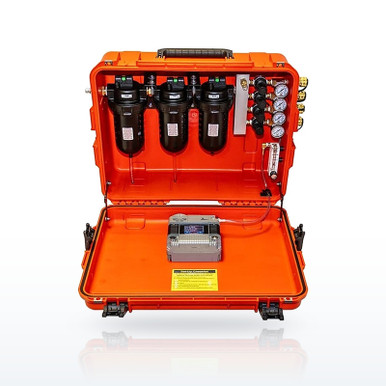
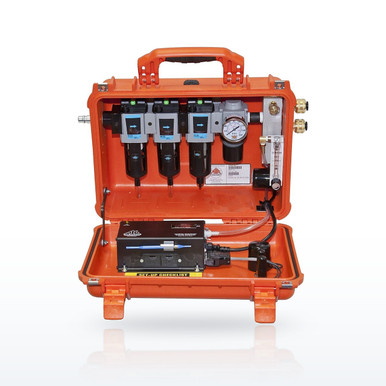
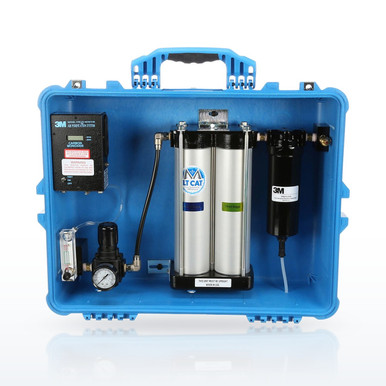

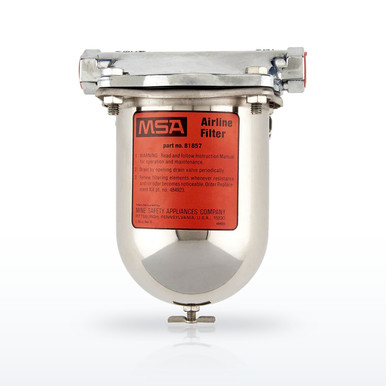
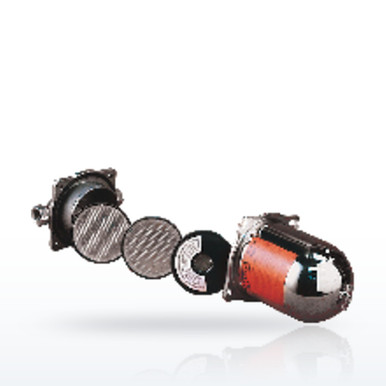
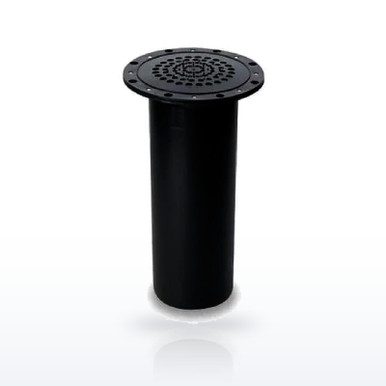

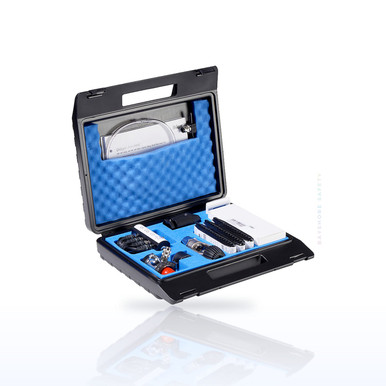
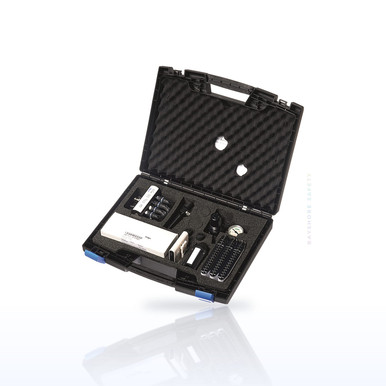
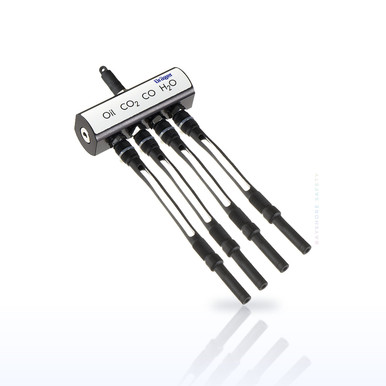
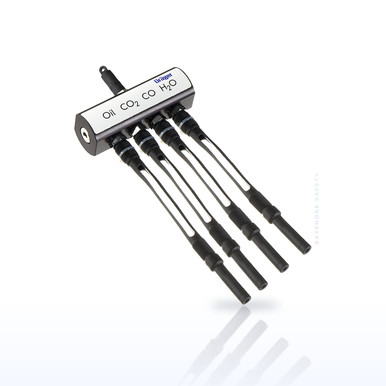
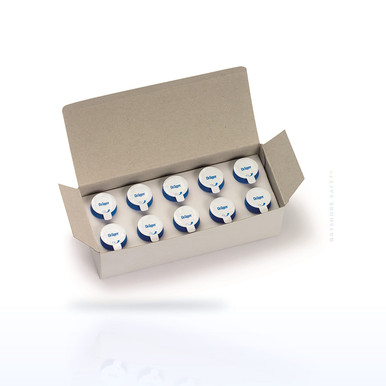
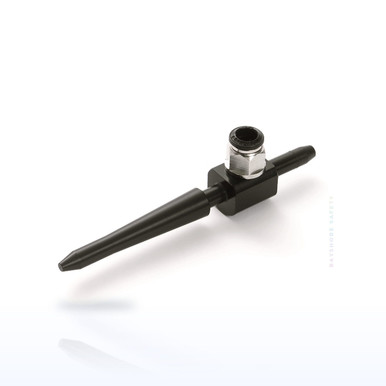
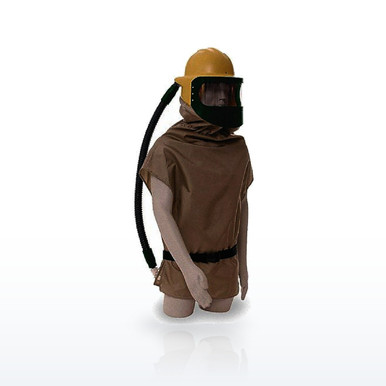
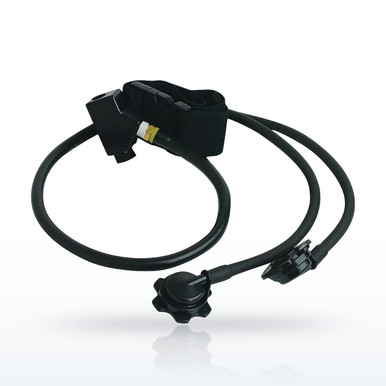
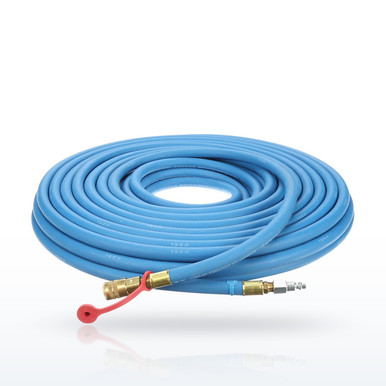
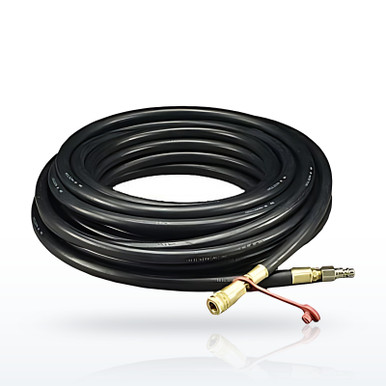
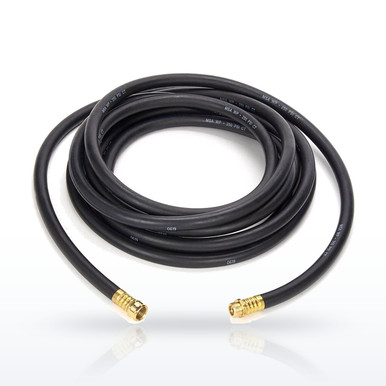
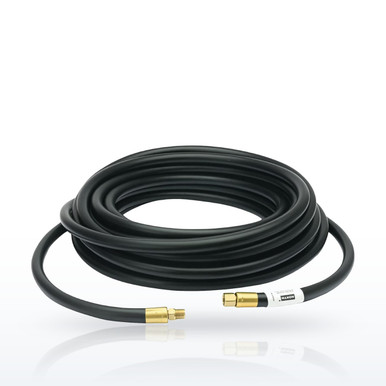
Supplied-air respirators, couplers in Hansen, Schrader, Foster and Snap-Tite patterns, and vortex cooling tubes are in the respirator finder under PAPR and supplied air.
Questions people ask
What is Grade D breathing air?
Air that meets the CGA G-7.1 Grade D specification: oxygen 19.5 to 23.5 percent, condensed hydrocarbons 5 mg/m³ or less, carbon monoxide 10 ppm or less, carbon dioxide 1,000 ppm or less, and no noticeable odor. 1910.134(i)(1)(ii).
Does OSHA require a CO monitor on a breathing-air compressor?
For an oil-lubricated compressor, a high-temperature alarm or a carbon monoxide alarm or both; with only a high-temperature alarm, the air must be monitored often enough to keep CO at or below 10 ppm. 1910.134(i)(7).
Can I run a supplied-air respirator off shop air?
Only if that air meets Grade D at the respirator and the compressor meets every rule in 1910.134(i)(5): clean intake, moisture control, sorbent beds and filters, a change tag, and CO control. Most shop compressors do not, which is why a dedicated breathing-air filter and CO monitor are placed in the line. The coupling must also be incompatible with the shop-air outlets. 1910.134(i)(8).
How often must breathing air be tested?
The standard sets the limits and the controls but no fixed interval for compressor air. The written program sets the schedule; purchased cylinders must carry a certificate of analysis. 1910.134(i)(4)(ii) and (c)(1).
What is the dew point requirement?
Compressor air: at least 10 °F below the ambient temperature at 1 atmosphere. Cylinder air: no higher than minus 50 °F. 1910.134(i)(5)(ii) and (i)(4)(iii).
Can SCBA cylinders be filled with any Grade D air?
The air must meet Grade D, and only the respirator manufacturer’s NIOSH-approved breathing-gas containers may be used, maintained under the NIOSH approval. 1910.134(i)(9).
Why can’t compressed oxygen be used in a respirator that has used compressed air?
Oil residue from compressed air can ignite in an oxygen-rich system. 1910.134(i)(2) prohibits it, and (i)(3) limits oxygen above 23.5 percent to equipment designed for oxygen service.
Standards and ratings on this page are as published in the documents named and by the manufacturers named. The employer’s hazard assessment and written program decide what applies at a given workplace. Verify a rating on the product and its spec sheet before use.