
How to clean and store a reusable respirator (OSHA Appendix B-2)
OSHA’s procedure is simple: take the filters and cartridges off, pull the valves and diaphragm, wash the parts in warm water (no hotter than 110 F) with mild detergent, rinse, soak two minutes in a disinfectant such as a weak bleach solution if the cleaner did not disinfect, rinse again thoroughly, air dry or hand dry with a lint-free cloth, reassemble and test. A respirator issued to one person is cleaned as often as needed to stay sanitary; a shared one is cleaned before a different person wears it; emergency, fit-test and training units after every use. It is then stored where it is protected from dust, sunlight, heat, moisture and chemicals and cannot be crushed out of shape.
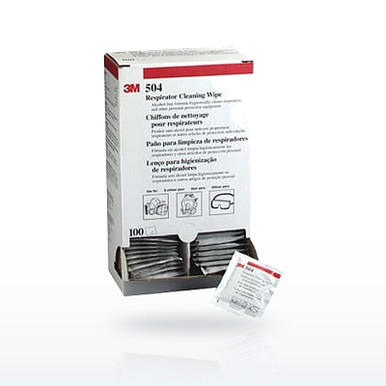 3M respirator cleaning wipesManufacturer cleaning wipes for 3M facepieces, packaged individually
Why does OSHA regulate how a respirator is cleaned? A dirty facepiece does two kinds of harm. Sweat, skin oil and dust on the sealing surface break the seal and irritate the skin, so the wearer loosens the straps or takes it off. Bacteria and whatever contaminant the mask was used in sit against the face all shift, and when a mask is shared, go from one worker to the next. The standard also protects the respirator from the cleaning: water that is too hot, solvents, or detergent left to dry ruin the rubber and the valves and give the next wearer dermatitis. Appendix B-2 is written to clean and disinfect without doing either.
How often must a respirator be cleaned?
The intervals in 1910.134(h)(1). The employer provides each user a respirator that is clean, sanitary and in good working order.
What is the Appendix B-2 cleaning procedure?
- Take it apart. Remove filters, cartridges or canisters. Remove the speaking diaphragm, the demand or pressure-demand valve assemblies, hoses, and any other parts the manufacturer says to remove. Discard or repair any part that is defective.
- Wash. Wash the components in warm water, no hotter than 43 C (110 F), with a mild detergent or a cleaner the manufacturer names. A stiff-bristle brush, not a wire brush, may be used to loosen dirt.
- Rinse. Rinse thoroughly in clean, warm water, no hotter than 110 F, preferably running. Drain.
- Disinfect, if the cleaner did not. Immerse the parts for two minutes in one of: a hypochlorite solution of 50 ppm chlorine, made with about 1 milliliter of laundry bleach per liter of 110 F water; an iodine solution of 50 ppm, made with about 0.8 milliliter of tincture of iodine per liter; or another commercial disinfecting cleaner of equivalent quality used as directed, if the respirator manufacturer approves it.
- Rinse again, thoroughly. Clean warm running water, no hotter than 110 F. Drain. OSHA says the importance of this rinse cannot be overemphasized: detergent or disinfectant that dries on the facepiece can cause dermatitis, and some disinfectants deteriorate rubber or corrode metal if not fully removed.
- Dry. Hand-dry with a clean lint-free cloth, or air-dry.
- Reassemble and test. Put the facepiece back together, replace filters, cartridges and canisters where needed, and test that every component works.
What about disposable respirators and cartridges?
A filtering facepiece is not washed; water and cleaners destroy the filter media. It is replaced when it is dirty, damaged, hard to breathe through, or when the manufacturer or the program says. Cartridges and filters come off before cleaning and are never washed either; they are replaced on the program’s change schedule. Manufacturer wipes made for the facepiece are an accepted way to clean the sealing surface between full cleanings, provided the program treats them as the manufacturer-equivalent method and the full Appendix B-2 or equivalent cleaning still happens on schedule.
Appendix B-2, Part I.A (remove filters, cartridges and canisters first); 1910.134(h)(1) manufacturer procedures of equivalent effectiveness; (d)(3)(iii)(B)(2) change schedule; (g)(2)(ii)(C) replacing elements.How must a respirator be stored?
- Protected from damage, contamination, dust, sunlight, extreme temperatures, excessive moisture and damaging chemicals.
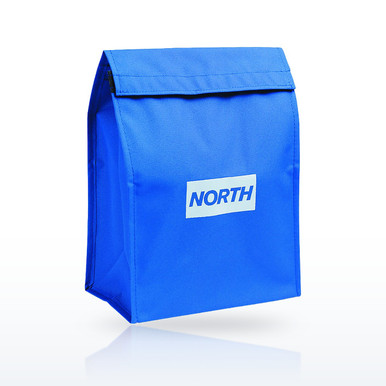
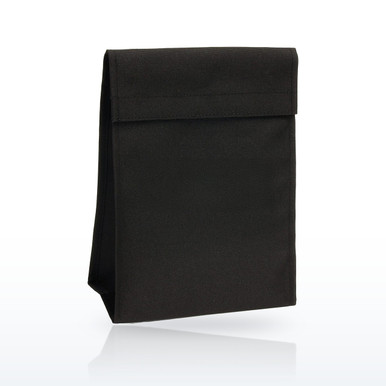
- Packed or stored so the facepiece and exhalation valve are not deformed: a sealed bag or a rigid container, not hanging from a hook by one strap or thrown in a toolbox.
- Emergency respirators, in addition: kept accessible to the work area, in compartments or covers clearly marked as containing emergency respirators, and stored per the manufacturer’s instructions.
- Clean before storing. A respirator put away dirty contaminates its own bag and is not sanitary when it comes out.
When is a respirator inspected, and what is checked?
Routine-use respirators are inspected before each use and during cleaning. Emergency-use respirators are inspected at least monthly and checked for proper function before and after each use; escape-only units are inspected before being carried into the workplace. The inspection covers function, tightness of connections, and the condition of the facepiece, head straps, valves, connecting tube and cartridges, canisters or filters, plus the pliability of rubber parts and signs of deterioration. SCBAs are inspected monthly, with cylinders kept fully charged and recharged below 90 percent of the rated pressure. Emergency units get a dated, signed certification kept on a tag or in a file.
1910.134(h)(3)(i)(A) through (C); (h)(3)(ii)(A) and (B); (h)(3)(iii); (h)(3)(iv).A respirator that fails inspection is removed from service and discarded or repaired. Repairs are made only by trained people using the manufacturer’s NIOSH-approved parts for that respirator, per the manufacturer’s instructions. Valves, regulators and alarms on supplied-air and SCBA units are adjusted or repaired only by the manufacturer or a technician the manufacturer trained.
1910.134(h)(4)(i) through (iii).Cleaning wipes, storage bags and reusable facepieces
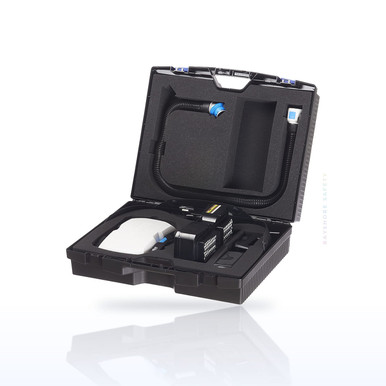
21 items · prices liveWipes and bags are listed as labeled by the manufacturer; check the respirator manufacturer’s instructions for the cleaners it approves. Facepiece type is as published by the manufacturer. Contractor Direct orders ship free.
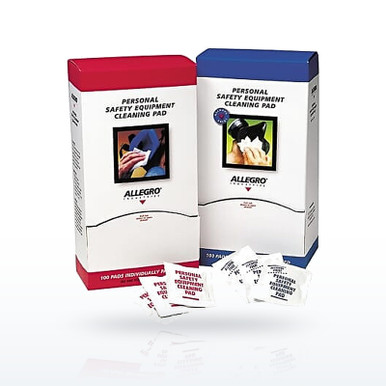
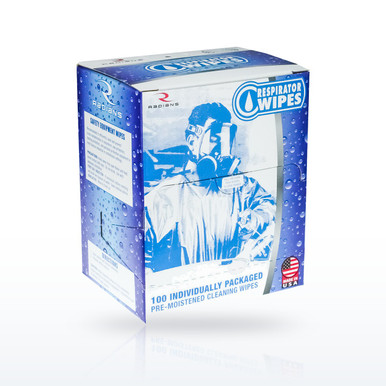
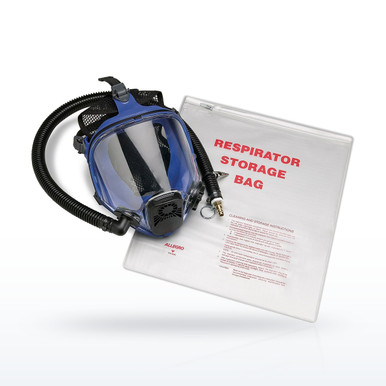
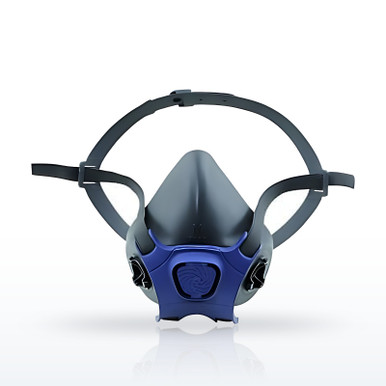


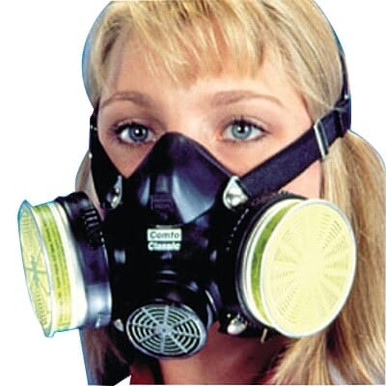
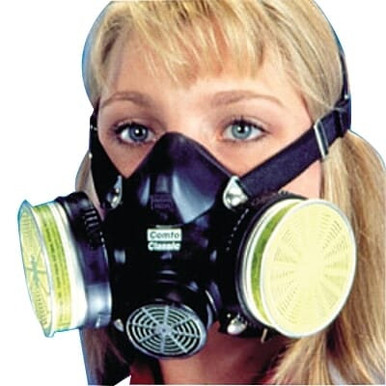
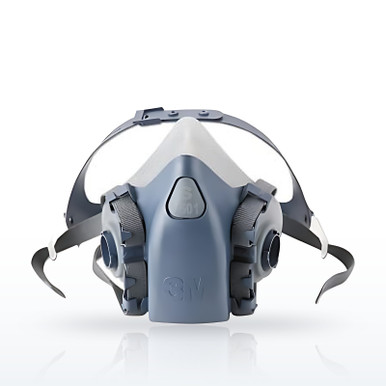

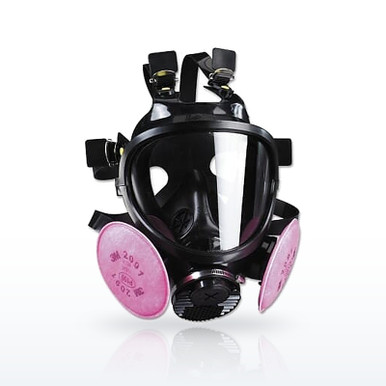
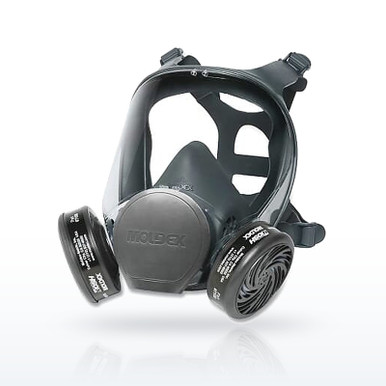


Replacement valves, straps and gaskets for each facepiece are on its product page.
Questions people ask
How often should a reusable respirator be cleaned?
One issued to a single employee: as often as necessary to keep it sanitary. A shared one: before a different person wears it. Emergency, fit-test and training respirators: after each use. (1910.134(h)(1).)
How hot can the water be?
No hotter than 43 C (110 F), for washing and for both rinses. (Appendix B-2.)
Can I use bleach to disinfect a respirator?
Yes, in the Appendix B-2 strength: about 1 milliliter of laundry bleach per liter of 110 F water, giving 50 ppm chlorine, for a two-minute soak, followed by a thorough rinse.
Can I wash respirator cartridges or filters?
No. They are removed before cleaning and replaced on the change schedule. Water ruins particulate filters and sorbent cartridges.
Can I wash an N95?
No. A filtering facepiece is replaced, not cleaned; washing destroys the filter media.
Are respirator wipes OSHA compliant?
The standard accepts the manufacturer’s cleaning procedure if the employer can show it is as effective as Appendix B-2 at cleaning and disinfecting without damage. Manufacturer wipes for the facepiece fit within that; the program says when a full cleaning is still done.
How should a respirator be stored?
Clean, in a sealed bag or container, away from dust, sunlight, heat, moisture and chemicals, and so the facepiece and exhalation valve cannot be bent out of shape. (1910.134(h)(2)(i).)
Who can repair a respirator?
Only trained people, using the manufacturer’s NIOSH-approved parts for that model. Regulators, valves and alarms go back to the manufacturer or a manufacturer-trained technician. (1910.134(h)(4).)
Standards and ratings on this page are as published in the documents named and by the manufacturers named. The employer’s hazard assessment and written program decide what applies at a given workplace. Verify a rating on the product and its spec sheet before use.