
Eye protection for grinding and cutting: what OSHA requires and what to wear
Grinding and abrasive cutting are flying-particle work, the first hazard OSHA lists, so eye protection with side protection is required every time. OSHA’s selection chart answers grinding, chipping, machining and sawing with spectacles with side protection, goggles or a face shield, and adds that severe exposure calls for a face shield worn over the glasses or goggles. An angle grinder or cut-off saw throwing sparks and wheel grit at the face is that severe exposure. Torch cutting adds a second hazard, the light, and needs a shade 3 to 5 filter depending on the plate thickness. The practical kit: Z87+ safety glasses always, a Z87+ face shield over them for grinding and abrasive cutting, and shaded goggles or a shaded shield for the torch.
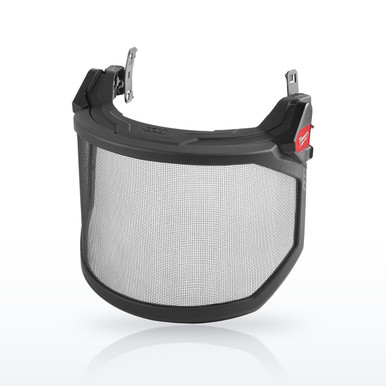
Why is grinding the job that puts people in the eyewash? A grinding wheel sheds its own grit as it cuts, and the metal comes off as hot sparks and chips. All of it leaves the wheel at wheel speed, in the direction the wheel is turning, which on a hand grinder is often toward the operator’s face. A chip that lands on the cheek is nothing. The same chip in the eye is a corneal foreign body or worse, and the hot ones embed. Side protection exists for this work; the face shield exists for the bigger pieces and for the sparks that bounce up off the chest. OSHA’s chart treats grinding as the standard example of an impact hazard.
What does OSHA require for grinding and cutting?
The rule, and the selection chart OSHA published to explain it.
Glasses, goggles or face shield: which one for which job?
Bench grinder, light deburring, drilling, sawing: Z87+ safety glasses with side protection. That is the chart’s first answer for impact work, and for a chip that is going to hit the lens head-on it is enough. Hand-held angle grinder, cut-off saw, chipping hammer, needle scaler, wire wheel: the same glasses, with a Z87+ face shield over them. These tools throw more material, faster, over the whole face, and a wire wheel sheds wires that a shield catches and glasses do not. That is the chart’s severe exposure.
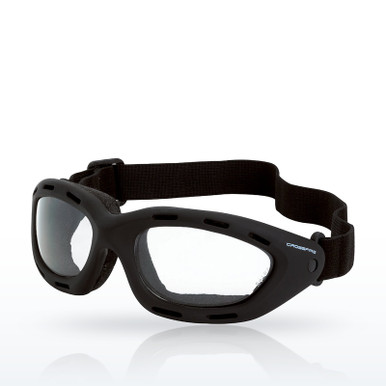
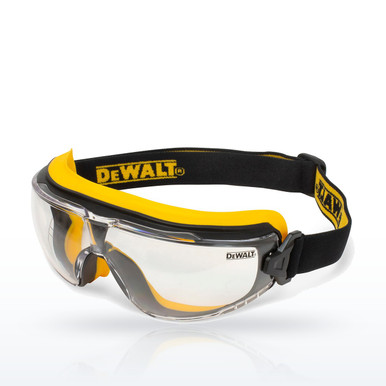
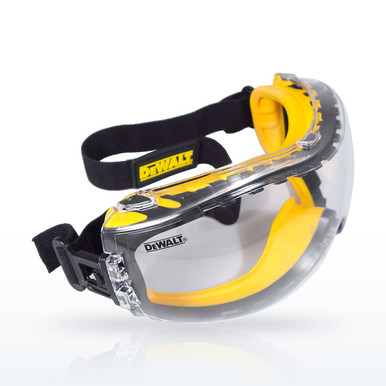
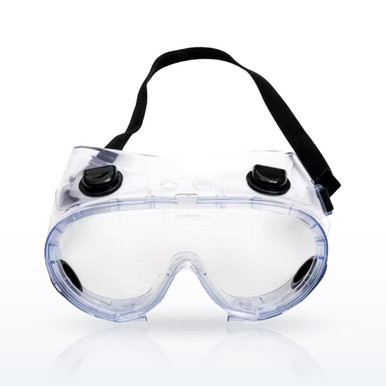
1910 Subpart I Appendix B, Section 8 (impact row and “for severe exposure, use faceshield”) and Note 3 (face shields over primary eye protection).Overhead grinding, grinding in a confined space, or grinding where dust is heavy: goggles instead of glasses, under the shield. A goggle seals, so grit that drops from above or swirls in a tank does not get in behind the lens. A direct-vent goggle breathes well and keeps out particles; an indirect-vent goggle keeps out dust too. Concrete and masonry grinding, which makes silica dust, is a respirator question as well as a goggle question.
1910 Subpart I Appendix B, Section 6 (devices for dust sealed to the face) and Section 8; ANSI/ISEA Z87.1-2020 Sections 7.4 and 7.5 (D4 and D5 dust marks); 29 CFR 1926.1153 (respirable crystalline silica in construction).Torch cutting: the hazard is light as well as slag, so the protector has to be a filter. OSHA’s welding rule requires goggles or other suitable eye protection for gas welding and oxygen cutting, with the shade from the table. Shaded cutting goggles over Z87+ glasses, or a shaded face shield window, both do it; the shade must match the plate thickness. Plasma cutting is arc cutting under the rule and takes a helmet or hand shield with the arc shade.
29 CFR 1910.252(b)(2)(i)(A) (arc cutting: helmet or hand shield) and (b)(2)(i)(B) (oxygen cutting: goggles or other suitable eye protection); (b)(2)(ii)(H) and 1910.133(a)(5) (shade tables).What else goes with the eyewear on a grinding job?
- The guard on the grinder, and the right wheel for the tool and speed. Eye protection is the last line; the wheel guard is the first. OSHA’s abrasive wheel rules are in 1910.215 and 1926.303.
- Hearing protection. Grinding and abrasive cutting run well above the 85 dBA action level; the published figures put power tools at 85 to 90 dBA and up.
- Gloves and a jacket or apron that sparks do not burn through. Synthetic fleece melts; leather and FR cotton do not.
- A fire watch where sparks can reach anything that burns. Cutting and grinding are hot work under 1910.252(a).
- Replacement windows and lenses on the shelf. A shield window that is pitted by sparks is cloudy within weeks; a scratched lens gets swapped, not tolerated.
Eye and face protection for grinding and cutting, by ANSI mark
31 items · prices liveThe mark shown is the one the manufacturer publishes for each item: Z87.1+ for impact rated, Z87.1 for basic impact. Shade numbers on cutting goggles are on the product page. Contractor Direct orders ship free.
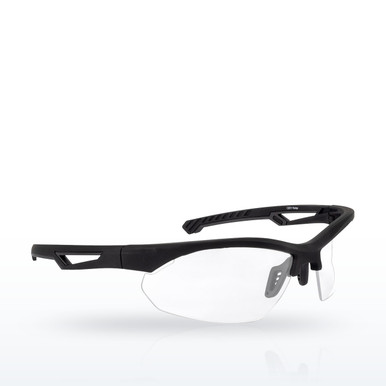
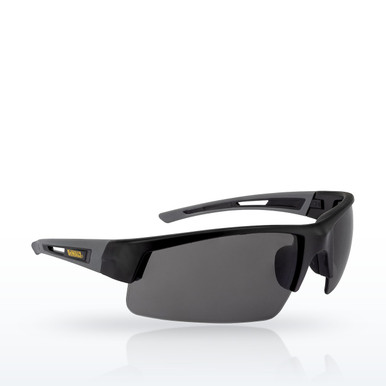
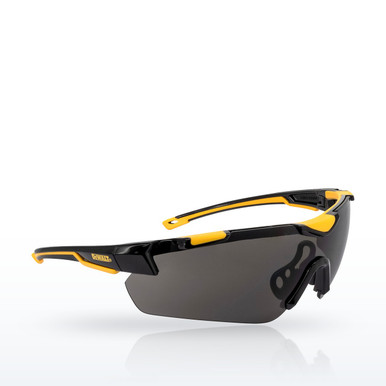
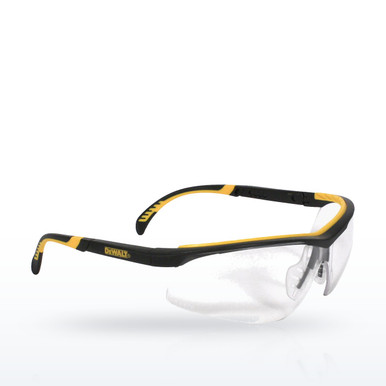
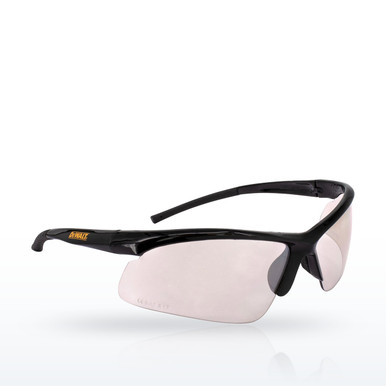
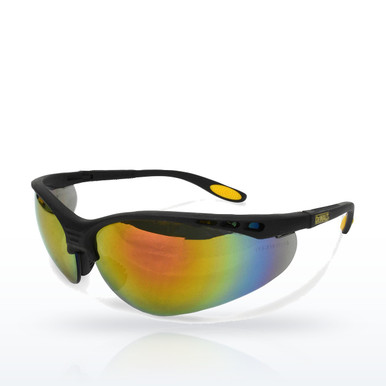
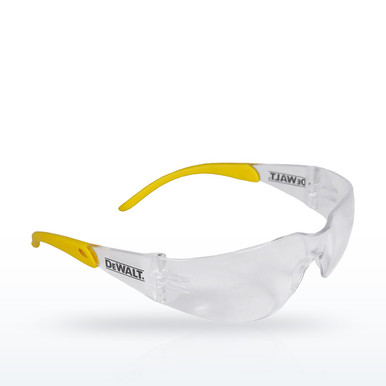
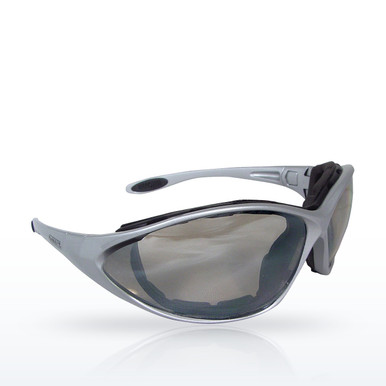
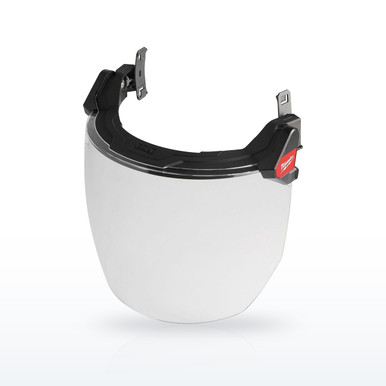

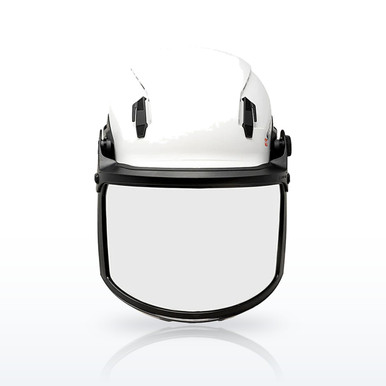
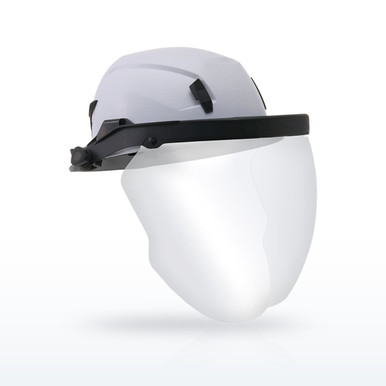
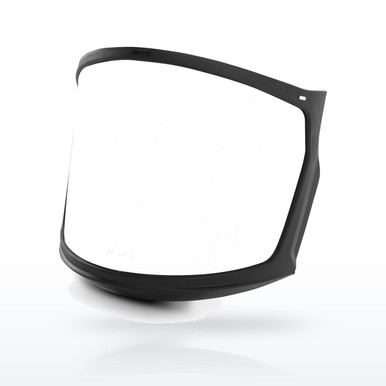

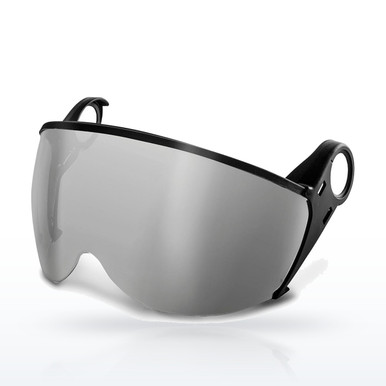
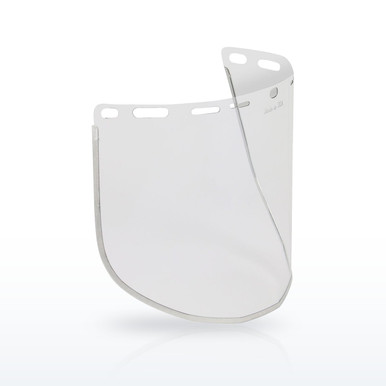
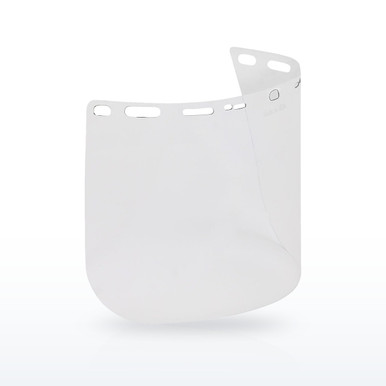
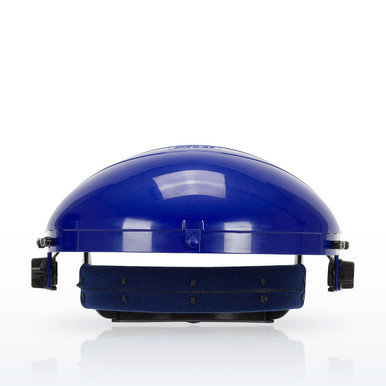
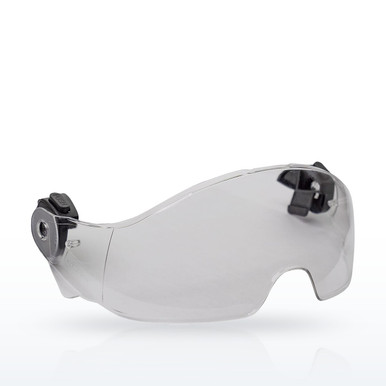
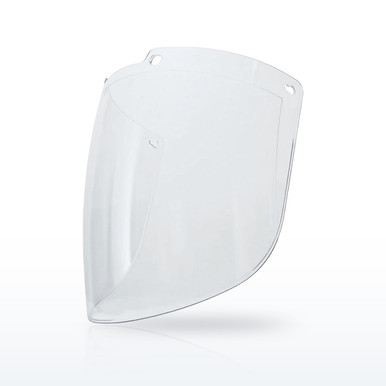
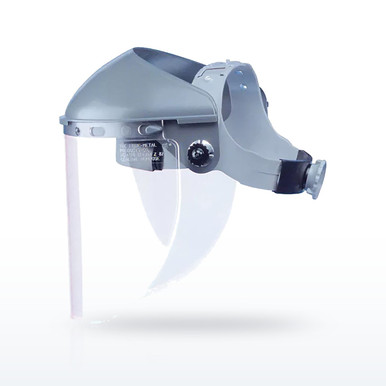
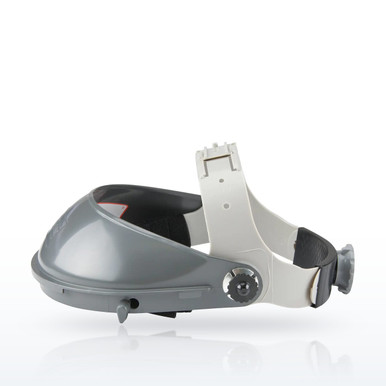
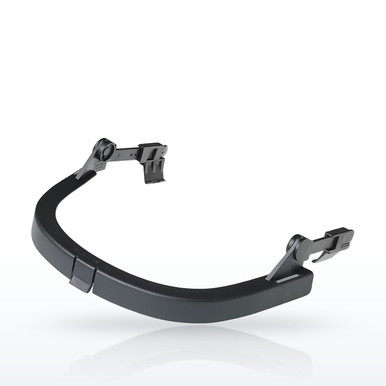
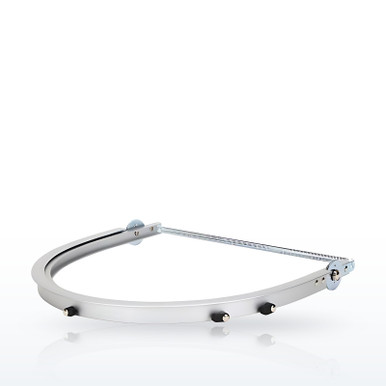

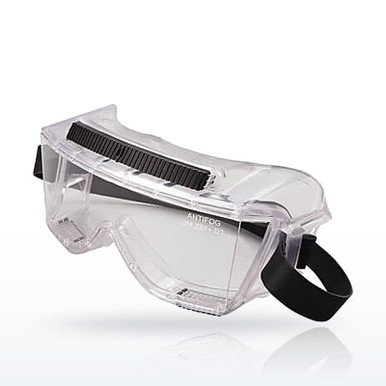
Shaded cutting goggles and welding helmets for torch and plasma work are in the welding PPE finder.
Questions people ask
Does OSHA require a face shield for grinding?
OSHA requires appropriate eye or face protection with side protection for flying particles; its selection chart says to use a face shield for severe impact exposure, over the glasses. A hand-held grinder or cut-off saw at the face is that exposure. (1910.133(a)(1) and (a)(2); Appendix B Section 8 and Note 3.)
Are safety glasses enough for grinding?
For a bench grinder, drilling or light deburring, Z87+ glasses with side protection are the chart’s first answer. For hand grinding, cutting and wire wheels, the chart adds a face shield over them.
Can I wear a face shield without safety glasses when grinding?
No. OSHA’s guidance says face shields should only be worn over primary eye protection. The shield is open at the bottom and sides. (Appendix B Note 3.)
What shade do I need for torch cutting?
Shade 3 or 4 for light cutting up to 1 inch, 4 or 5 for 1 to 6 inches, 5 or 6 for over 6 inches. (1910.252(b)(2)(ii)(H); 1910.133(a)(5).)
Do I need a welding helmet for plasma cutting?
Yes. Plasma cutting is arc cutting, which requires a helmet or hand shield with a filter plate. (1910.252(b)(2)(i)(A).)
What does Z87+ mean for grinding?
The protector passed a quarter-inch steel ball at 150 feet per second (glasses), 250 (goggles) or 300 (face shields), plus a 500-gram pointed weight dropped from 50 inches. (Z87.1-2020 Section 7.1 and Table 6.)
Is a mesh face shield OK for grinding?
Mesh is sold for wood chips and brush. For metal grinding, where sparks and fine grit come through mesh, manufacturers list polycarbonate windows. Either way the glasses go underneath.
Do I need goggles for grinding concrete?
Dust that drops from above or swirls gets behind glasses; a goggle seals it out. Concrete and masonry dust is also a silica hazard with its own respirator rule. (Appendix B Section 6; 1926.1153.)
Standards and ratings on this page are as published in the documents named and by the manufacturers named. The employer’s hazard assessment and written program decide what applies at a given workplace. Verify a rating on the product and its spec sheet before use.