
Decibel level chart: how loud common sounds and tools are, and how many decibels cause hearing damage
Hearing damage starts with time at level, not a single number. OSHA’s limit is 90 decibels (dBA) averaged over 8 hours, with hearing conservation starting at 85. NIOSH puts the limit at 85 dBA for 8 hours and halves the allowed time for every 3 decibels above it: 88 for 4 hours, 91 for 2, 94 for 1, 97 for 30 minutes, 100 for 15. A gas mower or leaf blower runs 80 to 85, a chainsaw or bulldozer 95 and up, a car horn at 16 feet 100, a siren beside you 120. Decibels are a log scale: 10 dB more is ten times the sound energy, so 100 dBA is not “a bit louder” than 85, it is about 30 times the energy.
Why does the chart have two sets of limits? OSHA’s Table G-16 is the law: 90 dBA for 8 hours, halving every 5 decibels. NIOSH’s recommended limit is what the research supports: 85 dBA, halving every 3. The gap matters on a jobsite. At 95 dBA OSHA allows 4 hours; NIOSH allows 47 minutes. Most safety programs write the NIOSH numbers into their rules and treat the OSHA table as the floor they must never cross.
How long can you be in it?
Allowed time at each level, without protection.
Decibel chart: common sounds and tools
| Sound | Level | Where it sits |
|---|---|---|
| Normal breathing | 10 dB | Threshold region |
| Soft whisper | 30 dB | Quiet |
| Refrigerator hum | 40 dB | Quiet |
| Normal conversation, air conditioner | 60 dB | Everyday |
| Washing machine, dishwasher | 70 dB | Everyday |
| City traffic from inside a car | 80–85 dB | OSHA action level at 85 |
| Gas mower, leaf blower | 80–85 dB | OSHA action level at 85 |
| Printing press, shop vacuum, power tools | 85–90 dBA | NIOSH limit (8 h) to OSHA limit (8 h) |
| Motorcycle | 95 dB | OSHA 4 h, NIOSH 47 min |
| Bulldozer, chainsaw | 95 dBA and up | OSHA 4 h, NIOSH 47 min |
| Car horn at 16 feet, approaching subway, stadium crowd | 100 dB | OSHA 2 h, NIOSH 15 min |
| Nightclub, rock concert, personal player at maximum | 105–110 dB | OSHA 1 h to 30 min |
| Shouting directly in the ear | 110 dB | OSHA 30 min |
| Standing beside a siren | 120 dB | Beyond the OSHA table |
| Firecrackers | 140–150 dB | Impulse; OSHA 140 dB peak ceiling |
Levels are the CDC and NIOSH published figures for the examples named, not measurements of a specific tool. A given saw, grinder or compressor can be 10 decibels either side of the example; the only way to know a jobsite level is a sound level meter or a dosimeter, which 1910.95(d) requires when exposure may reach 85 dBA.
CDC, What Noises Cause Hearing Loss (sound levels 0 to 150 dB); NIOSH, Noise and Hearing Loss (85–90 dBA and 95 dBA examples); 29 CFR 1910.95 Table G-16 and (d)(1).
How many decibels cause hearing damage?
There is no level below which a short exposure is unsafe and above which one is harmful; damage is dose, level times time. NIOSH sets the line at 85 dBA averaged over 8 hours: workers at or above it are at risk of significant hearing loss over a working life. Short of that, the risk is small; past it, every 3 decibels doubles the dose. The single-event exception is impulse noise: a gunshot or a hammer on steel near the ear can exceed 140 dB peak and injure the inner ear at once, which is why OSHA’s table says impulse noise should not exceed it. Noise-induced hearing loss is permanent; the hair cells in the inner ear that die do not grow back, and a hearing aid amplifies what is left rather than restoring it.
NIOSH, Noise and Hearing Loss (REL and risk statement); 29 CFR 1910.95 Table G-16 footnote (140 dB peak); NIOSH Criteria for a Recommended Standard: Occupational Noise Exposure (1998) on permanence.How do you pick protection from the chart?
- Find the level, then the time. A full shift at 85 to 90 needs protection by the NIOSH rule and a conservation program by OSHA’s; a full shift at 95 and up needs it by any rule.
- Subtract the real protection, not the label. OSHA’s Appendix B method: take the NRR, subtract 7, subtract the rest from the dBA level. NIOSH goes further and derates the label by 25 percent for muffs, 50 percent for foam plugs and 70 percent for other plugs before subtracting. An NRR 33 foam plug at 100 dBA: OSHA arithmetic gives 74; NIOSH gives 100 minus (33 × 0.5 minus 7) = 90.5, still over 85.
- Double up above about 100 dBA. Plugs under muffs add about 5 to 10 decibels to the better of the two, not the sum. NIOSH recommends dual protection where the time-weighted exposure exceeds 100 dBA.
- The rating must be on the package. We list each product’s NRR as the manufacturer tested it; the finder sorts by it.
Ear plugs and earmuffs by NRR
30 items · prices liveNRR is as tested by the manufacturer under ANSI S3.19 and printed on the package. Pack size and corded or uncorded are on the product page. Free shipping on orders over $199.
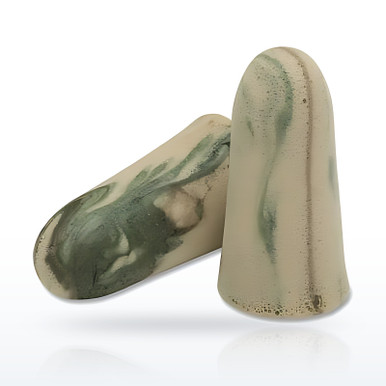

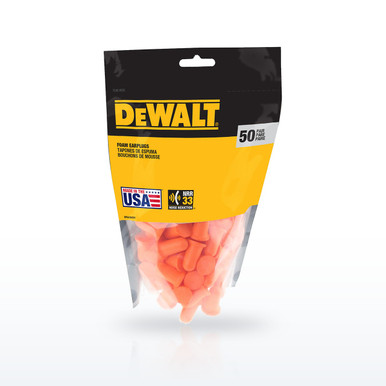
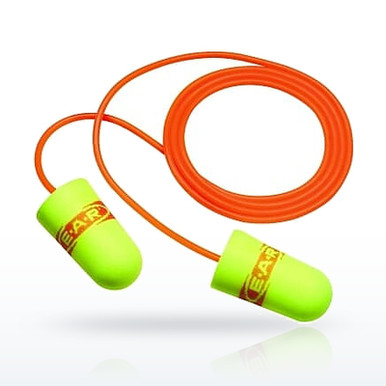
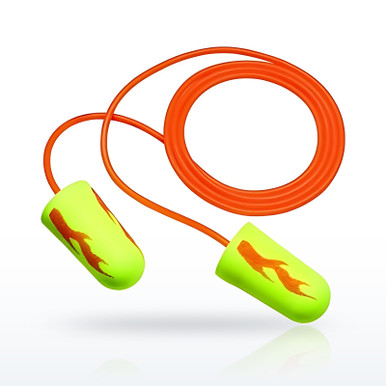
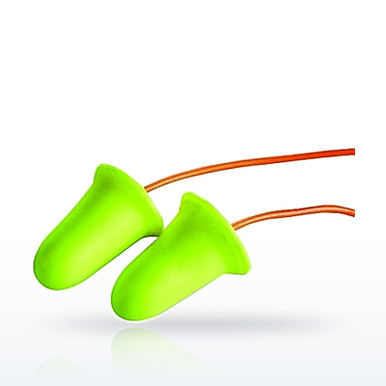
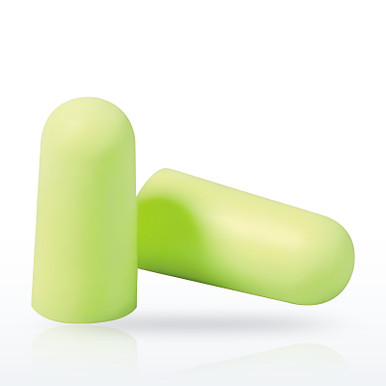
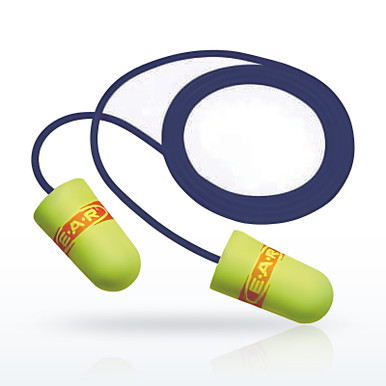
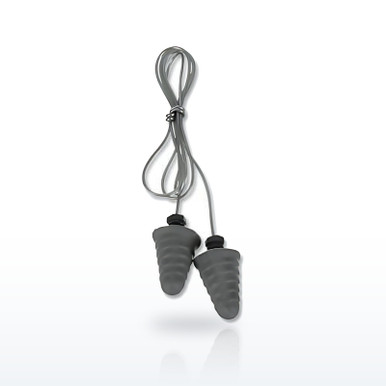
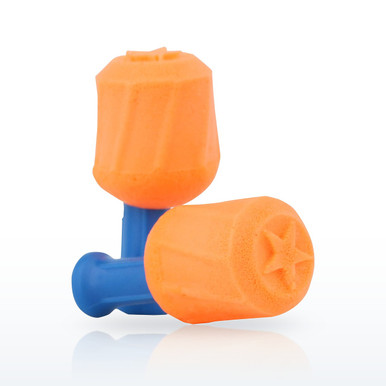
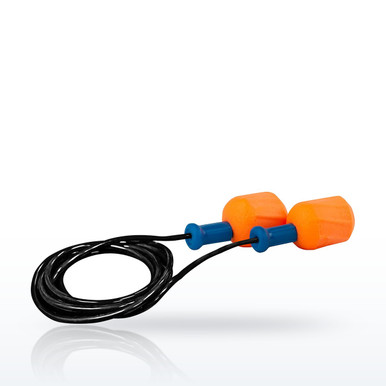
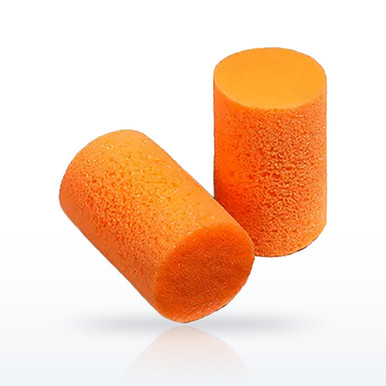
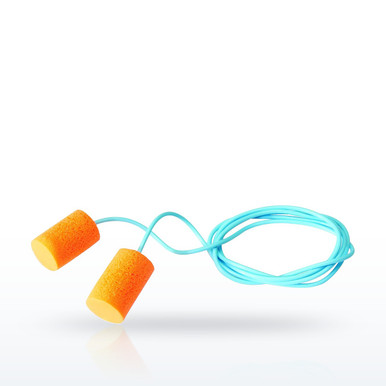
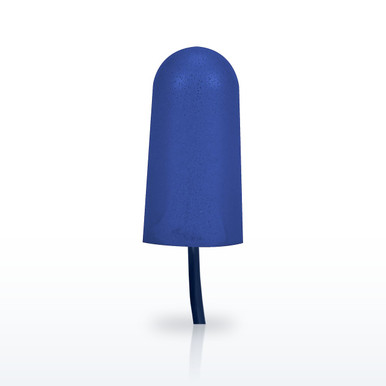
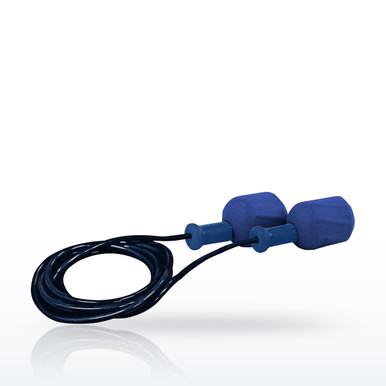
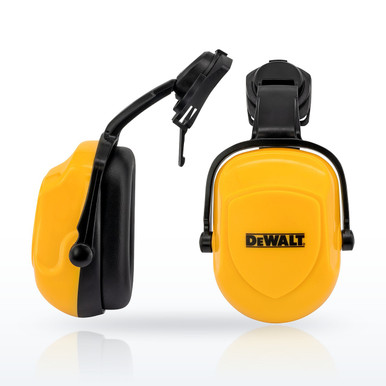
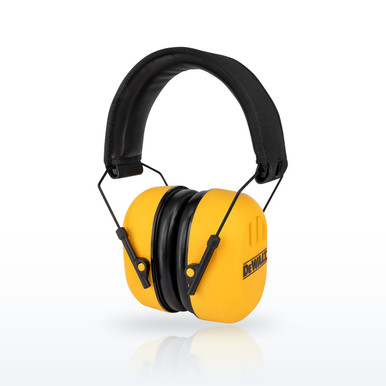
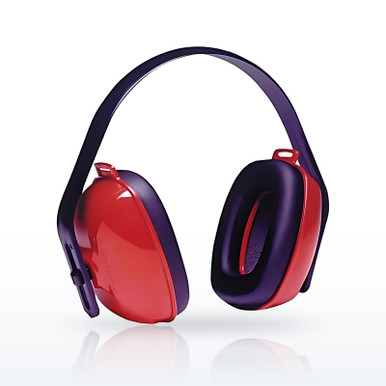
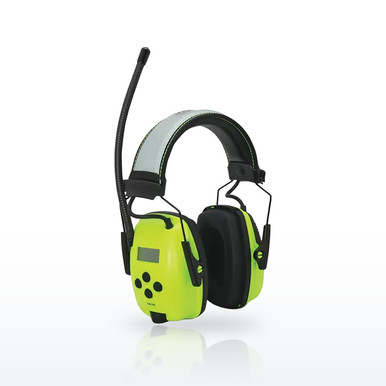
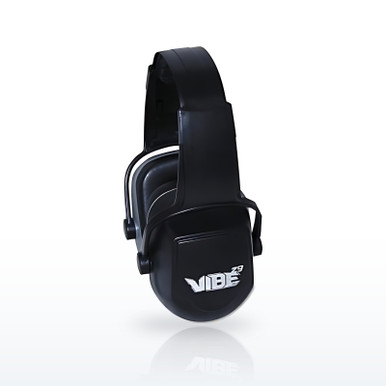
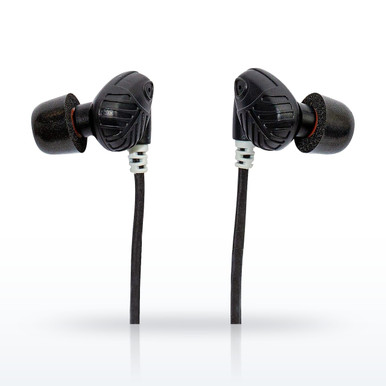
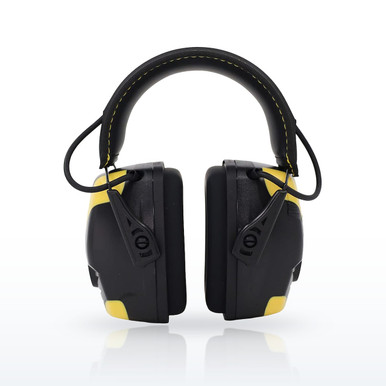
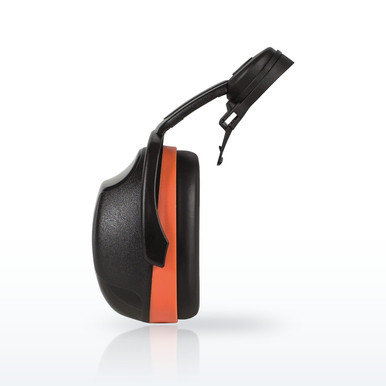
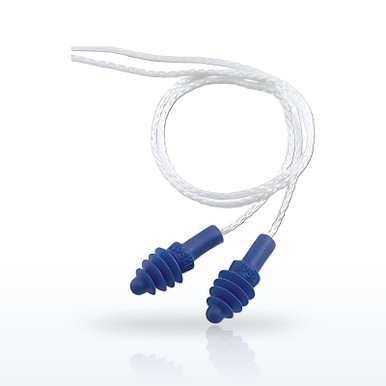
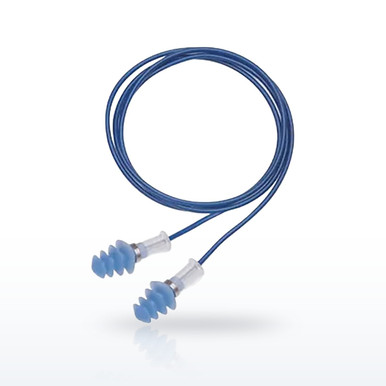
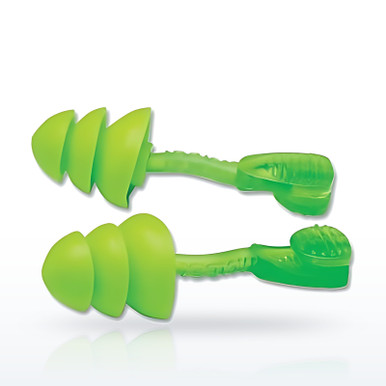
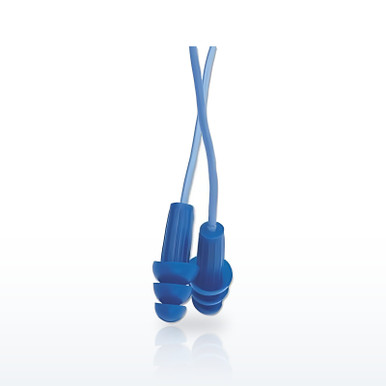

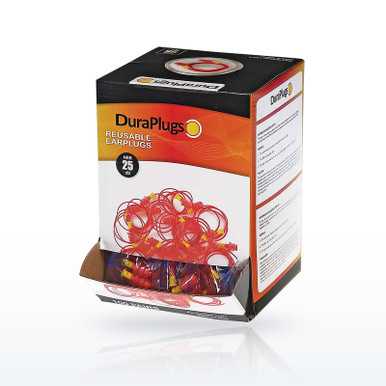
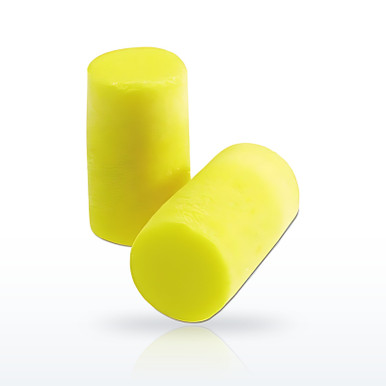
The full range, including banded plugs and cap-mount muffs, is in the hearing protection finder.
Questions people ask
How many decibels is too loud?
NIOSH: 85 dBA averaged over 8 hours is the limit, and every 3 decibels above it halves the time. OSHA’s legal limit is 90 dBA for 8 hours.
How loud is a chainsaw?
NIOSH lists chainsaws with bulldozers in the group that averages 95 dBA or higher. At 95, OSHA allows 4 hours and NIOSH 47 minutes.
How loud is normal conversation?
About 60 dB.
What is the loudest sound a person can take without damage?
OSHA sets 140 dB peak as the ceiling for impulse noise; a single event above it can injure the ear.
Is 70 dB harmful?
No. 70 dB is a dishwasher or washing machine; it is well under the 85 dBA line.
How much louder is 100 dB than 90 dB?
Ten times the sound energy, which is why the allowed time drops so fast.
Do ear plugs block the NRR number?
Not in practice. OSHA subtracts 7 from the NRR; NIOSH halves foam-plug ratings. Fit, and wearing them the whole time, decide what you get.
When does OSHA require a hearing conservation program?
When any employee’s 8-hour average reaches 85 dBA: monitoring, annual audiograms, protectors offered free, training and records (1910.95(c) onward).
Standards and ratings on this page are as published in the documents named and by the manufacturers named. The employer’s hazard assessment and written program decide what applies at a given workplace. Verify a rating on the product and its spec sheet before use.