
Fall protection training: what 1926.503 requires, who can give it, and when to retrain
OSHA requires every construction employee who might be exposed to a fall hazard to be trained before the exposure, by a competent person, to recognize fall hazards and to follow the procedures that minimize them. The training must cover the hazards on that site, how to erect, inspect, maintain and take down the systems in use, how to use guardrails, personal fall arrest, nets, warning lines, safety monitors and controlled access zones, and the rules in Subpart M itself. The employer keeps a written certification with the employee name, training date and trainer signature. There is no fixed annual refresher in the rule. Retraining is required when the site or the equipment changes enough to make the old training obsolete, or when a worker shows they have not kept the knowledge or skill.
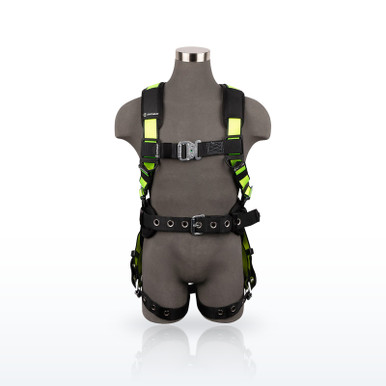 Safewaze PRO construction harnessANSI Z359.11, dorsal plus side positioning D-rings
Why does the training rule stand on its own? Most of Subpart M is about equipment and heights. Section 1926.503 exists because a harness, a guardrail or a safety net only works when the person using it knows how to put it on, where to tie off, how far they would fall, and what to do when the plan changes. OSHA cites 1926.503 on its own, separate from the equipment violations, and it is one of the most cited construction standards every year. The written certification is what an inspector asks to see first after a fall.
What must the training cover?
Eight subjects, as the section lists them. The trainer must be a competent person qualified in each one that applies.
Who has to be trained, and who can train them?
Every employee who might be exposed to fall hazards. The test is exposure, not trade: a laborer carrying material across an open deck is covered the same as the ironworker. The training supplements the general construction duty in 1926.21(b)(2) to instruct each employee in the recognition and avoidance of unsafe conditions and the regulations that apply to their work.
29 CFR 1926.503(a)(1); 1926.503 introductory paragraph; 1926.21(b)(2).The trainer must be a competent person qualified in the subjects being taught. A competent person, in OSHA’s construction definition, is one who can identify existing and predictable hazards and has the authority to take prompt corrective measures to eliminate them. The section does not require a certificate, a third-party card or a set number of hours; it requires that the trainer actually be competent in the systems the crew will use. A manufacturer or distributor class, a safety consultant or an in-house competent person all qualify if that test is met.
29 CFR 1926.503(a)(2); 1926.32(f), definition of competent person.What record does the employer keep?
- A written certification record that the training was done.
- The name or other identity of the employee trained.
- The date or dates of the training.
- The signature of the person who conducted the training, or the signature of the employer.
- If the employer relies on training by another employer, or on training completed before the section took effect, the record shows the date the employer determined that prior training was adequate, rather than the actual training date.
- The latest certification is maintained. A card in the worker’s wallet is not the record; the employer must hold it.
When is retraining required?
When the employer has reason to believe a trained employee no longer has the understanding and skill the training requires. The section names three situations and says the list is not exclusive: changes in the workplace that make the earlier training obsolete; changes in the types of fall protection systems or equipment that make it obsolete; and inadequacies in the employee’s knowledge or use of the system that show the training was not retained. In practice that means a new site with different hazards, a switch from rope lifelines to SRLs or from guardrails to a fall protection plan, or a worker seen tied off wrong.
29 CFR 1926.503(c)(1) through (c)(3).There is no annual refresher in 1926.503. Many employers train every year anyway, and many general contractors and owners require it by contract, but the rule itself keys retraining to change and to observed gaps. If your program sets an annual interval, write it into the program and keep the records; if it does not, make sure a foreman who sees a worker misuse the equipment knows that observation is itself a retraining trigger.
29 CFR 1926.503(c); the section contains no fixed interval.What does hands-on training look like with the equipment?
- Put the harness on, and adjust it. Leg straps, chest strap, dorsal ring between the shoulder blades. The trainer checks the fit on each worker and shows what a loose leg strap does in a fall.
- Inspect it. Webbing, stitching, hardware, label, load indicator. The pre-use inspection OSHA requires of every personal fall arrest system is a skill, and this is where it is taught.
- Connect to the right anchor with the right hook. A 5,000-pound anchor per worker or an engineered system, a locking snap hook or carabiner, one connector per D-ring unless the hook is designed for more, and a lanyard that never wraps the anchor unless it is a tie-back model.
- Work out the fall clearance. Lanyard length, deceleration distance (up to 3.5 feet), harness stretch, the worker’s height and a safety margin, against the distance to the next level down. A 6-foot lanyard from a foot-level anchor usually needs more room than the floor below allows; that is the point at which the trainer introduces the self-retracting lifeline.
- Know the rescue plan. OSHA requires the employer to provide for prompt rescue or make sure workers can rescue themselves. The training covers who calls, who lowers, and how long a worker can hang before suspension trauma sets in.
The equipment the training covers: harnesses, lanyards and SRLs
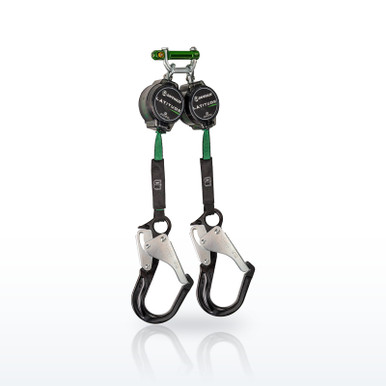
23 items · prices liveEach item shows the ANSI standard its manufacturer states. The user manual that ships with each product is part of the training material 1926.503(a)(2)(ii) and (iii) call for; the clearance chart and inspection checklist are in it. Free shipping on orders over $199.
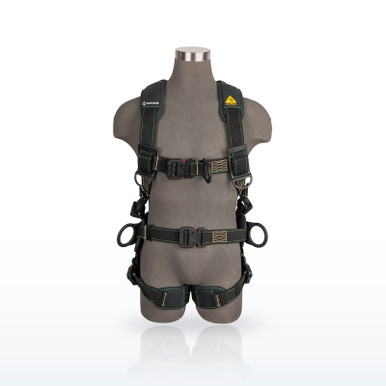
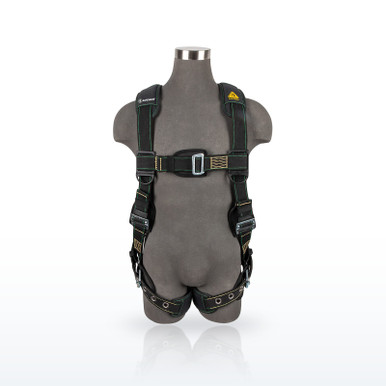
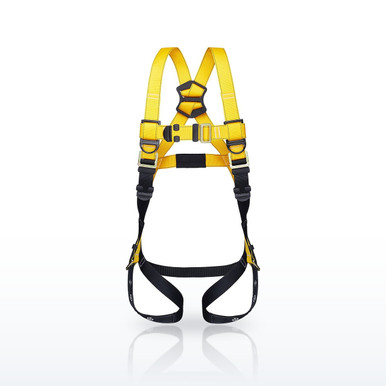
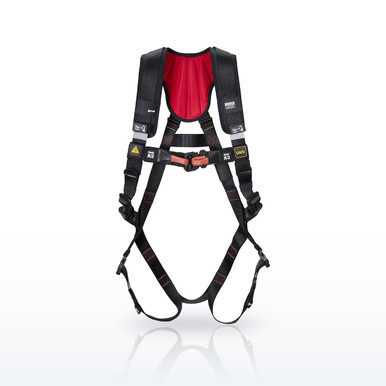
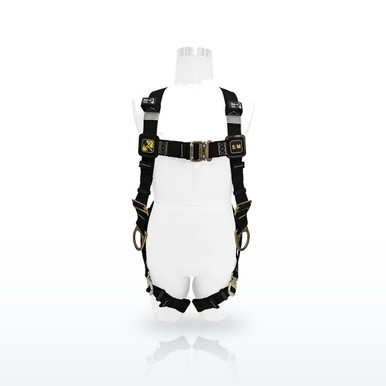

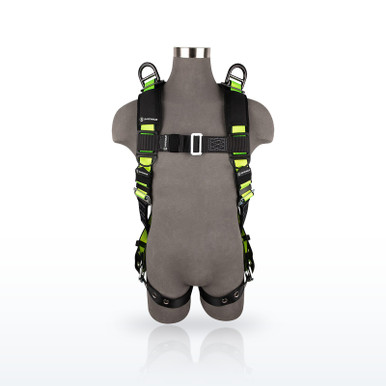
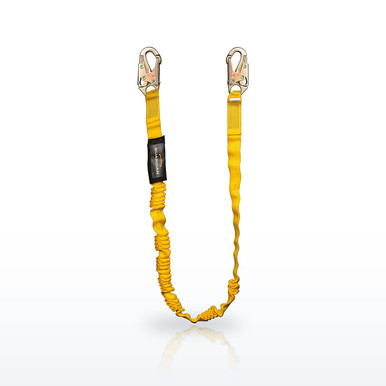
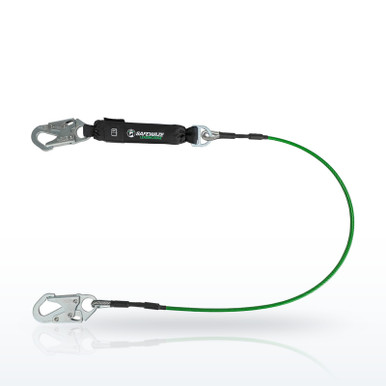
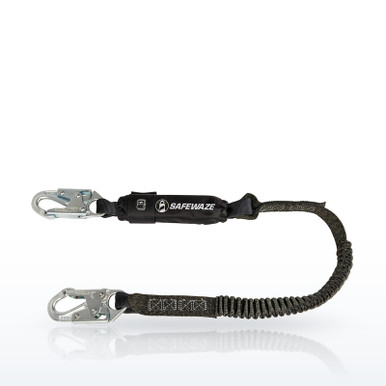
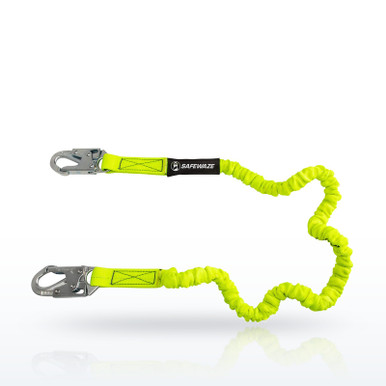
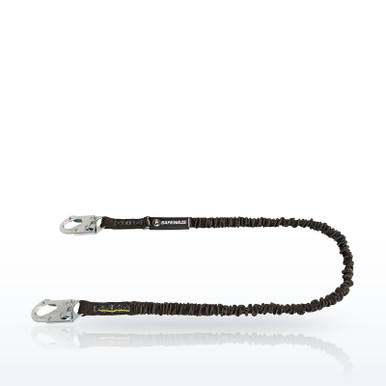

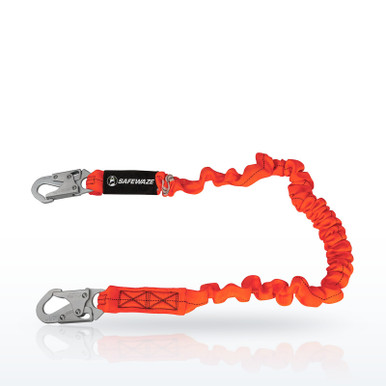
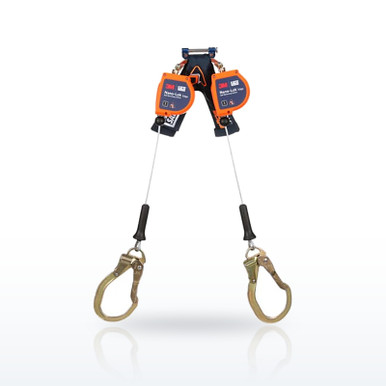
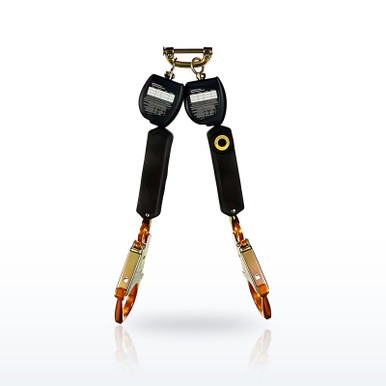
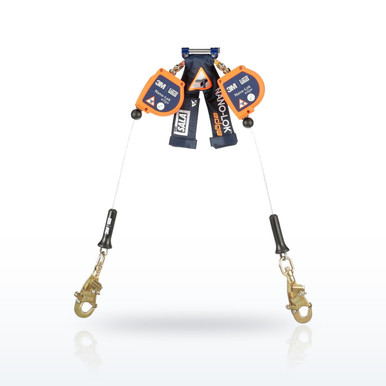
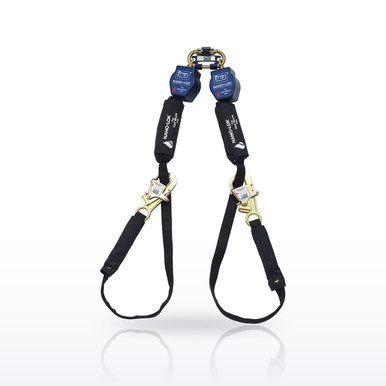
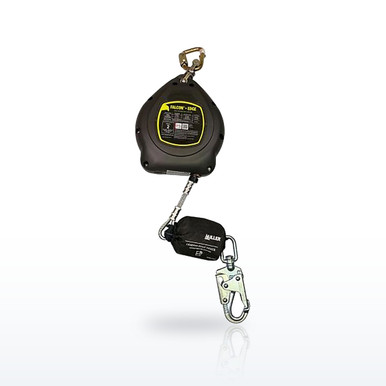
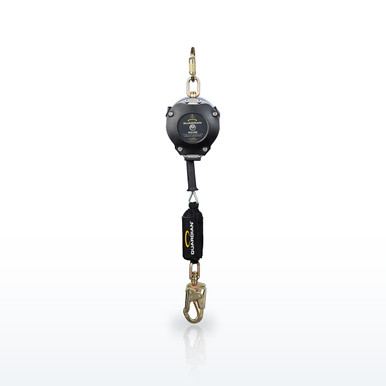
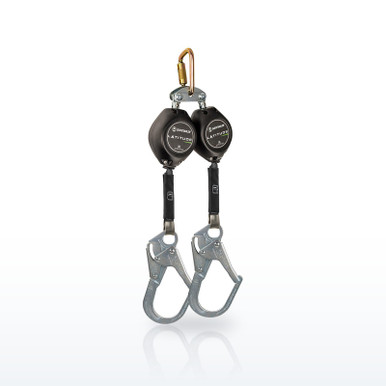
Anchors, vertical lifelines, rope grabs and rescue equipment are in the fall protection finder.
Questions people ask
Who needs fall protection training under OSHA?
Every construction employee who might be exposed to a fall hazard (1926.503(a)(1)). Exposure, not job title, decides it.
Who can conduct fall protection training?
A competent person qualified in the subjects taught (1926.503(a)(2)). OSHA does not require a specific certificate or course provider.
How often is fall protection training required?
1926.503 sets no fixed interval. Retraining is required when the workplace or the equipment changes enough to make the training obsolete, or when a worker shows they have not retained it (1926.503(c)).
Is annual fall protection training required by OSHA?
Not by 1926.503. It is common company policy and a common contract requirement, and it satisfies the retraining duty if the triggers in (c) are also covered.
What must the training record contain?
The employee name or identity, the training dates, and the signature of the trainer or the employer. The latest certification is kept (1926.503(b)).
Does a training card from a previous employer count?
Only if the new employer reviews it, determines the training was adequate for this site and these systems, and records the date of that determination (1926.503(b)(1)).
Does 1926.503 apply to general industry?
No. It is the construction rule. General industry training for personal fall protection is in 1910.30, which has its own content and retraining requirements.
What are the eight training subjects?
Fall hazards in the work area; erecting, maintaining, disassembling and inspecting the systems; using the systems; the safety monitor role; mechanical equipment limits on low-slope roofs; handling and storing materials and overhead protection; the fall protection plan; and the Subpart M standards (1926.503(a)(2)(i) through (viii)).
Standards and ratings on this page are as published in the documents named and by the manufacturers named. The employer’s hazard assessment and written program decide what applies at a given workplace. Verify a rating on the product and its spec sheet before use.