
When is fall protection required? The OSHA height rules for construction and general industry
In construction, fall protection is required at 6 feet: any walking or working surface with an unprotected side or edge 6 feet or more above a lower level needs guardrails, a safety net or a personal fall arrest system. In general industry (plants, warehouses, shops) the trigger is 4 feet. Scaffolds trigger at 10 feet, steel erection at 15 (30 for connectors), fixed ladders at 24, and over dangerous equipment there is no minimum height at all. Those are the OSHA floors; many employers set 6 feet everywhere.
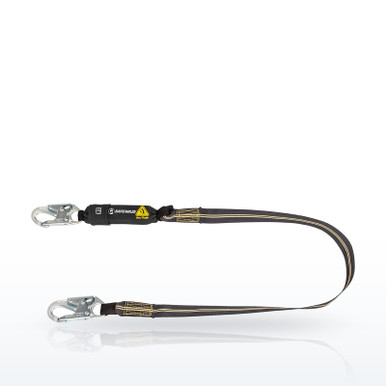 Safewaze Arc Flash Harnesses 6' Energy Absorbing LanyardFull-body harness, the center of a personal fall arrest system
Why are there different heights? Because the rules were written at different times for different industries, and because the trigger height is a judgment about where the risk of a serious injury becomes high enough to require equipment, not a measure of where falls start hurting. Falls are the leading cause of death in construction, about a third of all construction fatalities every year, and a large share of them are from under 20 feet. The 6-foot and 4-foot lines are where OSHA draws the duty, not where gravity does.
What are the OSHA trigger heights?
The height at which the employer must provide fall protection, by the standard that applies to the work.
What counts as fall protection?
Three conventional systems satisfy the rule in most situations: a guardrail system (a top rail at 42 inches, a midrail, and toeboards where needed), a safety net system, or a personal fall arrest system (a full-body harness, a connecting device such as a lanyard or self-retracting lifeline, and an anchorage able to hold 5,000 pounds). Where the work makes those infeasible, the construction standard allows positioning device systems, warning line systems on roofs, controlled access zones, safety monitoring systems on low-slope roofs, and covers over holes, each with its own conditions. Travel restraint, which keeps a worker from reaching the edge at all, is accepted in general industry and in construction as a form of fall protection.
29 CFR 1926.502(b) through (k); 29 CFR 1910.28(b)(1)(i); 29 CFR 1910.140.Fall protection trigger heights by type of work
| Work | Trigger height | Standard |
|---|---|---|
| Construction, general (edges, holes, roofs, leading edges) | 6 feet | 1926.501(b) |
| General industry (plants, warehouses, shops) | 4 feet | 1910.28(b) |
| Scaffolds | 10 feet | 1926.451(g) |
| Steel erection | 15 feet; connectors 15 to 30 feet under conditions | 1926.760 |
| Fixed ladders | More than 24 feet | 1910.28(b)(9); 1926.1053(a)(18) |
| Aerial lifts, boom lifts | Any height | 1926.453(b)(2)(v); 1910.67 |
| Over dangerous equipment | Any height | 1926.501(b)(8); 1910.28(b)(6) |
| Excavations (edge not visible, or at the top of a wall) | 6 feet | 1926.501(b)(7) |
| Residential construction | 6 feet | 1926.501(b)(13) |
| Longshoring and marine terminals | 8 feet | 1918.85(j); 1917.112 |
| Shipyards | 5 feet | 1915.73 |
Scissor lifts are treated as scaffolds under OSHA’s interpretation, so the guardrail is the fall protection and a harness is required only if the manufacturer or the employer requires it or the guardrail is removed. Roofers on low-slope roofs (4:12 or less) may use a warning line with a safety monitor or guardrails or arrest; steep roofs require guardrails, nets or arrest. Many general contractors and owners set a 6-foot or lower rule across all work regardless of the standard; the stricter rule governs on that site.
The standards listed; OSHA letter of interpretation on scissor lifts (2000, 2016); OSHA Fall Protection Safety and Health Topics.
What are the rules for roofs?
Low-slope roofs (4 in 12 or less): guardrails, safety nets, or personal fall arrest, or a combination of a warning line system with a safety monitor, guardrails or arrest; on roofs 50 feet or less in width, a safety monitoring system alone is allowed. Steep roofs: guardrails with toeboards, nets or arrest. Residential construction: the same 6-foot rule applies and OSHA withdrew the old alternative in 2010, so residential roofers need conventional fall protection unless the employer documents infeasibility in a written fall protection plan.
29 CFR 1926.501(b)(10), (b)(11), (b)(13); 29 CFR 1926.502(f), (h), (k); OSHA STD 03-11-002 (residential fall protection).What does the general industry rule add?
The 2017 Walking-Working Surfaces update brought general industry close to construction: fall protection at 4 feet, a choice of guardrails, nets, arrest, travel restraint or positioning, ladder safety systems on fixed ladders over 24 feet, training requirements, and inspection and criteria for the equipment in 1910.140 that mirror 1926.502. On low-slope roofs it allows a designated area (warning line) for infrequent, temporary work 6 to 15 feet from the edge, and for work 15 feet or more from the edge it allows a designated area or, for infrequent and temporary work, no protection at all, provided a rule keeps workers from going within 15 feet of the edge unprotected. Rope descent systems got their own rules with a 300-foot limit and anchorage certification.
29 CFR 1910.28(b)(13)(i) through (iii) (low-slope roof work by distance from the edge); 1910.28(b)(9) (fixed ladders); 1910.140 (personal fall protection systems); 1910.27(b) (rope descent); 1910.30 (training).What does the employer have to do besides provide equipment?
- Determine whether the surfaces have the strength to support the workers before anyone is allowed on them.
- Provide the system at no cost and ensure it is used.
- Train every worker exposed to fall hazards on the hazards, the systems, their use, inspection and limits, and retrain when the work or the equipment changes or when the worker shows they did not retain it.
- Inspect personal fall arrest equipment before each use and remove anything damaged or impact-loaded.
- Have a rescue plan: prompt rescue of a worker hanging in a harness, or the worker’s ability to rescue themselves.
- Where conventional systems are infeasible or more dangerous, write a site-specific fall protection plan by a qualified person.
Personal fall arrest systems: harnesses, lanyards, SRLs and anchors
19 items · prices liveEach item is listed as its manufacturer publishes it, with the ANSI Z359 standard it is built to on the product page. A personal fall arrest system is the harness, the connector and a rated anchorage together. Free shipping on orders over $199.
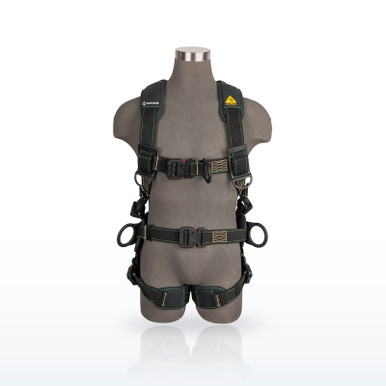
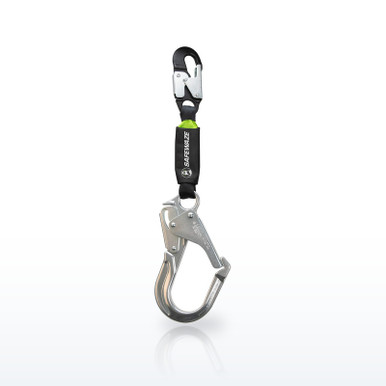
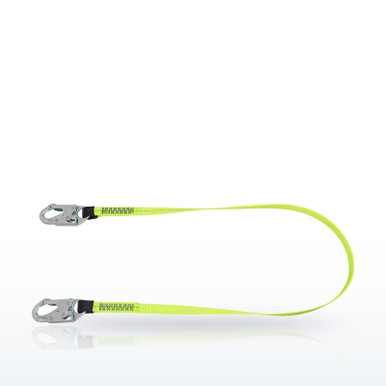
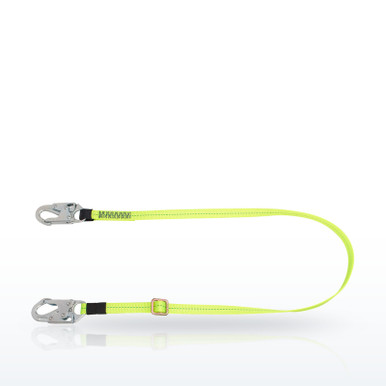
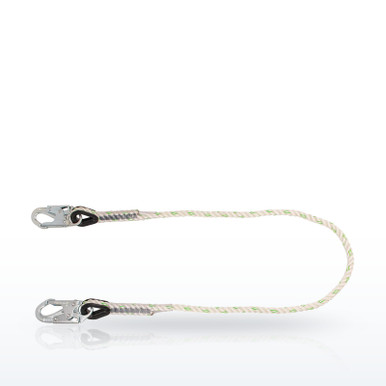
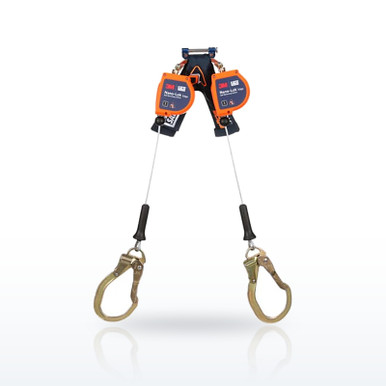
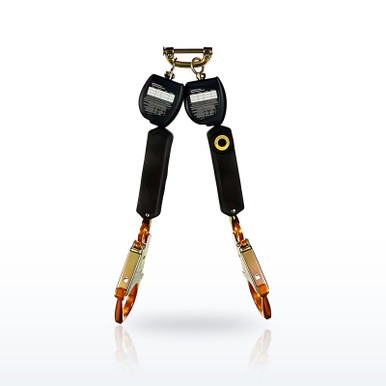
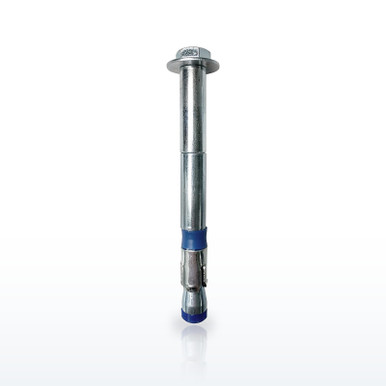
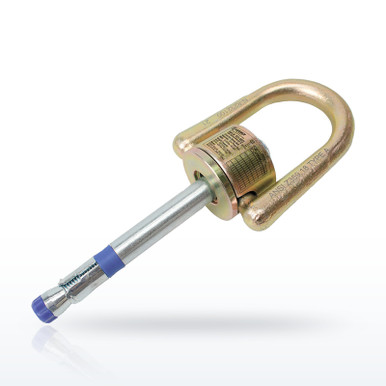
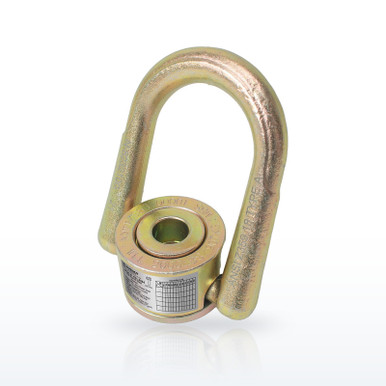
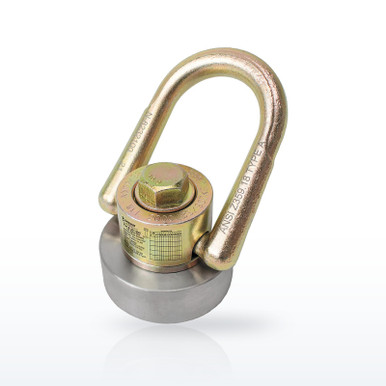
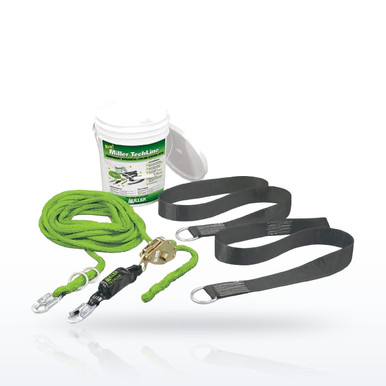
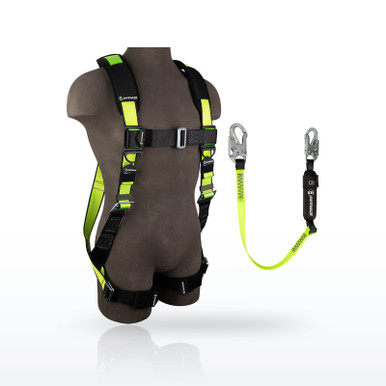
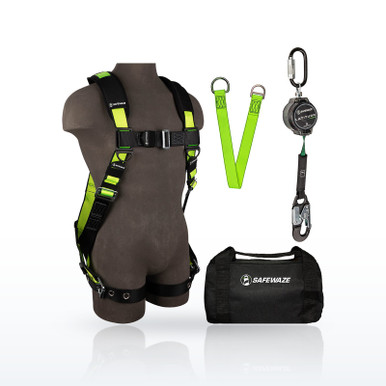
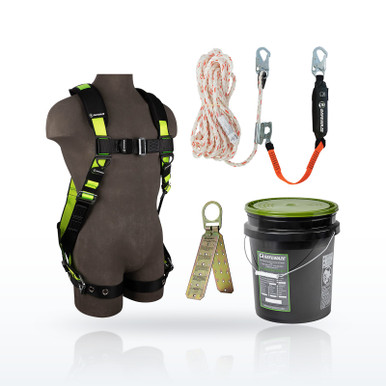
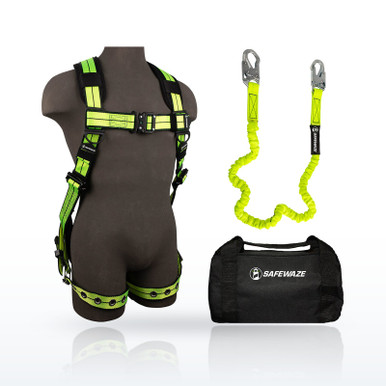
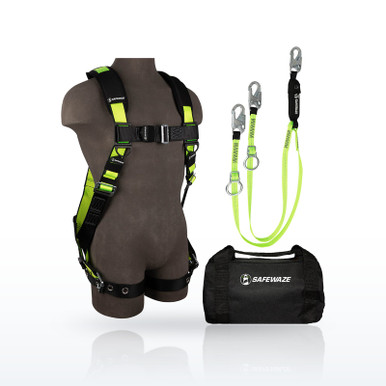
Every harness, lanyard, SRL, anchor and kit we carry, filtered by type, standard and capacity, is on the fall protection finder.
Questions people ask
At what height is fall protection required by OSHA?
6 feet in construction, 4 feet in general industry, 10 feet on scaffolds, 15 feet in steel erection, over 24 feet on fixed ladders, and at any height over dangerous equipment or in an aerial lift.
Is fall protection required at 4 feet?
In general industry, yes: 1910.28 requires it at 4 feet or more. In construction the rule is 6 feet, but many sites set a lower limit.
Do you need a harness in a scissor lift?
Not under OSHA unless the guardrail is removed or the manufacturer or employer requires it; a scissor lift is treated as a scaffold and the guardrail is the fall protection. Boom lifts and bucket trucks always require a harness and lanyard attached to the lift.
Is fall protection required on a ladder?
Portable ladders: no, OSHA requires three-point contact and proper setup, not a harness. Fixed ladders over 24 feet: a ladder safety system or personal fall arrest.
When is fall protection required on a roof?
At 6 feet in construction. Low-slope roofs allow warning lines with a monitor or other options; steep roofs require guardrails, nets or arrest. (1926.501(b)(10) and (11).)
What are the three types of fall protection?
Guardrails, safety nets and personal fall arrest systems are the conventional three. Travel restraint, positioning, warning lines, covers and safety monitors are allowed in specific situations.
Does OSHA require fall protection training?
Yes: every worker exposed to fall hazards must be trained by a competent person on the hazards and the systems, with retraining when things change. (1926.503; 1910.30.)
Who pays for fall protection equipment?
The employer, under OSHA’s PPE payment rule. (1910.132(h).)
Standards and ratings on this page are as published in the documents named and by the manufacturers named. The employer’s hazard assessment and written program decide what applies at a given workplace. Verify a rating on the product and its spec sheet before use.