
OSHA fall protection requirements explained: 1926 Subpart M, section by section
Subpart M is four sections. 1926.500 says what it covers and defines the terms. 1926.501 is the duty: for each kind of work (edges, leading edges, hoist areas, holes, formwork, ramps, excavations, dangerous equipment, overhand bricklaying, roofs, precast, residential, wall openings) it says fall protection is required at 6 feet and which systems are allowed. 1926.502 is the engineering: what a guardrail, a net, a personal fall arrest system, a positioning system, a warning line, a safety monitor, a cover and a fall protection plan each have to be. 1926.503 is training: who trains, what it covers, when to retrain, and the written certification.
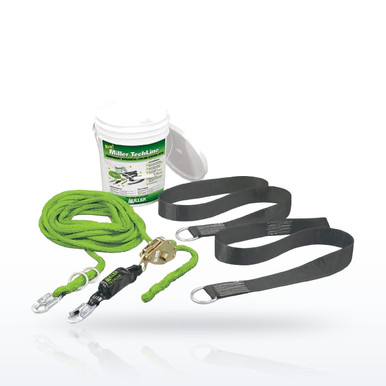 Miller HLLR2-L 2-Worker Horizontal Lifeline Kit, ResidentialHarness, lanyard and anchor kit built to 1926.502(d)
Why is Subpart M the most-cited standard in construction? Because falls kill more construction workers than anything else, and because the rule is specific: an inspector who sees a worker at 6 feet without guardrails, a net or a harness has a citation. 1926.501(b)(13), residential fall protection, has been the single most-cited OSHA paragraph in all industries for over a decade, and 1926.503 training and 1926.501(b)(1) edges follow close behind. Knowing the structure of the standard is how a contractor stays off that list.
What does each section of Subpart M do?
Four sections and five appendices.
1926.501(b): every situation and what is allowed
| Paragraph | Situation | Protection allowed |
|---|---|---|
| (b)(1) | Unprotected sides and edges, 6 feet or more | Guardrail, safety net, or personal fall arrest system |
| (b)(2) | Leading edges | Guardrail, net or arrest; if infeasible, a written fall protection plan |
| (b)(3) | Hoist areas | Guardrail or arrest; a chain or gate when the rail is removed for loading |
| (b)(4) | Holes (including skylights) | Covers, guardrails or arrest; covers to protect from falling objects |
| (b)(5) | Formwork and reinforcing steel | Arrest, nets or positioning devices |
| (b)(6) | Ramps, runways and walkways | Guardrails |
| (b)(7) | Excavations not readily seen, and wells, pits, shafts | Guardrails, fences, barricades or covers |
| (b)(8) | Dangerous equipment (any height) | Guardrails or equipment guards under 6 feet; guardrails, nets or arrest above |
| (b)(9) | Overhand bricklaying and related work | Guardrails, nets, arrest or a controlled access zone |
| (b)(10) | Roofing on low-slope roofs | Guardrails, nets or arrest, or warning line plus guardrail, net, arrest or safety monitor; monitor alone on roofs 50 feet or less wide |
| (b)(11) | Steep roofs | Guardrails with toeboards, nets or arrest |
| (b)(12) | Precast concrete erection | Guardrails, nets or arrest; if infeasible, a fall protection plan |
| (b)(13) | Residential construction | Guardrails, nets or arrest; if infeasible, a fall protection plan |
| (b)(14) | Wall openings | Guardrails, nets or arrest |
| (b)(15) | Any other walking/working surface | Guardrails, nets or arrest |
Every situation except dangerous equipment uses the 6-foot trigger. 1926.501(c) adds protection from falling objects: hard hats plus toeboards, screens, guardrail panels, canopies or barricaded zones below. 1926.501(a)(2) requires the employer to determine, before work starts, that the walking/working surfaces have the strength and integrity to support the workers. Note the barricade option in (b)(7): it is the one place in Subpart M where a barricade substitutes for a guardrail, for excavation edges that cannot be seen because of plant growth or other cover.
29 CFR 1926.501(a), (b)(1) through (b)(15), and (c).
What does 1926.502 require of a personal fall arrest system?
- Connectors of drop-forged, pressed or formed steel or equivalent, corrosion-resistant, with smooth surfaces.
- D-rings and snap hooks with a 5,000-pound minimum tensile strength, proof-tested to 3,600 pounds, locking type only.
- Snap hooks never connected to webbing or rope directly, to each other, to an occupied D-ring, to a horizontal lifeline, or to anything incompatibly shaped.
- Horizontal lifelines designed, installed and used under the supervision of a qualified person with a safety factor of two.
- Lanyards and vertical lifelines with a 5,000-pound minimum breaking strength; one worker per vertical lifeline.
- Self-retracting lifelines that limit free fall to 2 feet must hold 3,000 pounds; others, and ripstitch and shock-absorbing lanyards, 5,000.
- Anchorages independent of any platform support, able to hold 5,000 pounds per worker, or designed as part of a complete system with a safety factor of two under a qualified person.
- Rigged so free fall is no more than 6 feet and the worker cannot contact a lower level; arresting force limited to 1,800 pounds with a harness; deceleration distance limited to 3.5 feet.
- Body belts not acceptable as part of a personal fall arrest system since January 1, 1998; harness attachment at the center of the back near shoulder level or above the head.
- Prompt rescue provided for; inspection before each use; impact-loaded components removed from service.
What are the guardrail, net and cover specifications?
Guardrails: top rail 42 inches, plus or minus 3, that withstands 200 pounds in any outward or downward direction; a midrail halfway down, or screens or balusters, that withstands 150 pounds; toeboards where objects could fall; no steel or plastic banding as rails, and wire rope flagged every 6 feet. Safety nets: installed as close under the surface as practical and never more than 30 feet below, extending 8 to 13 feet outward depending on the fall distance, drop-tested with a 400-pound bag from 42 inches, inspected weekly. Covers: able to support twice the weight of workers, equipment and materials that could be on them, secured against displacement, and marked “HOLE” or “COVER” or color-coded.
29 CFR 1926.502(b) (guardrail systems), (c) (safety net systems), (i) (covers).What do warning lines, safety monitors and controlled access zones require?
A warning line is a rope, wire or chain on stanchions, flagged every 6 feet, 34 to 39 inches high, set back at least 6 feet from a roof edge (10 feet where mechanical equipment is used parallel to the edge), with a 500-pound-rated stanchion and a 16-pound tipping resistance; it marks the safe zone on a low-slope roof and no worker goes past it without another system. A safety monitoring system is a competent person on the same surface, in sight and voice contact, with no other duties, who warns workers approaching the edge; it is allowed only on low-slope roofs and, alone, only on roofs 50 feet or less wide. A controlled access zone is a flagged area for overhand bricklaying or leading-edge work that only authorized workers enter, with the line 6 to 25 feet from the edge. None of these is available in general industry except the designated area in 1910.28.
29 CFR 1926.502(f) (warning line systems), (h) (safety monitoring systems), (g) (controlled access zones); 1926.501(b)(10).When can a fall protection plan replace equipment, and what must it contain?
Only for leading-edge work, precast concrete erection and residential construction, and only when the employer can demonstrate that conventional systems are infeasible or create a greater hazard. The plan is written, site-specific, prepared by a qualified person, kept at the site, and explains why conventional systems cannot be used at each location, what alternative measures will be used, where the controlled access zones are, and who the safety monitor is. It must be updated when conditions change, and the employer must investigate any fall or near miss and amend the plan. An inspector reads the justification first; a plan that just says “not feasible” without reasons is the most common failure.
29 CFR 1926.502(k); 1926.501(b)(2)(i), (b)(12), (b)(13); Appendix E (sample plans).What does 1926.503 require for training?
- Training by a competent person for every employee who might be exposed to fall hazards.
- Content: the nature of the hazards; the procedures for erecting, maintaining, disassembling and inspecting the systems; the use and operation of guardrails, arrest systems, nets, warning lines, monitors, controlled access zones and the rest; each employee’s role in a monitoring system or a fall protection plan; the limits of mechanical equipment on low-slope roofs; handling and storage of materials and overhead protection; and the standard itself.
- A written certification record with the employee’s name, the training date and the trainer’s signature.
- Retraining when changes in the workplace or the equipment make the training obsolete, or when the employer has reason to believe the employee did not retain it.
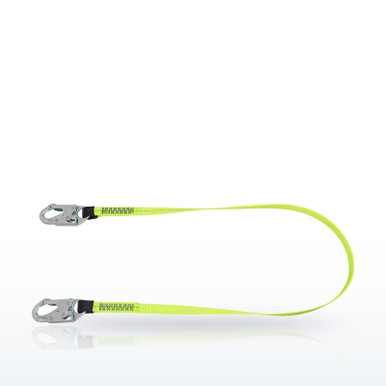
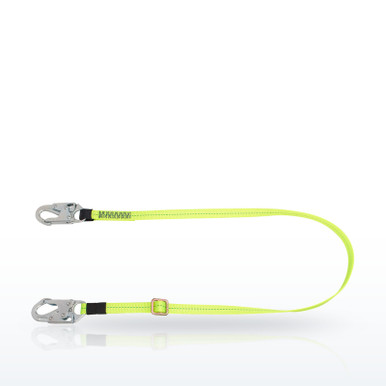
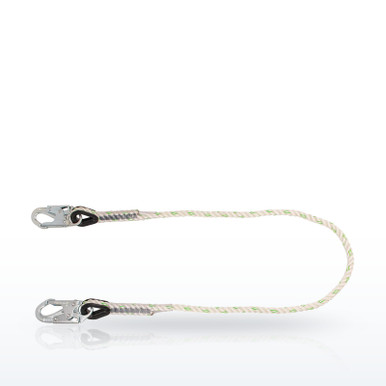
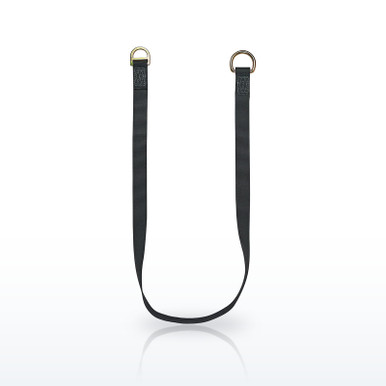
Personal fall arrest components built to 1926.502(d)
23 items · prices liveEach item is listed as its manufacturer publishes it, with the ANSI Z359 standard it meets on the product page; the OSHA strength requirements are the floor and Z359 adds to them. Free shipping on orders over $199.
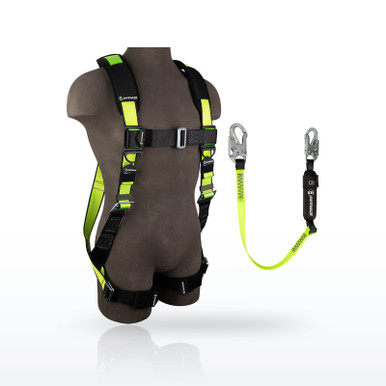
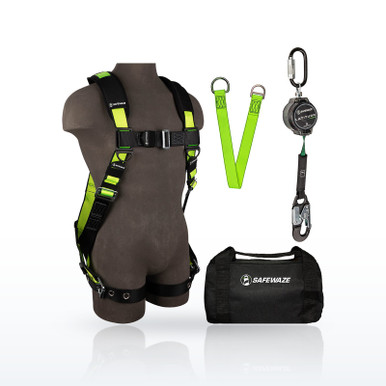
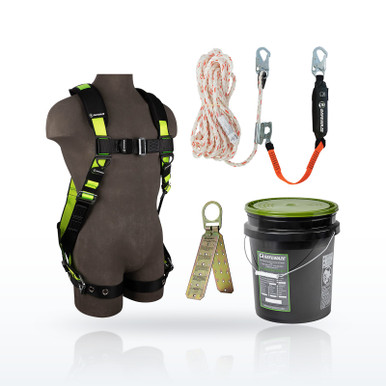
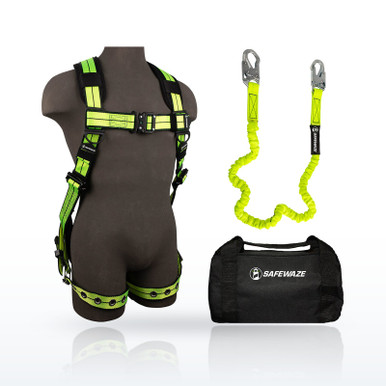
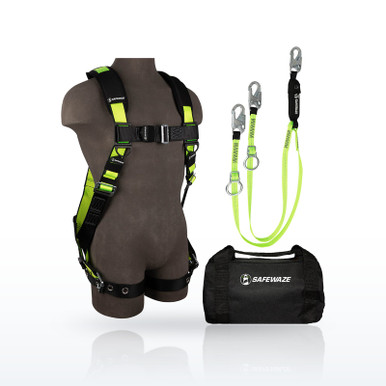
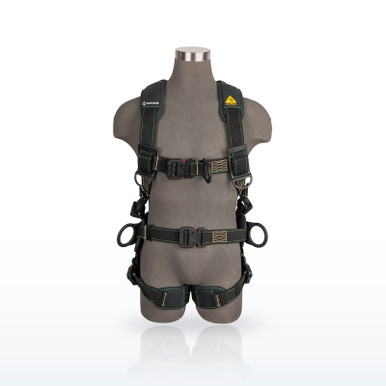
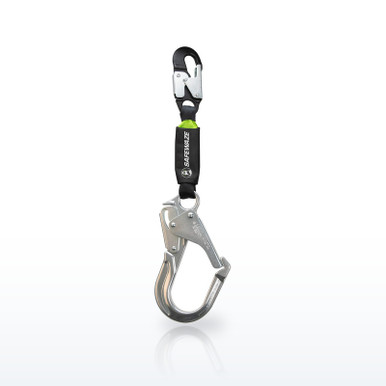
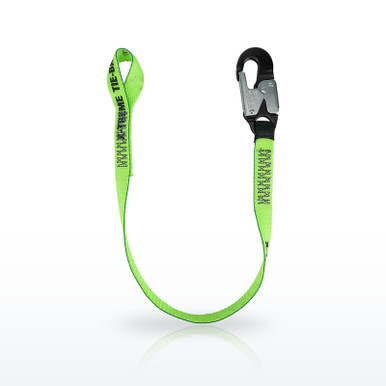
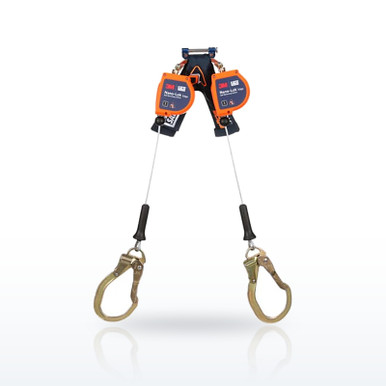
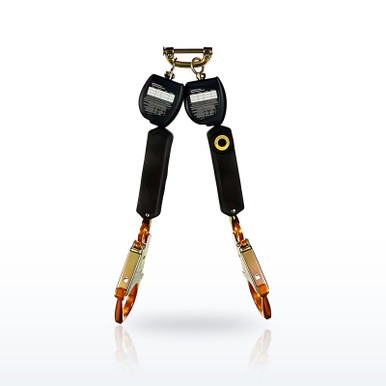
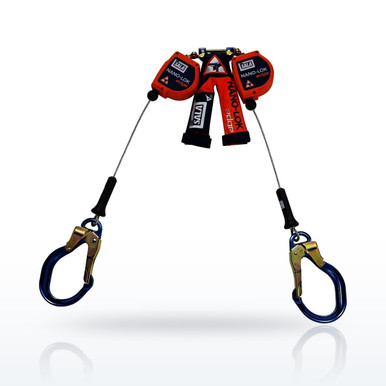
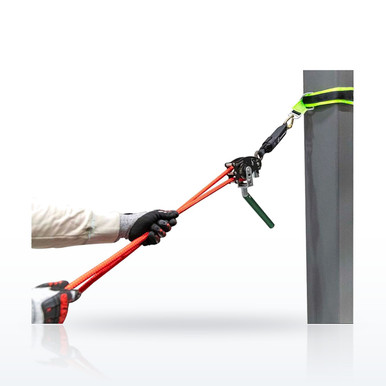
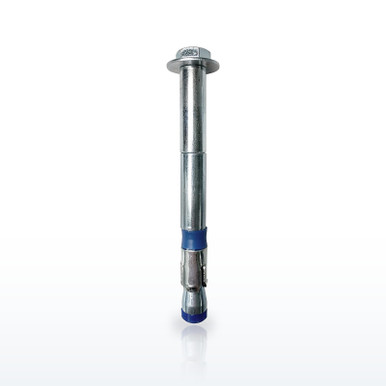
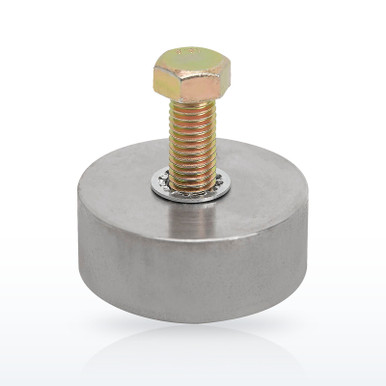
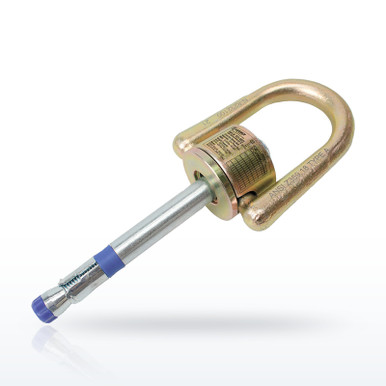
Every fall protection product we carry, filtered by type, standard and capacity, is on the fall protection finder.
Questions people ask
What is OSHA 1926 Subpart M?
The construction fall protection standard: 1926.500 (scope and definitions), 1926.501 (when protection is required), 1926.502 (what the systems must be) and 1926.503 (training).
What are the OSHA fall protection requirements in construction?
Fall protection at 6 feet for every listed situation, by guardrails, safety nets or a personal fall arrest system, with alternatives (warning lines, monitors, controlled access zones, covers, positioning, fall protection plans) allowed in specific cases; equipment built to 1926.502; training under 1926.503.
What is the most-cited OSHA fall protection violation?
1926.501(b)(13), residential construction, has been OSHA’s most-cited paragraph across all industries for more than a decade, followed by 1926.503 training and 1926.501(b)(1) unprotected edges.
What does 1926.502 say about harnesses?
Body belts are out; a full-body harness attaches at the back between the shoulders or above the head; arresting force is limited to 1,800 pounds, free fall to 6 feet, deceleration to 3.5 feet; connectors are 5,000-pound rated and locking; anchorages hold 5,000 pounds per worker. (1926.502(d).)
When can a fall protection plan be used instead of a harness?
Only for leading-edge work, precast erection and residential construction, and only with a written, site-specific plan by a qualified person showing why conventional systems are infeasible or more hazardous. (1926.502(k).)
Does Subpart M apply to scaffolds and ladders?
No. Scaffolds are under Subpart L (1926.451), ladders under Subpart X (1926.1053), steel erection under Subpart R (1926.760), cranes under Subpart CC, and aerial lifts under 1926.453; Subpart M covers everything else.
Who is a competent person for fall protection?
One who can identify existing and predictable fall hazards and has the authority to take prompt corrective action; the competent person does the training. A qualified person has a degree or extensive experience and designs the systems. (1926.32 and 1926.500(b).)
How high must a guardrail be?
42 inches, plus or minus 3, with a midrail at about 21 inches, strong enough to take 200 pounds on the top rail. (1926.502(b).)
Standards and ratings on this page are as published in the documents named and by the manufacturers named. The employer’s hazard assessment and written program decide what applies at a given workplace. Verify a rating on the product and its spec sheet before use.