
Hard hat inspection: what to check and how often
Inspect a hard hat before every use, and both halves of it: the shell and the suspension. On the shell look for dents, cracks, gouges, holes, burns, a chalky or dull surface, fading and brittleness. On the suspension look for cracked, cut or frayed straps, stretched or torn attachment keys, a headband that will not hold its setting, and a missing sweatband. Any one of those takes the hat out of service; so does any impact, whether or not it left a mark. The markings inside the shell have to be readable, and the manufacturer’s instructions govern the rest, which for most makers means a new suspension every 12 months and a new shell every 5 years. Stickers and paint are not banned, but they are allowed only where the maker allows them and only where they do not hide a defect.
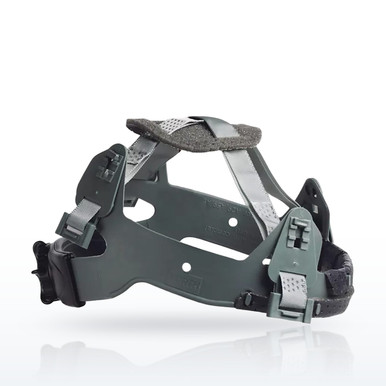
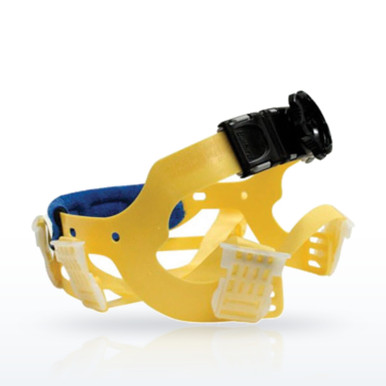
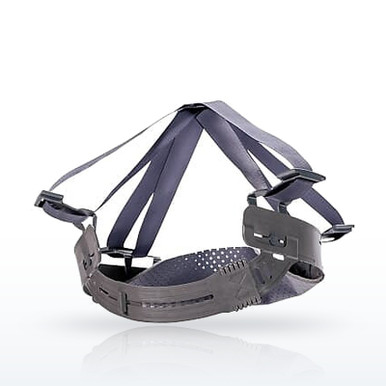 MSA V-Gard replacement suspensionThe part that wears out first; most makers replace it yearly
Why inspect a hat that looks fine? A hard hat works by keeping the shell an inch or so off the skull and letting the suspension stretch to absorb the blow. Both parts lose that ability without looking any different. Ultraviolet light breaks down the plastic from the surface in, so a sun-faded shell cracks where a new one would flex. Straps stretch a little with each day of wear and stop returning to length. A hit from a dropped tool can craze the inside of the shell where nobody looks. The inspection exists because the test the hat passed when it was molded says nothing about the hat it has become, and a minute with it in your hands is the only check anyone will ever make.
What do you check on a hard hat?
The Z89.1 appendix and the manufacturers’ instructions, in pieces. Any one of these fails the hat.
How often should a hard hat be inspected?
Before each use, by the person wearing it. That is the interval in the Z89.1 appendix and in the makers’ instructions; MSA and 3M both say before and after each use. It takes under a minute: turn the hat over, look at the inside of the shell and the straps, flex the shell, check the headband holds, put it on and check that it sits where it should. Nothing in the standard calls for a logged monthly inspection, but a program that puts one on a checklist will catch the hats whose owners stopped looking.
ANSI/ISEA Z89.1-2009 Appendix A5; MSA V-Gard user instructions; 3M H-700/H-800 user instructions (inspect before and after each use).The employer’s duty sits above the wearer’s look-over. OSHA requires that protective equipment, head protection included, be maintained in a sanitary and reliable condition, and the head protection standard requires that the hat worn meets one of the listed Z89.1 editions. A hat that no longer meets the standard because it is cracked or past the maker’s service life is not reliable, and the employer is the one cited. Inspection is how the employer knows.
29 CFR 1910.132(a) (maintained in a sanitary and reliable condition); 29 CFR 1910.135(b)(1) (compliance with ANSI Z89.1-2009, -2003 or -1997); 29 CFR 1926.95(a) and 1926.100(b)(1) for construction.How often is a hard hat replaced if it passes inspection?
Z89.1 does not set a service life in years; it requires the maker to supply useful service-life guidelines with the hat, and the 2014 edition says outright that a life in years is not required. What the makers supply is close to uniform: replace the suspension after no more than 12 months and the whole helmet after no more than 5 years, sooner in heavy sun, heat or chemical exposure, and immediately after any impact. The clock on most makers’ guidance starts when the hat goes into service, which is why a date of first issue written inside the shell is worth more than the molded manufacture date alone.
ANSI/ISEA Z89.1-2009 §6.1 (manufacturer’s instructions must include useful service life guidelines); ANSI/ISEA Z89.1-2014 (a specific service life in years is not required); MSA V-Gard user instructions (suspension 12 months, helmet 5 years, replace after impact); 3M H-700/H-800 user instructions (suspension at least every 12 months, shell within 5 years depending on environment, dispose after impact).Can you put stickers or paint on a hard hat?
Neither the OSHA head protection standard nor the general PPE standard bans stickers or paint. OSHA said so in a 2009 letter of interpretation, and then set the conditions. Paint, thinner and solvents can attack the shell and reduce its protection. Paint and stickers can hide the dents, cracks and penetrations that inspection is supposed to catch, and on a Class G or E hat they can change its electrical resistance. So the alteration has to be done in accordance with the manufacturer’s instructions, or the employer has to be able to show the altered hat is as protective as one meeting Z89.1; and the paint or stickers must not reduce the ability to spot defects. OSHA gave see-through stickers as an example of what passes that second test.
OSHA standard interpretation, October 27, 2009 (adhesive stickers and paint on protective helmets), citing 29 CFR 1910.132(a) and 1910.135 and the ANSI Z89.1 appendices.The standard’s own appendix is where the solvent warning comes from: some paints and thinners attack and damage the shell, so the maker should be consulted before painting. On Class G and E hats, identification markers must be attached without holes and without metal parts, and metallic markers, which include some reflective tapes and foil labels, go on only with the maker’s authorization. Decorations must never cover dents, cracks, holes, burns or other damage.
ANSI/ISEA Z89.1-2009 Appendix A4 (painting; consult the manufacturer), A7 (markers on Class G and E helmets: no holes, no metal; decorations must not obscure damage).The makers’ instructions are the deciding document, and they differ. MSA allows pressure-sensitive identification decals and hook-and-loop on its V-Gard shells as long as they are at least half an inch from the edge, and prohibits paint, solvents and hydrocarbon cleaners (MEK, thinner, gasoline, kerosene) outright. 3M prohibits paints, solvents, chemicals, adhesives and gasoline on its H-700 and H-800 shells. Read the sheet that came with the hat; if it says no, the answer on that hat is no, and the sticker goes on the lunch box.
MSA V-Gard user instructions (decals and hook-and-loop not closer than 1/2 inch from the edge; no paint, solvents or hydrocarbon cleaners); 3M H-700/H-800 user instructions (no paints, solvents, chemicals, adhesives or gasoline).How should a hard hat be cleaned and stored?
- Wash the shell and suspension in warm water with mild soap, rinse and air dry. No detergents, no solvents, no hydrocarbon cleaners; MSA and 3M both name these as damaging to the shell.
- Store it out of direct sun and away from heat. The Z89.1 appendix singles out the rear window shelf of a vehicle: sunlight and heat there degrade the shell, and in a crash the hat becomes a projectile.
- Keep nothing between the suspension and the shell. Gloves, ear plugs, cigarettes or a phone stored there transmit the force of an impact straight to the head.
- Do not drop, throw, sit on or use the hat as a bucket or a step. Abrasions, scrapes and nicks shorten its life, and on an electrically rated hat they matter more.
- Do not alter the hat: no drilling, gluing or cutting the shell to fit an accessory unless the maker’s instructions say to.
Hard hats and replacement suspensions
31 items · prices liveType and electrical Class are as published by the manufacturer for each model and shown next to each hat. Replacement suspensions fit only the models the maker names on the product page; a suspension from another maker voids the hat’s rating. Free shipping on orders over $199.
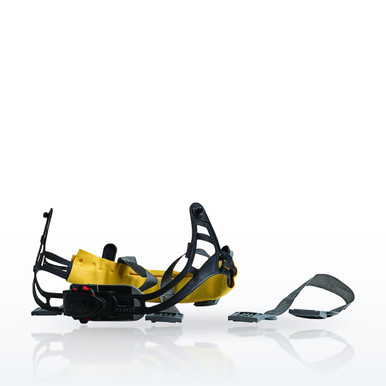
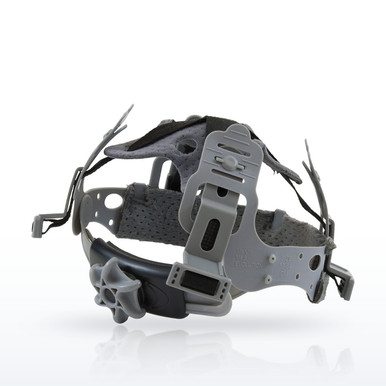
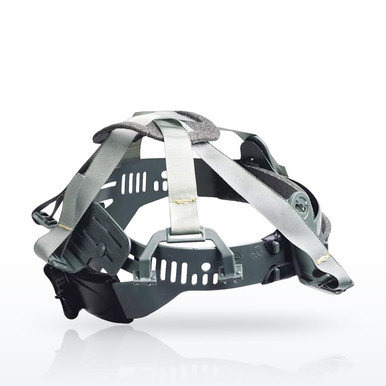
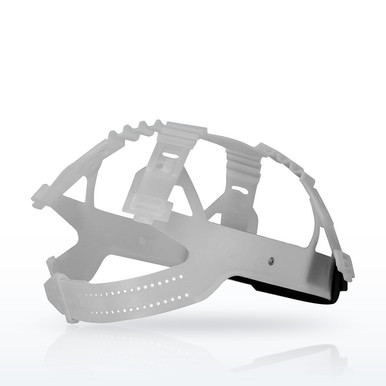
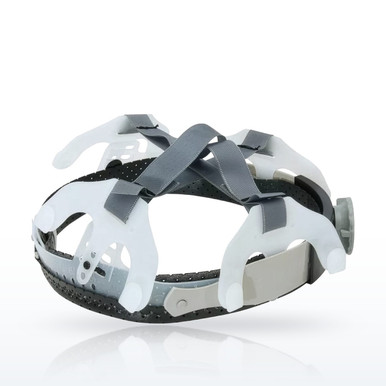
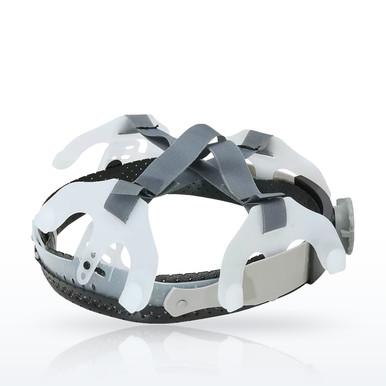
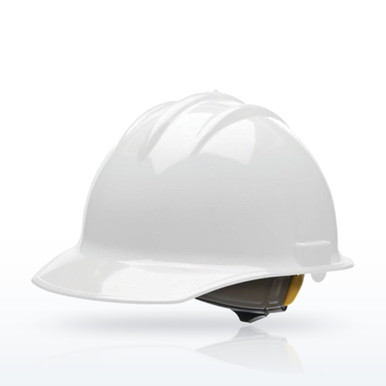
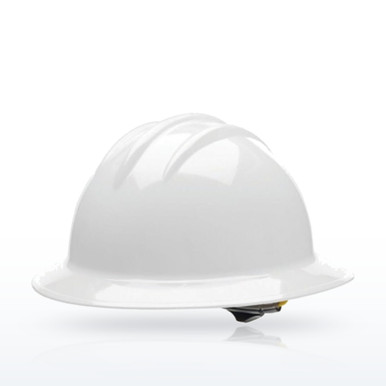
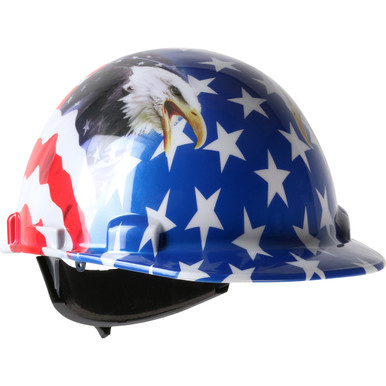
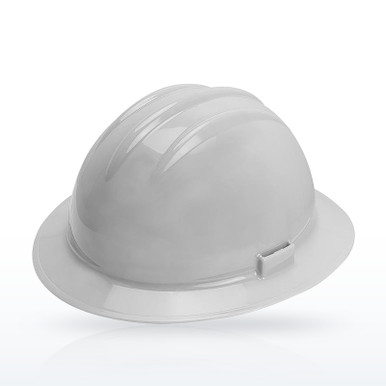
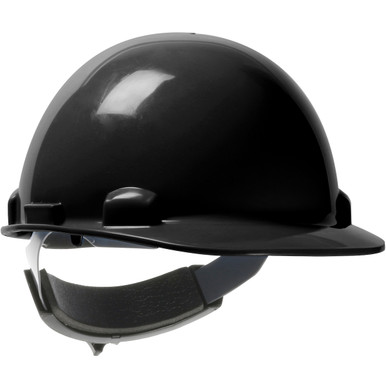
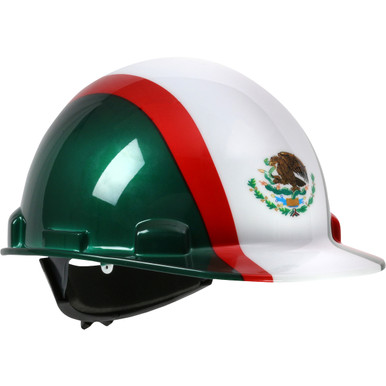
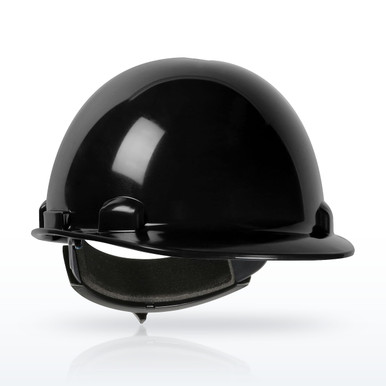

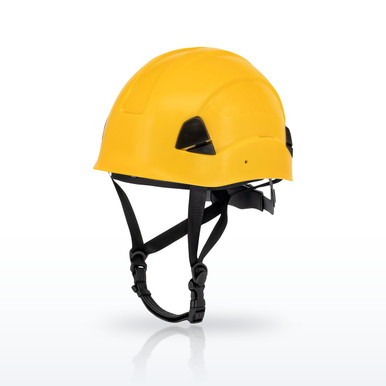
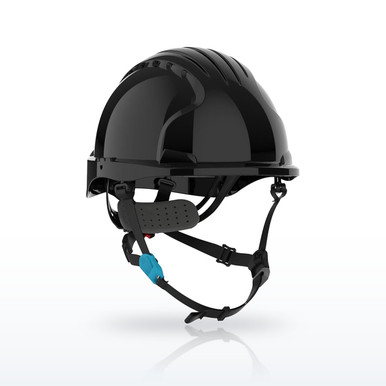
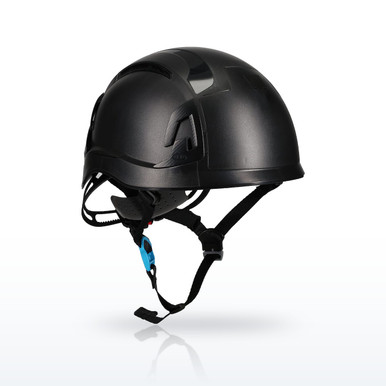
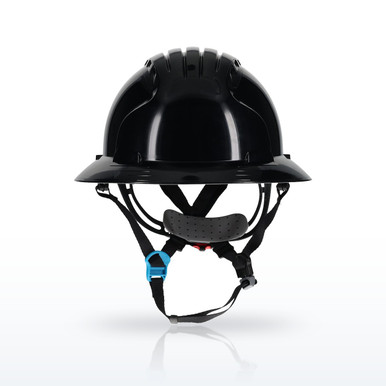
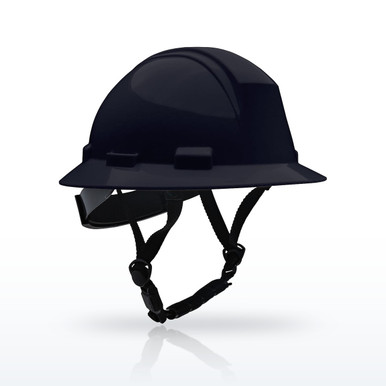
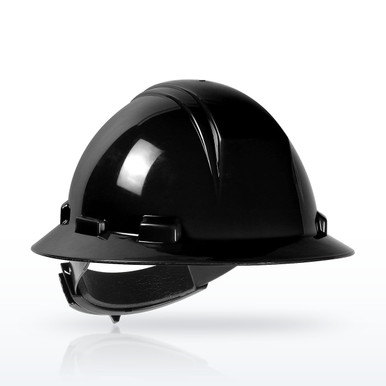
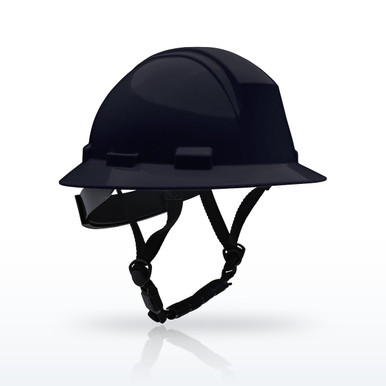
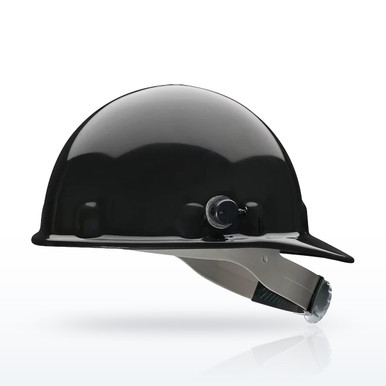
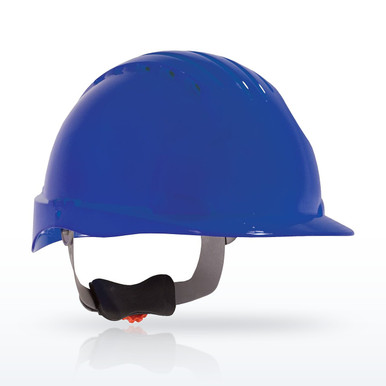
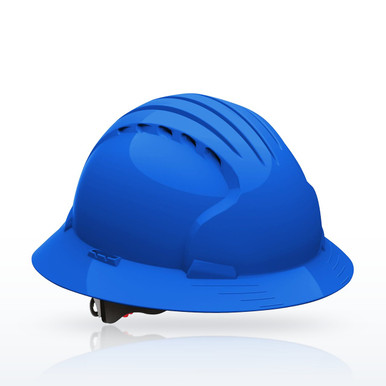
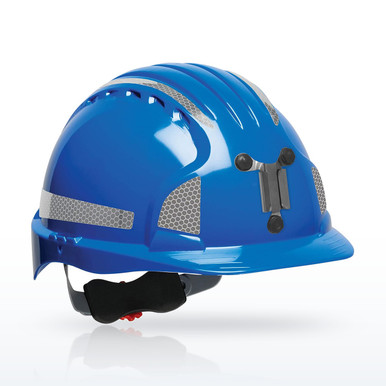
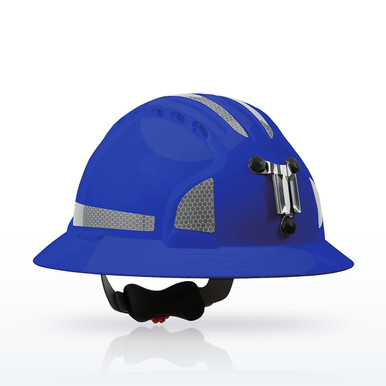
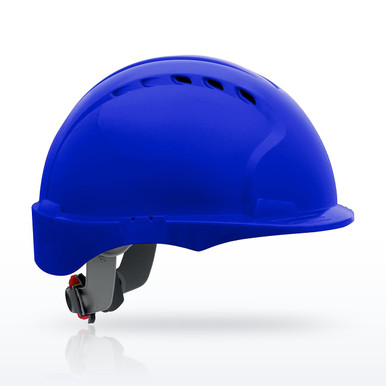
Sweatbands, brow pads and chin straps are on each model’s product page and in the hard hat finder.
Questions people ask
How often should hard hats be inspected?
Before each use, shell and suspension, by the wearer. Z89.1 Appendix A5 and the MSA and 3M instructions all say so; MSA and 3M add after each use.
What fails a hard hat inspection?
Any dent, crack, gouge, hole or burn in the shell; chalking, fading, crazing or brittleness; any cut, fray, stretch or broken key in the suspension; a headband that will not hold; unreadable markings; or any impact, visible or not.
Do I have to replace the whole hat after a hit?
Yes. The Z89.1 appendix and the makers say any helmet that has received an impact is removed from service, because the impact may have reduced the protection without leaving a mark.
How often should the suspension be replaced?
Most makers say after no more than 12 months of use, and sooner if inspection finds damage. MSA and 3M both state 12 months.
How long does a hard hat shell last?
Most makers say no more than 5 years from first use, less in heavy sun, heat or chemical exposure. Z89.1 leaves the figure to the maker and does not require one in years.
Can you put stickers on a hard hat?
Not banned by OSHA, but allowed only where the maker allows them and where they do not hide damage. MSA allows identification decals at least 1/2 inch from the edge; 3M prohibits adhesives on its H-700 and H-800. Check the sheet for your hat.
Can you paint a hard hat?
Only if the maker allows it, and most do not. Paints and thinners can attack the shell. MSA and 3M both prohibit paint on their hats, and OSHA’s 2009 letter says painting must follow the maker’s instructions.
Does OSHA require a written hard hat inspection log?
No. 1910.135 does not require a log. 1910.132(a) requires PPE to be kept in reliable condition, and inspection before use is how that is shown; a program may add a logged inspection on its own.
Standards and ratings on this page are as published in the documents named and by the manufacturers named. The employer’s hazard assessment and written program decide what applies at a given workplace. Verify a rating on the product and its spec sheet before use.