
Vented hard hats: what the ventilation does to the electrical class
Vent holes take the electrical rating away. Under ANSI/ISEA Z89.1 a hard hat earns Class G (tested at 2,200 volts) or Class E (tested at 20,000 volts) by passing an insulation test in which the shell is filled with water and submerged in water, so the shell itself is the only thing between the two. A shell with holes in it cannot hold the water and cannot be tested that way, so a vented hard hat is Class C: no electrical test, no electrical protection. Manufacturers that sell the same model in vented and non-vented versions mark the non-vented one Class G or E and the vented one Class C. If the job can bring the head near an exposed conductor, the hat has to be a non-vented Class G or Class E; the vented hat is for heat, not electricity.
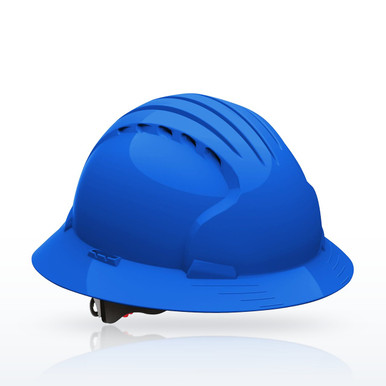 JSP Evolution 280-EV6161V vented full brim hard hatType I, Class C; the vents are why it is Class C
Why does a hole in the shell matter? A hard hat’s electrical rating is a rating of the shell as an insulator. The test puts water inside the shell and water outside it and runs the test voltage between the two, so that any path through the plastic shows up as leakage current. A vent slot is a path. Water goes straight through it and so would a conductor that touched the head through the opening. The standard does not try to measure a vented shell against a lower bar; it simply has no electrical test the shell can pass, and a shell that is not tested is Class C by definition. The trade-off is real on both sides: the slots move air across the scalp on a hot roof, and they remove the one property a lineman or an electrician is wearing the hat for.
What are the three electrical classes?
Every Z89.1 hard hat carries one of these, printed inside the shell with its Type.
How is the electrical class tested, and why does a vent fail it?
The test sample is held upside down and filled with fresh tap water up to the static test line, a line drawn around the shell at a set height above the brim. It is then lowered into a tank of the same water so the level outside matches the level inside. A voltmeter and a milliammeter are wired between the water inside and the water outside, and the test voltage is applied for the required time. The shell passes if the leakage current stays under the limit and nothing burns through. The only thing separating the two bodies of water is the shell material itself.
ANSI/ISEA Z89.1-2009 §9.7.4, §9.7.4.1 and §9.7.4.2 (electrical insulation test procedure); §7.1.4.1 and §7.1.4.2 (pass criteria).The standard allows for one kind of hole: the small holes in the crown where some suspensions clip in. If the shell has those, it is filled to half an inch below them instead of to the test line. It makes no allowance for any other opening. Vent slots sit on the sides and top of the shell, above the suspension holes, and the standard says plainly that no special provisions are made for holes above that plane. A vented shell cannot be filled, cannot be tested, and therefore cannot be marked Class G or E.
ANSI/ISEA Z89.1-2009 §9.7.4.1: filled to the STL, or to 12.7 mm (0.5 in.) below the suspension mounting holes; “No special provisions shall be made for any accessory mounting holes above the plane of the suspension mounting holes.”Manufacturers say the same thing in their user instructions. 3M’s instructions for its H-700 and H-800 hard hats state that the vented versions do not meet the Class G or Class E requirements and that the vented Class C hats provide no electrical protection; the non-vented versions of the same shells meet Class G and E. This is why a product family often lists the same shape twice, once vented at Class C and once non-vented at Class E.
3M H-700 and H-800 Series hard hat user instructions (vented models do not meet Class G or Class E). Class is as marked by each manufacturer on the shell and spec sheet.When does OSHA require an electrically rated hard hat?
General industry: the employer must ensure a protective helmet designed to reduce electrical shock hazard is worn by each affected employee when near exposed electrical conductors that could contact the head. Construction: head protection worn where there is exposure to high-voltage electric shock and burns must also meet the electrical insulation specifications in Section 9.7 of the Z89.1 edition it is built to. In both cases that means a hat that passed the water test, which a vented hat has not.
29 CFR 1910.135(a)(2); 29 CFR 1926.100(a) and (b)(2). Both sections accept ANSI Z89.1-2009, -2003 and -1997, and a newer edition the employer shows is at least as effective (1910.135(b)(2); 1926.100(b)(3)).Where the hazard assessment finds no exposed conductors, a Class C hat is a lawful choice, and venting is then a comfort decision. The assessment is the employer’s, in writing, and the hard hat class should match it. A crew that moves between jobs is simpler to equip with non-vented Class E hats than to keep two kinds straight.
29 CFR 1910.132(d) (hazard assessment and equipment selection); 29 CFR 1910.135(a)(1) and (a)(2).What else should you know about a vented hat?
- Vents do not change the impact Type. A vented Type II helmet still passes the side-impact tests; the holes are placed where the standard’s test lines allow.
- Vents let in water and dust as well as air. Some makers fit a cover or a removable plug; a plugged vent does not restore an electrical class, because the shell was never tested with it.
- Hi-vis, reverse-donning (the arrow mark), lower-temperature (LT) and high-visibility (HV) options are marked after the Type and Class and are separate from venting.
- A liner, a sweatband or a cooling pad worn in the hat does not affect the class either way; the class belongs to the shell.
Vented and non-vented hard hats by electrical class
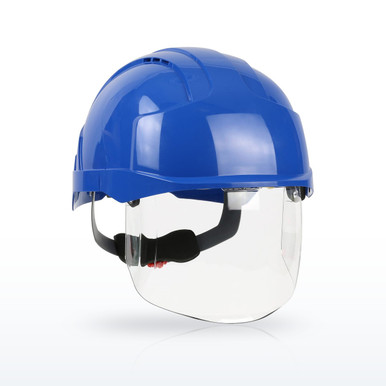
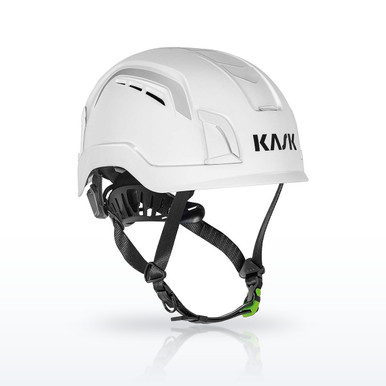
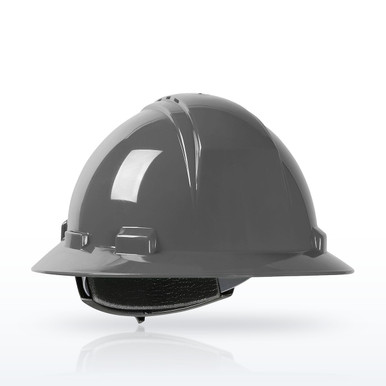
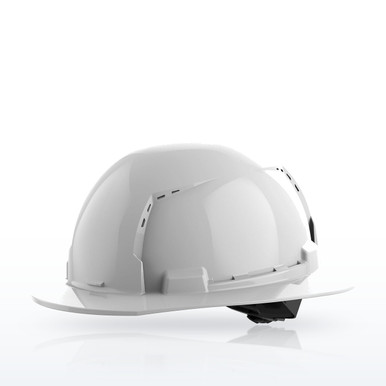
31 items · prices liveType, Class and vented or non-vented are as published by the manufacturer for each model. The class shown next to each item is the manufacturer’s own. Contractor Direct orders ship free.
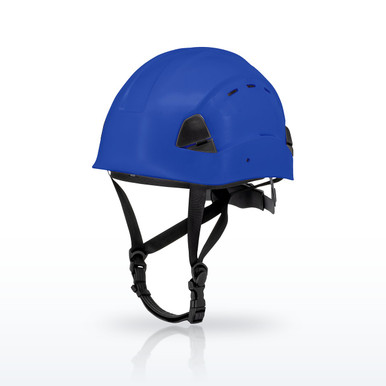
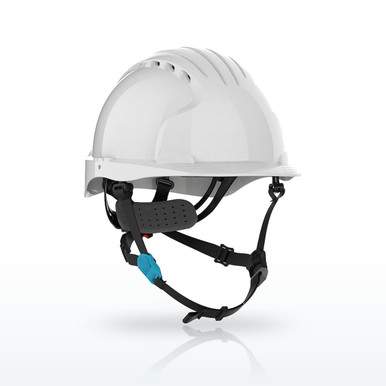
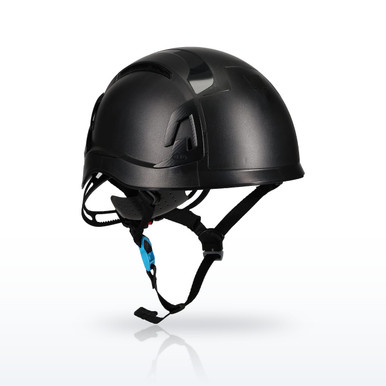
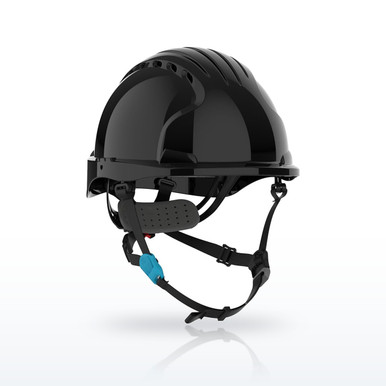
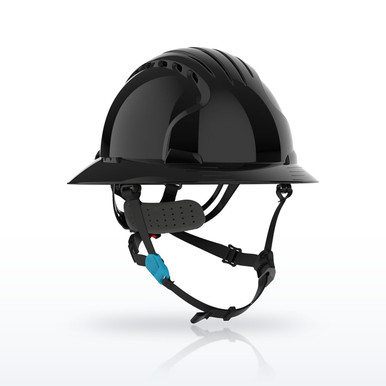
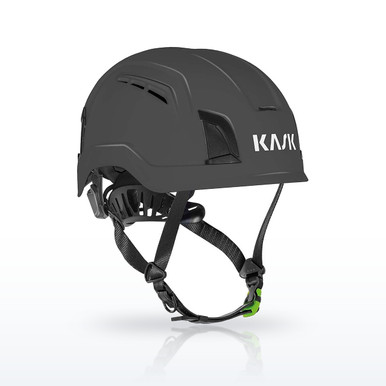
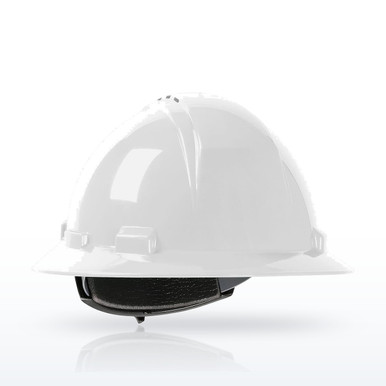
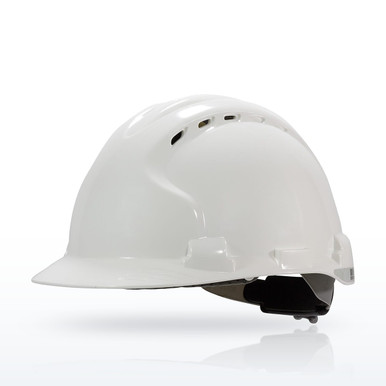
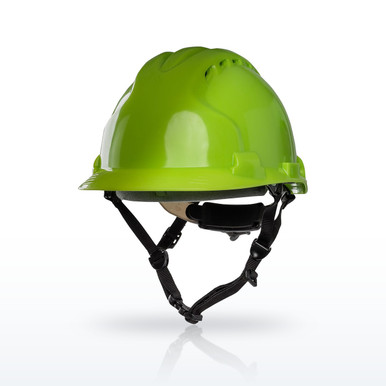
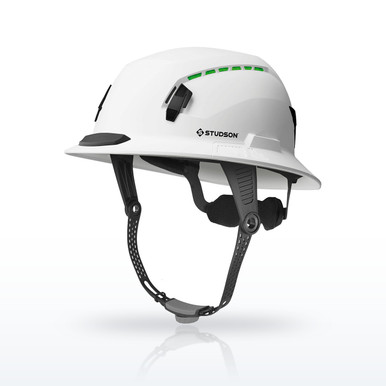
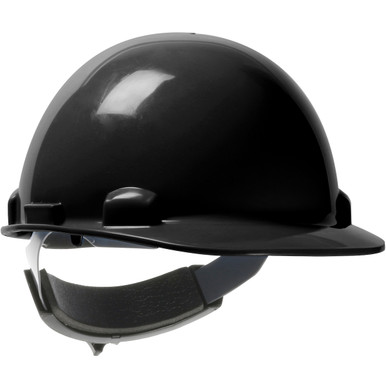
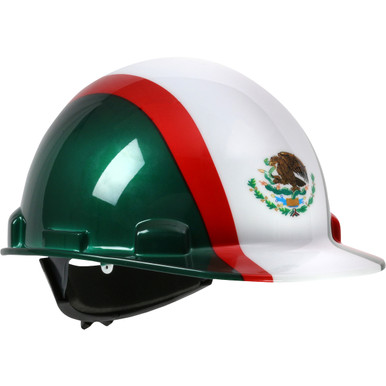

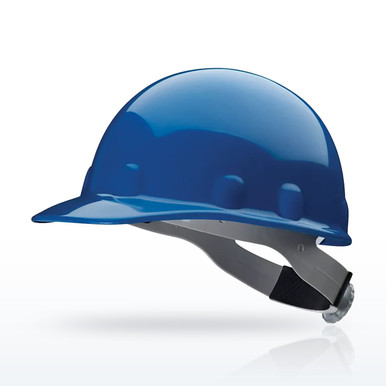
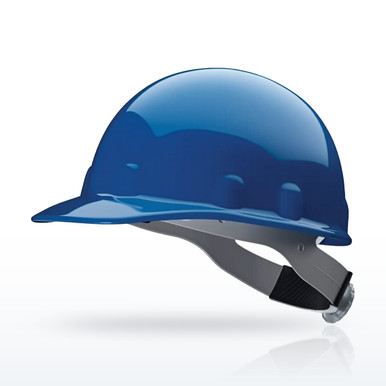
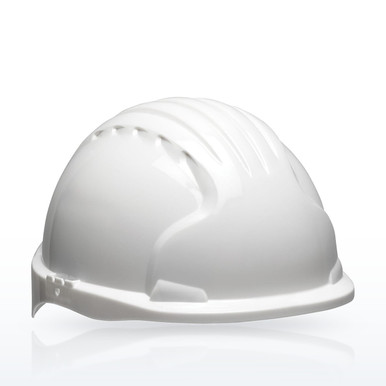
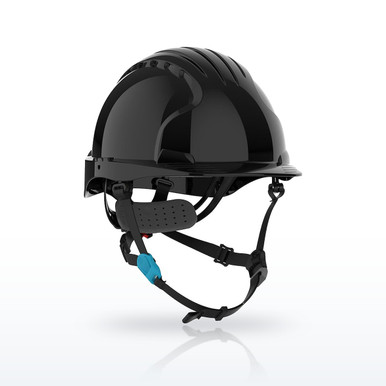
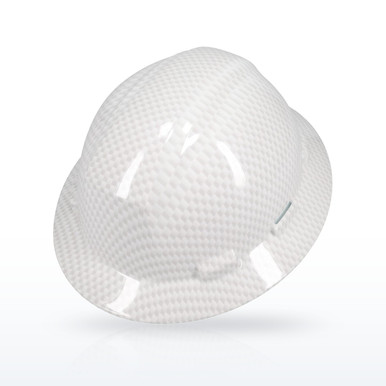
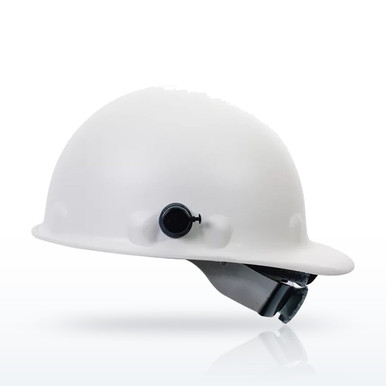
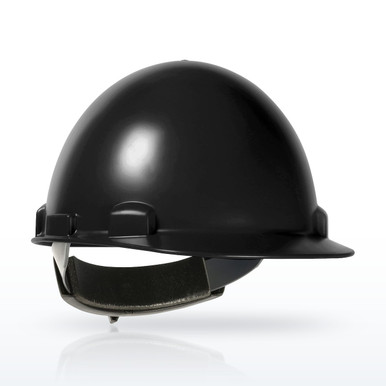
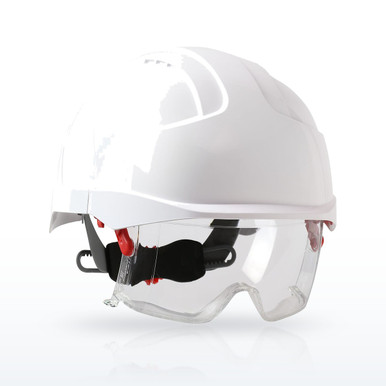
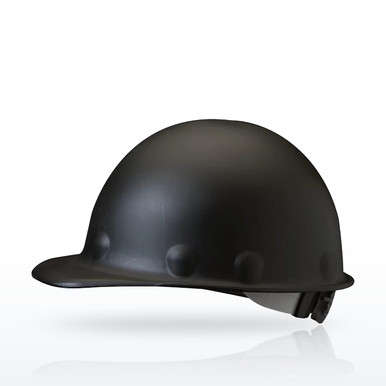
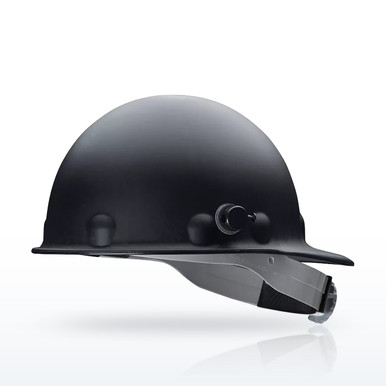
The full range, including Type II Class E helmets for side impact near conductors, is in the hard hat finder.
Questions people ask
Are vented hard hats Class C?
Yes. The Class G and Class E insulation test fills the shell with water and submerges it; a shell with vent holes cannot be tested that way, so it is not tested and is Class C.
Can a vented hard hat be Class E?
No. Class E requires passing the 20,000-volt water-immersion test in Z89.1 Section 9.7, which a vented shell cannot take. Non-vented versions of the same model can be Class E.
Can electricians wear vented hard hats?
Not where the head may come near an exposed conductor. OSHA 1910.135(a)(2) and 1926.100(b)(2) require a hat that meets the electrical insulation requirements there, and a vented hat does not.
Does closing or plugging the vents make it Class G or E?
No. The class is set by testing the shell as the manufacturer builds and marks it. A plug is not part of that test.
What does Class C stand for?
Conductive. Class C hats are not intended to protect against electrical contact and are not tested for insulation. Many are aluminum or vented plastic.
Is a vented hard hat still Type I or Type II?
Yes. Venting does not change the impact Type. A vented Type II helmet has passed the top and side impact tests; it has simply not been tested for electrical insulation.
Where is the class marked?
Inside the shell, in letters at least 1.5 mm high, with the manufacturer, the date of manufacture, the standard designation, the Type and Class, and the head size range.
Standards and ratings on this page are as published in the documents named and by the manufacturers named. The employer’s hazard assessment and written program decide what applies at a given workplace. Verify a rating on the product and its spec sheet before use.