
Hard hats for cold weather: winter liners and what they do to fit
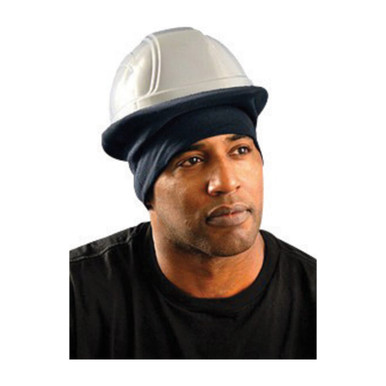
A winter liner made for a hard hat is allowed under it. OSHA’s position, in a 2006 letter, is that nothing in 1926.100 or the Z89.1 standard bans cold-weather headwear under a hard hat, that the standard itself names winter liners as an accessory, and that the safe course is to permit only liners designed to be compatible with the hat, because a bulky garment that was not can take away the clearance the suspension needs. The liner goes under the suspension, against the head; nothing goes between the suspension and the shell. A liner adds thickness, so the headband is let out until the hat sits level with the suspension seated and the shell clear of the liner, and taken back in when the liner comes off. Most liners made for hard hats have hook-and-loop tabs that fasten to the suspension straps so the liner and the hat move together. Hard hats themselves are impact-tested cold, at 0 °F, and a hat marked LT was tested at minus 22 °F.
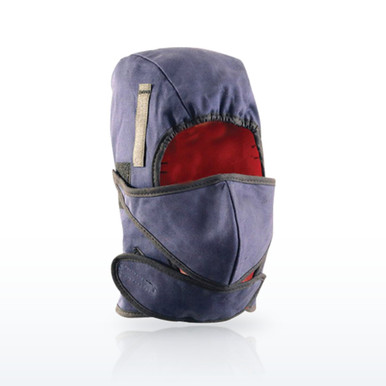
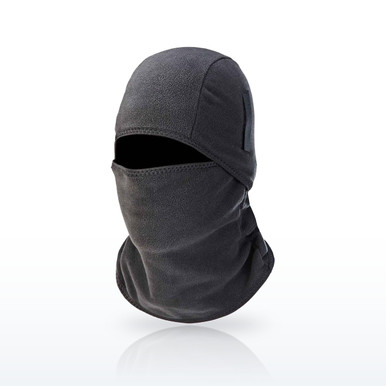
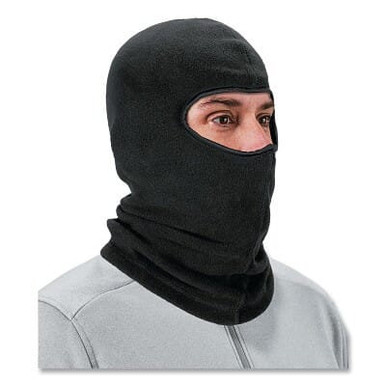
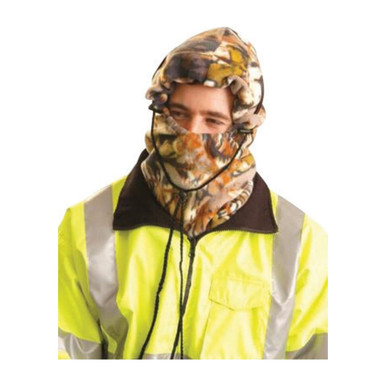
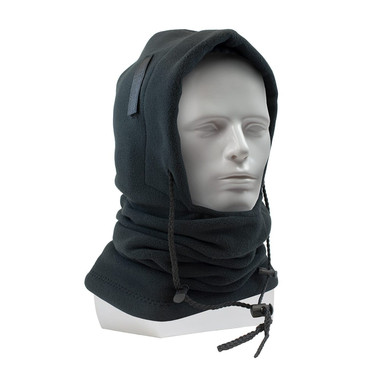
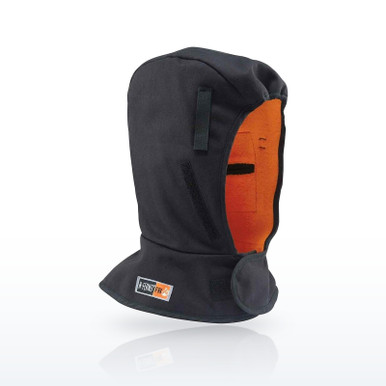
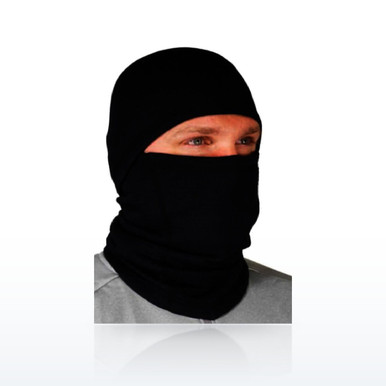
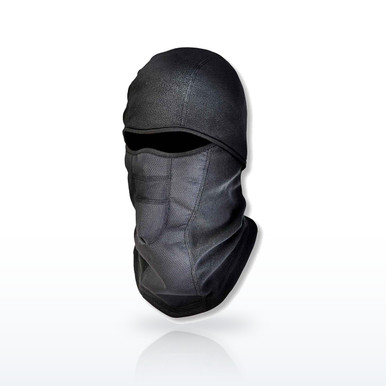 Ergodyne N-Ferno 6823 hinged windproof fleece balaclavaFits under a hard hat; the face panel hinges down
Why does a liner change how the hat protects? A hard hat works on clearance. The suspension holds the shell about an inch off the skull, and when something hits the shell the straps stretch into that gap and slow the blow before the shell can reach the head. Anything that fills the gap, or lifts the shell so the suspension is no longer seated, shortens the distance the straps have to work with. A thin knit cap under the suspension changes almost nothing. A hooded sweatshirt bunched under the headband, or a liner that pushes the hat up until it perches, changes a lot, and it also lets the hat come off in a fall or a gust. The rules below are all about keeping the suspension seated and the gap intact while keeping the ears warm.
What are the rules for wearing something under a hard hat?
From OSHA’s 2006 letter and the standard, in pieces.
What does a liner do to the fit, and what do you re-adjust?
A liner adds between a few millimeters and half an inch of material under the headband, depending on the layers. With the headband left at its bare-head setting the hat rides up, the crown straps no longer touch the top of the head, and the shell sits on the liner instead of floating above it. The fix is to put the liner on first, then the hat, and let the ratchet out until the headband is snug around the liner, the hat sits level, and the brim is where it was without the liner. The crown straps should bear on the top of the head through the liner, and the shell should still have its gap above. When the liner comes off at noon, the headband goes back in; a hat loosened for a liner and worn bare will slide.
ANSI/ISEA Z89.1-2009 Appendix A2 (fit per the manufacturer’s instructions) and §6.1 (instructions must cover size adjustment); 3M H-700/H-800 user instructions (adjust the suspension for a snug fit; do not overtighten); MSA V-Gard user instructions.Ratchet suspensions make this a two-second change and are the practical choice for crews that go in and out of liners all day. Pin-lock headbands can be re-set but it takes the hat off and both hands. If a hat is already at the largest headband setting bare, a thick liner will not fit under it; a thinner liner or a larger shell size is the answer, not a loose hat.
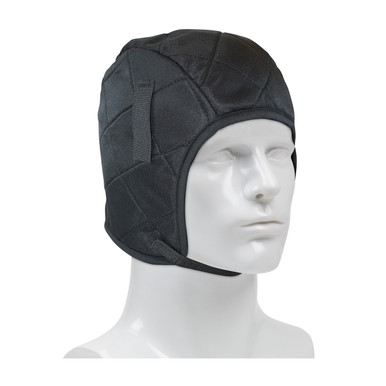
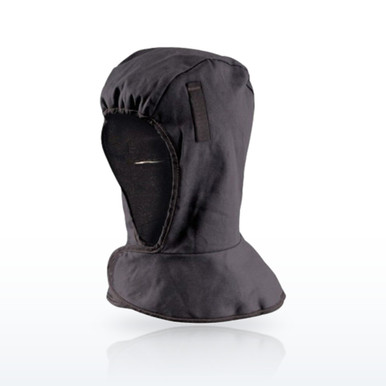
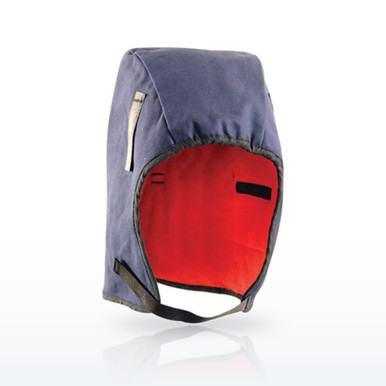
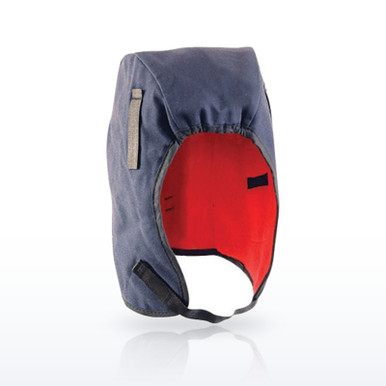
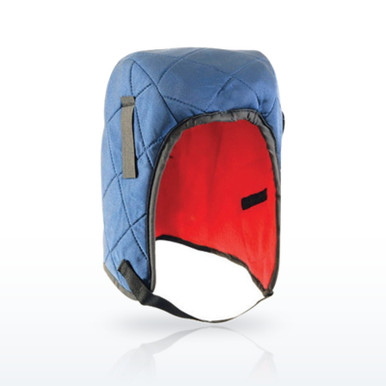
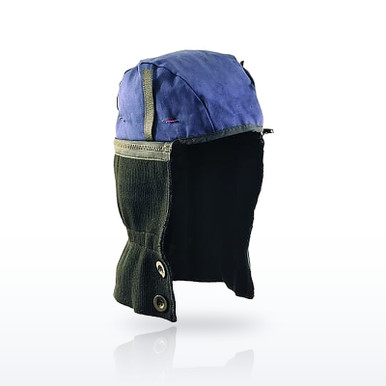
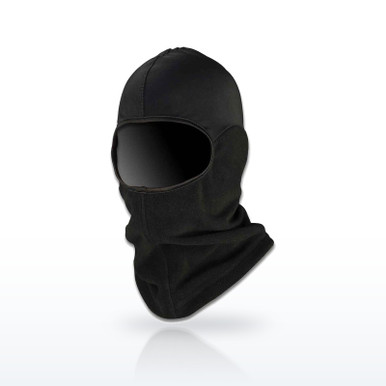
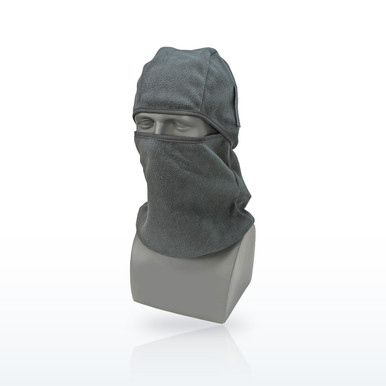
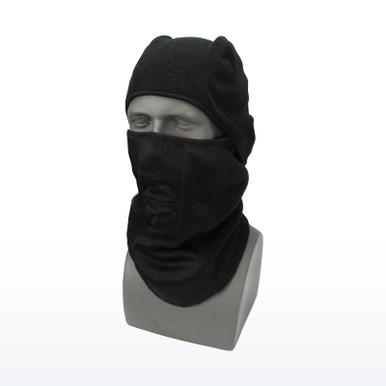
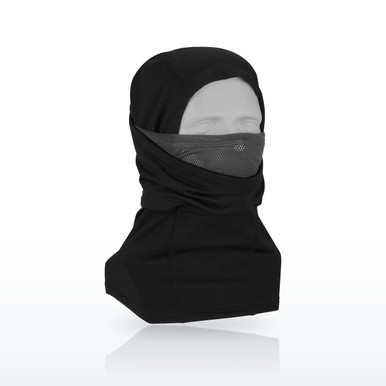
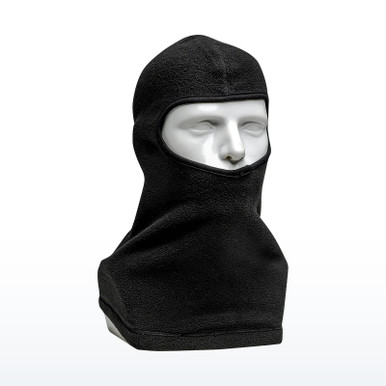
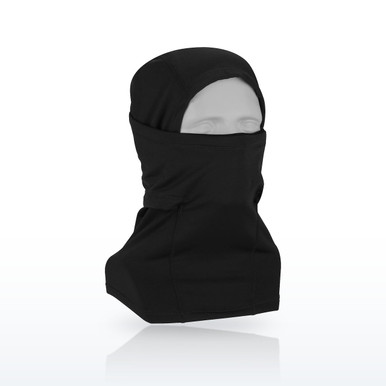
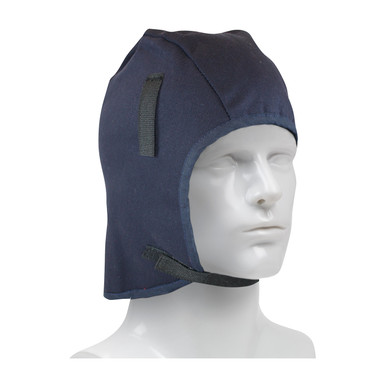
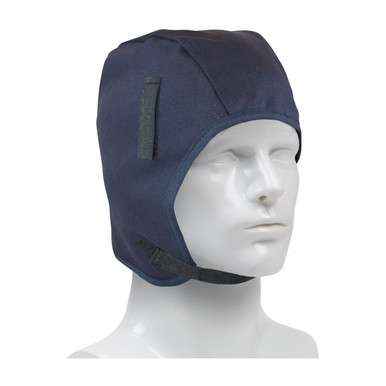
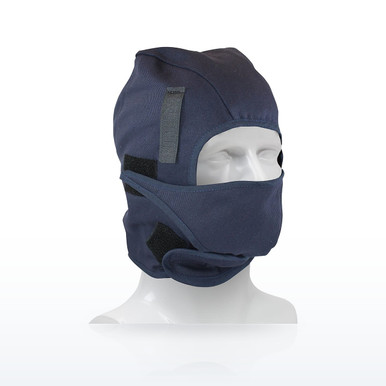
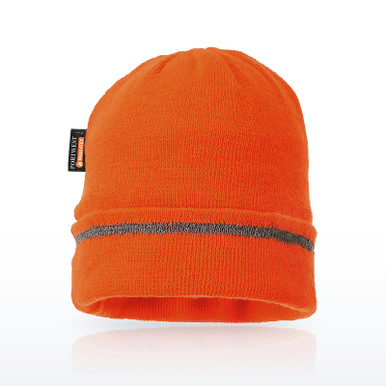
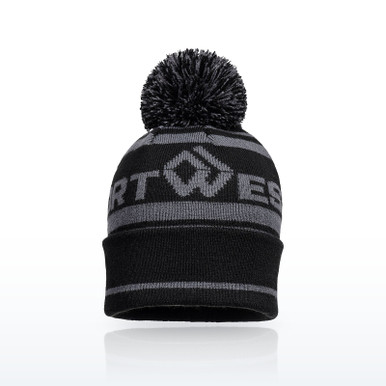
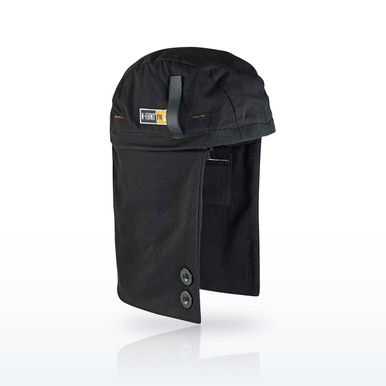
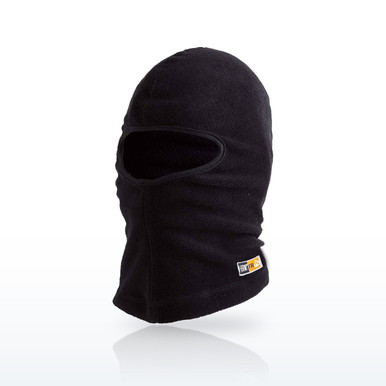
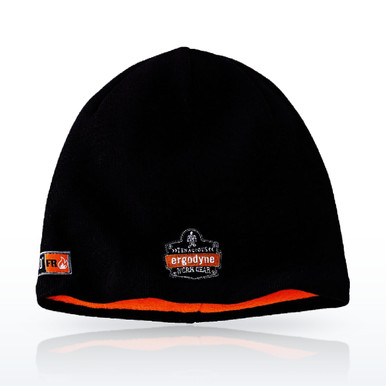
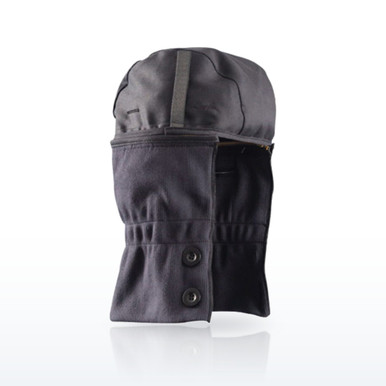
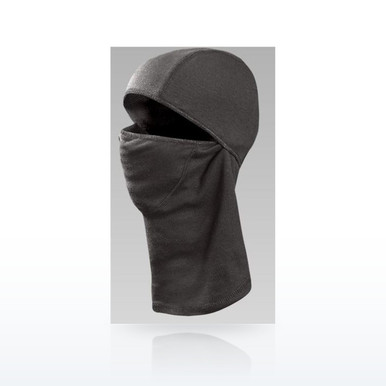
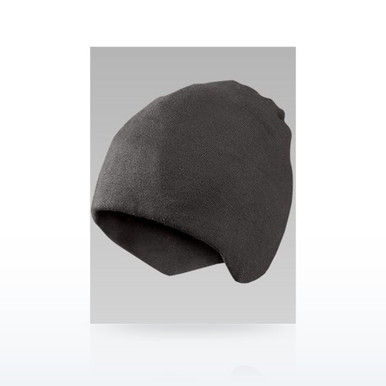
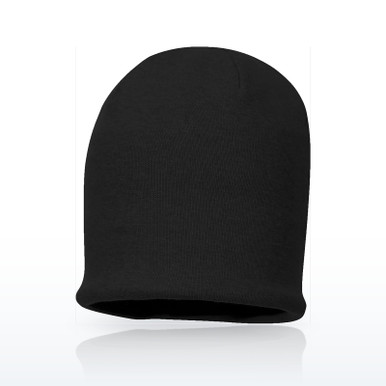
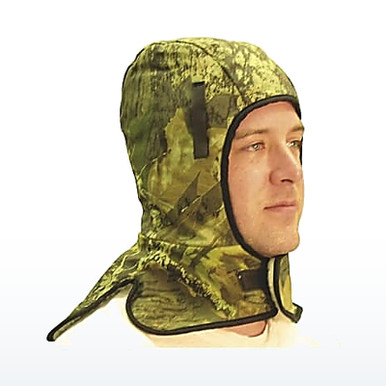
Manufacturer suspension and sizing data (ratchet and pin-lock adjustment ranges are on each model’s spec sheet); ANSI/ISEA Z89.1-2009 §6.2 (head size range marked in the shell).Liners built for hard hats carry tabs for this. Ergodyne’s N-Ferno liners, for example, have four hook-and-loop straps that fasten around the suspension straps, so the liner cannot slide back off the forehead and the hat cannot rotate on the liner. Shoulder-length liners cover the neck and tuck into a collar; a balaclava covers the face and often hinges down to clear a respirator or a face shield; a skull cap or beanie is the thin option when the liner only has to cover the ears.
Ergodyne N-Ferno 6840, 6952 and 6823 product data (fits under hard hats; four hook-and-loop straps attach to the suspension); PIP, OccuNomix and Radians winter liner product data (styles as named on each product page).Does the cold change the hard hat itself?
Hard hats are tested cold as well as hot. Before the impact and penetration tests, samples are conditioned for at least two hours at minus 18 °C (0 °F), and tested within 30 seconds of coming out. A hat built to Z89.1 has therefore passed its impact tests at 0 °F. The standard also has an optional lower-temperature conditioning, minus 30 °C (minus 22 °F) for at least four hours, and a hat that passes after that conditioning may be marked LT after its Type and Class. For a crew working through a northern winter or in a freezer, the LT mark is the thing to look for inside the shell.
ANSI/ISEA Z89.1-2009 §8.4.1.2 (cold conditioning, minus 18 °C ± 2 °C for at least two hours), §8.4.1.2.1 (optional lower temperature, minus 30 °C ± 2 °C for at least four hours), §8.4.2 (tested within 30 seconds), §6.2 (LT marking).Below the test temperature the plastic stiffens and a shell can crack on an impact it would have absorbed warm, which is why the standard’s appendix cautions that at temperature extremes beyond those tested the protection may be reduced. The same cold makes an aged or sun-chalked shell more brittle still, so winter is a good time to retire the faded ones.
ANSI/ISEA Z89.1-2009 Appendix A6 (limitation of protection at temperature extremes; UV degradation).What about hoodies, beanies and FR liners?
- A hooded sweatshirt hood under a hard hat is the case OSHA’s advice was written for: a garment not designed for the hat that bunches under the headband and lifts the shell. It is not banned, but the employer has to be able to show the hat still protects, and the simple way to do that is a liner made for the purpose with the hood down.
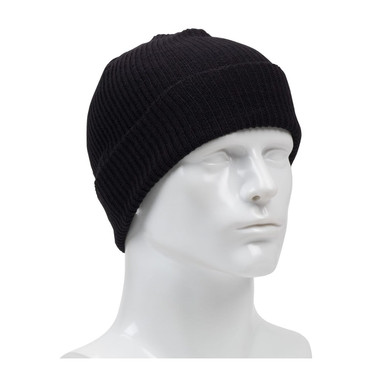
- A thin knit beanie or skull cap under the suspension is the least change to fit and is what many makers’ liners amount to. The headband still gets re-adjusted.
- Where the work is arc-rated or flame-resistant (utility, oil and gas, welding), the liner has to be FR too, because it is next to the face. FR liners are made of modacrylic, FR fleece or Nomex and carry the maker’s arc rating on the spec sheet; a polyester fleece liner under FR clothing melts.
- Liners with metal parts are a problem on Class G and E hats. The Z89.1 edition OSHA cited says there shall be no metal parts in winter liners for the electrical class, and the current standard’s accessory caution runs the same way; liners for hard hats use hook-and-loop, not snaps.
- Wash the liner, not the hat. Liners are fabric and launder; a sweat-soaked liner left in the hat overnight is a cold, wet hat in the morning.
Winter liners for hard hats
42 items · prices liveStyle, layers and FR rating are as published by the manufacturer on each product page; the style shown next to each item is the maker’s own description. Liners fasten to the suspension where the maker says so. Free shipping on orders over $199.
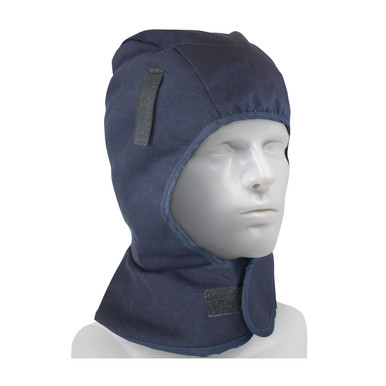
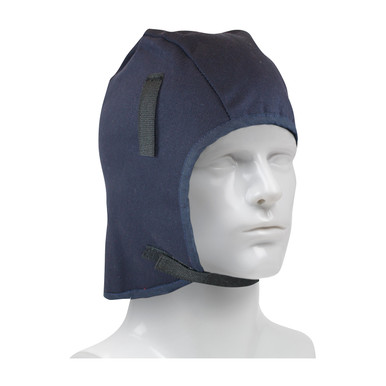
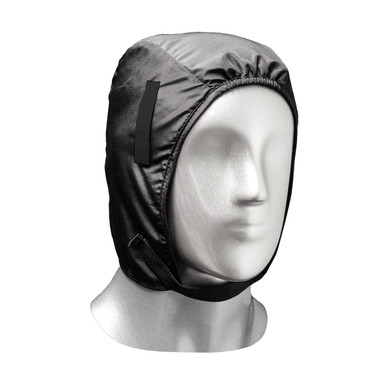
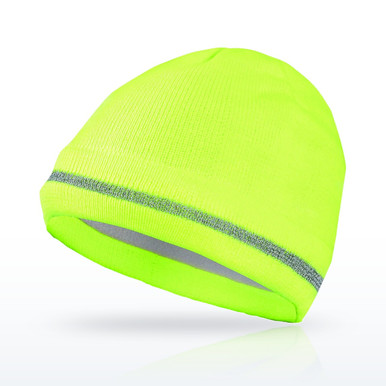
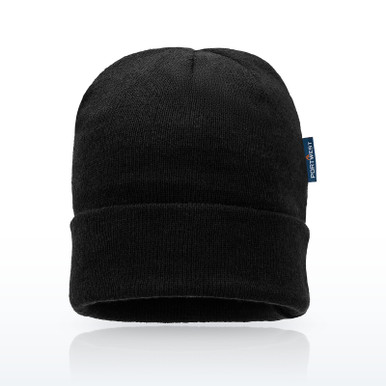
Hard hats with ratchet suspensions, and LT-marked models where the maker states the mark, are in the hard hat finder.
Questions people ask
Can you wear a winter liner under a hard hat?
Yes. OSHA’s 2006 letter says nothing in 1926.100 or Z89.1 prohibits it, that the standard names winter liners as an accessory, and that employers should permit liners designed to be compatible with the hat.
Can you wear a hoodie under a hard hat?
It is not banned, but a hood is not designed for the hat and can lift the shell and fill the suspension gap. OSHA advised allowing only liners made to be compatible; the employer has to be able to show the hat still protects.
Does a liner go over or under the suspension?
Under, on the head. The space between the suspension and the shell must stay empty; MSA and 3M both say never to store anything there.
Do I need to re-adjust my hard hat for a liner?
Yes. Let the headband out until it is snug over the liner and the hat sits level with the crown straps bearing on the head, and take it back in when the liner comes off.
Does cold weather weaken a hard hat?
Every Z89.1 hard hat is impact-tested after two hours at 0 °F. Below that the standard says protection may be reduced; a hat marked LT was tested after four hours at minus 22 °F.
What does LT mean on a hard hat?
Lower temperature. The hat passed its impact and penetration tests after conditioning at minus 30 °C (minus 22 °F) instead of the standard minus 18 °C (0 °F). It is marked after the Type and Class.
Do I need an FR winter liner?
If the work calls for arc-rated or flame-resistant clothing, yes; the liner is next to the face and a polyester fleece melts. FR liners list the maker’s arc rating on the spec sheet.
Can a liner have snaps or metal parts on a Class E hard hat?
Keep metal out of it. The Z89 edition OSHA cited says no metal parts in winter liners for the electrical class, and the current standard says no metal parts in markers on Class G and E hats. Liners for hard hats use hook-and-loop.
Standards and ratings on this page are as published in the documents named and by the manufacturers named. The employer’s hazard assessment and written program decide what applies at a given workplace. Verify a rating on the product and its spec sheet before use.