
How often must a harness be inspected, and what to look for
Two inspections. The first is yours, before every use: look over the webbing, stitching, buckles, D-rings, label and load indicator, and do not wear a harness that fails. OSHA requires that check in construction and general industry. The second is a formal inspection by a competent person other than the user, recorded, at the interval the manufacturer sets; the ANSI Z359.2 managed fall protection program standard and the major manufacturers put that at no more than one year, and harsher use shortens it. Separately, any harness that has arrested a fall comes out of service at once and stays out until a competent person clears it; most manufacturers say to destroy it. OSHA sets no expiration date for a harness; condition decides, by inspection.
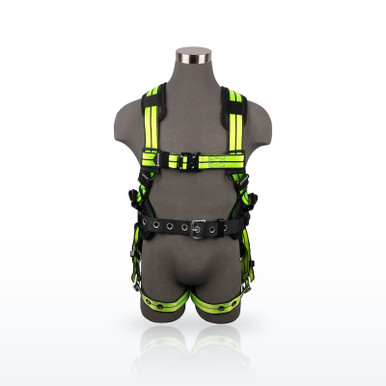
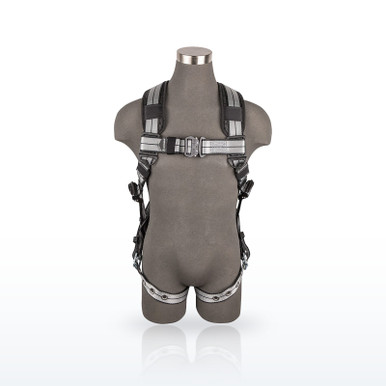
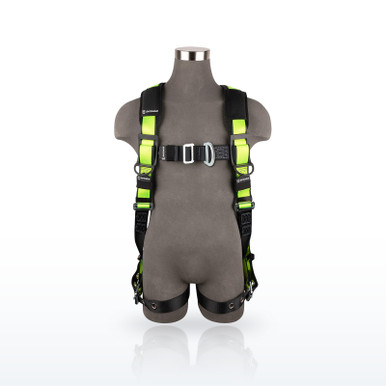 Safewaze PRO full body harnessANSI Z359.11, dorsal D-ring, with a visual load indicator
Why two inspections? Webbing does not announce when it is done. A cut from a grinder, a chemical splash, a summer of UV on a truck dash or a fall that someone did not report all leave the harness looking roughly the same from across the yard. The pre-use check catches the obvious: today’s damage, a missing keeper, a deployed indicator. The competent-person inspection is slower and recorded, so wear is tracked over time, the harness has a paper trail, and the decision to retire it is made by someone who is not in a hurry to get on the roof. OSHA writes only the first into the rule; the second is how the manufacturers and ANSI say a program meets the duty to keep defective equipment out of service.
What do the rules say?
OSHA, then ANSI and the manufacturers.
What do you look for?
- Webbing. Run every strap through your hands, bending it into a U a few inches at a time so cuts and broken fibers open up. Look for cuts, frays, broken or pulled fibers, burns, melted or glazed spots, heavy abrasion, discoloration from chemicals, stiffness, mold or mildew, and paint or tape covering the webbing.
- Stitching. Check every sewn joint, especially around the D-ring and the buckles, for pulled, cut, broken or missing stitches. A loose thread is a warning; a missing row is a fail.
- Hardware. Buckles, adjusters, D-rings and grommets must not be damaged, broken, distorted or corroded, and must have no sharp edges, burrs, cracks or worn parts. Work each buckle and adjuster: it must open, close and lock, and the tongue or pin must not be bent.
- Load indicator. Z359.11 harnesses have a visual indicator, usually a fold of stitched webbing at the D-ring, that rips open in a fall. If it has deployed, the harness arrested a fall and comes out of service; most manufacturers say to destroy it.
- Labels. All labels present and legible: model, size, standard, date of manufacture and the inspection record. A harness with no legible label cannot be identified or inspected to its instructions and is removed from service.
- Fit components. Keepers, pads and the sub-pelvic strap present and intact. A missing keeper is not a fall hazard by itself, but it is a sign the harness has been handled roughly and is worth a closer look.
- Decide and record. Pass: back in service. Any defect: tag it, remove it from service and keep it from going back out by mistake. For the periodic inspection, record the date, the inspector and the result; many crews punch a grommet card or tag on the harness.
The same list applies to the lanyard or SRL on the other end. An SRL adds a function test: pull the line out sharply to confirm it locks, let it retract fully and watch for hesitation, and check the line for kinks, cuts or broken wires.
What takes a harness out of service?
- It arrested a fall, or the load indicator has deployed. Out immediately; most manufacturers say destroy it.
- Any cut, burn, chemical damage or broken fibers in the webbing. Webbing cannot be repaired.
- Pulled, cut or missing stitching anywhere.
- Cracked, bent, corroded or non-functioning hardware.
- A missing or illegible label, or a missing inspection record where the program requires one.
- Exposure the instructions list as disqualifying: certain chemicals, excessive heat, arc flash on a harness not rated for it.
- Doubt. The construction rule removes defective components; the manufacturers say when in doubt, remove it. A $150 harness is the cheapest thing on the site.
How long does a harness last?
There is no OSHA or ANSI expiration date. Some manufacturers give a guideline service life in their instructions and some do not; all of them say the inspection governs, and a harness that fails inspection is retired regardless of age. A harness worn daily on a steel job may be done in two seasons; one kept in a bag for emergencies may pass inspection for years. Storage matters as much as use: out of sunlight, dry, away from chemicals and sharp tools, and never on the dash of a truck. The date of manufacture on the label is the start of the record, not the end of it.
ANSI/ASSP Z359.11-2021 and 29 CFR 1926.502(d), which set no service life; manufacturer user instructions for the harnesses listed below on service life, storage and cleaning.Full-body harnesses built to ANSI Z359.11
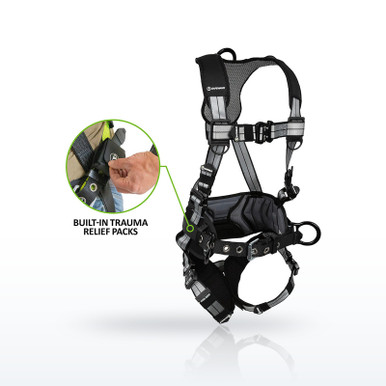
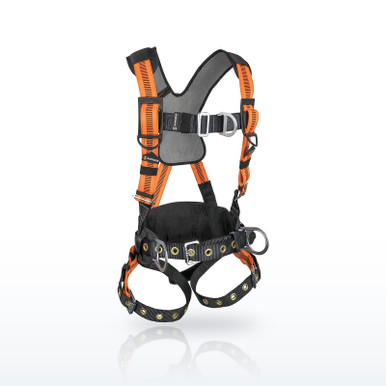
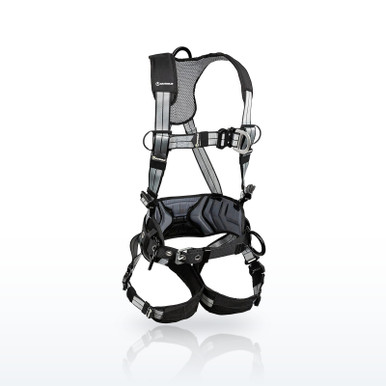
20 items · prices liveEach harness is listed by its manufacturer as meeting ANSI/ASSP Z359.11, which requires a visual load indicator and an inspection record on the label pack. The inspection instructions for each model are on the product page and in the manual. Contractor Direct orders ship free.
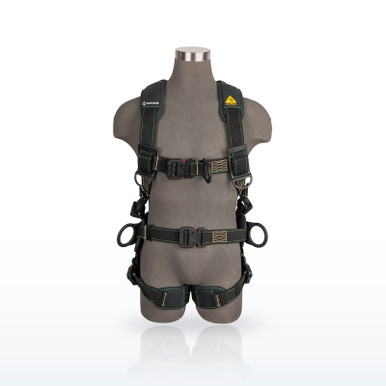
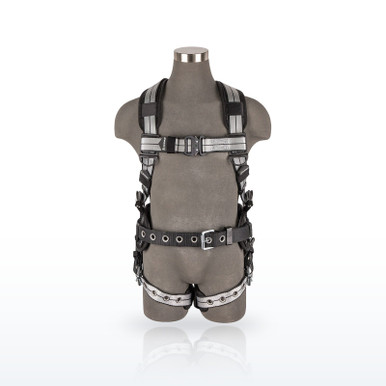
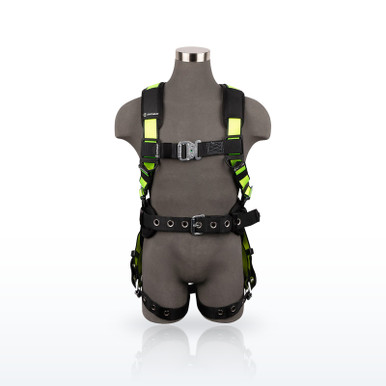
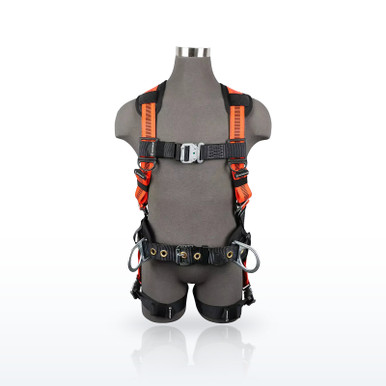
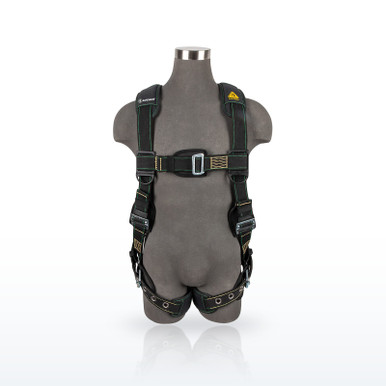
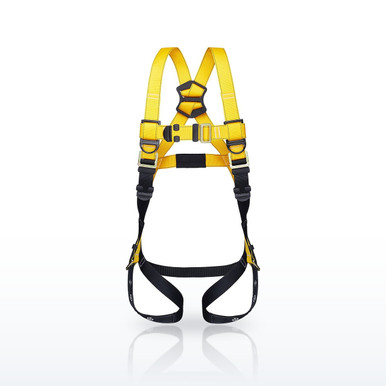
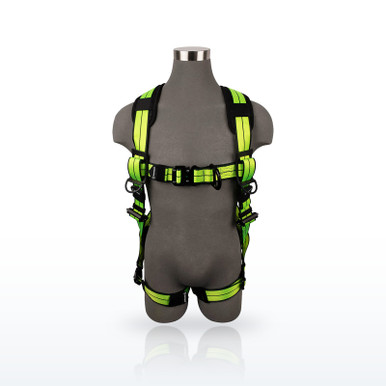
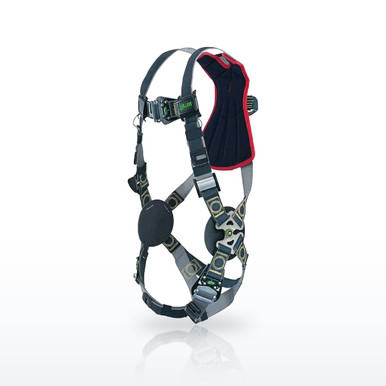
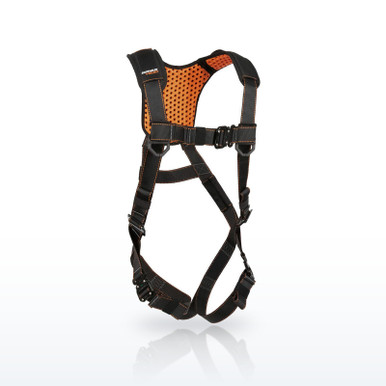
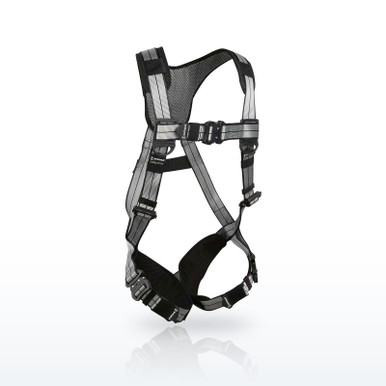
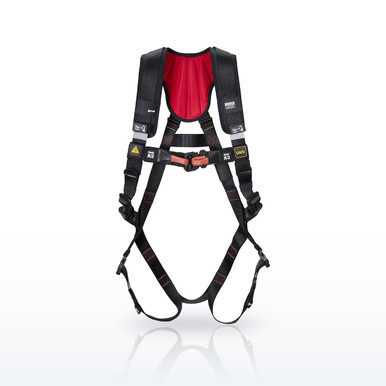
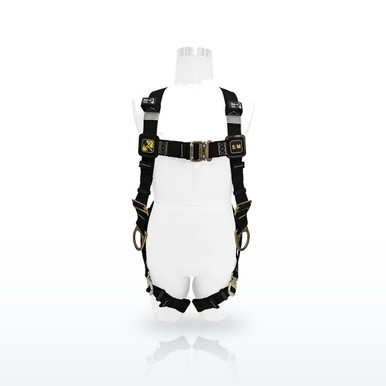
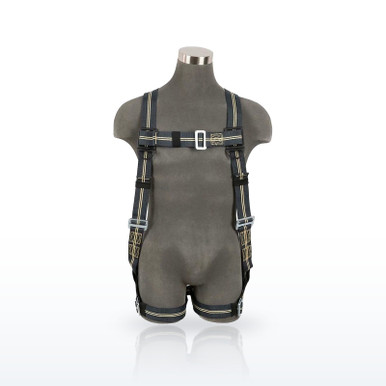
Replacement harnesses from Miller, DBI-SALA, MSA and Protecta, and the lanyards and SRLs that get inspected with them, are on the fall protection finder.
Questions people ask
How often does OSHA require harness inspection?
Before each use in construction (1926.502(d)(21)) and before initial use during each work shift in general industry (1910.140(c)(18)). Defective components are removed from service.
How often does a competent person have to inspect a harness?
ANSI/ASSP Z359.2 and the manufacturers’ instructions put the formal, documented inspection at intervals of no more than one year, by a competent person other than the user, with more frequent inspection for severe use.
Does OSHA require harness inspections to be documented?
Not the pre-use check. The periodic competent-person inspection is recorded under ANSI Z359.2 and most manufacturers’ instructions, usually on the harness label pack or a tag.
How long is a safety harness good for?
There is no OSHA or ANSI expiration date. The manufacturer’s instructions and the inspection decide; it is retired on condition.
Can a harness be used after a fall?
No. It is removed from service immediately and may not be used until a competent person finds it undamaged; most manufacturers say to destroy a harness whose indicator has deployed. (1926.502(d)(19).)
What is the load indicator on a harness?
A stitched fold of webbing, usually at the dorsal D-ring, that tears open under fall arrest force. ANSI Z359.11-2021 requires one on every harness, placed where it can be inspected.
Can I repair a harness?
No. Webbing and stitching cannot be field-repaired, and the manufacturers prohibit it. Replace the harness.
What is a competent person for fall protection?
One who can identify existing and predictable hazards and has the authority to take prompt corrective action. (1926.32(f).) For inspections, someone trained on the manufacturer’s criteria who can remove a harness from service.
Standards and ratings on this page are as published in the documents named and by the manufacturers named. The employer’s hazard assessment and written program decide what applies at a given workplace. Verify a rating on the product and its spec sheet before use.