
Do you need a harness on a scissor lift or boom lift?
On a boom lift, yes. OSHA’s aerial lift rule requires a body belt or harness with a lanyard attached to the boom or basket whenever you work from the platform, and since 1998 that means a full-body harness if the system is for fall arrest. On a scissor lift, OSHA does not require it. OSHA treats a scissor lift as a scaffold, not an aerial lift, and has said in writing that a worker on a scissor lift with a properly maintained guardrail system does not need to be tied off. Two things can still require a harness on a scissor lift: the manufacturer’s manual for the machine, and any work that takes the worker outside or above the guardrail.
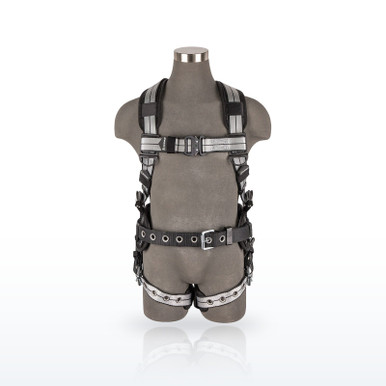
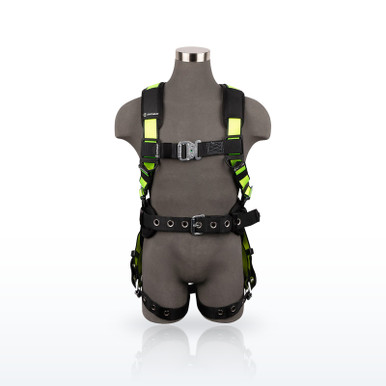 Safewaze PRO construction harnessFull-body harness, ANSI Z359.11, the body support for a boom-lift lanyard
Why is a boom lift treated differently from a scissor lift? A scissor lift goes straight up and the platform stays inside the wheelbase; with the guardrail in place a worker has no way to leave the platform except by climbing over the rail. A boom lift reaches out and can catapult: a bump from a vehicle, a wheel dropping into a hole, or the boom catching on a structure can whip the basket hard enough to throw an occupant over the rail. The lanyard to the basket is there for that event, which a guardrail does nothing about.
What does OSHA actually say?
The boom-lift rule is in the standard. The scissor-lift answer comes from OSHA’s letters of interpretation of its scaffold standard.
Fall arrest or fall restraint on a boom lift?
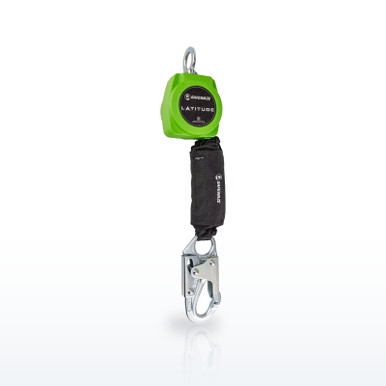
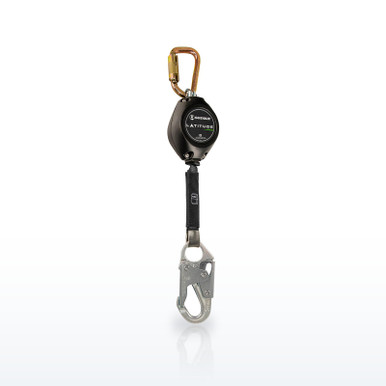
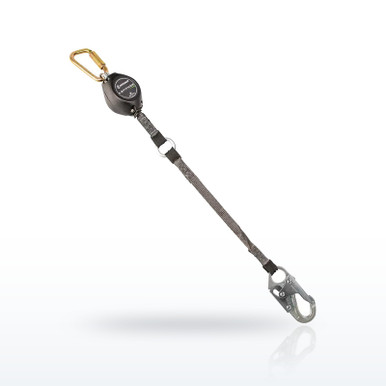
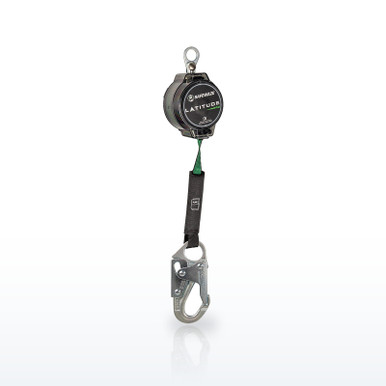
The standard says belt or harness and lanyard; it does not say which kind of system. A restraint system uses a lanyard short enough that the worker cannot reach a position from which they can fall out of the basket. A fall arrest system lets the worker fall and then stops them. Restraint is the simpler case: there is no free fall, no arresting force and no rescue from a dangling position. A fall arrest system on a boom has to meet all of 1926.502(d): a 5,000-pound anchorage (the basket anchor point, as rated by the lift manufacturer), free fall of 6 feet or less, 1,800 pounds maximum arresting force with a harness, and a deceleration distance of 3.5 feet or less, and the worker cannot be allowed to contact a lower level. A 6-foot shock-absorbing lanyard from a basket anchor at floor level usually cannot meet the free-fall and clearance limits; a short lanyard or a personal self-retracting lifeline anchored at the basket can. Check the clearance figures on the device you choose.
1926.453(b)(2)(v); 1926.502(d)(15) and (d)(16)(ii) through (iv); 1926.502(e)(1), positioning and restraint rigged so the employee cannot free fall more than 2 feet; manufacturer clearance charts.What does the manufacturer’s manual add?
OSHA is the floor. The operator’s manual for a specific scissor or boom lift states the fall protection that machine was designed and tested for, and a manual that requires a harness and lanyard on a scissor lift is the instruction for that machine even though the OSHA scaffold rule does not require it. Most safety programs write the manual’s requirement into their own rules. Read the decal at the anchor point and the manual before deciding a scissor-lift crew can work with guardrails alone.
1926.453(b)(2)(v) (boom lifts); OSHA letter of interpretation, November 29, 2005, on when additional fall protection is required on a scissor lift; manufacturer operating manual for the lift in use.What else do the lift rules require that gets missed?
- Stand firmly on the floor of the basket. Sitting or climbing on the edge, or standing on planks, ladders or other devices for a work position, is prohibited on an aerial lift.
- Guardrail height on a scissor lift (a supported scaffold placed in service after January 1, 2000): toprail between 38 and 45 inches above the platform, with a midrail. A scissor lift with the gate open or a rail section removed is no longer a complete guardrail system.
- Upper and lower controls on a boom lift, with lower controls able to override the upper and not to be used without the occupant’s permission except in an emergency.
- Inspect the harness and lanyard before each use and take anything that has arrested a fall out of service.
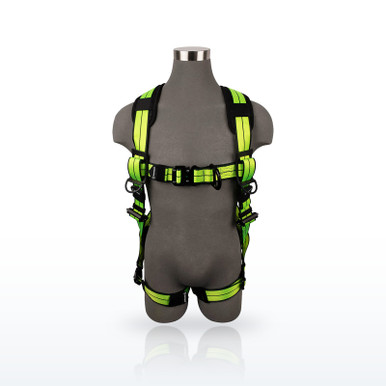
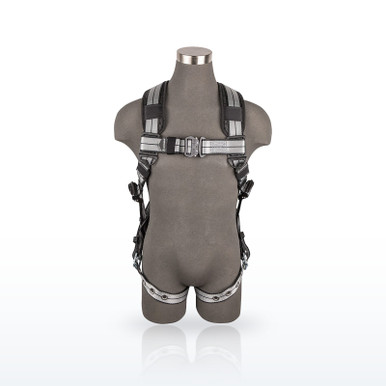
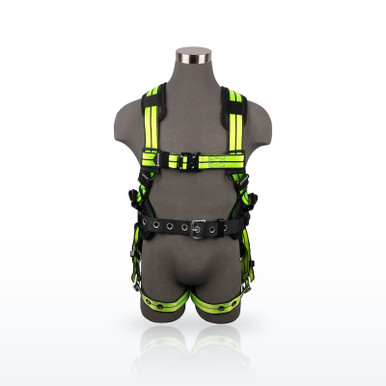
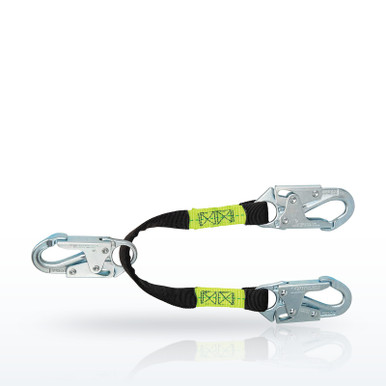
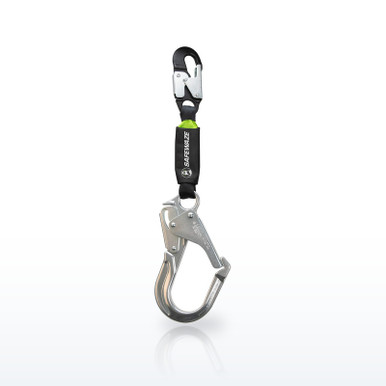
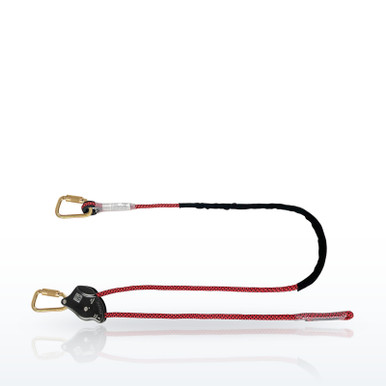
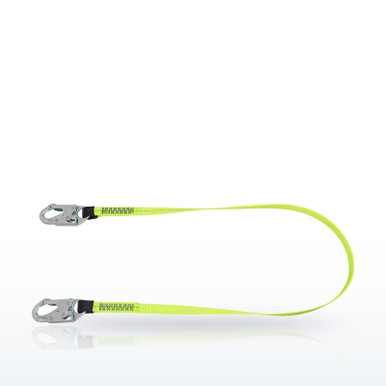
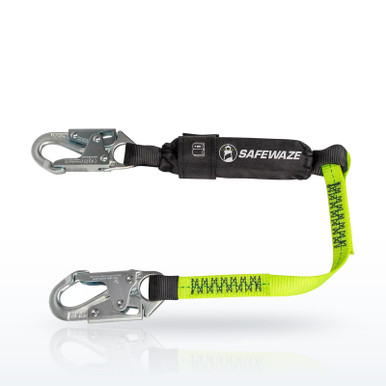
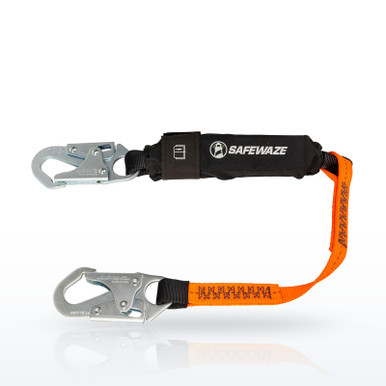
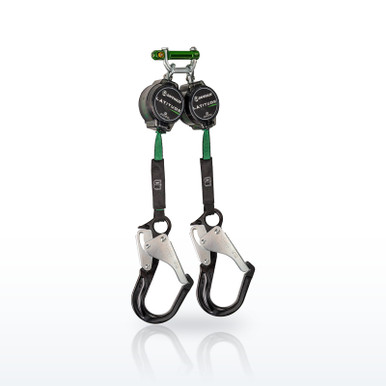
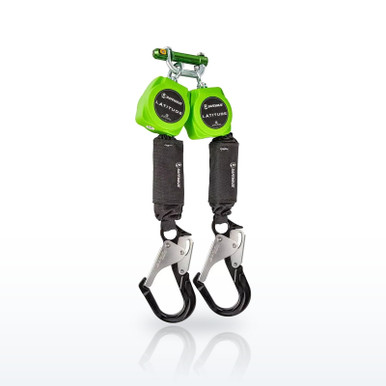
Harnesses, restraint lanyards and SRLs for lifts
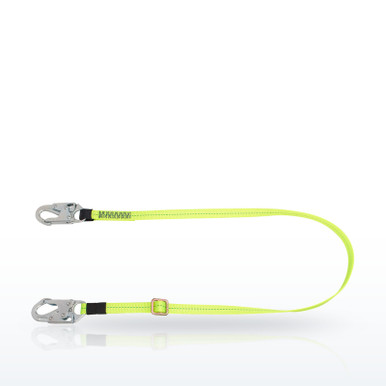
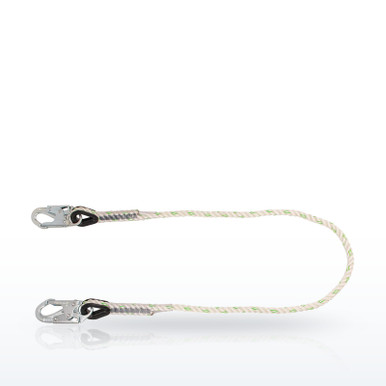
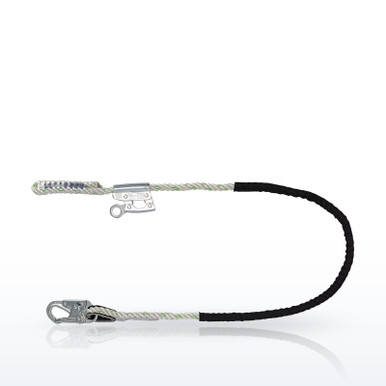
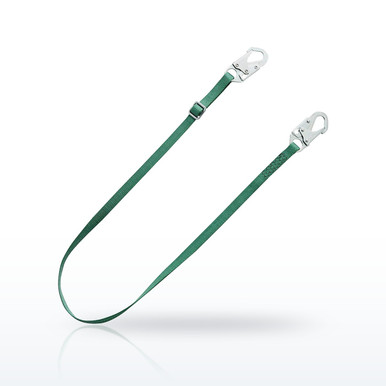
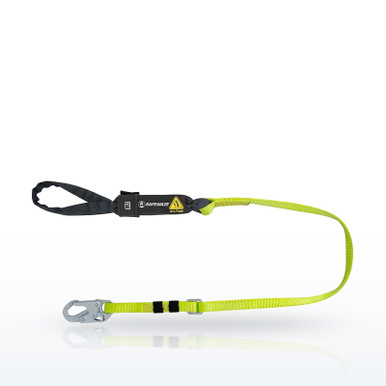
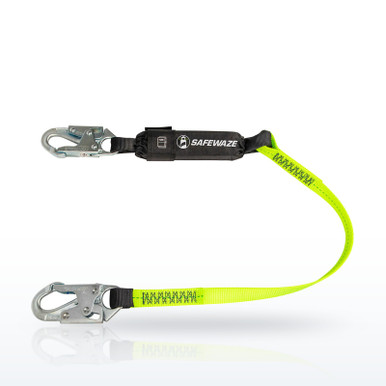
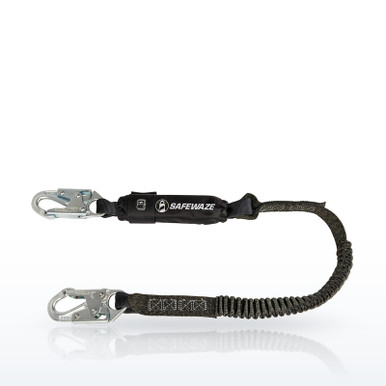
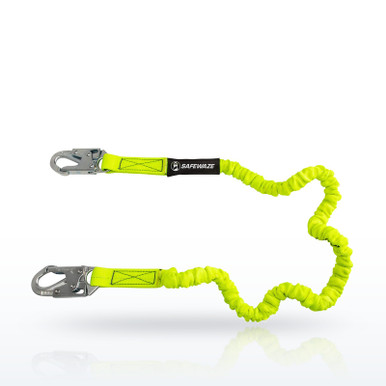
29 items · prices liveThe ANSI standard each item meets is as published by the manufacturer. Restraint lanyards (Z359.3) keep a worker inside the basket; energy-absorbing lanyards and personal SRLs (Z359.13 and Z359.14) are fall arrest devices and need the clearance on their charts. Contractor Direct orders ship free.
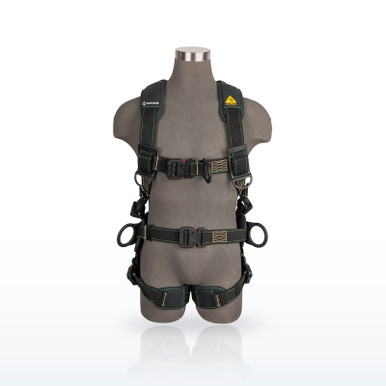
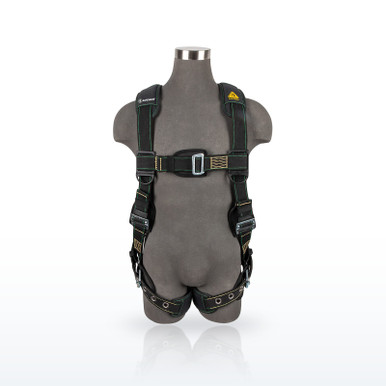
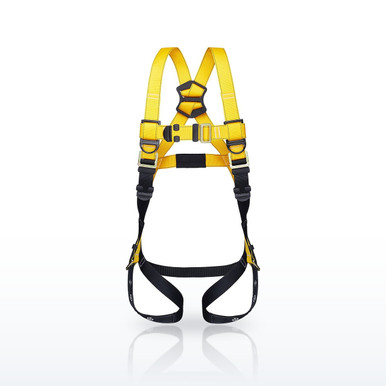
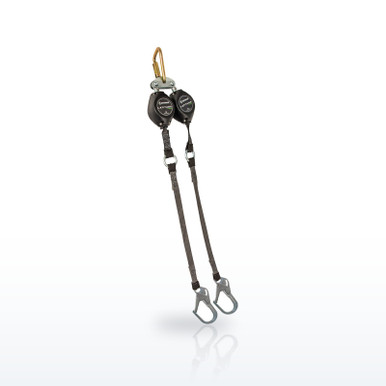
Leading-edge SRLs, anchors and kits are in the fall protection finder.
Questions people ask
Does OSHA require a harness on a scissor lift?
No, as long as the guardrail system is complete and properly maintained and the worker stays on the platform. OSHA treats a scissor lift as a scaffold and said so in letters of interpretation dated August 1, 2000 and November 29, 2005. The lift manufacturer’s manual may require one anyway.
Does OSHA require a harness on a boom lift?
Yes. 1926.453(b)(2)(v) requires a body belt or harness with a lanyard attached to the boom or basket when working from an aerial lift. For fall arrest it must be a full-body harness.
Can I tie off to the building from a boom lift?
The standard says the lanyard is attached to the boom or basket. Tying to a structure outside the basket defeats the purpose: if the machine moves, the worker is pulled out of the basket.
Is a body belt ever legal on a lift?
In a restraint or tethering system, yes; the note to 1926.453(b)(2)(v) says so. For fall arrest, no, not since January 1, 1998.
How long should the lanyard be on a boom lift?
Short enough to keep you in the basket if the system is restraint, or short enough that a fall arrest system meets the 6-foot free fall limit and the clearance on the device chart if it is arrest. A standard 6-foot shock-absorbing lanyard from a floor-level basket anchor rarely meets either; see the manufacturer’s clearance chart.
What if I have to climb out of the scissor lift onto a structure?
Then you have left the platform and OSHA requires additional fall protection; the guardrail no longer counts. Tie off to an anchorage on the structure that meets 1926.502(d)(15) before climbing over.
Is a bucket truck an aerial lift?
Yes. Vehicle-mounted extensible and articulating boom platforms are listed in 1926.453(a)(1), and the lanyard requirement applies.
Standards and ratings on this page are as published in the documents named and by the manufacturers named. The employer’s hazard assessment and written program decide what applies at a given workplace. Verify a rating on the product and its spec sheet before use.