
Hi-vis rain gear and cold-weather gear: keeping the class rating
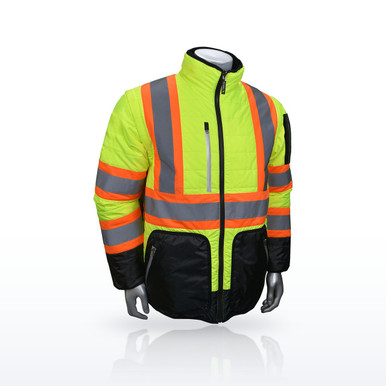
Only the layer on the outside counts. A Class 2 vest under a rain jacket or a parka is invisible, and a crew that is compliant in July is often out of compliance the first wet morning in November. The fix is to make the outer layer the rated one: a Class 3 rain jacket or insulated jacket, Class E rain pants or bibs over the work pants, or a Class 2 or 3 vest sized to go over the coat. ANSI/ISEA 107 rates rain and winter garments the same way as vests, by the square inches of fluorescent background and tape, and adds water-resistance tests for rainwear. The class is on the label, and a jacket with zip-off sleeves may be labeled for both configurations.
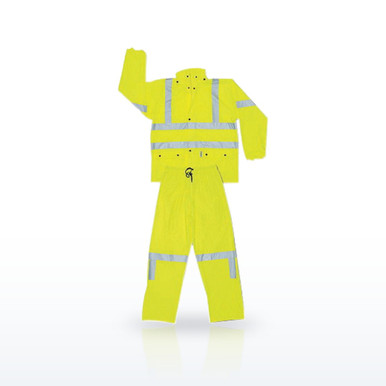
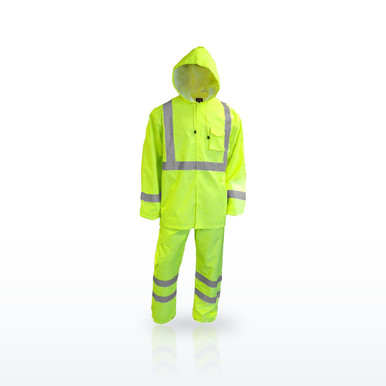 Reflective Apparel 402ST Hi-Vis Rain Gear, ANSI Type R Class 3 Two-Piece RainsuitType R Class 3 rain jacket, as rated by the manufacturer
Why does bad weather break compliance? The visibility rules are written for the garment a driver can see. Rain, dusk and low winter sun are exactly the conditions the retroreflective tape and fluorescent fabric were specified for, and they are the conditions in which a worker reaches for a dark coat and covers them up. Rain also halves what a driver sees through the windshield. The standard does not have a wet-weather exception; the MUTCD requirement is Class 2 or 3 for daytime and nighttime activity, in whatever weather the work goes on in.
What keeps the rating in rain and cold?
The ways to put the rated material on the outside.
How is hi-vis rainwear rated?
The same way as a vest, with one addition. The jacket must carry the fluorescent background and retroreflective tape for its class on its outer surface, placed by the same rules: 360-degree tape with gaps of 2 inches or less, bands around each sleeve for Class 3, the lowest sleeve band at least 2 inches above the cuff. In addition, the standard tests the background material of a garment sold as rain protective for how it handles water, and the label states the level reached: water repellent, water resistant, waterproof, or breathable waterproof. Water repellent is the lowest of the four levels and waterproof the one that keeps a worker dry through a full shift of rain; the label is how you tell them apart.
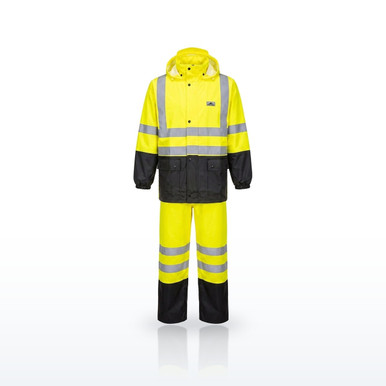
ANSI/ISEA 107-2020 section 5 (design and placement), sections 8.5 and 8.6 (rain-protective garments: water repellency and resistance tests), section 12 (labeling), as summarized in the 3M guide to the 2020 edition.Two-piece rain suits carry two ratings: the jacket as Type R Class 3 and the pants as Class E. Three-piece suits add a detachable hood. Rainwear tape is sewn or heat-welded to the shell, and the care label gives the number of cleaning cycles it was tested through, the same as on a vest.
ANSI/ISEA 107-2020 section 4 (Class E) and sections 12 to 14 (care labeling); manufacturer labels for two- and three-piece suits in the catalog.What about cold weather: liners, zip-off sleeves and layering?
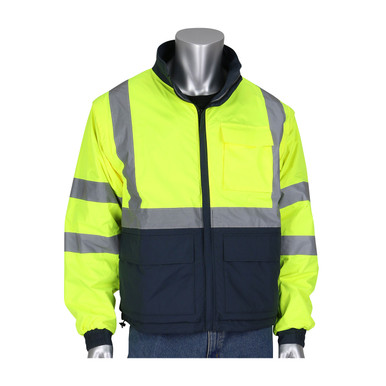
- Zip-off sleeves. A jacket may be labeled Type R Class 3 with the sleeves on and Type R Class 2 with them off, where the manufacturer tested both. If the label shows only Class 3, the jacket is rated only with the sleeves attached.
- Zip-out liners. The liner inside a hi-vis parka is not rated unless it has its own label; a worker who wears the liner alone as a jacket on a mild day is wearing a dark coat.
- Vest over a bulky coat. Size up. The standard’s area minimums are for the garment as made, and a vest stretched over a parka with the front open shows less than it was rated for; a Class 2 vest with a full-front closure and side adjusters is made for this.
- Hoods, hats and balaclavas. The 2020 edition removed the accessories category, so separate headwear carries no class; it adds visibility but does not add to the garment’s rating.
- Gloves and boots. Not rated. Hi-vis gloves help a flagger’s hand signals be seen but do not count toward the garment class.
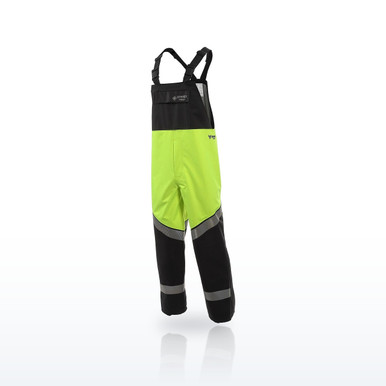
- FR crews. Rainwear and winter wear worn over arc-rated clothing must itself be arc-rated; FR hi-vis rain jackets and bibs to ASTM F1891 or NFPA 2112 are made for utility and plant crews.
Which class does wet or dark weather call for?
The MUTCD requires Class 2 or 3 for all workers in a traffic control zone and says Class 3 should be worn by flaggers at night; it leaves the choice to the person the employer designates for worker safety. Rain, fog, dusk and winter afternoons are the conditions in which that person has reason to choose Class 3: a driver’s sight distance is shorter and the worker is wearing more dark clothing. A Class 3 rain jacket, or a Class 2 jacket with Class E rain pants, is the usual specification for wet-weather roadway work, and many agencies write it into their contracts.
MUTCD 11th edition section 6C.05 paragraphs 01 and 07; MUTCD 2009 edition sections 6D.03 paragraph 04 and 6E.02 paragraph 02; ANSI/ISEA 107-2020 section 4 (ensemble).Rated rain and cold-weather garments
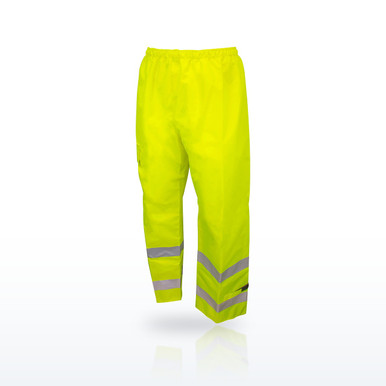
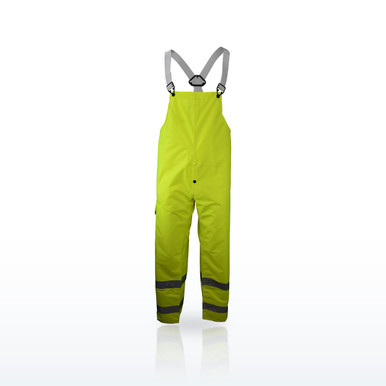
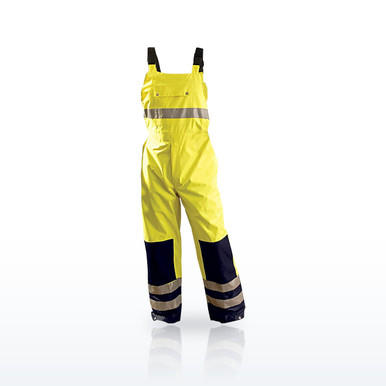
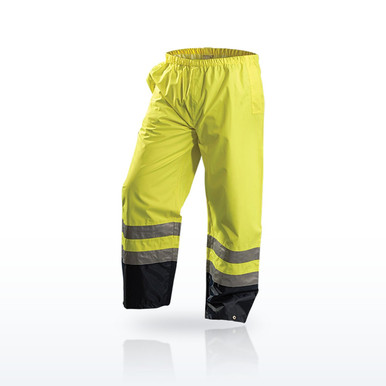
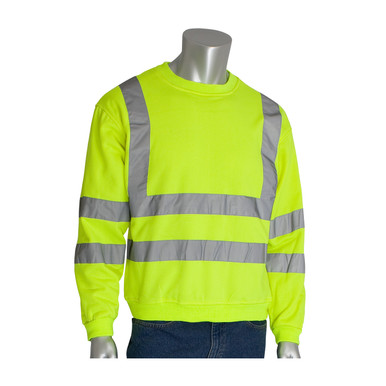
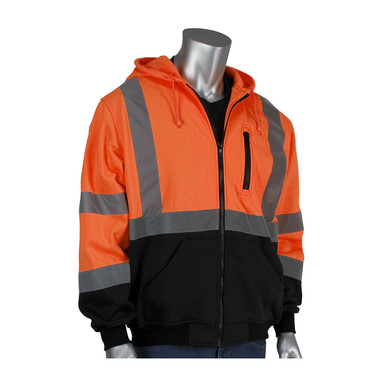
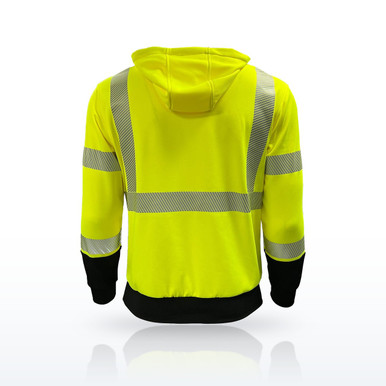
34 items · prices liveEach garment is listed at the ANSI/ISEA 107 type and class its manufacturer publishes. Water resistance level, insulation, sleeve configuration and FR line are on the product page. Contractor Direct orders ship free.
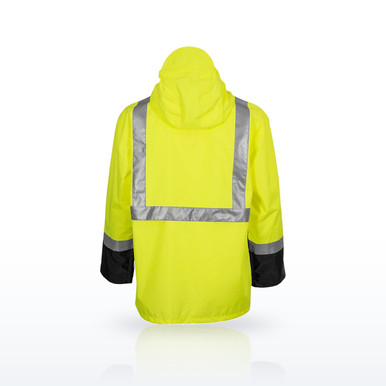
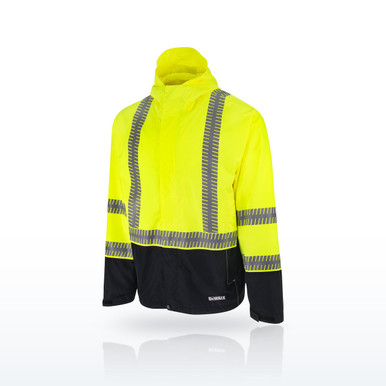
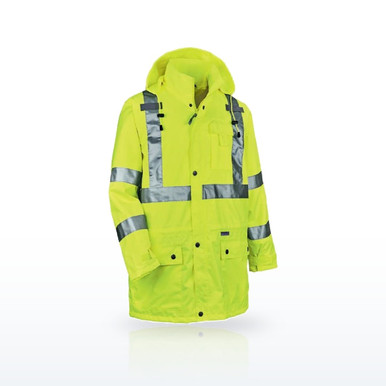
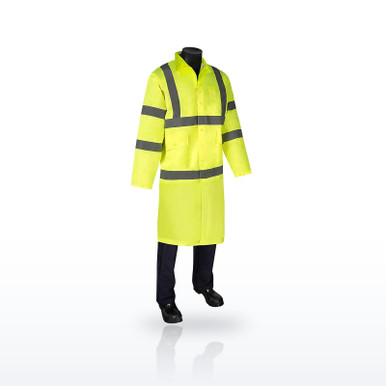
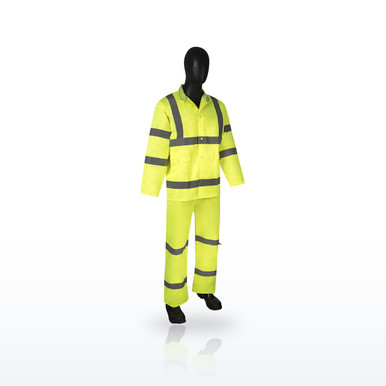
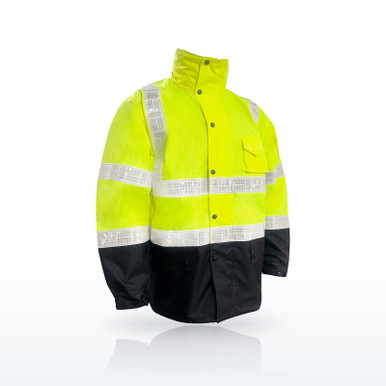
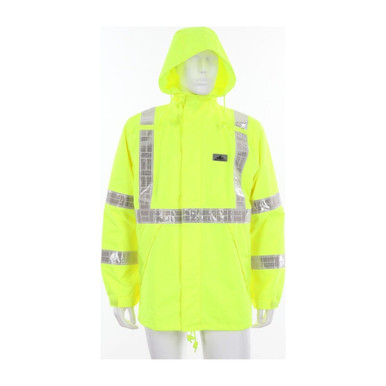
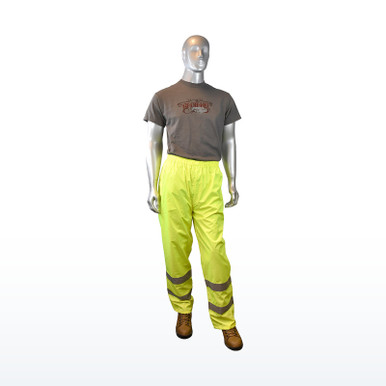
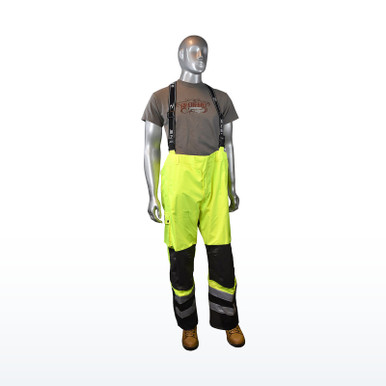
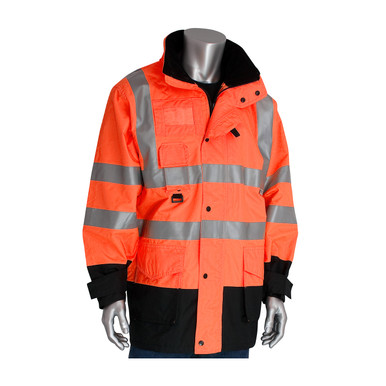
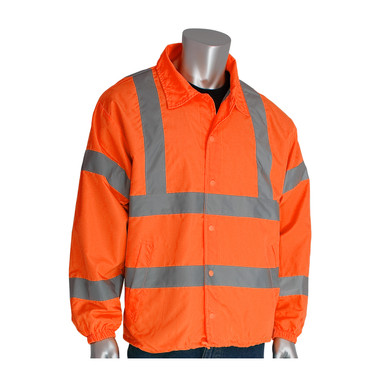
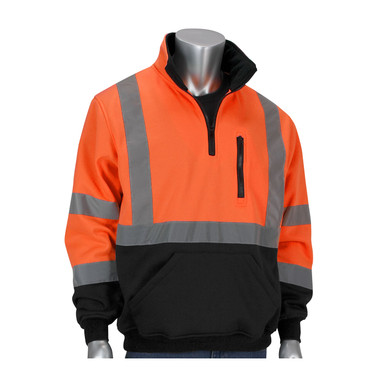
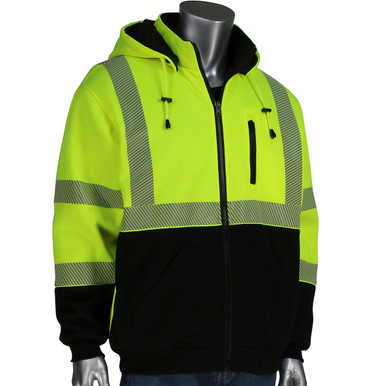
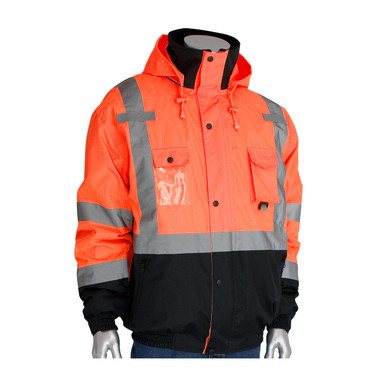
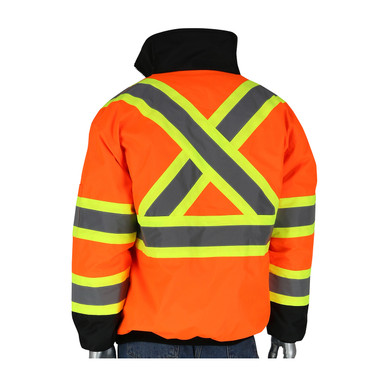
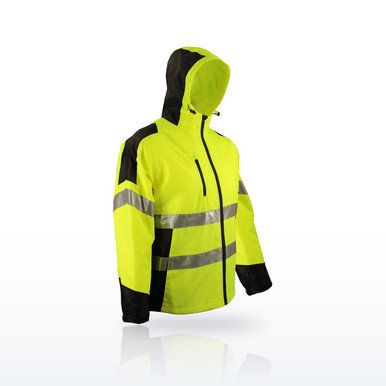
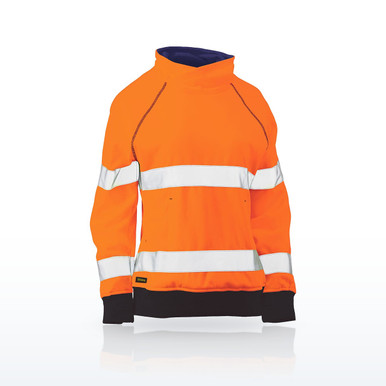
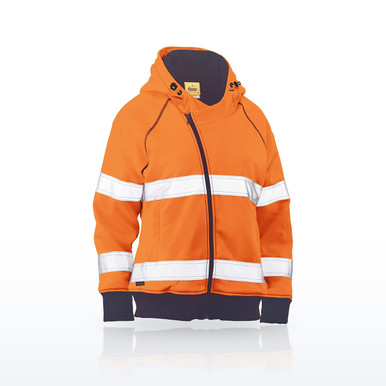
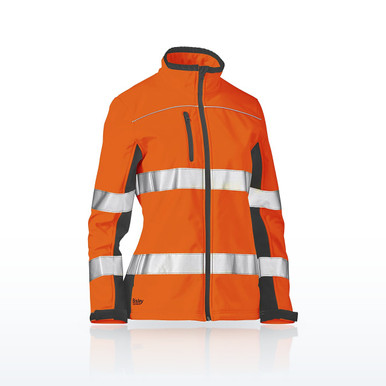

Vests sized to go over a coat, and every other rated garment, are on the hi-vis finder.
Questions people ask
Can I wear my safety vest under my rain jacket?
Not and stay compliant. Only the outer layer is seen; the vest goes over the jacket, or the jacket itself must be rated.
Is a hi-vis rain jacket Class 3?
Many are; the label says. A rain jacket is rated by the same area minimums as any jacket and, for Class 3, needs tape around each sleeve.
Do rain pants need a rating?
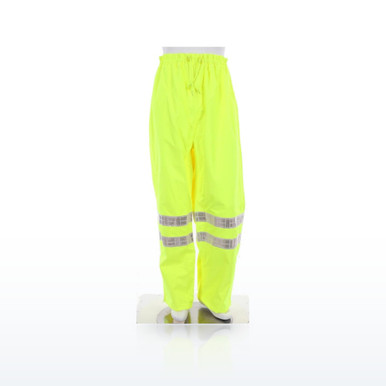
If the outfit must be Class 3 and the pants cover the legs, Class E rain pants keep the ensemble at Class 3. A Class 3 jacket over dark rain pants is still a Class 3 jacket but the legs are unmarked.
What does waterproof mean on an ANSI 107 label?
The background fabric passed the standard’s waterproof test; water repellent, water resistant and breathable waterproof are the other levels the label can state.
Does a jacket with zip-off sleeves stay Class 3 with the sleeves off?
Only if the label rates it both ways. With sleeves off most are Class 2, and some are rated only with the sleeves on.
Is a hi-vis hoodie rated?
Hi-vis sweatshirts and hoodies carry a Type R Class 3 or Class 2 label when they meet the minimums. The hood itself adds nothing to the class.
Do utility crews need FR rain gear?
Where they work in arc-rated clothing, yes: NFPA 70E requires outer layers such as rainwear to be arc-rated, and OSHA 1910.269 bans clothing that could melt. FR hi-vis rainwear carries both lines on the label.
Which class for rain and dusk?
The MUTCD minimum is Class 2; Class 3 is its guidance for flaggers at night and the common choice for wet, dark conditions, decided by the employer’s designated safety person.
Standards and ratings on this page are as published in the documents named and by the manufacturers named. The employer’s hazard assessment and written program decide what applies at a given workplace. Verify a rating on the product and its spec sheet before use.