
How long does hi-vis clothing last, and when should it be replaced?
There is no expiration date on hi-vis clothing. The FHWA guidance for roadway apparel is that a garment worn daily lasts about 6 months, and one worn occasionally up to 3 years, and that it should be replaced when it is faded, torn, dirty, worn, defaced, or no longer visible at 1,000 feet by day or by night. The other limit is on the care label: the maximum number of wash cycles the garment is rated for, which is the number its retroreflective tape was tested through. Sunlight fades the fluorescent dye and washing and abrasion dull the tape, so a vest can fail long before it wears out as clothing.
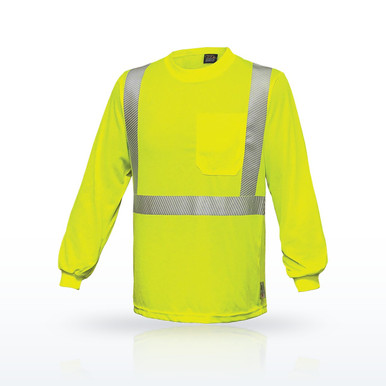
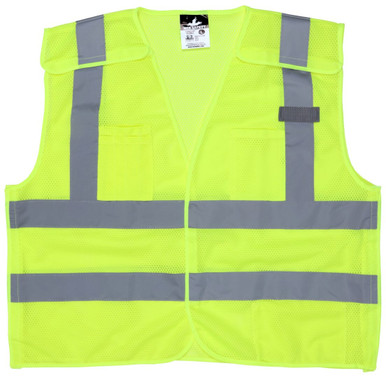 MCR Safety Luminator CL2ML2 Hi-Vis Vests, Hi-Vis Lime Safety VestType R Class 2 vest, the garment most crews replace every season
Why does hi-vis wear out before it looks worn out? The two things that make the garment work are both consumable. Fluorescent dye converts ultraviolet light into visible light, and that same ultraviolet breaks the dye down; a vest left on a dashboard or worn all summer loses its glow while the fabric is still sound. Retroreflective tape is a layer of glass beads or prisms on a mirror backing; washing, folding and abrasion scratch it, and dirt fills it. The standard tests both materials new and after a set number of washes and a set dose of simulated sunlight. Once the garment has had more of either than it was tested for, nobody has shown that it still meets the class on its label.
When should a hi-vis garment be replaced?
The FHWA checklist for worn apparel, and what each item looks like.
How long does a hi-vis vest last?
The FHWA guidance, written for highway work zones, is that apparel worn on a daily basis has a service life expectancy of approximately 6 months, and apparel that is not worn daily may have a useful service life of up to 3 years. Those are planning figures, not a rule; the condition of the garment decides. A flagger in direct sun all summer can fade a vest in less than 6 months, and a vest kept in a truck for emergencies can last the full 3 years and still be bright. Elevation, a hot climate, the kind of work, and how the garment is washed and stored all shorten or lengthen it.
FHWA and ATSSA, High-Visibility Safety Apparel in Highway Work Zones (2008): service life and the factors that cause apparel to wear out.The standard does not set a life in months. It sets tests: the background fabric must hold its color and brightness after a measured dose of xenon-arc light, which simulates sunlight, and after laundering; the retroreflective tape must still return the minimum light after the number of wash cycles printed on the care label. The manufacturer picks that number by testing, and it is different for a mesh vest with sewn-on tape and a woven industrial-wash shirt. The label number is therefore the only life figure that is specific to your garment.
ANSI/ISEA 107-2020 section 6 (background material: color and luminance before and after cleaning and xenon exposure), section 7 (retroreflective material after laundering), sections 12 to 14 (care labeling), as summarized in the 3M guide to the 2020 edition.The tape makers’ numbers give a sense of the range. 3M publishes wash-cycle ratings for its Scotchlite fabrics from 30 home-wash cycles for sewn trim to 100 cycles for industrial-wash material, each being the count at which the tape still returns at least 100 candelas per lux per square meter under the standard test. A garment’s label may be lower than the tape’s rating because the fabric or the construction limits it.
3M Scotchlite Reflective Material Fabrics technical data sheet (wash and dry-clean cycle ratings to RA ≥ 100 cd/lx/m², ISO 6330).How do you make hi-vis last longer?
- Wash it the way the label says: usually cold or warm water, mild detergent, inside out, no bleach, no fabric softener, no optical brighteners, and low heat or line dry. Brighteners and bleach attack the fluorescent dye; hot dryers crack tape.
- Wash it. Dirt cuts both daytime and nighttime visibility, and a dirty vest is one the FHWA checklist says to replace. A washed vest that comes back bright has life left.
- Keep it out of the sun when it is not on a body. The dashboard, the rear window shelf and the fence post are where vests die.
- Do not write on it, patch it or stick logos over the tape or the fluorescent fabric. Have logos imprinted in the areas the manufacturer leaves for them.
- Keep a count. The care label gives the wash limit; a crew that launders vests weekly reaches 25 cycles in 6 months. Date the garments or log the washes.
- Inspect before each shift, and train the crew to. OSHA’s PPE training rule requires employees to know the useful life and the care of their PPE, and that includes knowing what a spent vest looks like.
Who decides, and who pays for the replacement?
The employer. High-visibility garments required for the work are PPE that the employer provides at no cost to the employee, and the employer is responsible for keeping PPE in a reliable condition. When an inspection finds a vest faded or past its wash count, the replacement is the employer’s expense, the same as the first one. Where employees wear vests they bought themselves, the employer is still responsible for making sure they are adequate.
29 CFR 1910.132(a) (PPE maintained in a sanitary and reliable condition), (b) (employee-owned equipment) and (h)(1) (employer-paid PPE).Replacement garments by class
30 items · prices liveEach garment is listed at the ANSI/ISEA 107 type and class its manufacturer publishes; the wash-cycle rating and care instructions are on the product page and the garment label. Contractor Direct orders ship free.
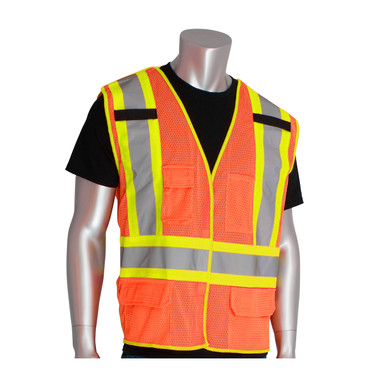
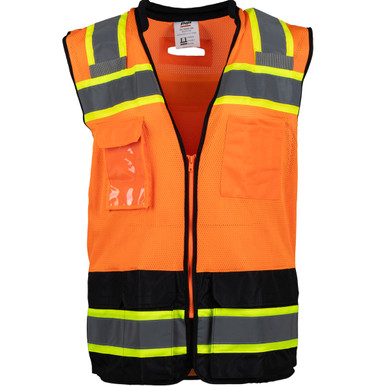
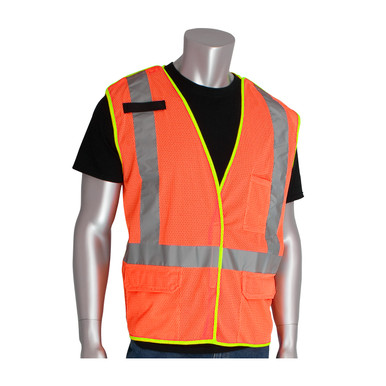
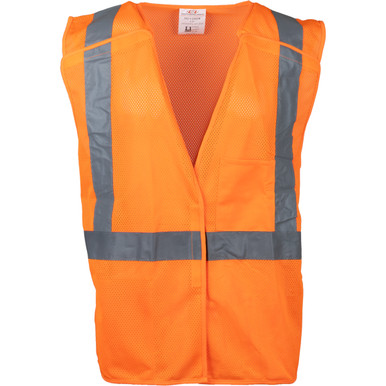
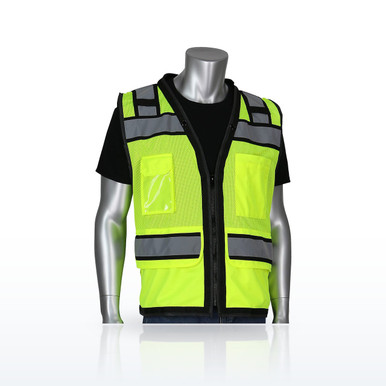
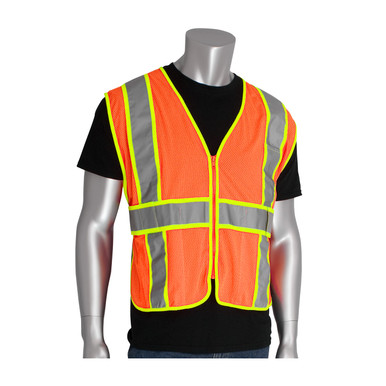
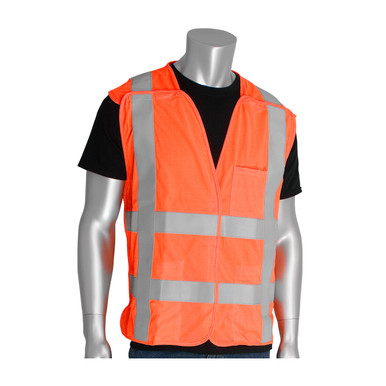
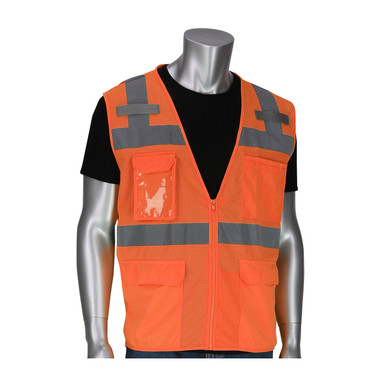
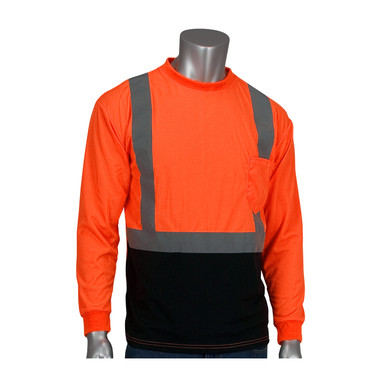
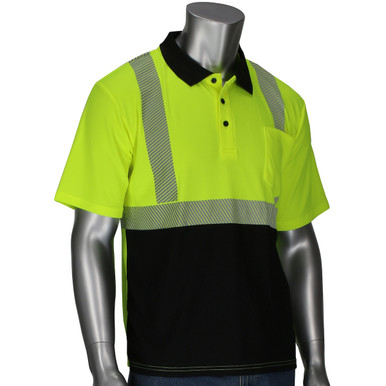
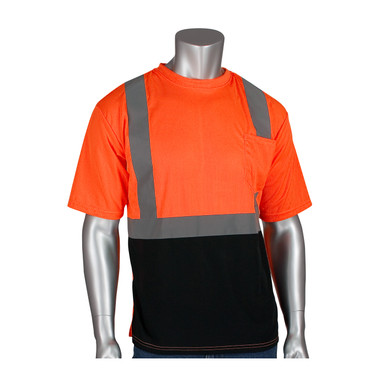
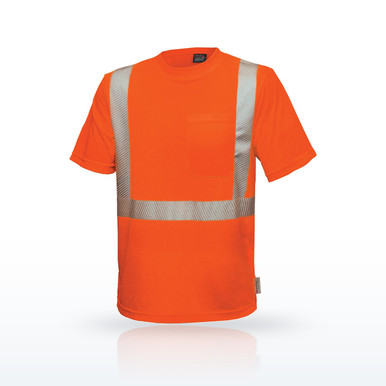
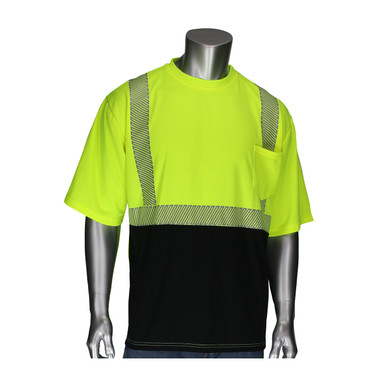
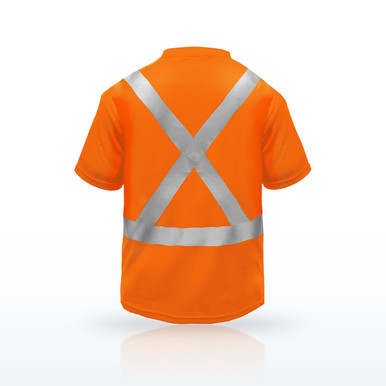
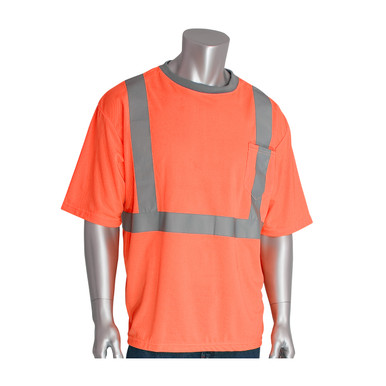
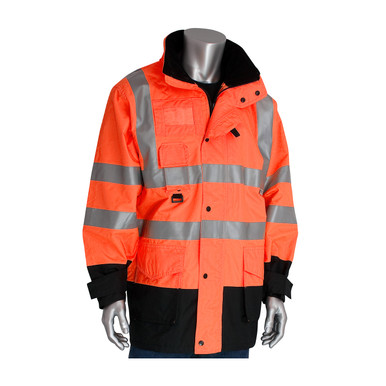
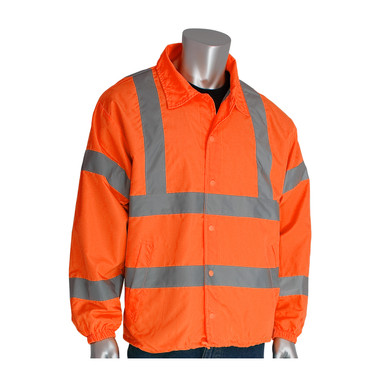
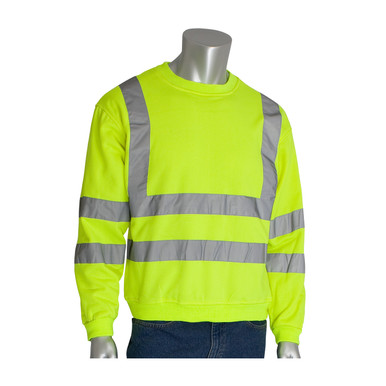
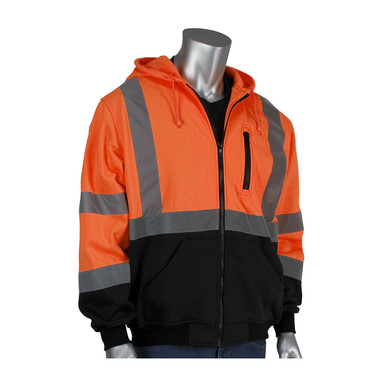
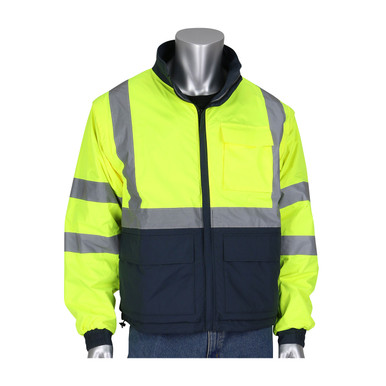
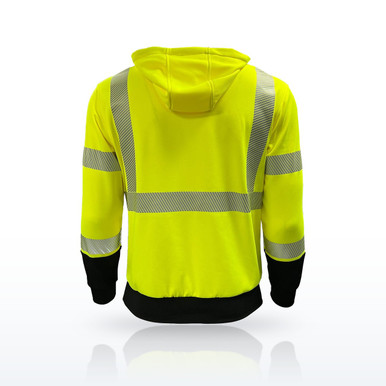
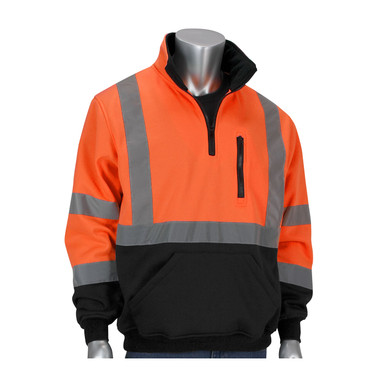
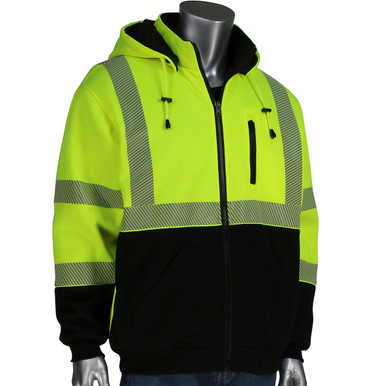
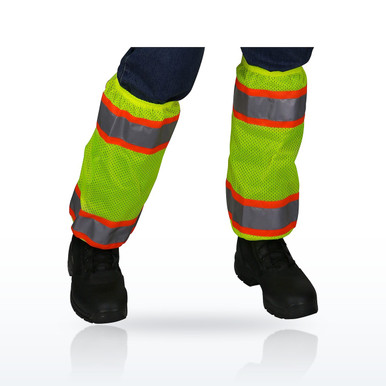
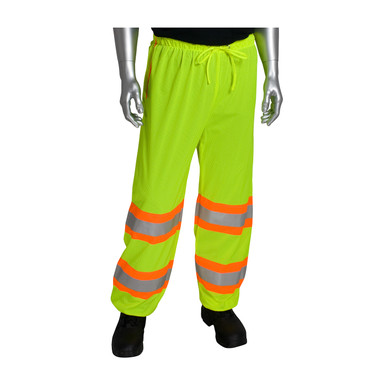
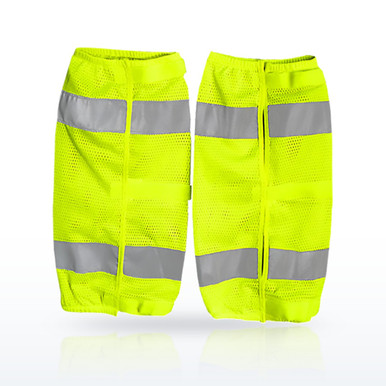
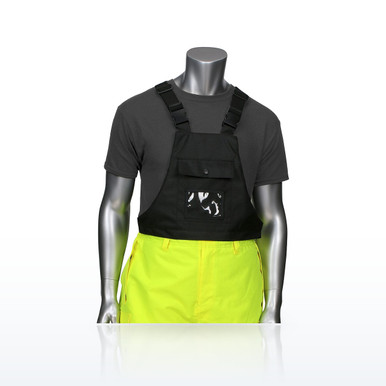
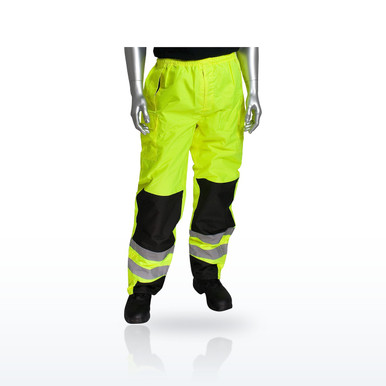
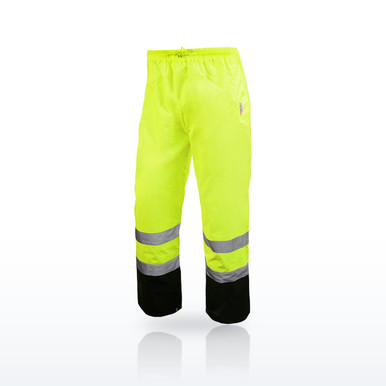
Every hi-vis garment we carry, by type and class, is on the hi-vis finder.
Questions people ask
How often should safety vests be replaced?
The FHWA guidance is about every 6 months in daily use and up to 3 years in occasional use, and sooner whenever the garment is faded, torn, dirty, worn, defaced or not visible at 1,000 feet.
Do hi-vis vests expire?
No date is printed on them. They are replaced on condition and on the wash count the care label gives.
How many times can you wash a hi-vis vest?
The number on its care label, which is the number of cycles the retroreflective tape was tested through for that garment. It differs by garment.
Can you wash hi-vis with bleach or fabric softener?
Not unless the label allows it. Bleach and optical brighteners attack the fluorescent dye; softener and high dryer heat dull and crack the tape.
How do I check if the reflective tape still works?
At night, hold a flashlight at your eye and look at the garment from across a lot. Good tape flashes back brightly; spent tape looks gray.
Does a faded vest still meet Class 2?
No one can show that it does. The class was tested on new material and after a fixed dose of light; a visibly faded garment is outside what was tested and the FHWA guidance says to replace it.
Who pays for replacement vests?
The employer, as with any required PPE (1910.132(h)(1)).
Standards and ratings on this page are as published in the documents named and by the manufacturers named. The employer’s hazard assessment and written program decide what applies at a given workplace. Verify a rating on the product and its spec sheet before use.