
Hot work permits: what 1910.252(a) requires before welding or cutting
A hot work permit is the paper trail for a rule OSHA writes in one paragraph: before cutting or welding is permitted, the area is inspected by the person responsible for authorizing it, and that person designates the precautions to be followed, preferably in the form of a written permit. The precautions the standard spells out are the body of every permit form: move the work or move the combustibles 35 feet away, cover what cannot move, sweep the floor for 35 feet, close floor and wall openings, have extinguishing equipment ready, post a fire watch where more than a minor fire could start, and keep the watch for at least a half hour after the work ends. NFPA 51B, which OSHA incorporates in its 1962 edition, has set the fire watch at 1 hour since its 2019 edition. No permit is needed in an area management has set up for welding; one is needed everywhere else.
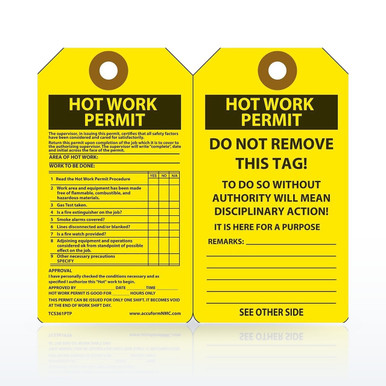 Accuform hot work permit status tagsPack of 25, grommeted, as published by Accuform
Why does welding need a permit when a grinder does not? Most hot work fires do not start at the arc. They start in a pile of cardboard 20 feet away, in sawdust that fell through a floor crack, or in insulation on the far side of a steel wall an hour after the welder packed up. The welder is looking through a shade 10 lens at a puddle and cannot see any of that. The permit forces a second person to walk the area first with the welder’s hood off, decide what has to move, who stands watch, and when the watch ends, and to write it down so the next shift knows. OSHA puts that duty on management and a designated individual, not on the welder.
What has to happen before the arc is struck?
The special precautions in 1910.252(a)(2), which together are what a hot work permit records.
Who signs a hot work permit, and who is responsible?
The standard divides the job three ways. Management establishes areas where cutting and welding are done and procedures for everywhere else, designates an individual responsible for authorizing hot work in areas not designed for it, insists that welders and their supervisors are trained, and advises contractors of flammable materials and hazards they may not know about. The supervisor is responsible for the safe handling of the equipment and the process, determines the combustibles and hazardous areas present, has the work moved or the combustibles moved or shielded, schedules the work so plant operations do not expose combustibles, secures the authorization from the designated management representative, confirms the welder agrees conditions are safe, sees that extinguishing equipment is in place, and sees that any required fire watch is on site. The welder works under that authorization. NFPA 51B calls the designated person the permit authorizing individual, and ANSI Z49.1 requires inspection and authorization by a designated management representative before welding or cutting in a location not designed for it.
29 CFR 1910.252(a)(2)(xiii)(A) through (D) management; (a)(2)(xiv)(A) through (G) supervisor; NFPA 51B chapter 4, responsibility for hot work (permit authorizing individual); ANSI Z49.1:2021 clause 6.3, Hot-Work Authorization.How long does the fire watch last: 30 minutes or an hour?
Both numbers are real, and the longer one governs on most sites. The OSHA rule, written from the 1962 edition of NFPA 51B, says the fire watch is maintained for at least a half hour after the welding or cutting is completed to detect and extinguish smoldering fires. NFPA 51B raised that in its 2019 edition to a minimum of 1 hour after the hot work is completed, with fire monitoring of the area for up to 3 more hours where the permit authorizing individual calls for it; the 2024 edition is the current one, and its fire watch chapter governs where a site adopts it. ANSI Z49.1:2021 also says at least one hour. The OSHA minimum is the floor an inspector can cite; a company program, an insurer or a fire code that adopts current NFPA 51B will require the hour. The construction rule sets no number: the watch stays for a sufficient period of time after completion to ensure that no possibility of fire exists.
29 CFR 1910.252(a)(2)(iii)(B) and (a)(1) incorporation of NFPA 51B-1962; NFPA 51B, 2019 edition, fire watch chapter (1-hour minimum and monitoring period); NFPA 51B, 2024 edition, current; ANSI Z49.1:2021 clause 6.2.4; 29 CFR 1926.352(e).What goes on the permit form?
- Where and what: the location, the work (welding, cutting, grinding, torch heating), the equipment, and the date and the hours the permit is good for.
- The precautions checked off: combustibles moved or covered, floors swept or wet, openings closed, walls and ceilings checked on both sides, sprinklers in service, extinguishers in place, containers cleaned and vented, the area free of flammable vapors.
- The fire watch: who, with what equipment, and the time the watch ends, at least 30 minutes after the work by OSHA and at least 1 hour by current NFPA 51B.
- Signatures: the authorizing individual who inspected the area, the supervisor, and the welder or operator who agrees the conditions are safe.
- Close-out: the time work finished, the time the watch finished, a final inspection, and the permit kept on file. NFPA 51B’s 2024 edition changed the word written to documented so that a digital permit counts.
- A permit status tag at the job, so anyone walking up knows hot work is authorized, who authorized it and when it expires.
When is no permit needed?
Welding in an area management has established for it: a welding shop or a designated bay where the fire potential has been assessed and the area is fire safe. The authorization paragraph applies to cutting and welding in areas not specifically designed for the process. Even in a designated area, the basic precautions still apply: movable fire hazards away from the work, guards for what cannot move, and no welding at all if neither can be done. And work on a used drum, tank or container is never permitted until it has been cleaned so thoroughly that no flammable or toxic residue remains and the vessel is vented.
29 CFR 1910.252(a)(2)(xiii)(A) and (B); (a)(1)(i) through (iii); (a)(2)(xv); (a)(3)(i) and (ii).Hot work permit tags, extinguishers, blankets and screens
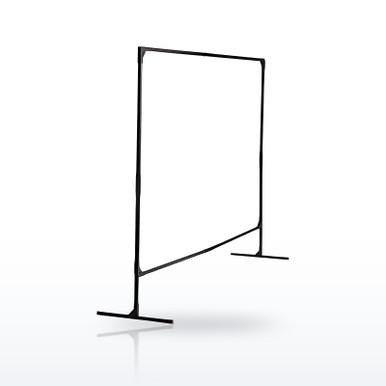
18 items · prices liveRatings, materials and sizes are as published by the manufacturer on each product page. Extinguisher class and rating are the UL ratings the manufacturer lists; the extinguisher the permit calls for depends on the combustibles exposed. Free shipping on orders over $199.
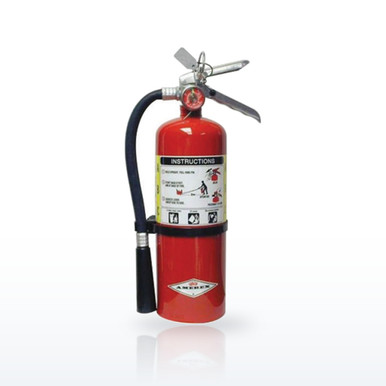
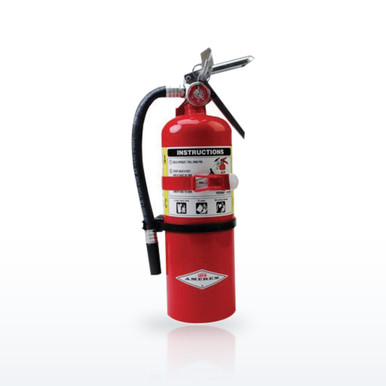
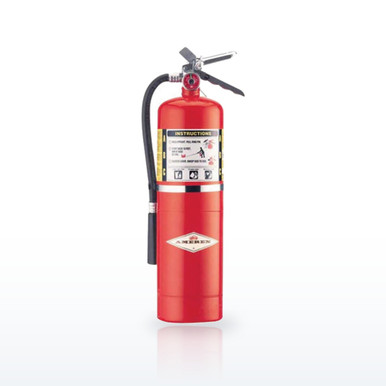
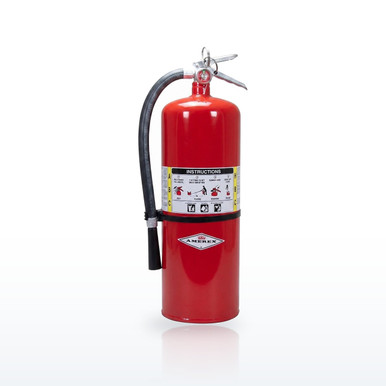
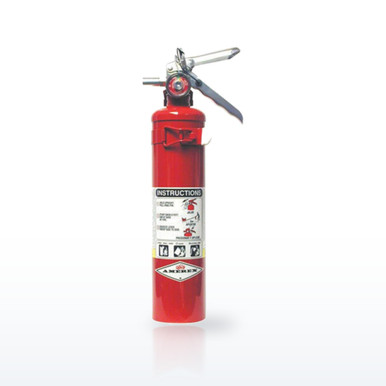
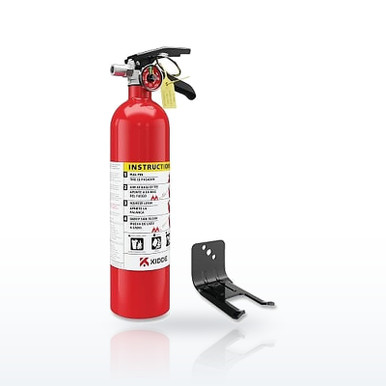
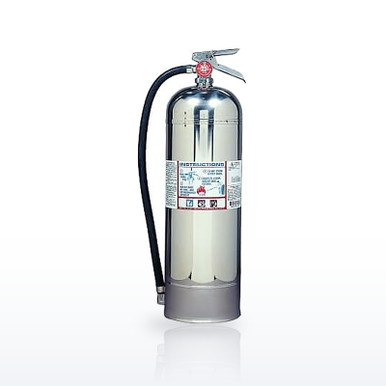
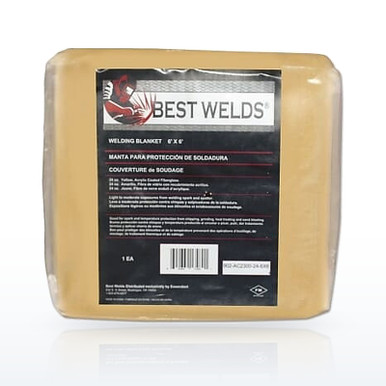
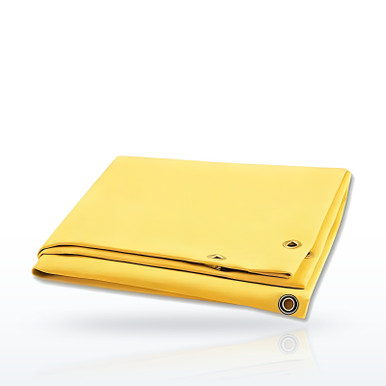

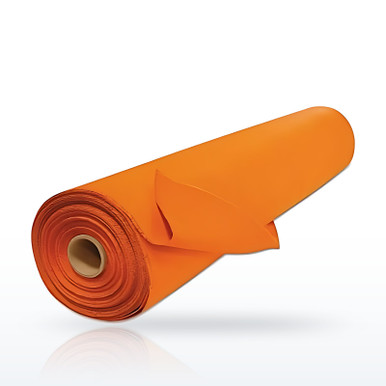
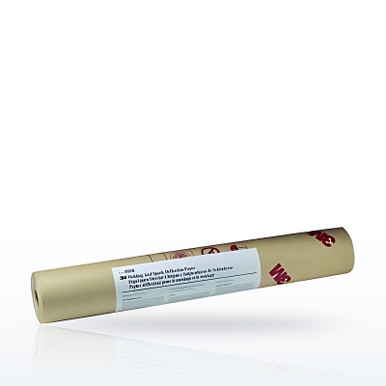
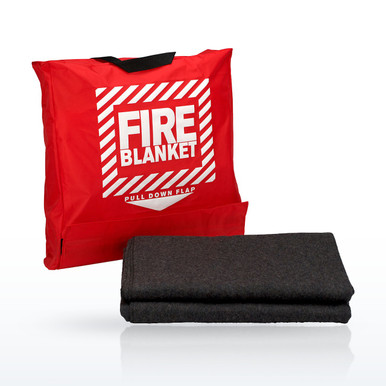
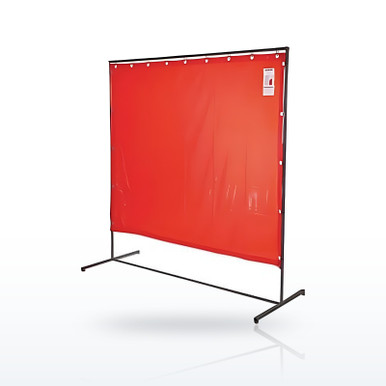
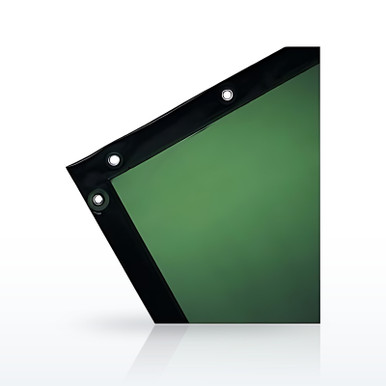
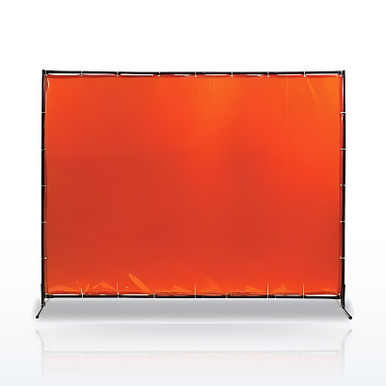
Fire extinguisher signs, inspection tags and brackets are in the safety signs category.
Questions people ask
Does OSHA require a hot work permit?
OSHA requires that the area be inspected and authorized by a designated individual before cutting or welding in an area not designed for it, and that the precautions be designated preferably in the form of a written permit. A permit is the accepted way to show that was done. (1910.252(a)(2)(iv).)
What counts as hot work?
OSHA’s welding standard covers welding, cutting and brazing; its container paragraph says welding, cutting, or other hot work. NFPA 51B covers welding, cutting, heat treating, grinding and other work likely to produce sparks or flames.
How far away do combustibles have to be?
35 feet (10.7 meters) where practicable; otherwise covered with flameproofed covers or shielded. The floor is swept for the same radius. (1910.252(a)(2)(vii) and (v).)
When is a fire watch required?
Whenever more than a minor fire might develop, and specifically when combustibles are within 35 feet, when combustibles farther away are easily ignited, when wall or floor openings within 35 feet expose combustibles, or when combustibles sit on the other side of a metal wall, ceiling or roof. (1910.252(a)(2)(iii)(A).)
How long after welding does the fire watch stay?
At least a half hour under OSHA 1910.252(a)(2)(iii)(B). NFPA 51B, from its 2019 edition, and ANSI Z49.1:2021 say at least 1 hour, and NFPA 51B allows monitoring for up to 3 hours more.
What fire extinguisher does a fire watch need?
The standard says suitable fire extinguishing equipment ready for instant use, which may be pails of water, buckets of sand, a hose or portable extinguishers depending on the combustibles. The fire watch must be trained to use it. (1910.252(a)(2)(ii) and (iii)(B).)
Can the welder be the fire watch?
The standard describes the fire watch as a separate duty: watching all exposed areas, extinguishing small fires and sounding the alarm, during and after the work. A welder behind a shade 10 lens cannot do that; the construction rule says additional personnel shall be assigned. (1910.252(a)(2)(iii)(B); 1926.352(e).)
Who can authorize hot work?
The individual management designates as responsible for authorizing cutting and welding in areas not designed for it. NFPA 51B calls that person the permit authorizing individual. (1910.252(a)(2)(xiii)(B).)
Standards and ratings on this page are as published in the documents named and by the manufacturers named. The employer’s hazard assessment and written program decide what applies at a given workplace. Verify a rating on the product and its spec sheet before use.