
How long can you wear an N95? Reuse and replacement under OSHA
OSHA sets no clock on an N95. There is no rule that says 8 hours, one shift, or 5 uses. What 1910.134 requires is that the respirator is inspected before each use, stays clean and in good working order, is stored so it is not crushed or contaminated, and comes off the moment the wearer notices leakage, harder breathing, or damage. An N95 is a single-use respirator by NIOSH definition: it cannot be cleaned, and it is discarded once dirt, damage, breathing resistance or contamination makes it unfit. In an oil-free dust the filter itself is good until that happens. In oil mist an R95 is limited to 8 hours and a P-series filter follows the manufacturer’s limit. The employer’s written program sets the replacement rule for the job; the manufacturer’s user instructions set the floor.
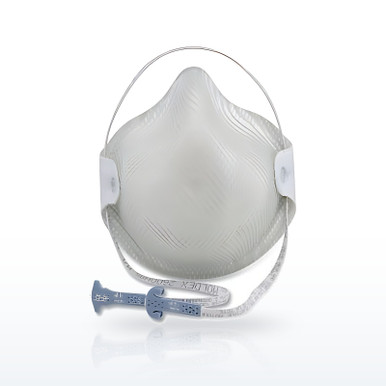
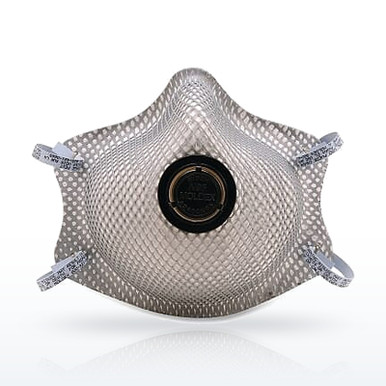 Moldex 2400 N95 particulate respiratorCup-style N95 with two straps and a nose clip
Why is there no hour limit? Because an N95 does not wear out on a schedule; it wears out with what it collects and how it is handled. A mask worn 2 hours in heavy drywall dust can be harder to breathe through than one worn 3 shifts in a clean shop. The standard therefore writes the rule as a condition, not a time: inspect it, keep it clean, and replace it when it is damaged, dirty, or breathing gets harder. The filter media is not the weak point; the straps, the nose foam and the face seal are, and those fail from handling, not from hours.
When must an N95 be replaced?
Each of these is a replace-now condition under the standard or the NIOSH filter rules. Any one is enough.
Can an N95 be reused?
Yes, within limits. NIOSH defines a single-use respirator as one that is entirely discarded after excessive resistance, sorbent exhaustion, or physical damage renders it unsuitable for further use. The definition does not say "one wearing"; it says discarded when unfit. For N-series filters NIOSH’s guidance is that they generally should be used and reused subject only to considerations of hygiene, damage, and increased breathing resistance. So an N95 taken off at break and put back on for the afternoon, or kept for a second day in the same dusty job, is within the rules if it passes inspection and the seal check and is stored properly in between.
42 CFR 84.2, definition of single-use respirator; NIOSH Guide to the Selection and Use of Particulate Respirators (96-101), user notice on N-series service time.Two things cut reuse short. First, contamination: NIOSH’s healthcare guidance is that ideally a used respirator is discarded after each patient encounter, because the outside of the mask collects what it filtered. The same logic applies to anything hazardous on the surface, such as lead or asbestos dust, where a re-donned mask puts the collected material against the hands and face. Second, the manufacturer: the user instructions for a given model may limit reuse, and the employer must use the respirator in compliance with the conditions of its certification.
NIOSH, Healthcare Respiratory Protection (respirator reuse and storage); 1910.134(d)(1)(ii).How should an N95 be stored between uses?
The standard requires all respirators to be stored to protect them from damage, contamination, dust, sunlight, extreme temperatures, excessive moisture and damaging chemicals, and packed or stored to prevent deformation of the facepiece and exhalation valve. A cup-style N95 stuffed in a pocket or left on the dash fails that rule: the shape is crushed and the seal is gone. NIOSH says never to store disposable respirators in pockets, plastic bags or other confined areas. A clean paper bag or an open container labeled with the wearer’s name, kept away from the dust, is the usual answer.
1910.134(h)(2)(i); NIOSH, Healthcare Respiratory Protection (storage of disposable respirators).Does the filter stop working after 8 hours?
Not in an oil-free dust. The N in N95 means not resistant to oil, and NIOSH restricts N-series filters to workplaces free of oil aerosols; in those workplaces the filter has no time limit of its own. The 8-hour rule belongs to the R-series: R95 filters, which are resistant to oil, are limited to a single shift or 8 hours of continuous or intermittent use when oil is present, because oil degrades the media over time. P-series filters (P95, P100) are oil-proof and in oil are used and reused according to the manufacturer’s time-use limit. Outside of oil, every series is limited only by hygiene, damage and breathing resistance.
42 CFR 84.170(a)(2): N-series restricted to workplaces free of oil aerosols; NIOSH 96-101 user notice: R-series single shift or 8 hours in oil, P-series per manufacturer, all series limited by hygiene, damage and breathing resistance.A caution about electrostatic media. Most N95s rely on a charged filter layer. NIOSH certifies N-series filters after conditioning them at 85 percent humidity and 38 degrees C for 25 hours and loading them with 200 milligrams of salt aerosol, so the 95 percent floor already allows for moisture and loading. A mask that is visibly caked or that feels harder to breathe through has passed that point and comes off under paragraph (g)(2).
42 CFR 84.174(c), (f)(3) and (i); 1910.134(g)(2)(ii)(B).What should the written program say about N95 replacement?
- A discard rule in plain terms: new mask each shift, or reuse until damaged, dirty, hard to breathe through or the seal check fails, whichever the hazard calls for. Jobs with toxic dusts (lead, asbestos, silica) usually get the stricter rule.
- Where used masks are kept between uses, and that pockets and bags are not allowed.
- That the seal check is done every time the mask goes on, and a failed check means a new mask.
- That inspection before each use covers straps, nose clip, valve and the shape of the cup.
- The manufacturer’s reuse instructions for each model on the approved list.
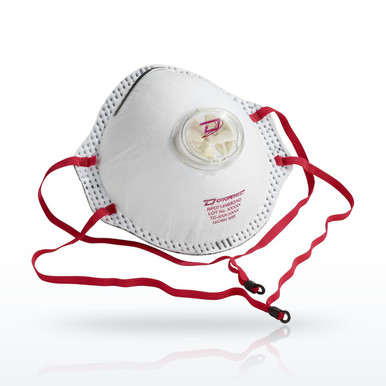
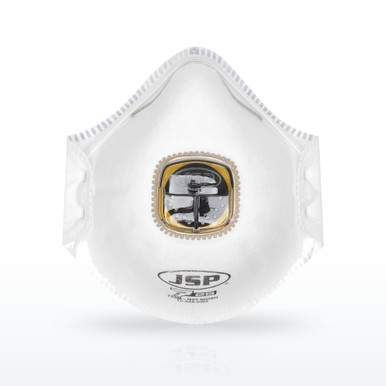
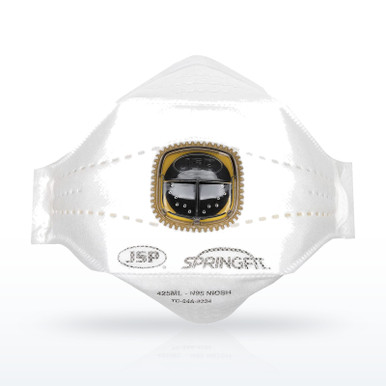
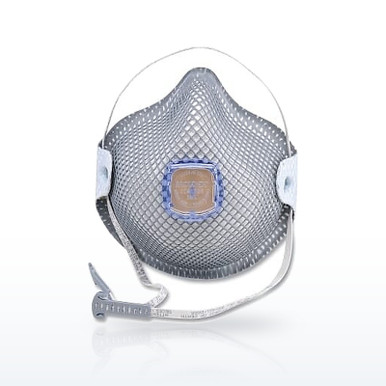
N95 and P100 filtering facepieces
24 items · prices liveFilter class is as certified by NIOSH and published by the manufacturer. Reuse limits for each model are in its user instructions. Pack and case counts are on the product page. Contractor Direct orders ship free.
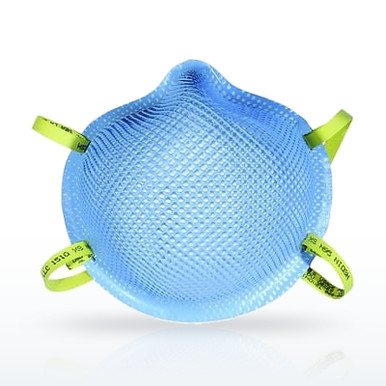
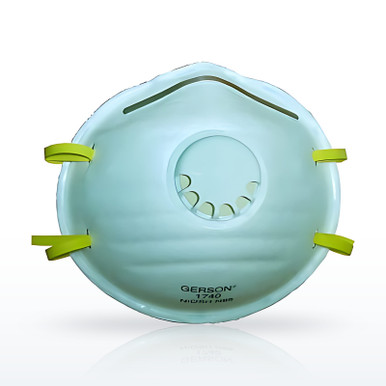
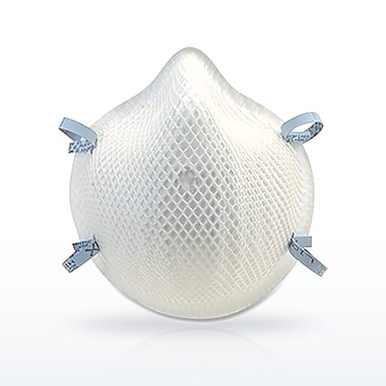
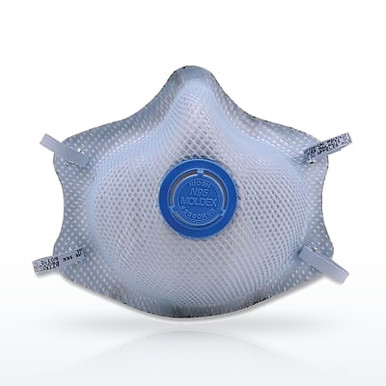
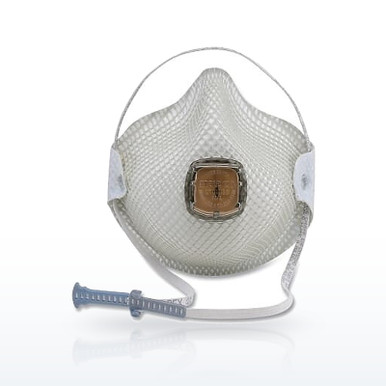
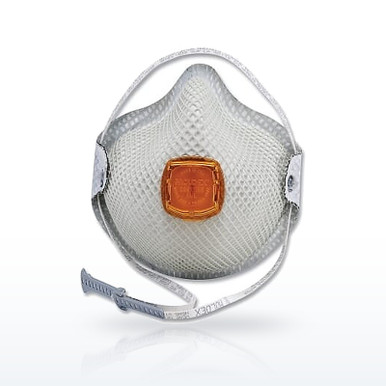
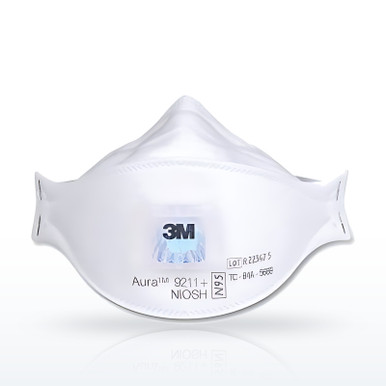
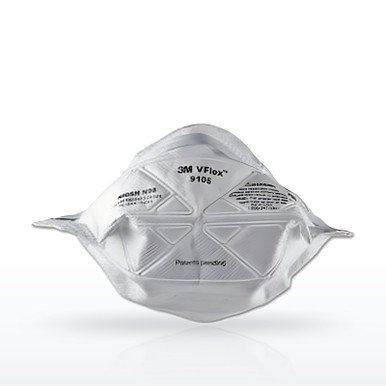
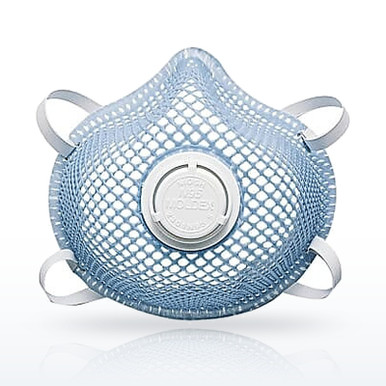
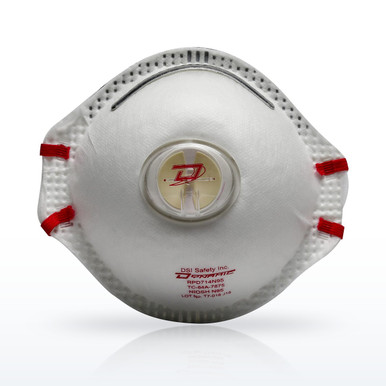

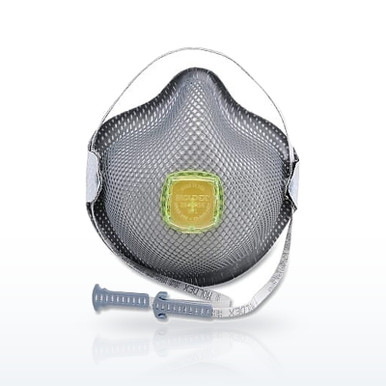
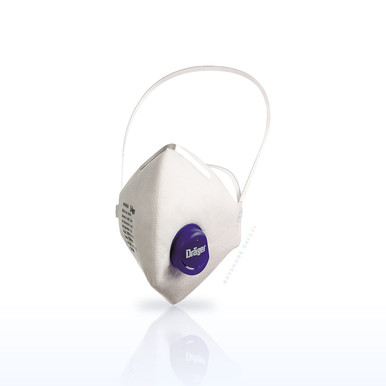
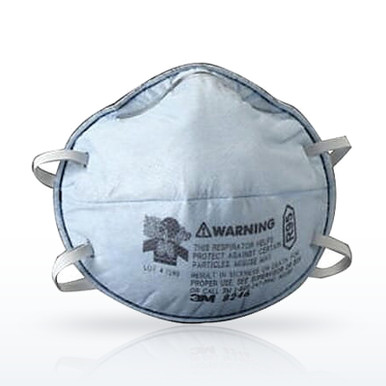
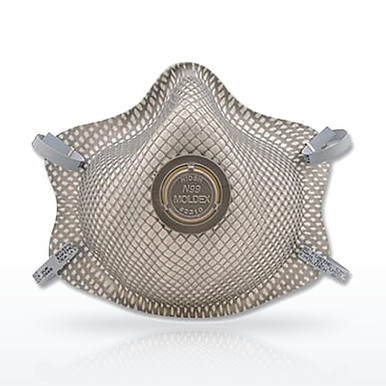
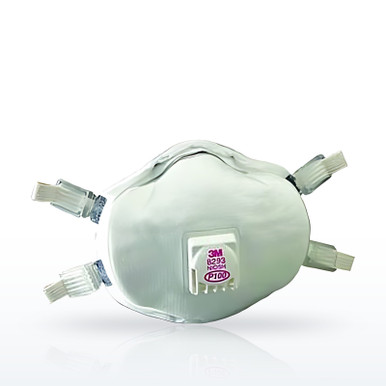
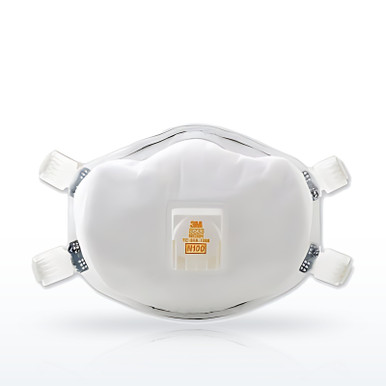
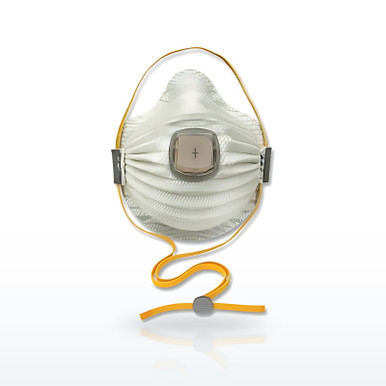
Reusable half masks with replaceable P100 filters are in the respirator selector.
Questions people ask
How many hours can you wear an N95?
OSHA sets no hour limit. The mask is replaced when it is damaged, dirty, harder to breathe through, or fails the seal check, or when the written program or manufacturer says to. (1910.134(g)(2) and (h).)
Can you reuse an N95 the next day?
If it passes inspection and the seal check, was stored properly, and the manufacturer and the written program allow it. Contaminated masks are discarded. (1910.134(h)(2) and (h)(3); NIOSH 96-101.)
Can an N95 be washed or cleaned?
No. It is a single-use respirator; the filter is the mask and cannot be cleaned. (42 CFR 84.2; NIOSH Healthcare Respiratory Protection.)
What does the 8-hour rule apply to?
R-series filters used where oil aerosols are present: single shift or 8 hours. It does not apply to N95s in oil-free dust. (NIOSH 96-101.)
Does an N95 expire?
Manufacturers print a shelf-life date on the box; straps and foam age in storage. The standard requires respirators to be stored away from sunlight, heat and moisture, and inspected before use. Follow the date on the package.
How do I know the filter is loaded?
Breathing gets harder. That is the signal the standard names: leave the area and replace the mask. (1910.134(g)(2)(ii)(B).)
Do I have to do a seal check every time?
Yes, every time a tight-fitting respirator is put on, including a reused N95. (1910.134(g)(1)(iii).)
Is an N95 with a valve any different for reuse?
The same rules apply, and the inspection also covers the valve. A stuck or cracked valve fails the mask. (1910.134(h)(3)(ii)(A).)
Standards and ratings on this page are as published in the documents named and by the manufacturers named. The employer’s hazard assessment and written program decide what applies at a given workplace. Verify a rating on the product and its spec sheet before use.