
What is Type R vs Type O vs Type P high-visibility apparel?
The type says where the garment is meant to be worn; the class says how much material it carries. Type O is off-road: Class 1 only, for workers with a struck-by hazard from vehicles but no exposure to public roadway traffic, such as warehouses, plants and parking lots. Type R is roadway: Class 2 or 3, for anyone exposed to traffic in a right-of-way or a temporary traffic control zone, which is what the MUTCD requires. Type P is public safety: Class 2 or 3 for police, fire and EMS, with less background material allowed in exchange for access to equipment and tear-away features. The label shows the type and class in words and in a pictogram.
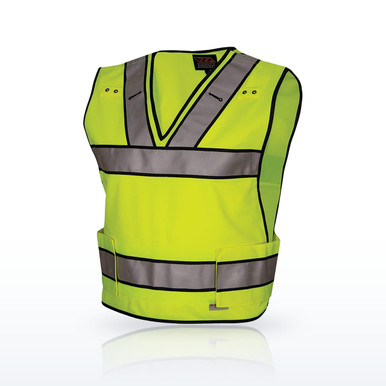 Reflective Apparel 549ST Hi-Vis Vests, ANSI Type P Class 2 Public Safety, V-NeckType P Class 2 public safety vest, as rated by the manufacturer
Why did the standard add types? Before 2015 there were two standards: ANSI/ISEA 107 for workers and ANSI/ISEA 207 for public safety vests. A police vest and a flagger vest were rated on different scales, and a Class 1 vest from 107 was being sold for roadway work it was never meant for. The 2015 edition merged 207 into 107 and labeled every garment with a type, so that the label itself says whether the garment is allowed near public traffic. Class 1 became Type O only, roadway garments became Type R, and the old 207 vest became Type P.
What does each type mean?
The three garment types in ANSI/ISEA 107-2020 and the classes each may carry.
Which type does your job need?
On or beside a public road, in a traffic control zone, or anywhere a vehicle traveling at road speed could reach you: Type R. The MUTCD requires Class 2 or 3 there, and only Type R and Type P garments are rated at those classes. Police, fire and EMS working an incident on the road: Type R or Type P, at the agency’s choice; the MUTCD allows the public safety vest for them and not for anyone else. Forklift traffic, yard trucks, loading docks, plant roads with no public traffic: Type O Class 1 is the minimum, and many employers choose Type R Class 2 anyway because it costs little more and the crew can then go to the road in the same vest.
MUTCD 11th edition section 6C.05 paragraphs 01 and 04 (Class 2 or 3 for workers in the TTC zone; ANSI/ISEA 207 option for responders and law enforcement); ANSI/ISEA 107-2020 section 4.A Type O garment on a roadway is the common mistake. The type is printed on the label and in the pictogram, so it is easy to check: a Class 1 pictogram, or a label with no type at all from before 2015, is not a roadway garment.
ANSI/ISEA 107-2020 section 12 (labeling); MUTCD 11th edition section 6C.05 paragraph 01.How to read a hi-vis label: the ANSI 107 tag explained
- The standard and the year. “ANSI/ISEA 107-2020” or “ANSI/ISEA 107-2015”. Both carry types. A label that reads 107-2010 or 107-2004 has classes but no type; a label that reads 207-2006 or 207-2011 is a public safety vest under the old separate standard. Garments made to older editions may be worn until worn out; buy the current edition.
- The pictogram. A drawing of the garment with the type letter and class number: for example a vest marked R and 2. Some labels use a generic figure, some draw the actual garment. A separate Class E pictogram is used on pants.
- The type and class in words. Type R Class 2, Type R Class 3, Type O Class 1, Type P Class 2 or 3, or Class E. The words and the pictogram must agree.
- The flame-resistance line. Either “FR” followed by the test standard the garment meets (ASTM F1506, ASTM F1891, ASTM F2302, ASTM F2733, NFPA 1977 or NFPA 2112), or the required statement that the garment is not flame resistant as defined by ANSI/ISEA 107-2020. A garment with no FR line is not FR.
- Manufacturer, style number and size. The style number ties the garment to the manufacturer’s declaration of conformity and test report, which you can ask for.
- Care instructions and the wash count. How to wash it and the maximum number of cleaning cycles the garment is rated for, which is the number of washes the retroreflective tape was tested through. Washing past it is the usual reason a garment that still looks fine no longer meets the standard.
- The single-use statement, on disposable coveralls only. Disposable hi-vis coveralls carry a label stating that they meet the single-use coverall requirements of section 11, “SINGLE-USE ONLY” and “DO NOT REMOVE THIS LABEL”.
One thing the label does not show is the edition the fabric was tested to after washing: the care label’s cycle count is the manufacturer’s statement for that garment, and it differs by fabric and tape even within one brand.
What changed between 107-2015 and 107-2020?
- The type structure stayed the same: O, R and P, with all Type R garments compliant for roadway workers and Type P an option for emergency responders.
- The accessories category was removed; headwear, armbands and the like are no longer rated under the garment classes.
- A section on single-use disposable coveralls was added, with its own test allowances and label.
- The appendices gained more garment designs, trim patterns, a color box picture and an example single-use label.
- The MUTCD 11th edition cites ANSI/ISEA 107-2015 “or equivalent revisions”, which is how the 2020 edition is accepted for roadway work; the 2009 MUTCD that OSHA incorporates cites 107-2004, and the FHWA has stated in an official interpretation that apparel meeting subsequent revisions of the standard is permitted provided their requirements are at least equivalent.
Garments by ANSI/ISEA 107 type
32 items · prices liveEach garment is listed at the ANSI/ISEA 107 type and class its manufacturer publishes; the edition, FR line and sizes are on the product page. Free shipping on orders over $199.
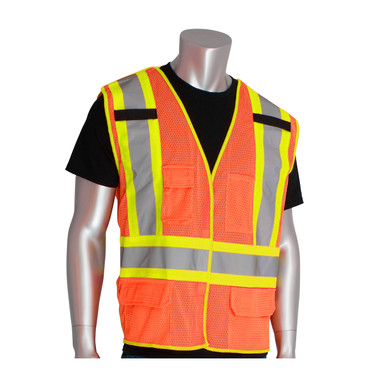
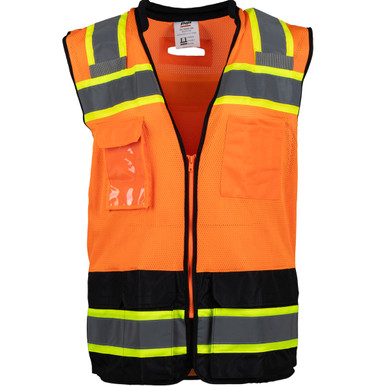
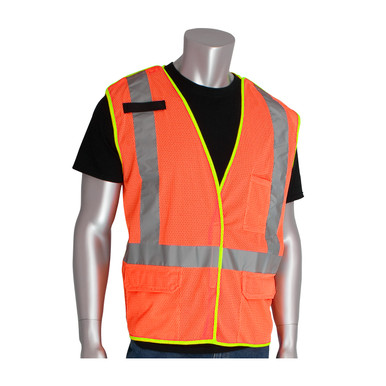
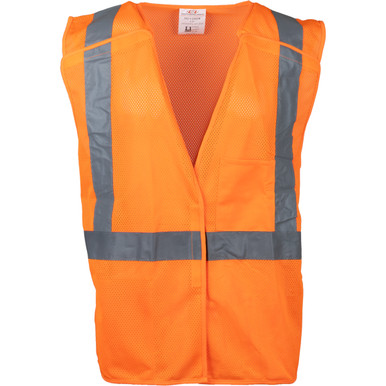
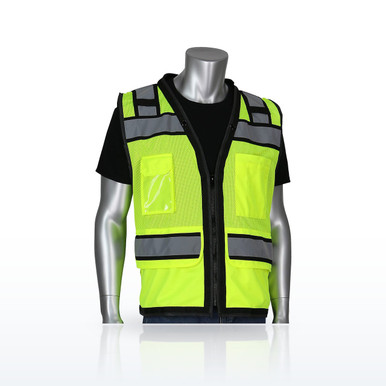
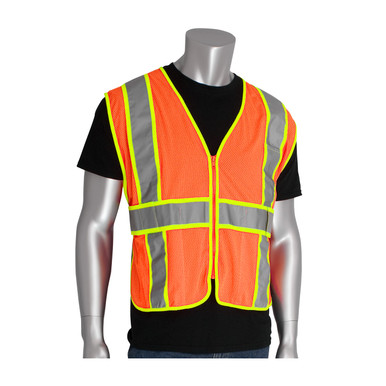
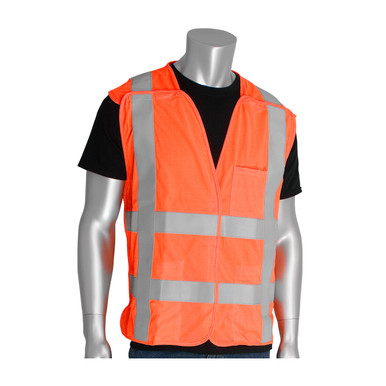
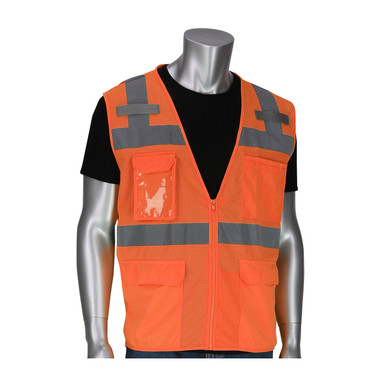
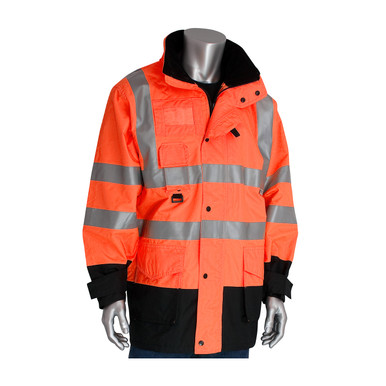
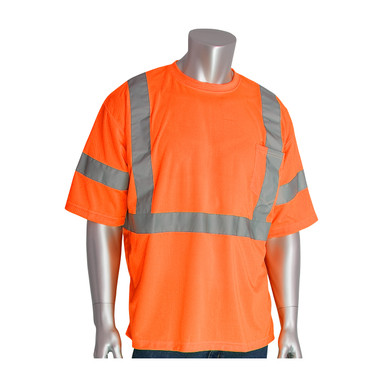
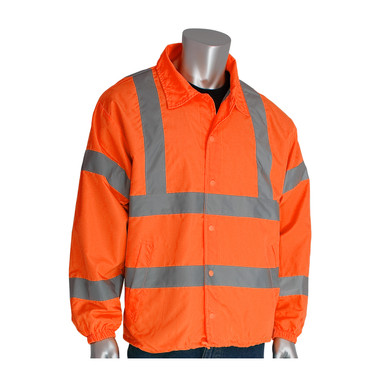
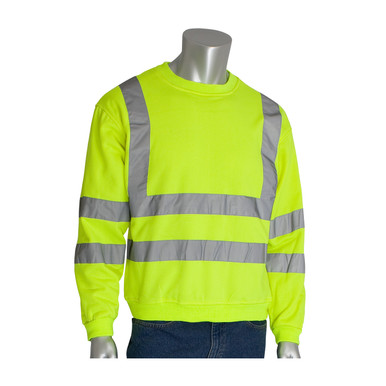
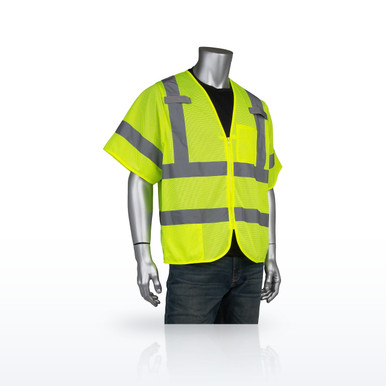
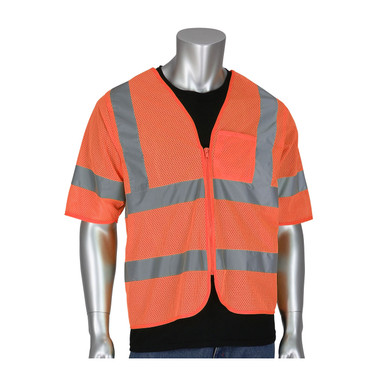
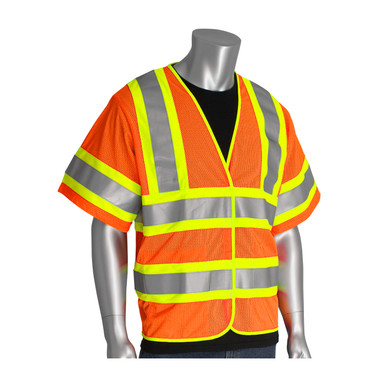
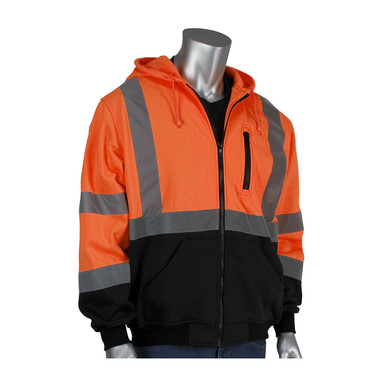
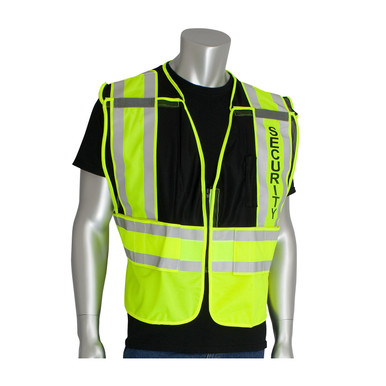
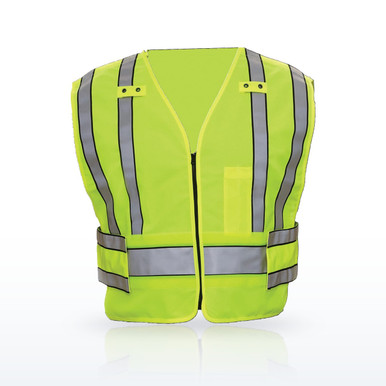
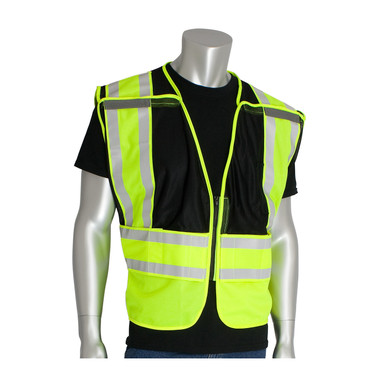
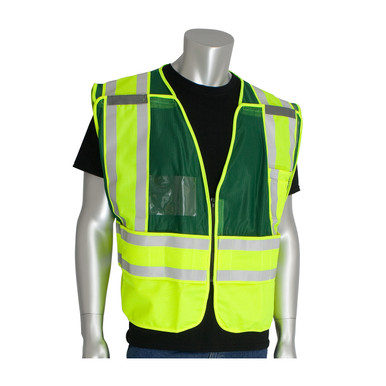
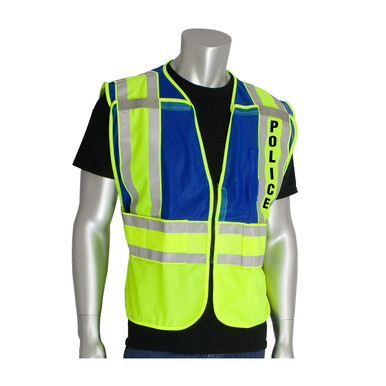
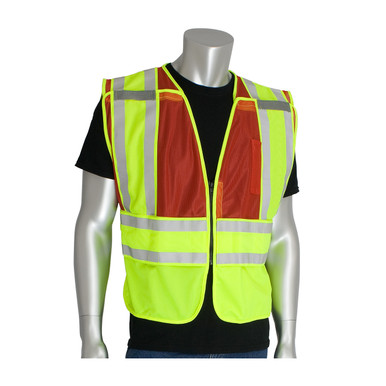
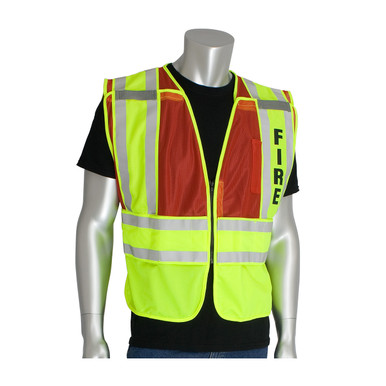
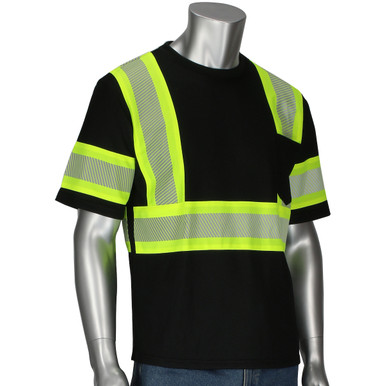
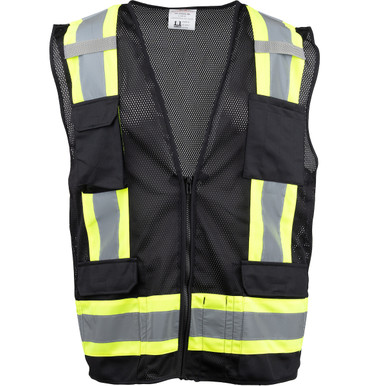
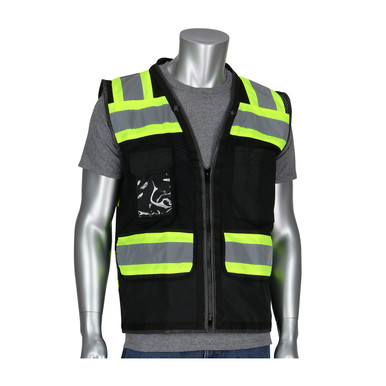
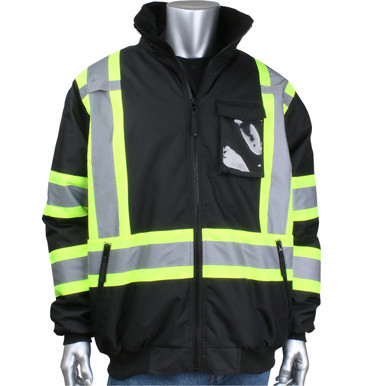
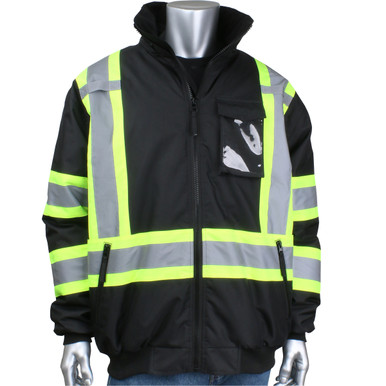
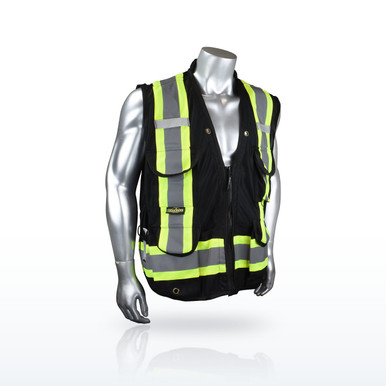
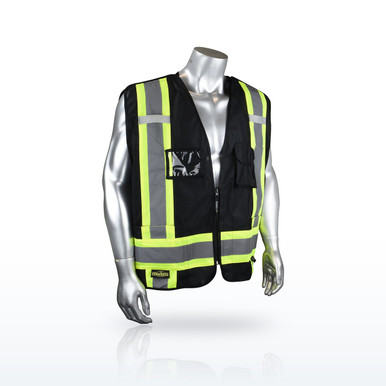
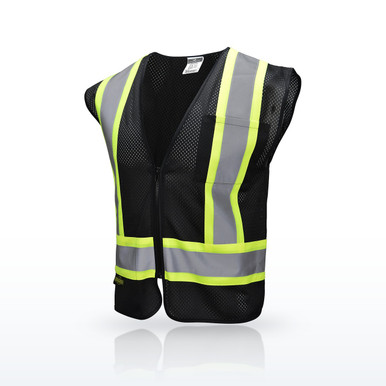
Garments listed by class only, where the manufacturer does not state a type, are on the hi-vis finder.
Questions people ask
What does Type R mean on a safety vest?
Roadway: the garment is rated for workers exposed to public traffic or to work vehicles in a traffic control zone, at Class 2 or 3. It is the type the MUTCD requirement is met with.
What is Type O hi-vis?
Off-road: Class 1 garments for workers with a vehicle struck-by hazard but no public roadway exposure, such as warehouses and plants. Not allowed for roadway work.
What is Type P?
Public safety: Class 2 or 3 garments for police, fire and EMS, with a lower background minimum (450 square inches for Class 2) in exchange for equipment access and tear-away features. Type P Class 2 replaced the ANSI/ISEA 207 public safety vest.
Can a construction worker wear Type P?
The MUTCD allows the public safety vest option only for emergency, incident and law enforcement personnel. Construction, utility and survey crews wear Type R.
Is a Class 2 vest always Type R?
Class 2 is carried by Type R and Type P. Type O only goes to Class 1. The label says which.
Is ANSI 107-2015 still acceptable?
Yes. The MUTCD 11th edition cites 107-2015 or equivalent revisions; garments made to 2015 or 2020 both carry types and classes.
What does the pictogram on the label show?
A figure or drawing of the garment with the type letter and class number, so the rating can be read without the words.
How many washes is a hi-vis garment rated for?
The number on the care label. It is set by the manufacturer’s test of that garment’s tape and fabric and differs by garment, so the label is the only source; tape makers publish counts from 30 home washes to 100 industrial washes for their different products.
Standards and ratings on this page are as published in the documents named and by the manufacturers named. The employer’s hazard assessment and written program decide what applies at a given workplace. Verify a rating on the product and its spec sheet before use.