
Intrinsically safe gas detectors: what Class I Div 1 and Div 2 mean
An intrinsically safe gas detector is one whose circuits cannot store or release enough electrical or thermal energy to ignite a flammable gas mixture, even when the detector fails. That matters because a gas detector is carried into exactly the places where flammable gas may be: tanks, sewers, pits, process areas. Class I means flammable gases or vapors. Division 1 means the gas may be present under normal conditions; Division 2 means it is normally contained and only escapes on a failure. A detector approved for Class I, Division 1 may be used in Division 1 and Division 2 locations of the same class and group. Groups A through D name the gases it was tested against, and T4 is the maximum surface temperature. In the United States the approval is issued by a nationally recognized testing laboratory, typically to UL 913, and the marking is on the detector’s label.
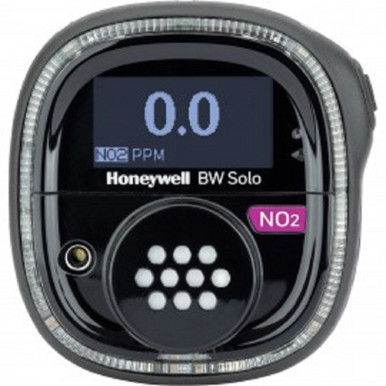
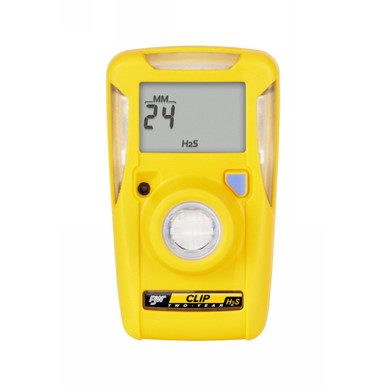
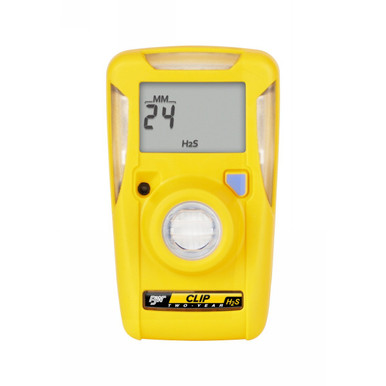
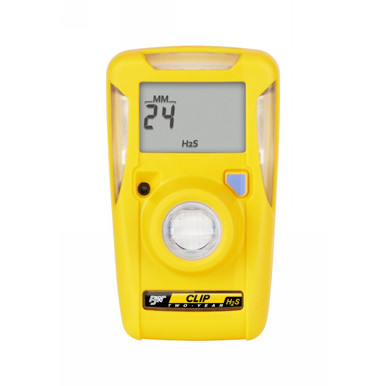
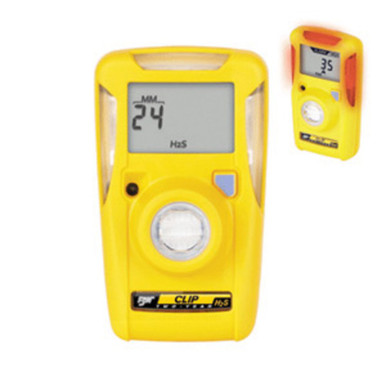
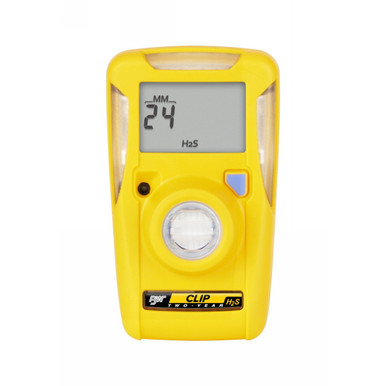
 BW Technologies BWS1-HL-Y Single Gas Monitors, Honeywell BW Solo PortableSingle-gas H2S monitor listed Class I, Division 1, Groups A, B, C, D, T4
Why does a gas detector need an explosion rating at all? A gas detector is the one piece of electrical equipment that is sent into a flammable atmosphere on purpose. It has a battery, a circuit board, an alarm horn and, on the LEL channel, a catalytic bead that runs hot by design. If any of that could spark or get hot enough to light the gas it is measuring, the instrument would be the ignition source. OSHA’s electrical standard requires that equipment in a classified location be approved for that location, and intrinsic safety is the protection method portable instruments use: keep the energy in every circuit below what the gas can ignite, so there is nothing to contain.
What do Class, Division and Group mean?
The classification system comes from the National Electrical Code and is written into OSHA’s electrical standard, which defines the locations.
What does intrinsically safe mean, and how is it different from explosion-proof?
Explosion-proof is a box. OSHA defines explosion-proof apparatus as equipment enclosed in a case that can withstand an explosion of the gas inside it and prevent ignition of the gas around it. Explosion-proof equipment lets the gas get in and the spark happen, and contains the result. That works for a motor or a junction box. It does not work for a handheld instrument that has to be light, open to the air so gas can reach the sensors, and safe even when dropped.
29 CFR 1910.399, definition of explosion-proof apparatus; 1910.307(f)(1), explosionproof apparatus as a protection technique for Class I, Division 1 and 2.Intrinsically safe is a circuit design. The energy available in every part of the instrument, under normal operation and under specified fault conditions, is kept below what is needed to ignite the gas group it is approved for. Current-limiting resistors, voltage clamps, encapsulated batteries and limits on stored energy in capacitors and inductors do that. OSHA permits equipment approved as intrinsically safe in any hazardous location for which it is approved, Division 1 included. In the United States the standard the laboratories test to is ANSI/UL 913, Intrinsically Safe Apparatus and Associated Apparatus for Use in Class I, II, and III, Division 1, Hazardous (Classified) Locations; the laboratory (UL, CSA, Intertek/ETL) then issues the listing that appears on the label.
29 CFR 1910.307(c)(1): equipment and associated wiring approved as intrinsically safe is permitted in any hazardous (classified) location for which it is approved; 1910.399, definition of approved and acceptable (listed by a nationally recognized testing laboratory); ANSI/UL 913 title and scope as published by UL.How do you read the rating on a gas detector label?
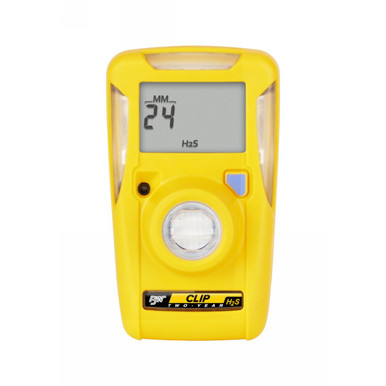
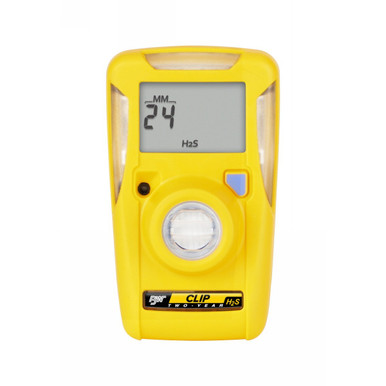
- Class I, Division 1, Groups A, B, C, D, T4: approved for flammable gas and vapor areas where gas may be present in normal operation, tested for the acetylene, hydrogen, ethylene and propane groups, surface temperature under 135 C. This is the marking on the Honeywell BW Solo and Clip monitors in the band below.
- CSA or cCSAus, UL or cULus, ETL or cETLus: the laboratory that issued the listing. The small c and us say it covers Canada and the United States. Any of these is a nationally recognized testing laboratory for OSHA’s purposes.
- Ex ia IIC T4 Ga, or ATEX II 1G, or IECEx: the same idea in the international zone system. Ex ia is intrinsic safety to the highest level, IIC is the gas group that includes hydrogen and acetylene, T4 is the same temperature code, and Ga or 1G is equipment for Zone 0. Many monitors carry both the North American division marking and the zone marking.
- Class I, Zone 0 or Zone 1: OSHA also recognizes the zone system in 1910.307(g), where intrinsic safety is the permitted technique for Zone 0 and Zone 1. A monitor marked only for zones is acceptable where the employer has classified the area under the zone system.
- IP66, IP67, IP68: not an explosion rating. That is dust and water ingress, a durability number. MIL-STD-810 drop testing is likewise not an explosion rating.
Does OSHA require an intrinsically safe gas detector for confined-space entry?
The confined-space standard requires a calibrated direct-reading instrument and says nothing about its electrical rating. The electrical standard does: if the space is a Class I location, which a space that can hold a flammable gas at more than 10 percent of its lower flammable limit may well be, electrical equipment used in it must be approved for that location. A gas detector with no hazardous-location listing is not approved for anything, and an employer who sends one into a sewer or a fuel tank is relying on luck. Every portable monitor from the manufacturers in our catalog carries a listing; the point of this guide is to read it and match it to the area classification in the written program.
29 CFR 1910.146(c)(5)(ii)(C) and (d)(5) (direct-reading instrument); 1910.307(a) and (c) (equipment in classified locations must be approved for the class and the specific gas); 1910.146(b), hazardous atmosphere item (1) (10 percent of LFL).Gas monitors with a published Class I, Division 1 listing
36 items · prices liveEach item’s hazardous-location marking is shown as the manufacturer publishes it on the product page and spec sheet. RKI and MSA monitors list a CSA approval on their product pages; the class and division detail for those models is on the manufacturer spec sheet. Free shipping on orders over $199.
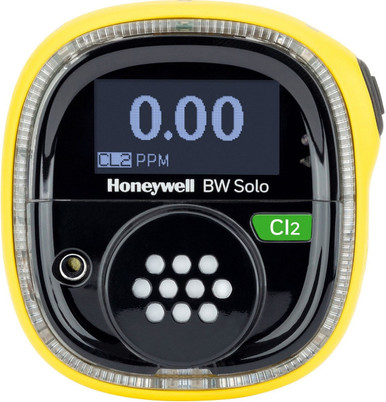
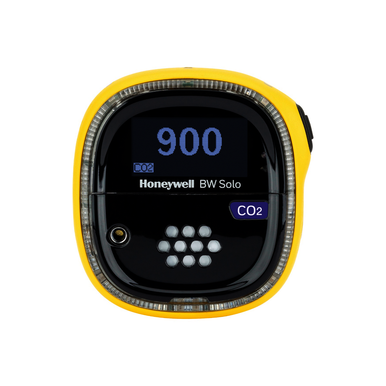
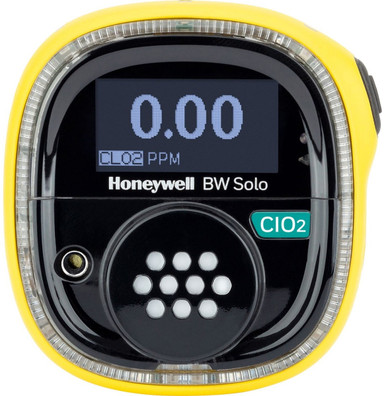

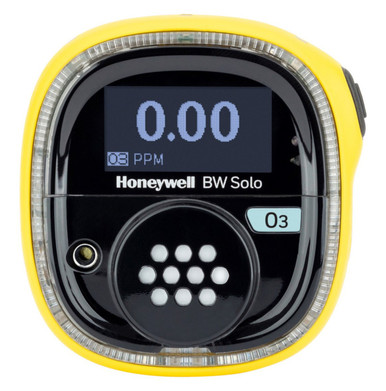
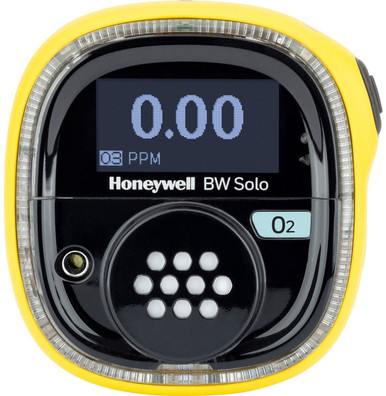
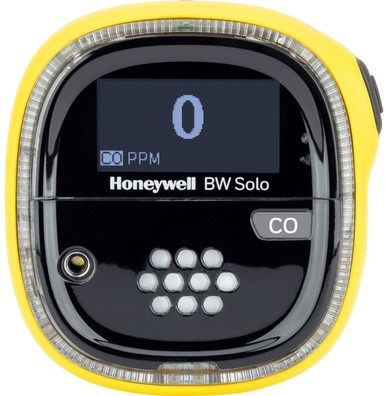
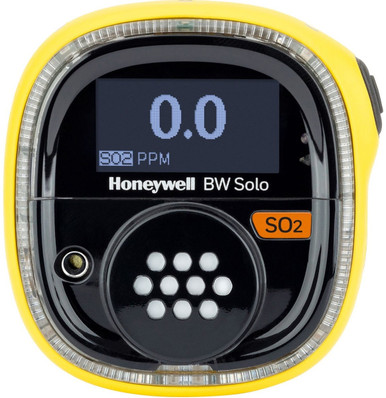



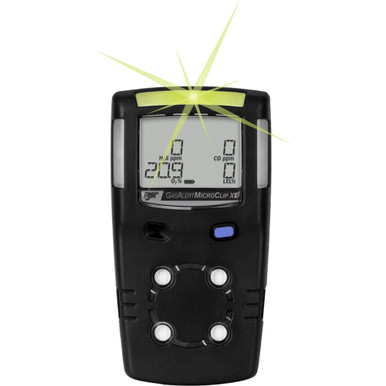

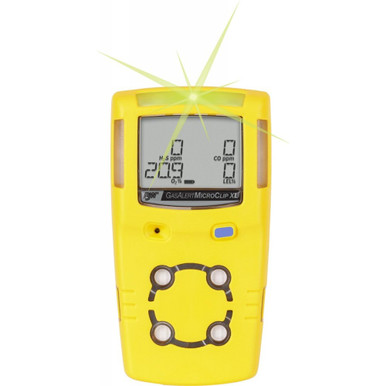
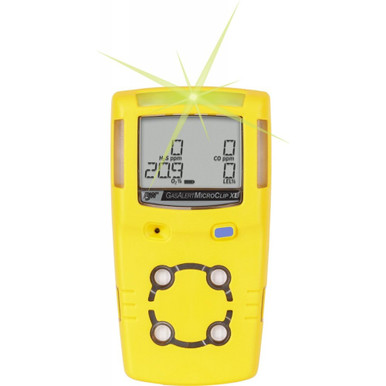

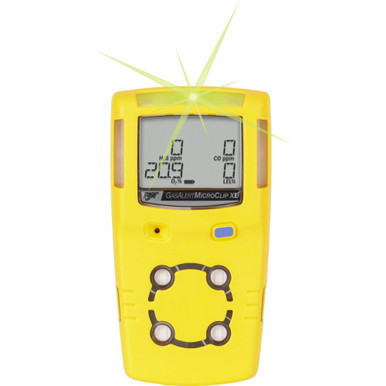

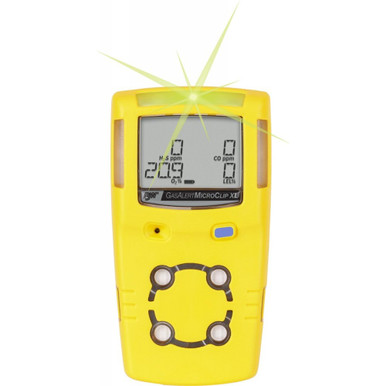
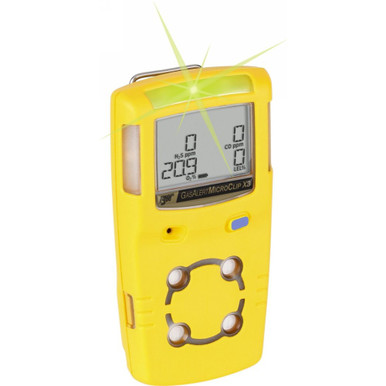
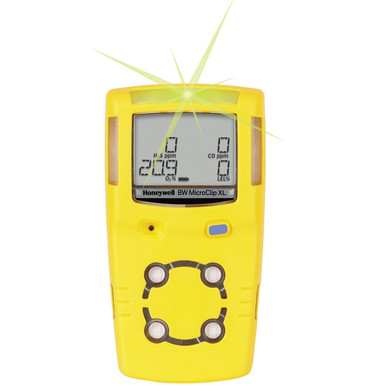


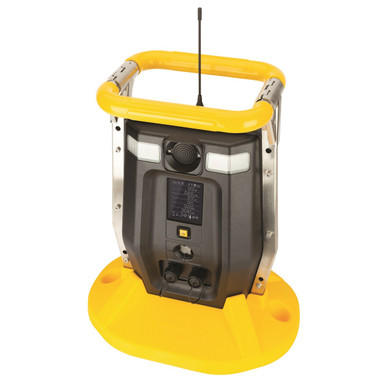


RKI GX-3R, GX-3R Pro and GX-Force, and MSA ALTAIR monitors, list CSA approval in the finder; see the spec sheet on each product page for the class, division and group marking.
Questions people ask
What does intrinsically safe mean?
The instrument’s circuits cannot release enough electrical or thermal energy to ignite the flammable gas it is approved for, even under fault conditions. OSHA permits intrinsically safe equipment in any hazardous location it is approved for. (1910.307(c)(1).)
What is the difference between Class I Division 1 and Division 2?
Division 1: flammable gas may be present under normal operation or frequently from leaks or maintenance. Division 2: the gas is normally contained and only escapes on a failure, or ventilation normally keeps it out. (1910.399.)
Can I use a Division 1 gas detector in a Division 2 area?
Yes. Equipment approved for Division 1 may be used in Division 2 of the same class and group. A Division 2 instrument may not be used in Division 1. (1910.307(e).)
What are Groups A, B, C and D?
Gas groups from the National Electrical Code, each named for a representative gas: A acetylene, B hydrogen, C ethylene, D propane. A detector marked A, B, C, D has been tested for all four.
What does T4 mean on a gas detector?
A temperature code: the surface will not exceed 135 C (275 F) in a 40 C ambient. OSHA requires the marked temperature to be below the ignition temperature of the gas present. (1910.307(c)(2)(ii).)
What is UL 913?
The United States standard for intrinsically safe apparatus for Class I, II and III, Division 1 hazardous locations. Laboratories such as UL, CSA and Intertek test to it and issue the listing on the label.
Is an IP67 rating the same as intrinsically safe?
No. IP ratings describe dust and water resistance. The explosion rating is the Class, Division, Group and T-code marking, or the Ex ia zone marking.
Does OSHA require intrinsically safe gas detectors?
OSHA requires electrical equipment in a classified location to be approved for that location and for the specific gas (1910.307(c)). For a portable gas detector carried into a Class I area, an intrinsically safe listing is how that is met.
Standards and ratings on this page are as published in the documents named and by the manufacturers named. The employer’s hazard assessment and written program decide what applies at a given workplace. Verify a rating on the product and its spec sheet before use.