
Who needs lockout/tagout training? Authorized vs affected employees
Three groups. Authorized employees are the people who put the locks on and do the servicing; they get the full training on energy sources, how much energy is there, and how to isolate it. Affected employees operate the machine or work in the area; they are taught what the procedure is for and what the locks and tags mean. Everyone else who works where lockout happens is told not to try to restart locked equipment. The employer certifies the training with each person’s name and the dates, and retrains when jobs, machines or procedures change.
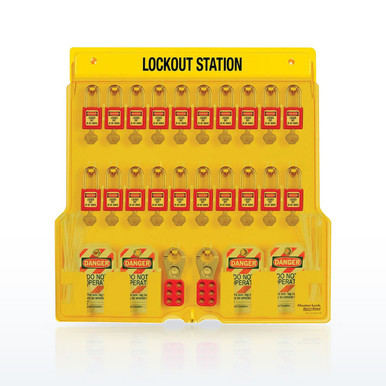
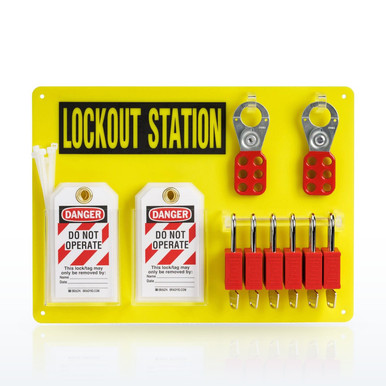 Brady 153679 six-lock lockout stationSix keyed-different padlocks, hasps, tags and ties on one board: one lock per authorized employee
Why does OSHA split people into groups? The lock on a disconnect only works if everyone around it knows what it means. The person who applied it has to know the machine well enough to find every energy source. The operator has to know not to pull the lock or hit the start button. The forklift driver passing through has to know the same. OSHA wrote the training rule in three tiers so each person is taught what their own job requires, and nothing is left to assumption.
Who is who under 1910.147?
The standard defines the two named groups and then adds a third in the training paragraph.
What does each group have to be trained on?
- Authorized employees: recognition of the hazardous energy sources that apply, the type and magnitude of the energy in the workplace, and the methods and means for isolating and controlling it. In practice this is the written procedure for each machine, hands-on application of the devices, and verification.
- Affected employees: the purpose and use of the energy control procedure. They need to know why the machine is locked, what the lock and tag mean, and that they do not touch either.
- All other employees in the area: the procedure, and the prohibition on attempting to restart or re-energize equipment that is locked out or tagged out.
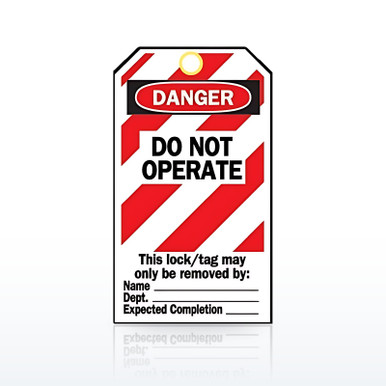
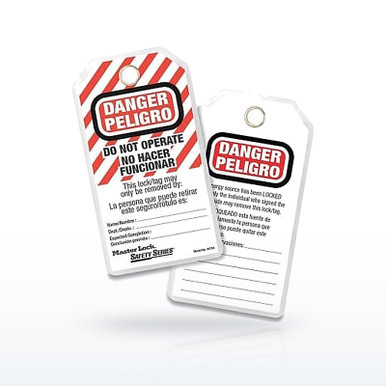
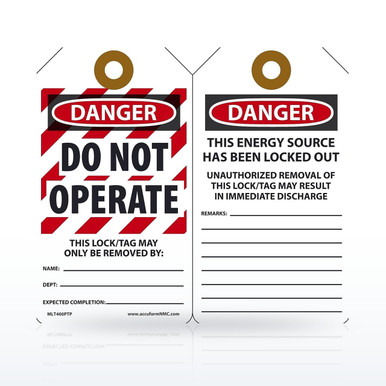
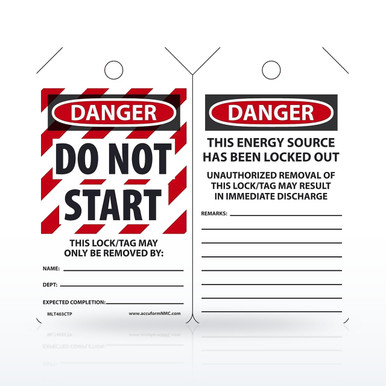
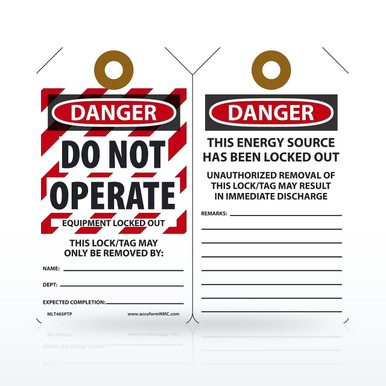
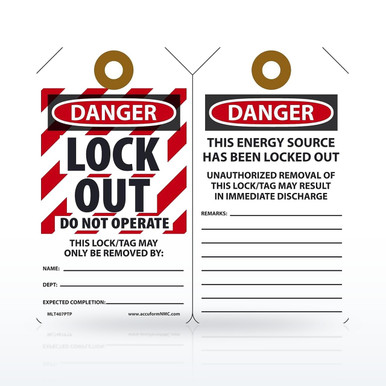
- Everyone, when tags are used: the limits of a tag. A tag is a warning, not a physical restraint; it is never bypassed, ignored or defeated; it must be legible to everyone in the area; it must be securely attached; and it can give a false sense of security.
When is retraining required?
Three triggers, and the standard applies them to both authorized and affected employees. First, a change in job assignment. Second, a change in machines, equipment or processes that presents a new hazard. Third, a change in the energy control procedure itself. A fourth trigger is the annual inspection: when the inspector finds that an employee is not following the procedure, or the employer has reason to believe someone has lost proficiency, that person is retrained. Retraining has to re-establish proficiency and cover any new or revised control methods.
1910.147(c)(7)(iii)(A), (B) and (C).There is no fixed interval in the standard. The annual requirement in 1910.147 is the periodic inspection of the procedure, not an annual training class. Many employers retrain every year anyway because the inspection review with each authorized employee is easiest to run as a refresher, but the rule itself is event-driven.
1910.147(c)(6)(i): periodic inspection at least annually; (c)(7)(iii): retraining triggers.What record does the employer have to keep?
A certification that training has been done and is being kept up to date, containing each employee’s name and the dates of training. That is the whole requirement: no test scores, no course outline, no card. Most employers keep a roster per session with the topics listed, which covers the certification and shows an inspector what was taught.
1910.147(c)(7)(iv).Contractors are a separate case. When outside servicing personnel work under the standard, the on-site employer and the outside employer must inform each other of their lockout or tagout procedures, and the on-site employer must make sure its own employees understand and follow the restrictions of the outside employer’s program.
1910.147(f)(2)(i) and (ii).What does the training have to do with the hardware?
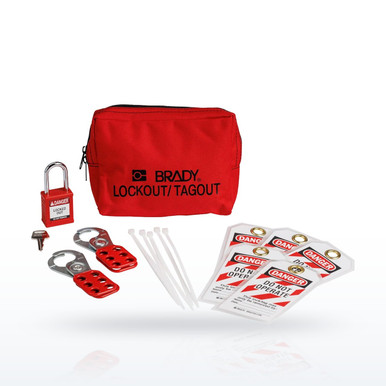
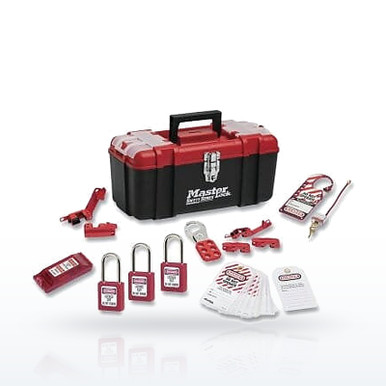
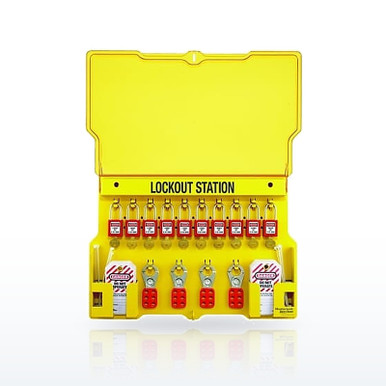
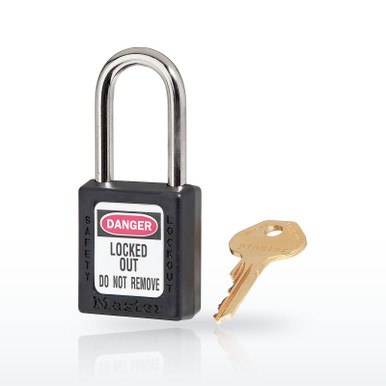
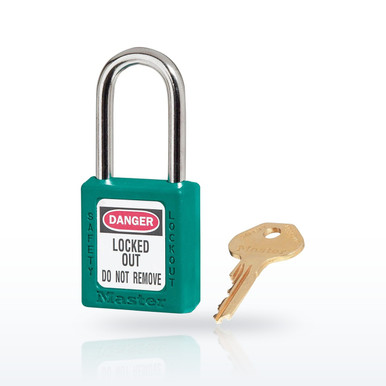
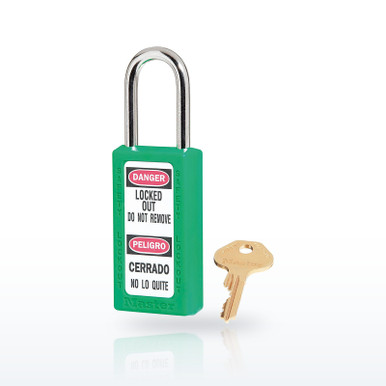
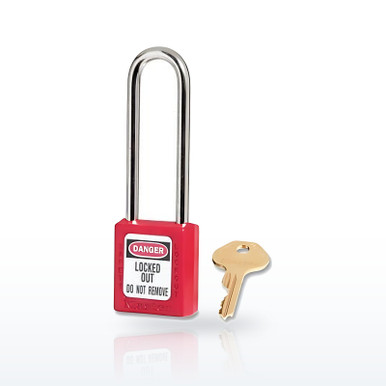
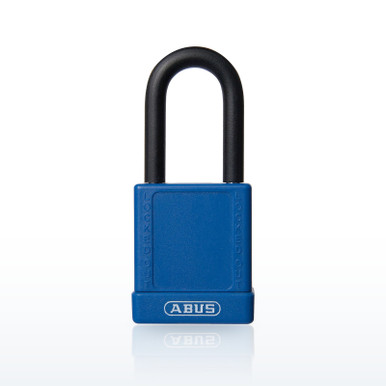
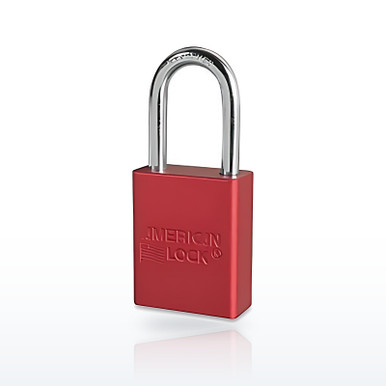
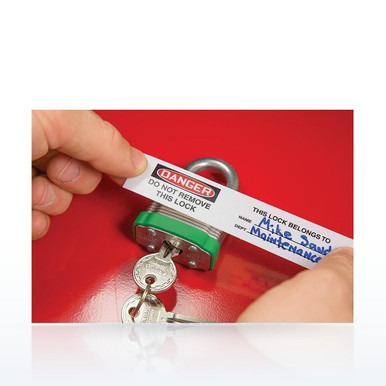
The employer provides the locks, tags, chains, wedges, key blocks and other hardware; employees do not bring their own. Each device must identify the employee who applied it, which is why authorized employees are issued their own lock, keyed different from everyone else’s, with a name tag or engraved identification. The training on applying and removing devices assumes that each authorized employee has a personal lock to apply. A lockout station or personal kit is how most employers issue them, and the key registration card that comes with a keyed-different set is part of the record.
1910.147(c)(5)(i): hardware provided by the employer; (c)(5)(ii)(D): devices identify the employee applying them; (e)(3): removal by the employee who applied the device.Lockout locks, tags and kits for issuing to authorized employees
21 items · prices liveDevice types are as described by the manufacturer; see each product page for keying, body material and shackle size. Free shipping on orders over $199.



Keyed-alike sets and master-keyed systems for a department are quoted on request: call (925) 215-7337.
Questions people ask
Who needs lockout/tagout training?
Three groups: authorized employees who apply the locks and do the servicing, affected employees who operate the equipment or work in the area, and all other employees whose work takes them into an area where lockout is used. (1910.147(c)(7)(i).)
What is the difference between an authorized and an affected employee?
An authorized employee locks out the equipment to service it. An affected employee operates it or works near it while it is locked out. An affected employee becomes authorized as soon as their duties include servicing or maintenance. (1910.147(b).)
Can an affected employee remove a lock?
No. Each lockout or tagout device is removed by the employee who applied it. The employer may remove it only under a documented procedure when that employee is not available. (1910.147(e)(3).)
How often is lockout/tagout training required?
The standard sets no interval. Retraining is required when jobs, machines, processes or procedures change, and when an inspection shows someone is not following the procedure. The annual requirement is the inspection of the procedure. (1910.147(c)(7)(iii) and (c)(6).)
Does OSHA require a lockout/tagout training certificate?
The employer must certify that training has been done and is current, with each employee’s name and the dates. No specific form or card is required. (1910.147(c)(7)(iv).)
Do contractors have to be trained to our procedure?
The on-site employer and the contractor must inform each other of their procedures, and the on-site employer must make sure its employees follow the contractor’s restrictions. The contractor trains its own authorized employees. (1910.147(f)(2).)
Does lockout/tagout training apply in construction?
1910.147 excludes construction and agriculture. Construction lockout rules are in 29 CFR 1926, including 1926.417 for electrical circuits. (1910.147(a)(1)(ii)(A).)
Standards and ratings on this page are as published in the documents named and by the manufacturers named. The employer’s hazard assessment and written program decide what applies at a given workplace. Verify a rating on the product and its spec sheet before use.