
Periodic inspection of lockout procedures: what 1910.147(c)(6) requires
At least once a year, the employer has to check that each energy control procedure is being followed and still works. The check is done by an authorized employee who is not one of the people using that procedure. It includes a review between the inspector and every authorized employee of their responsibilities under the procedure, and for tagout the affected employees too. Anything found wrong is corrected. The employer then certifies the inspection in writing: the machine, the date, the employees included, and the person who did it.
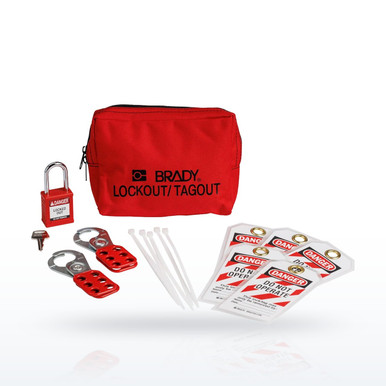
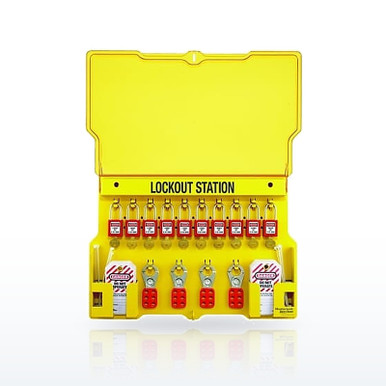 Master Lock Safety Series lockout stationPadlocks, hasps and tags on one board with a key registration card
Why does OSHA require an inspection of a written procedure? Procedures drift. A machine gets a second air line, a new operator learns a shortcut, a disconnect is replaced with one that sits in a different spot, and the written steps no longer match the floor. The periodic inspection is OSHA’s way of making the employer walk each procedure with the people who use it and fix what has drifted before it hurts someone. It is also the point where the standard catches training that has worn off, because a finding triggers retraining.
What does 1910.147(c)(6) require?
Five elements, all of them mandatory.
What does an inspection look like on the floor?
- Pick the procedure. Each written energy control procedure gets its own inspection. Where one procedure covers a group of similar machines, one inspection of that procedure covers them.
- Pick the inspector. An authorized employee who does not use that procedure: a maintenance lead from another line, a safety coordinator who is authorized, or an authorized employee from another shift.
- Walk it with the people who use it. The inspector observes an authorized employee apply the procedure on the machine, or walks through it with them step by step: the energy sources listed, the isolating points, the devices, the stored-energy release, the verification, and the restoration steps.
- Hold the review. With each authorized employee, a conversation about their responsibilities under that procedure. For tagout procedures, the affected employees are included and the tag limitations are covered.
- Correct what is wrong. A missing energy source, an isolating device that has moved, a device that no longer fits, a step nobody follows: the procedure is revised, the hardware replaced, or the employee retrained.
- Certify. Machine, date, employees included, inspector. One form per procedure, kept with the program.
What happens when the inspection finds a problem?
Two things. The deviation is corrected, which is a stated purpose of the inspection. And the people involved are retrained: the standard requires additional retraining whenever a periodic inspection reveals, or the employer has reason to believe, that there are deviations from or inadequacies in an employee’s knowledge or use of the procedure. The retraining re-establishes proficiency and introduces any revised steps, and the training certification is updated with the new dates.
1910.147(c)(6)(i)(B); (c)(7)(iii)(B) and (C); (c)(7)(iv).Is the periodic inspection the same as annual training?
No. The inspection is of the procedure, and the review with each authorized employee is part of it. Training has its own paragraph with its own triggers: initial training, and retraining when jobs, machines, processes or procedures change or when an inspection finds a problem. There is no annual training requirement in the standard. Many employers fold the two together, running the inspection review as a yearly refresher, which satisfies both if the review and the certification are documented.
1910.147(c)(6) and (c)(7).What does the inspection have to do with the hardware?
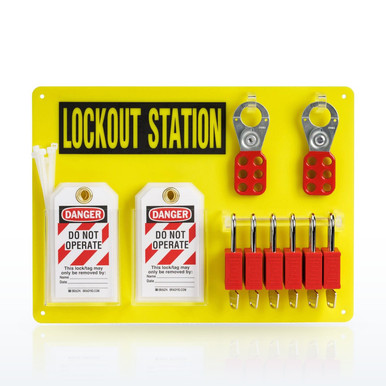
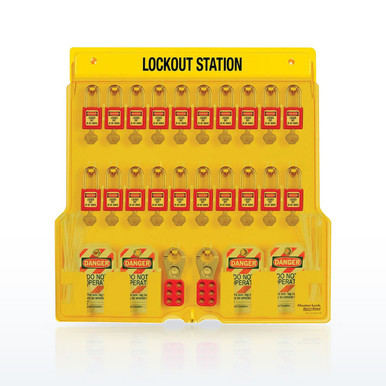
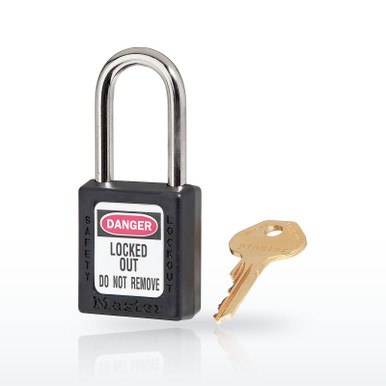
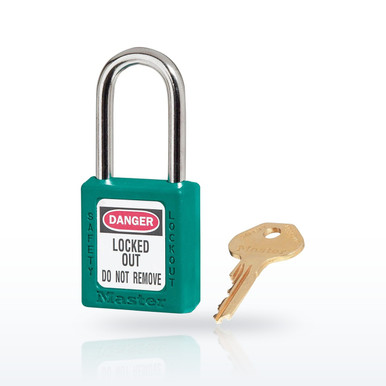
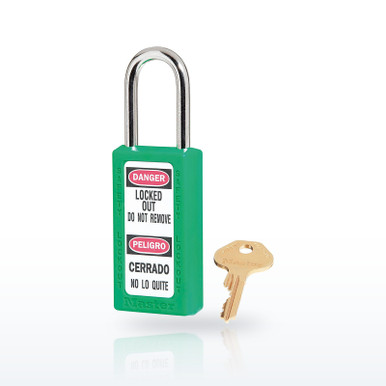
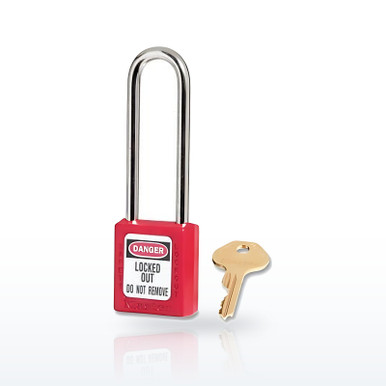
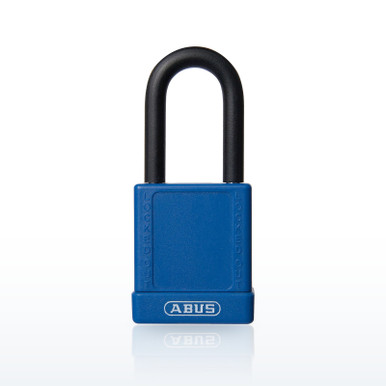
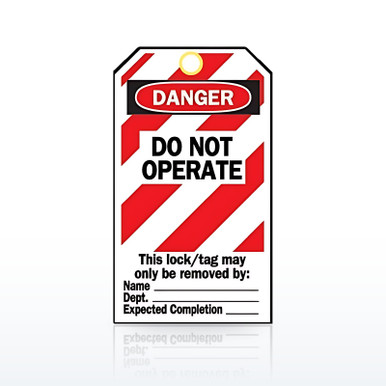
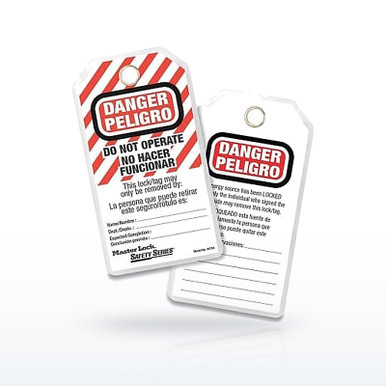
The inspection checks that devices still meet the standard: durable in the environment they are in, standardized across the facility, substantial, and marked with the employee’s identity. Faded tags, cracked breaker lockouts, padlocks with no name label, and a station where half the keyed-different locks have gone missing all show up here. A lockout station with a key registration card gives the inspector a list to check locks against; tags with a write-on back record who, when and why.
1910.147(c)(5)(ii)(A) through (D). Station and tag features as published by the manufacturers.Lockout stations, padlocks and tags
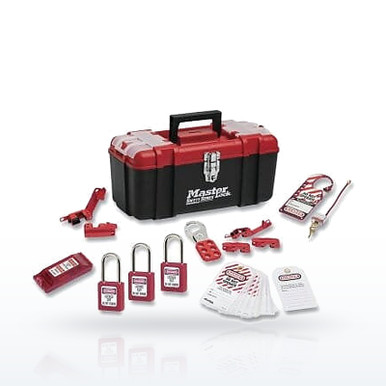
22 items · prices liveDevice types and contents are as published by the manufacturer; see each product page. Contractor Direct orders ship free.




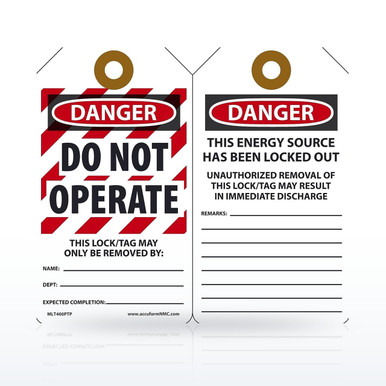
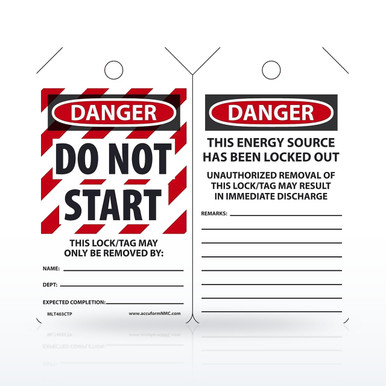
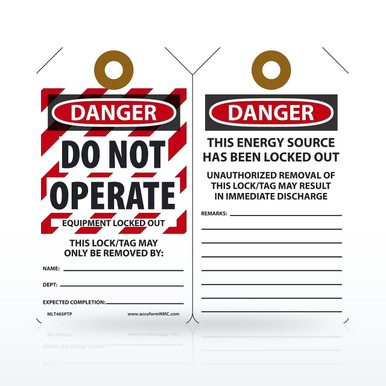
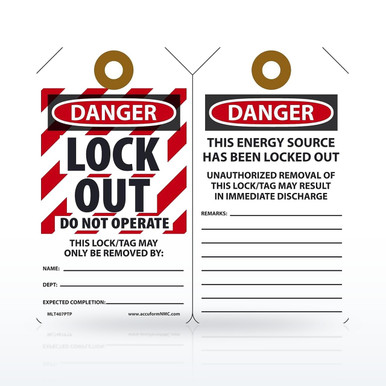
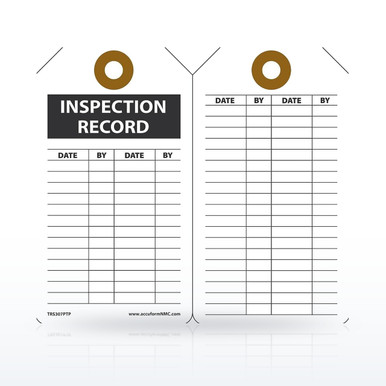
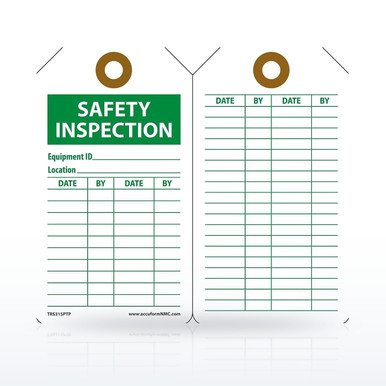
Replacement padlocks keyed to an existing registration chart are quoted on request: call (925) 215-7337.
Questions people ask
How often must lockout/tagout procedures be inspected?
At least annually, per procedure. (1910.147(c)(6)(i).)
Who can perform the periodic inspection?
An authorized employee other than the ones using the procedure being inspected. (1910.147(c)(6)(i)(A).)
Can a supervisor inspect their own crew’s procedure?
If the supervisor is an authorized employee who does not use that procedure, yes. If they lock out under it themselves, someone else inspects it.
What must the inspection certification include?
The machine or equipment, the date of the inspection, the employees included, and the person performing the inspection. (1910.147(c)(6)(ii).)
Does every authorized employee have to be interviewed?
Yes. For lockout, the inspection includes a review between the inspector and each authorized employee of their responsibilities. For tagout, each affected employee too. (1910.147(c)(6)(i)(C) and (D).)
What if the inspection finds someone not following the procedure?
The deviation is corrected and the employee is retrained to re-establish proficiency. (1910.147(c)(6)(i)(B); (c)(7)(iii)(B).)
Is annual lockout/tagout training required?
No. The annual requirement is the inspection of the procedure. Retraining is triggered by changes in jobs, equipment or procedures and by inspection findings. (1910.147(c)(7)(iii).)
Standards and ratings on this page are as published in the documents named and by the manufacturers named. The employer’s hazard assessment and written program decide what applies at a given workplace. Verify a rating on the product and its spec sheet before use.