
What is a maximum use concentration (MUC) and how is it calculated?
The maximum use concentration is the highest concentration of a contaminant a respirator can be used in. You get it by multiplying the respirator’s assigned protection factor by the OSHA exposure limit for the substance. A half mask has an APF of 10, so for a contaminant with a PEL of 50 ppm its MUC is 500 ppm. A full facepiece has an APF of 50, so its MUC for the same contaminant is 2,500 ppm. The employer must keep the air outside the respirator at or below the MUC. The number is capped: if the calculated MUC is above the IDLH level or above what the cartridge can handle, the lower figure is the MUC, and MUCs are never used in IDLH atmospheres at all.
 3M Rugged Comfort half facepieceAPF 10 under Table 1, so its MUC is 10 times the exposure limit
Why does OSHA use a maximum use concentration? An assigned protection factor is a ratio: a half mask with an APF of 10 is expected to cut what the wearer breathes to one-tenth of what is outside. That ratio only protects someone if the air outside is not so dirty that one-tenth of it is still over the limit. The MUC turns the ratio into a number you can compare with a monitoring result, which is what an employer actually has in hand when choosing a respirator. OSHA added the MUC rule with the APF table in 2006 so that selection is done the same way everywhere.
How do you calculate an MUC?
The rule in 4 steps.
Worked examples
Ammonia. OSHA’s PEL is 50 ppm as an 8-hour average and the NIOSH IDLH value is 300 ppm. A half mask with green ammonia cartridges: 10 × 50 = 500 ppm, but 500 is above the IDLH of 300, so the MUC is 300 ppm. A full facepiece: 50 × 50 = 2,500 ppm, capped the same way at 300 ppm. Above 300 ppm the atmosphere is IDLH and only a pressure-demand SCBA or pressure-demand supplied air with escape cylinder may be used.
29 CFR 1910.1000 Table Z-1 (ammonia, 50 ppm); NIOSH Pocket Guide, ammonia IDLH 300 ppm; 1910.134(d)(3)(i)(B)(2) and (3); 1910.134(d)(2)(i).Lead. The PEL is 50 micrograms per cubic meter and the NIOSH IDLH value is 100 milligrams per cubic meter, which is 100,000 micrograms. A half mask with P100 filters: 10 × 50 = 500 µg/m³. A full facepiece: 50 × 50 = 2,500 µg/m³. A PAPR with a tight-fitting full facepiece: 1,000 × 50 = 50,000 µg/m³, still under the IDLH, so no cap applies. The lead standard adds its own rule that a full facepiece is required where lead aerosol irritates the eyes or skin.
29 CFR 1910.1025(c)(1); NIOSH Pocket Guide, lead IDLH 100 mg/m³; 1910.134 Table 1; 1910.1025(f)(3)(i)(B).Asbestos. The PEL is 0.1 fibers per cubic centimeter and the excursion limit is 1 fiber per cubic centimeter over 30 minutes. A half mask elastomeric respirator with P100 filters: 10 × 0.1 = 1 f/cc. A full facepiece: 50 × 0.1 = 5 f/cc. The excursion limit gets its own MUC: 10 × 1.0 = 10 f/cc for the half mask over any 30-minute period. The asbestos standards also forbid filtering facepieces and set respirator types by work class, which override the arithmetic.
29 CFR 1926.1101(c)(1) and (2); 1910.134(b) (MUC may be computed from a PEL, STEL or ceiling); 1926.1101(h)(3).What lowers the MUC below the arithmetic?
- IDLH. Employers must not apply MUCs to IDLH conditions. When the calculated MUC is above the IDLH level, the IDLH level becomes the MUC, and above it the IDLH respirators apply.
- Cartridge or canister limits. A gas or vapor cartridge has a maximum concentration it can hold for a useful time; the manufacturer publishes it. When that is lower than APF times PEL, the cartridge limit is the MUC.
- No OSHA limit. For a substance with no PEL, STEL or ceiling, the employer determines an MUC from relevant information (a NIOSH REL or other published limit) and informed professional judgment.
- Program gaps. Table 1 APFs are only effective when the employer runs a continuing, effective program with training, fit testing, maintenance and use rules. Without a passed fit test on that facepiece, there is no APF, and so no MUC.
How does the MUC pick the respirator?
Compare the measured concentration with the MUC for each respirator type, starting with the simplest. If the exposure is under the half-mask MUC, a half mask is adequate; if it is over that but under the full-facepiece MUC, move up; and so on through PAPRs and supplied air. OSHA allows an employer to select a respirator with a higher APF than the arithmetic requires, and to require respirators regardless of concentration. Once chosen, the respirator still has to be matched to the chemical state and form of the contaminant: a particulate filter for dust, fume or mist, a cartridge for gas or vapor, or a combination where both are present.
1910.134(d)(3)(i)(B)(1); 1910.134 Table 1, note 1; 1910.134(d)(3)(ii), (iii) and (iv).Respirators by assigned protection factor
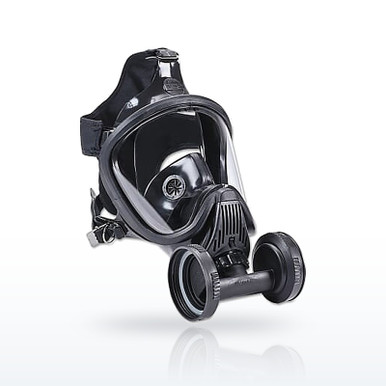
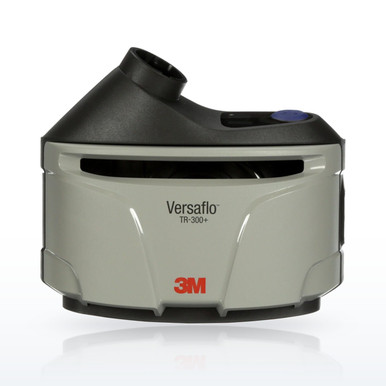
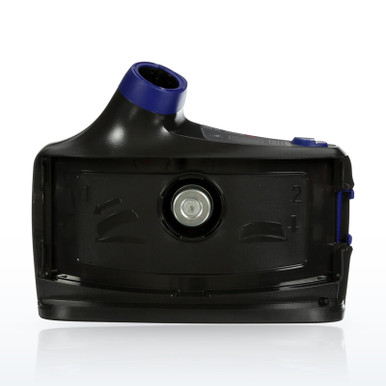
29 items · prices liveAPF is the 1910.134 Table 1 value for each respirator type, as published; the employer’s program decides which type is required for a given exposure. Filters and cartridges are sold separately. Free shipping on orders over $199 (hazmat items excepted).
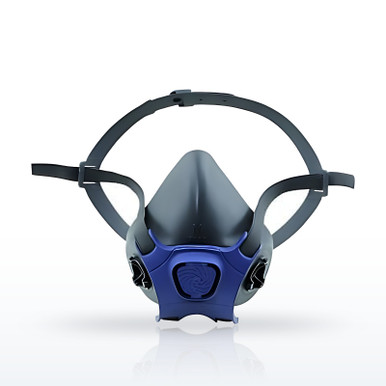


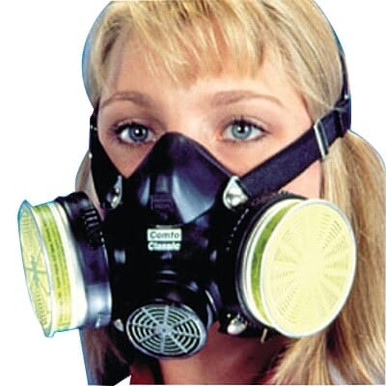
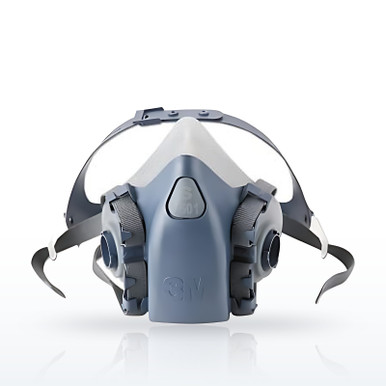

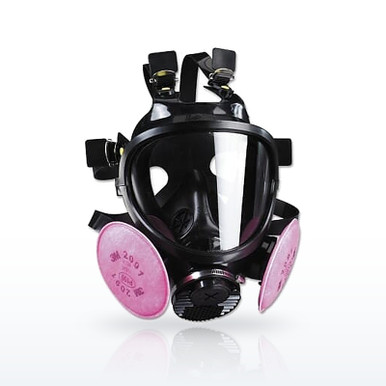
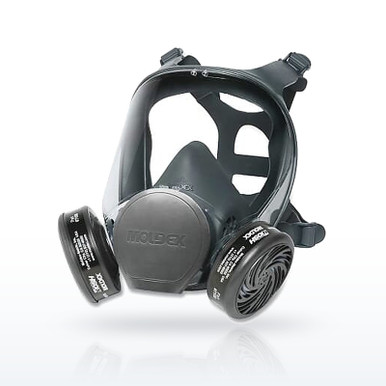


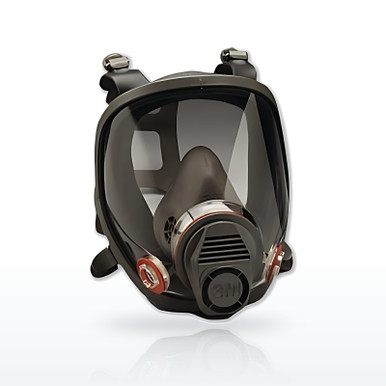
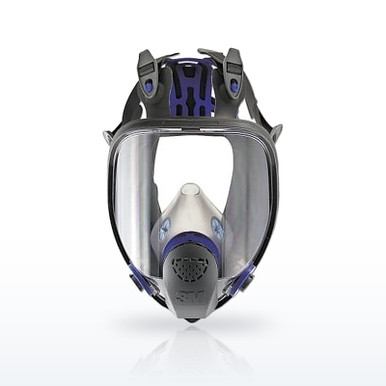
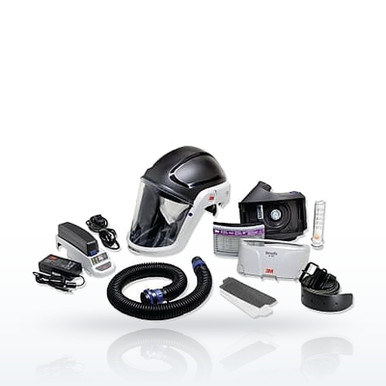
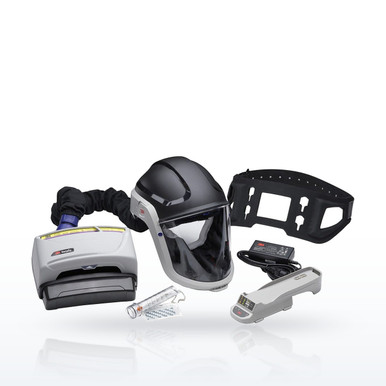
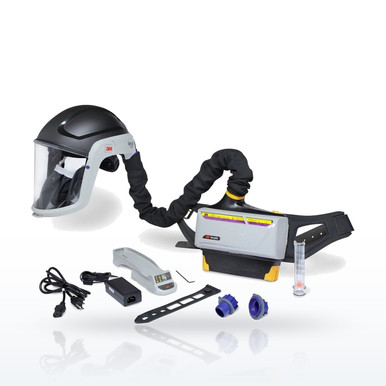
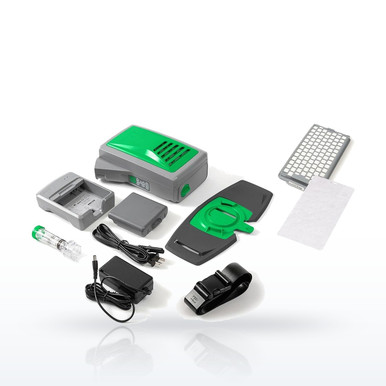
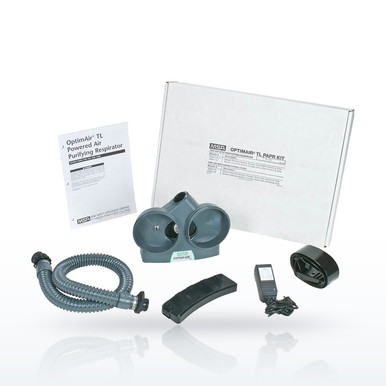
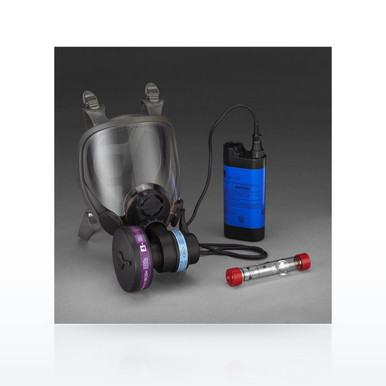
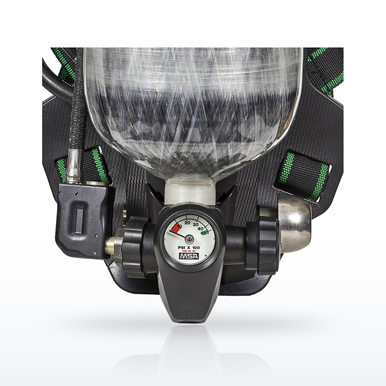
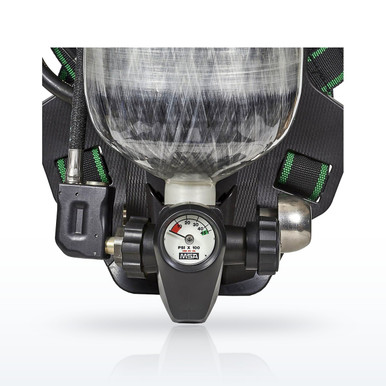
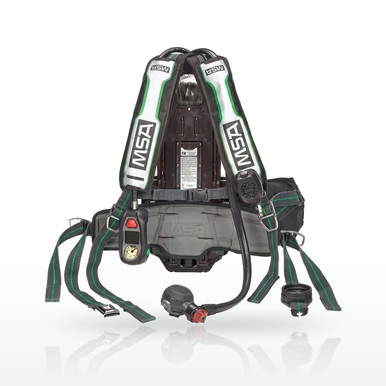
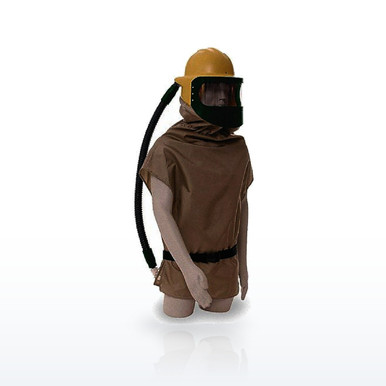
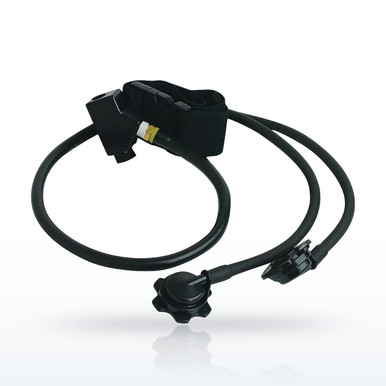
Other supplied-air systems and escape respirators are in the respirator selector. Table 1 note 4: a hood or helmet supplied-air or PAPR system is APF 1,000 only with manufacturer test evidence; otherwise 25.
Questions people ask
What is the formula for maximum use concentration?
MUC = assigned protection factor × OSHA exposure limit (PEL, STEL or ceiling). 1910.134(b).
What is the MUC of an N95?
An N95 is a half mask with an APF of 10, so its MUC is 10 times the PEL of the particulate it is used against, provided the full program and a passed fit test are in place.
What is the MUC of a full facepiece respirator?
50 times the exposure limit, capped at the IDLH level or the cartridge limit, whichever is lower.
Can an MUC be used in an IDLH atmosphere?
No. 1910.134(d)(3)(i)(B)(2) says employers must not apply MUCs to IDLH conditions; the IDLH respirators in (d)(2) apply instead.
What if there is no OSHA PEL for the chemical?
The employer sets an MUC from relevant available information, such as a NIOSH or ACGIH limit, and informed professional judgment. 1910.134(b).
Does the MUC change with a STEL or ceiling?
Yes. The MUC can be computed from the PEL, the STEL or the ceiling, so a substance with both a PEL and a STEL has 2 MUCs, one for the 8-hour average and one for the short-term period.
Where do the APF numbers come from?
1910.134 Table 1, in force since 2006: 10 for half masks, 50 for full facepieces, 25 or 1,000 for PAPRs and supplied air depending on the headtop, 10,000 for pressure-demand SCBA.
Standards and ratings on this page are as published in the documents named and by the manufacturers named. The employer’s hazard assessment and written program decide what applies at a given workplace. Verify a rating on the product and its spec sheet before use.