
NFPA 2112 vs ASTM F1506: which standard applies to your work
The two standards cover two different ways of catching fire. ASTM F1506 is the garment specification for electric arc exposure: the fabric is arc tested under ASTM F1959 and the garment carries an arc rating in cal/cm². It is what NFPA 70E requires for arc-rated clothing, so it applies to electricians, utility crews and anyone who works on or near energized equipment. NFPA 2112 is the standard for flash fire: a 3-second engulfing fire from an ignited gas or vapor cloud, tested on an instrumented manikin. It applies to oil and gas drilling, well servicing, refineries, chemical plants and anywhere a flammable release can occur. If both hazards exist, the garment needs to meet both, which is what a dual-certified label means. Neither standard is a law by itself; OSHA requires the protection and the standards define it.
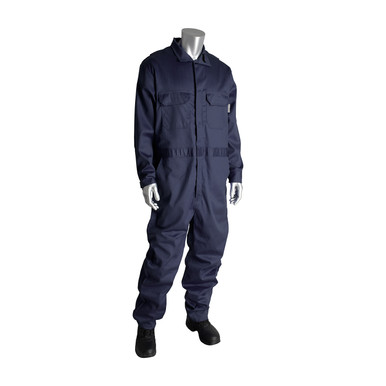
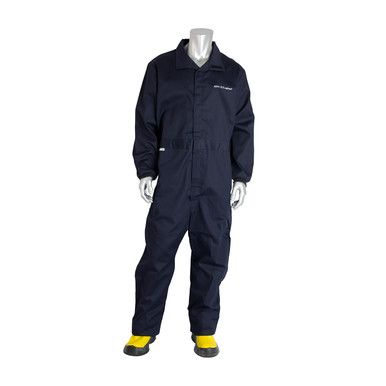
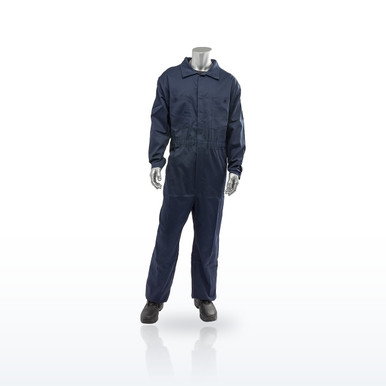 PIP 9100-2000E AR/FR dual-certified coverallLabeled by the manufacturer to NFPA 2112 and ASTM F1506 with a 9 cal/cm² arc rating
Why two standards for one kind of clothing? An arc flash and a flash fire are both brief and both burn, but they are not the same event. An arc flash is a point source of intense radiant heat lasting a fraction of a second, with a blast and molten metal, and the question is how much heat gets through the fabric at a distance. A flash fire surrounds the worker in flame for a few seconds, and the question is whether the clothing ignites, keeps burning, shrinks onto the skin or breaks open, and how much of the body is burned. Different hazards need different tests, so the standards bodies wrote two, and a fabric that passes one does not automatically pass the other.
What does each standard require?
The tests and the labels, side by side.
NFPA 2112 vs ASTM F1506 at a glance
| ASTM F1506 | NFPA 2112 | |
|---|---|---|
| Hazard | Electric arc flash | Industrial flash fire |
| Typical work | Electrical maintenance, utilities, industrial electricians, anyone inside an arc flash boundary | Oil and gas drilling and servicing, refining, petrochemical, gas plants, any flammable-release area |
| Key test | ASTM F1959 open-arc test; arc rating in cal/cm² (ATPV or EBT) | ASTM F1930 manikin flash fire, 3 seconds, 50 percent body burn maximum |
| Flame test | ASTM D6413 after 25 wash cycles | ASTM D6413 after 100 industrial launderings, char 4 in or less, afterflame 2 s or less |
| What is certified | Fabric performance; manufacturer self-declares compliance on the label | The whole garment, by an accredited third party, with a certification mark on the label |
| Label shows | Arc rating in cal/cm², F1506, care instructions | NFPA 2112 certification mark, certifier, care instructions |
| Referenced by | NFPA 70E Table 130.7(C)(14); OSHA 1910.269 (arc-rated clothing) | OSHA oil and gas FR enforcement policy (2010); NFPA 2113 for selection and care |
Values are those published in the standards and summarized by certified manufacturers. A garment may be labeled to both; check the label, not the fabric name. Arc ratings are not part of NFPA 2112 and a 2112-only garment does not satisfy an NFPA 70E arc flash requirement.
ASTM F1506; ASTM F1959; ASTM D6413; NFPA 2112-2023 and its referenced test methods (ASTM F1930, F2700, F2894); NFPA 70E-2024, Table 130.7(C)(14); OSHA memorandum of March 19, 2010.
Which standard does your work need?
Electrical work on or near energized equipment: ASTM F1506 with an arc rating at or above the incident energy or category on the equipment label. NFPA 70E requires arc-rated clothing inside the arc flash boundary and, for utilities, OSHA 1910.269(l)(8) requires arc-rated clothing wherever the estimated incident energy exceeds 2.0 cal/cm². A 2112-only garment has no arc rating and cannot be used to meet either.
NFPA 70E-2024, 130.7(C)(1), 130.7(C)(9) and Table 130.7(C)(14); 29 CFR 1910.269(l)(8)(v).Oil and gas, refining and chemical process areas: NFPA 2112. OSHA’s 2010 enforcement policy says FR clothing is expected on drilling rigs once a hydrocarbon zone is reached and until the well is cased and closed, during well servicing operations on a wellhead under pressure, and during production tasks such as opening equipment, gauging, hot work and transfers; employers may use NFPA 2112 and 2113 to meet the design and selection duties in 1910.132. A garment with an F1506 arc rating but no 2112 certification has not been manikin tested for engulfment.
OSHA memorandum of March 19, 2010, citing 29 CFR 1910.132(a), (c) and (d); NFPA 2112-2023; NFPA 2113.Both hazards on one site, which is common in refineries, gas plants and on utility crews near gas, means a dual-certified garment, or a 2112 base garment with an F1506 arc-rated outer layer. The outer layer rule in NFPA 70E applies either way: anything worn over arc-rated clothing has to be arc rated too.
NFPA 70E-2024, 130.7(C)(9), outer layers, cited at section level; manufacturer labeling for the dual-certified garments listed below.What about NFPA 70E and NFPA 2113?
- NFPA 70E is a work practice standard, not a garment standard. It tells the employer when arc-rated clothing is required and how to select it, and points to ASTM F1506 for the garment. A label that says "NFPA 70E" is telling you the garment is intended for 70E work; the rating itself comes from F1506 and F1959.
- NFPA 2113 is the companion to 2112: it covers selection, care, use and maintenance of flash fire clothing, including layering and the ban on meltable undergarments, in the same way 70E does for arc-rated clothing.
- A "CAT 2" or "HRC 2" mark on a garment is a manufacturer statement that the arc rating meets the 8 cal/cm² minimum of NFPA 70E Category 2; it is derived from the F1506 arc rating, not a separate test.
- UL and other certification marks on a 2112 garment identify the third party that certified it, which the standard requires; F1506 has no third-party requirement, though some manufacturers have their fabrics tested at accredited labs.
FR garments by the standards on the label
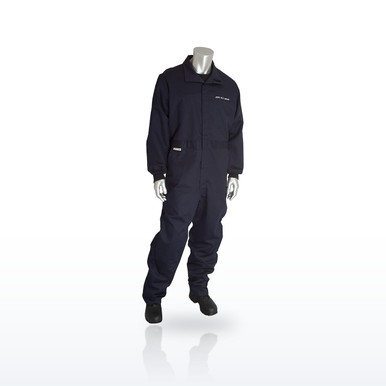
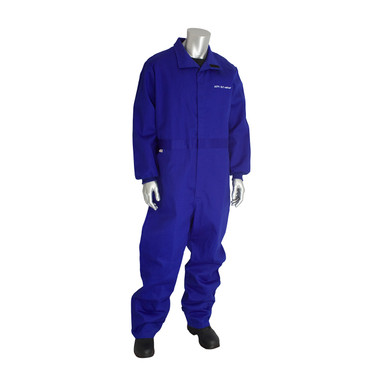
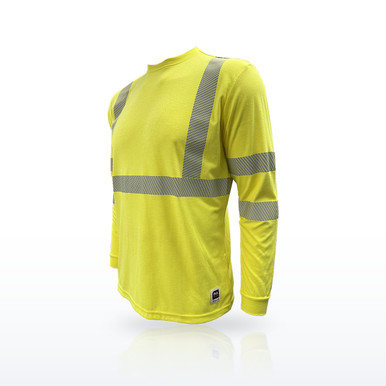
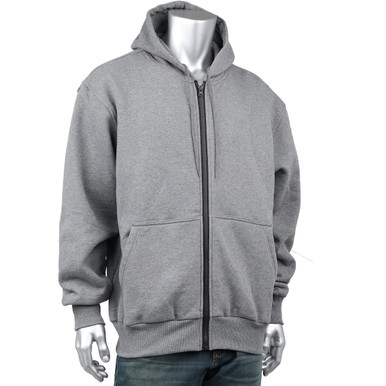
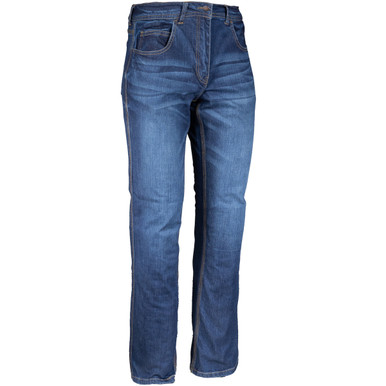
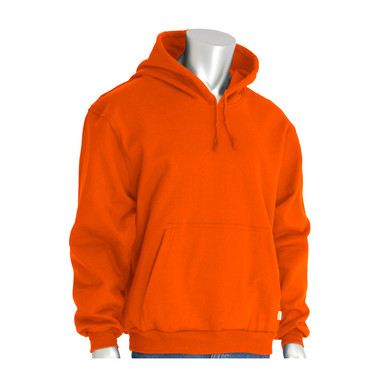
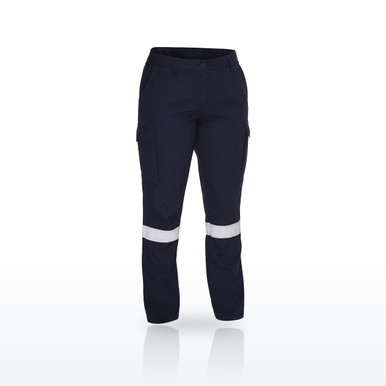
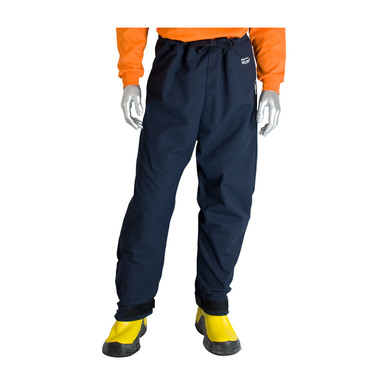
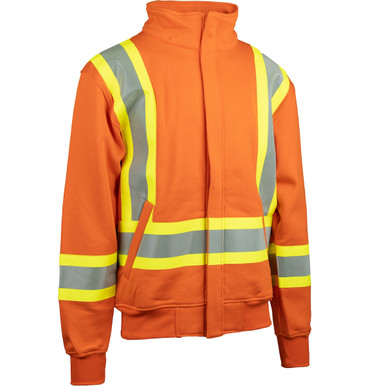
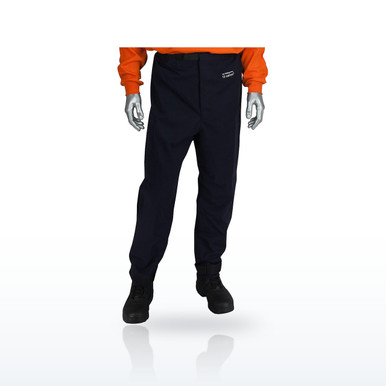
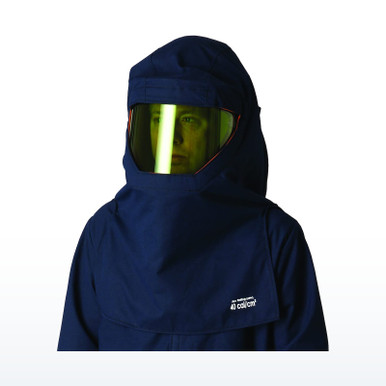
34 items · prices liveStandards are as stated on each manufacturer’s product page: NFPA 2112 certification and ASTM F1506 arc rating. The arc rating shown is the manufacturer’s published figure. Contractor Direct orders ship free.
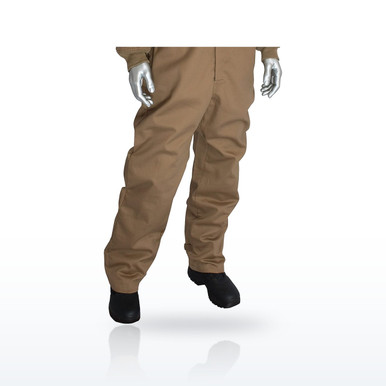
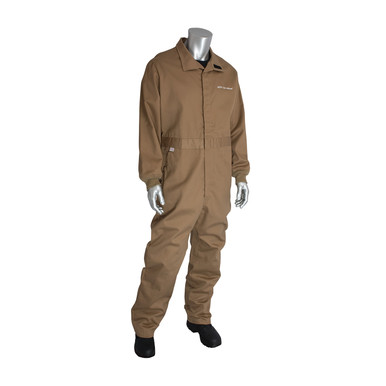
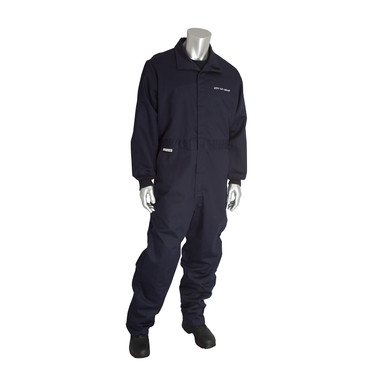
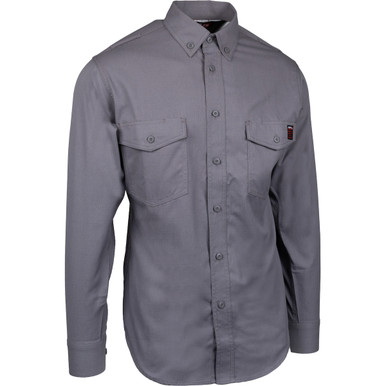
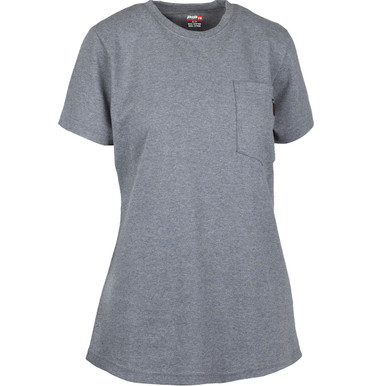
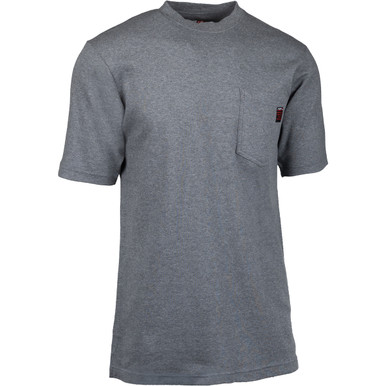
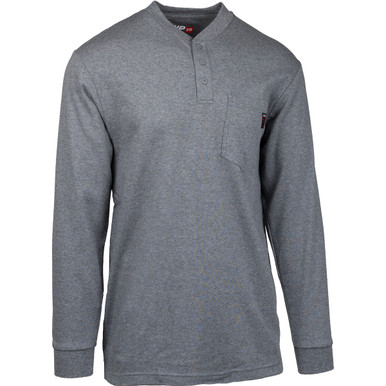
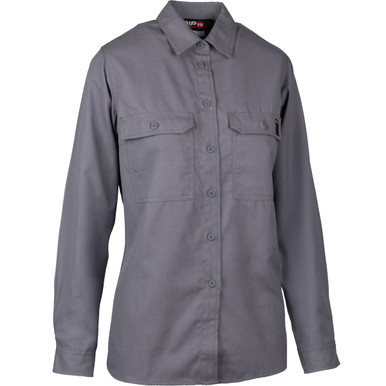
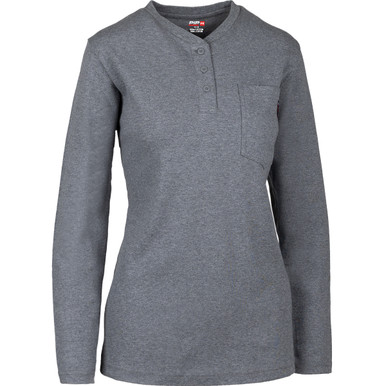
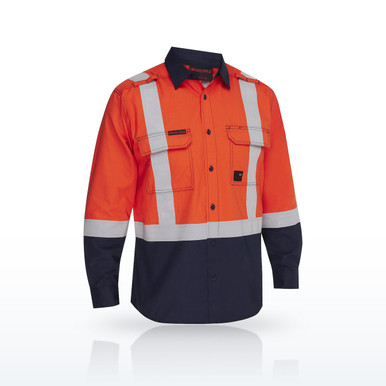
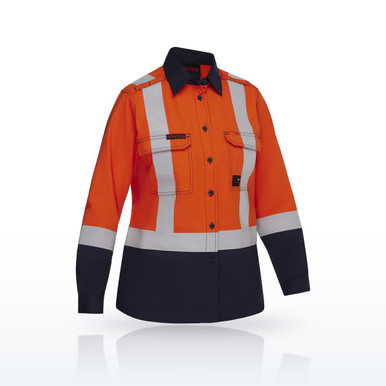
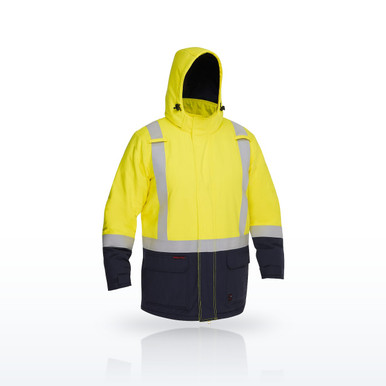
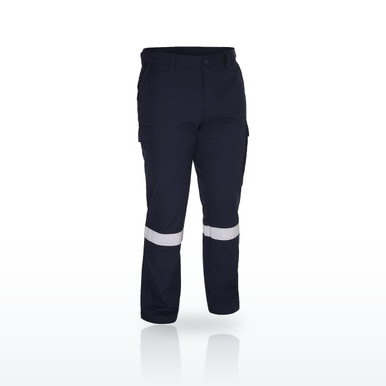
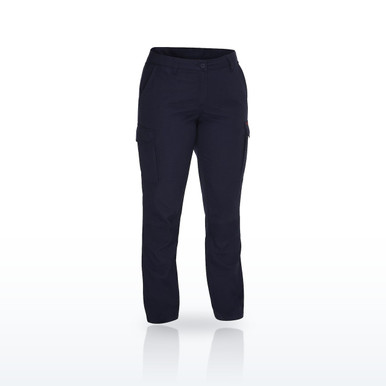
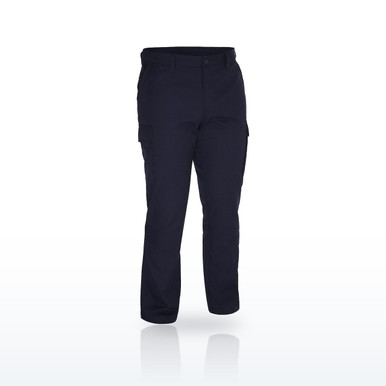
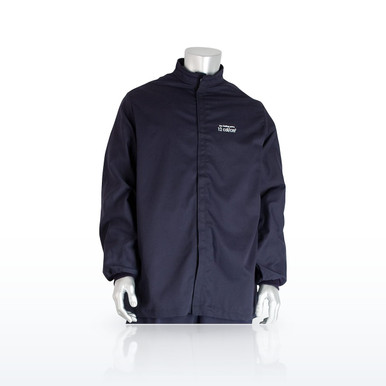
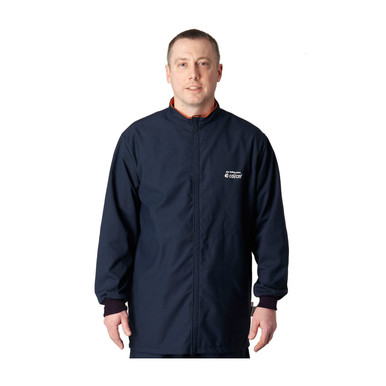
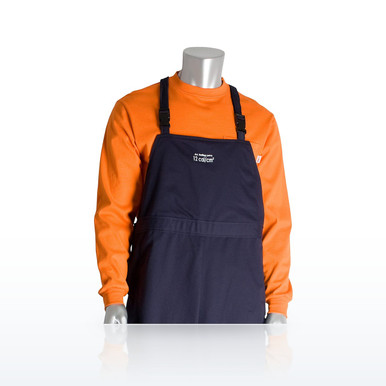
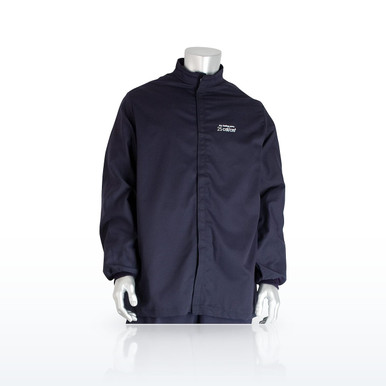
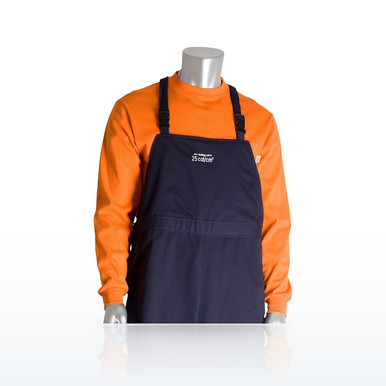
NFPA 2112 coveralls without a published arc rating are in the coverall finder.
Questions people ask
What is the difference between NFPA 2112 and ASTM F1506?
F1506 is the arc flash garment specification (arc rating in cal/cm², used by NFPA 70E). NFPA 2112 is the flash fire garment standard (manikin tested, third-party certified, used in oil and gas and process industries). They test different hazards.
Does NFPA 2112 clothing meet NFPA 70E?
Only if it also carries an ASTM F1506 arc rating. NFPA 70E requires arc-rated clothing, and 2112 certification by itself gives no arc rating.
Does ASTM F1506 clothing meet NFPA 2112?
Only if it is also certified to 2112 by a third party and labeled with the certification mark. An arc rating does not show how the garment performs in a 3-second engulfing fire.
What does dual certified mean on FR clothing?
The garment is labeled to both standards: an F1506 arc rating and NFPA 2112 third-party certification. It covers electrical and flash fire hazards on one site.
Is NFPA 2112 required by OSHA?
Not by name. OSHA requires FR clothing where flash fire is a hazard under 1910.132 and, in its 2010 oil and gas enforcement policy, names NFPA 2112 and 2113 as standards employers may use to meet that duty.
What does CAT 2 on an FR garment mean?
The manufacturer states the arc rating meets the 8 cal/cm² minimum for NFPA 70E PPE Category 2. It comes from the F1506 arc rating; look for the cal/cm² figure on the label.
What is NFPA 2113?
The companion standard to 2112 covering selection, care, use and maintenance of flash fire clothing, including layering and the ban on meltable undergarments.
Which standard do I need for welding?
Neither is written for welding. Welding clothing follows OSHA 1910.252 and ANSI Z49.1; FR cotton or leather welding garments are chosen for sparks and spatter, and many carry a D6413 flame test rather than an arc rating.
Standards and ratings on this page are as published in the documents named and by the manufacturers named. The employer’s hazard assessment and written program decide what applies at a given workplace. Verify a rating on the product and its spec sheet before use.