
How to read a NIOSH approval label (TC number)
Every NIOSH-approved respirator carries an approval label with the NIOSH emblem, the Department of Health and Human Services seal, the approval holder’s name and address, an approval number, and any restrictions NIOSH placed on its use. The approval number starts with TC, then a schedule code that tells you the kind of respirator, then a serial number: TC-84A-1234 is a particulate respirator or filter, TC-23C a chemical cartridge respirator, TC-13F an SCBA, TC-19C a supplied-air respirator, TC-21C a powered air-purifying respirator, TC-14G a gas mask. The full label goes on the package or container and an abbreviated version on each filter and cartridge. Any number can be checked on NIOSH’s Certified Equipment List.
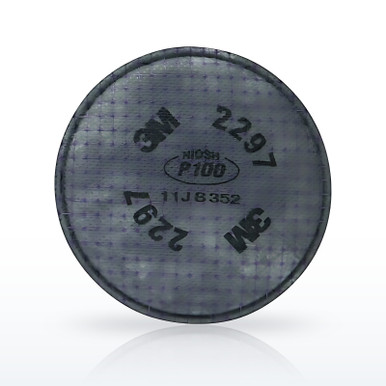
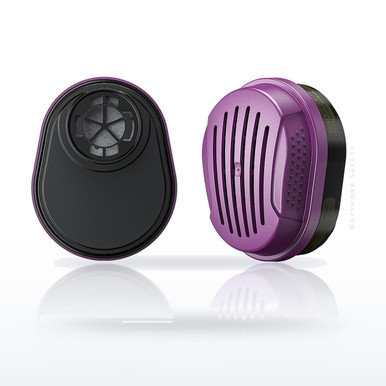
 3M 2097 P100 particulate filterA TC-84A particulate filter: class, approval number and NIOSH in block letters on the filter itself
Why does the label matter? OSHA requires the employer to select a NIOSH-certified respirator and to use it within the conditions of its certification. The label is the only place those conditions are written: which facepiece the cartridge is approved with, which contaminants, which mode of operation, and the cautions NIOSH attached. A respirator without the label, or with a label that does not match the Certified Equipment List, is not an approved respirator no matter what the box says, and it gives the employer no assigned protection factor to rely on.
What is on the label?
The contents 42 CFR 84.33(b) requires, and what NIOSH says must be printed on a filtering facepiece.
What does the TC schedule code mean?
| Code | Respirator type | Examples in our catalog |
|---|---|---|
| TC-84A | Air-purifying, particulate (N95 to P100 filters and filtering facepieces); also a chemical cartridge or canister combined with a particulate filter | N95 and P100 filtering facepieces, P100 filters, cartridge and filter combinations |
| TC-23C | Air-purifying, chemical cartridge; includes some PAPRs | Organic vapor, acid gas, ammonia and multi-gas cartridges with their facepieces |
| TC-21C | Air-purifying, powered (PAPR), particulate | PAPR blowers with HE filters and their headtops |
| TC-14G | Air-purifying gas mask (canister); some PAPRs | Full facepiece gas masks with canisters, including CBRN |
| TC-19C | Supplied-air, airline | Airline hoods and facepieces with their hose and couplings |
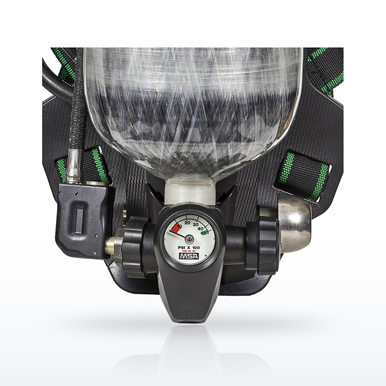
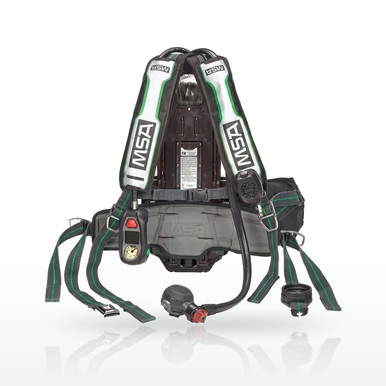
| TC-13F | Self-contained breathing apparatus, open-circuit (non-CBRN and CBRN) | Industrial SCBA |
| TC-13G | Closed-circuit escape respirator | Mine and industrial escape units |
The codes are the schedules NIOSH uses to file approvals on the Certified Equipment List. The 4 digits after the code are the serial number of that approval. The Certified Equipment List record for a number lists the approval holder, the model and the components the approval covers.
NIOSH Certified Equipment List, schedule descriptions; 42 CFR 84.33(b) (TC prefix and serial number).
Where must the label appear?
- SCBA: the entire label on the harness assembly, and on the canister where there is one.
- Gas mask: the entire label on the mask container and the canister.
- Supplied-air respirator: the entire label on the respirator container or the instruction card.
- Particulate respirator: the entire label on the respirator container and filter container; an abbreviated label on the filters themselves.
- Chemical cartridge respirator: the entire label on the respirator container, cartridge container and filter containers; an abbreviated label on the cartridges, filters and filter containers.
- Every respirator, component and container must also be marked with the applicant’s name, the trade designation, and a lot number, serial number or approximate date of manufacture.
How do you check a TC number?
Go to the NIOSH Certified Equipment List and enter the number in the form the CEL uses: the schedule code, a dash, and the 4 digits, such as 84A-1234. The CEL returns the approval holder, the model, and the components covered. If the number is not there, or the record does not match the product in your hand, treat it as not approved. NIOSH keeps a separate page of counterfeit and misrepresented respirators for the same reason.
NIOSH Certified Equipment List (wwwn.cdc.gov/NIOSH-CEL); NIOSH, Identifying NIOSH Approved Respirators; NIOSH, Counterfeit and Misrepresented Respirators.For the employer, the label does 2 more jobs. It proves the selection rule was met, since 1910.134 requires a NIOSH-certified respirator used within its certification, and it is the label OSHA requires to stay on every filter, cartridge and canister in the workplace, legible and in place, with the color code intact. A cartridge with the label scraped off is a program violation even if it is the right cartridge.
29 CFR 1910.134(d)(1)(ii); 29 CFR 1910.134(j).What the label does not tell you
The approval says the respirator passed NIOSH’s tests and names what it may be used for. It does not say the respirator fits a given person, which takes a fit test; it does not give the assigned protection factor, which comes from 1910.134 Table 1 by respirator type; and it does not set a cartridge change schedule, which the employer’s program sets from data.
29 CFR 1910.134(f), (d)(3)(i)(A) and Table 1, (d)(3)(iii)(B); NIOSH, Identifying NIOSH Approved Respirators.NIOSH-approved respirators, filters and cartridges by schedule
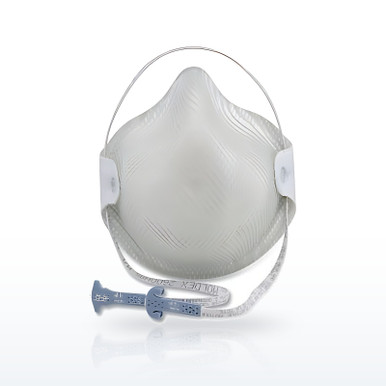
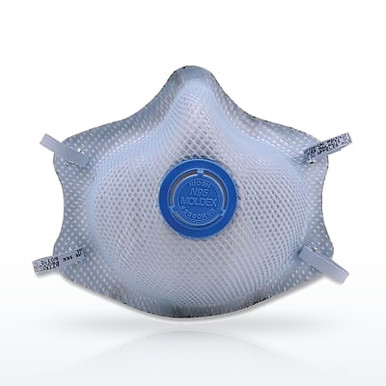
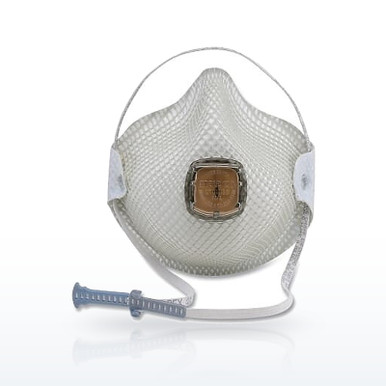
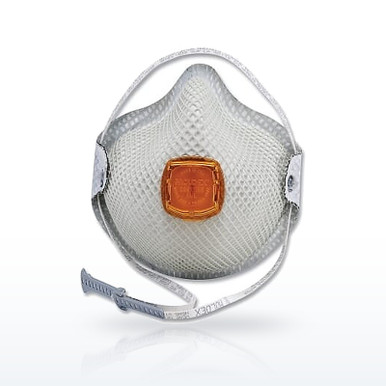
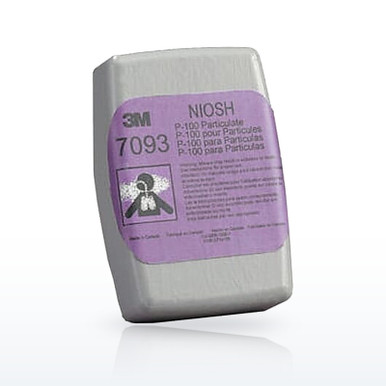
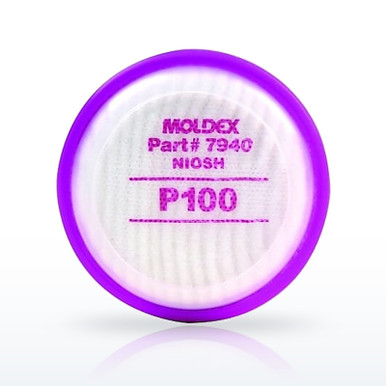
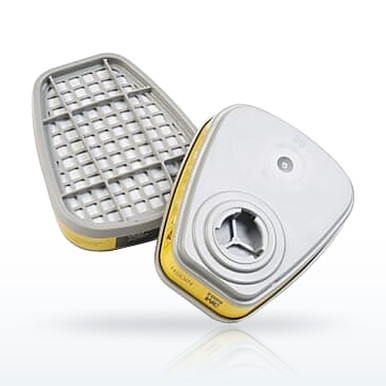
29 items · prices liveEach item’s class and approval are as published by the manufacturer; the TC number is on the product and its packaging. The schedule named for each group is the one the Certified Equipment List files that type under; verify the number on the label. Contractor Direct orders ship free (hazmat items excepted).
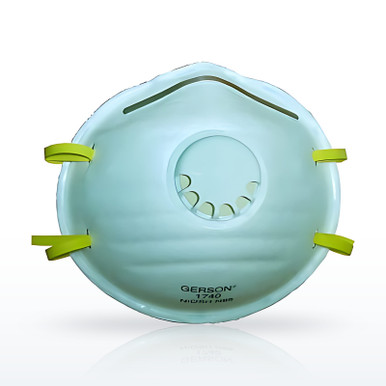
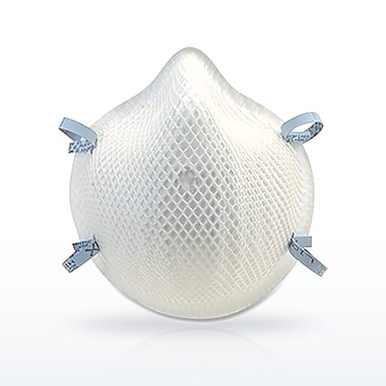
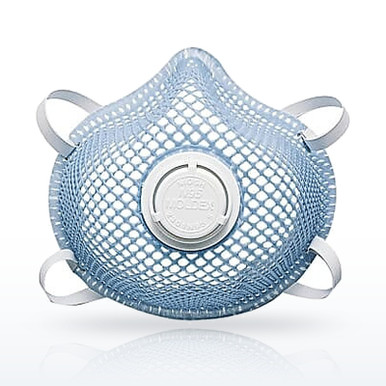
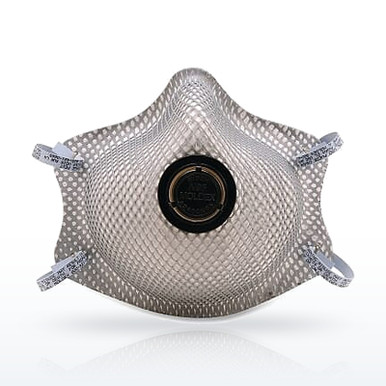



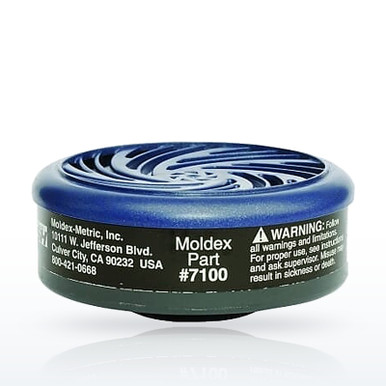

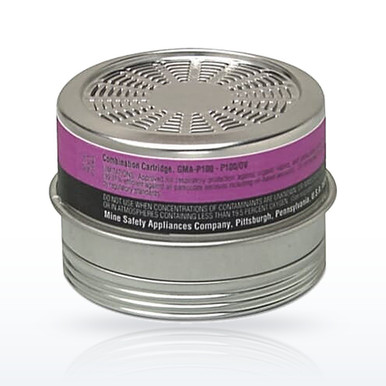
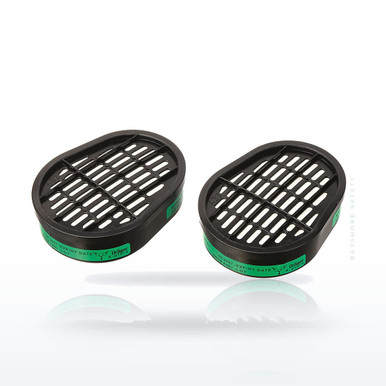
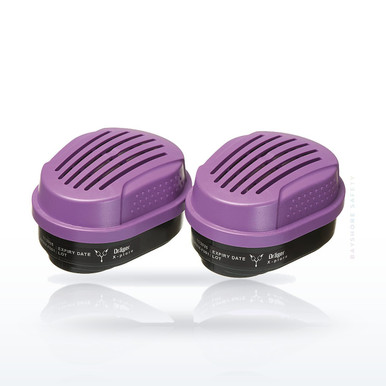
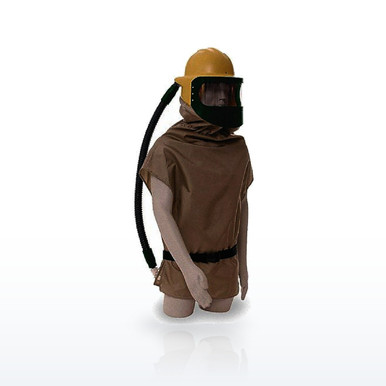
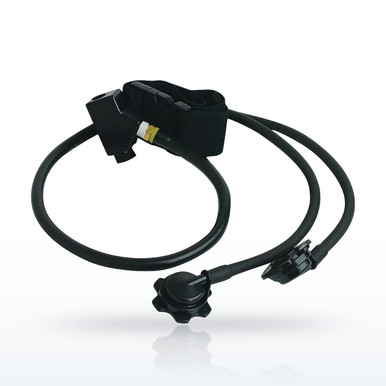
PAPRs (TC-21C), gas masks (TC-14G) and escape respirators are in the respirator selector.
Questions people ask
What does TC-84A mean on a respirator?
It is the NIOSH approval schedule for air-purifying particulate respirators: filtering facepieces, particulate filters, and cartridges combined with a particulate filter. The 4 digits after it identify the specific approval.
What is the difference between TC-84A and TC-23C?
84A is the particulate schedule; 23C is the chemical cartridge schedule. A cartridge that also carries a P100 filter is filed under 84A.
What must be printed on an N95?
The approval holder’s name, the part or model number, the filter class (N95), the TC approval number, and NIOSH in block letters. The lot number may be on the respirator or the packaging. NIOSH, Identifying NIOSH Approved Respirators.
How do I verify a NIOSH approval number?
Search it on the NIOSH Certified Equipment List as schedule code, dash, 4 digits (for example 84A-1234). If it is not listed or does not match the product, it is not approved.
Does the label give the assigned protection factor?
No. APFs come from OSHA 1910.134 Table 1 by respirator type. The label tells you the type and the limits of the approval.
Can a cartridge from one brand be used on another brand’s mask?
Only if the NIOSH approval lists that combination. Approvals are issued for the facepiece and its cartridges as a system, and 1910.134(d)(1)(ii) requires use within the certification.
What if the label has come off a cartridge?
OSHA 1910.134(j) requires every filter, cartridge and canister in the workplace to keep its NIOSH approval label and color code, legible. Replace the cartridge.
Standards and ratings on this page are as published in the documents named and by the manufacturers named. The employer’s hazard assessment and written program decide what applies at a given workplace. Verify a rating on the product and its spec sheet before use.