
NRR vs SNR: the US and European hearing protector ratings, and why the same plug has two numbers
NRR and SNR are both single-number ratings of how much a hearing protector reduces noise in a laboratory test, and they are not interchangeable. NRR (Noise Reduction Rating) is the US figure, required on the package by the EPA and measured by the ANSI S3.19 method; SNR (Single Number Rating) is the European figure under EN 352, measured by the ISO 4869 method, usually with H, M and L values for high, mid and low-frequency noise. The same ear plug typically shows an SNR two to three decibels higher than its NRR, because the test methods, subjects and statistics differ, not because it protects Europeans better. In the US, OSHA compliance uses the NRR; the SNR on a dual-marked package is for the EU market.
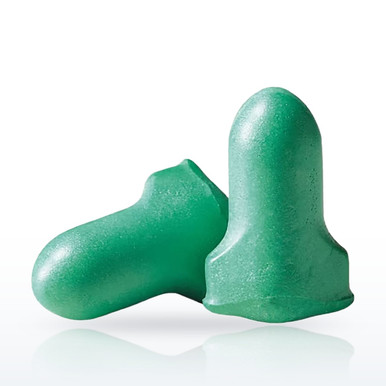
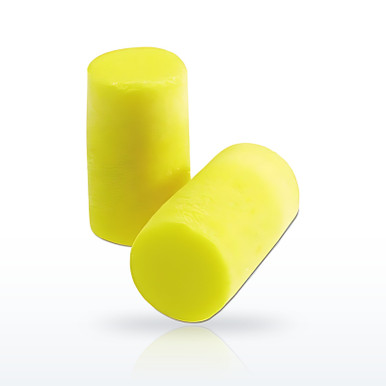
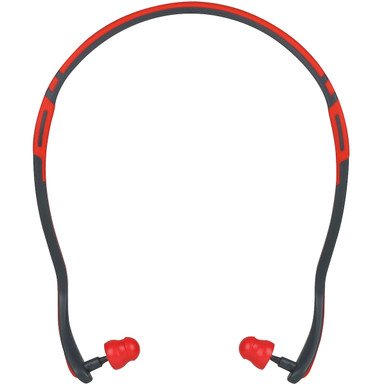 PIP banded ear plugs, NRR 24 / SNR 32The same product, both ratings on the package
Why are the two numbers different for the same product? Both tests put the protector on a panel of people in a sound booth and measure how much quieter the noise is with it in than out. NRR takes that result, subtracts two standard deviations to cover 98 percent of wearers, and subtracts a further 3 decibels for spectrum uncertainty, with the protector fitted by the experimenter. SNR subtracts one standard deviation (84 percent of wearers) and uses subject fit. Fewer safety margins, higher number. The PIP banded plug in the photo is the clean example: one product, NRR 24, SNR 32.
What does each rating mean?
Side by side.
How is the NRR applied?
OSHA’s Appendix B: if the noise was measured on the A scale, subtract 7 decibels from the NRR and subtract what is left from the exposure; if measured on the C scale, subtract the NRR directly. An NRR 33 plug in a 100 dBA shop: 33 minus 7 is 26, 100 minus 26 is 74 dBA estimated exposure. That is the compliance arithmetic. OSHA’s inspectors, and NIOSH, go further in practice: OSHA’s Technical Manual halves the remaining number when deciding whether engineering controls are feasible, and NIOSH derates by 25 percent for muffs, 50 percent for foam plugs and 70 percent for other plugs before the subtraction, because real-world fit never matches the lab.
29 CFR 1910.95 Appendix B (methods for A-weighted and C-weighted measurements); OSHA Technical Manual, Section III Chapter 5 (50 percent reduction); NIOSH Criteria for a Recommended Standard: Occupational Noise Exposure (1998), chapter 6.How is the SNR applied?
Under ISO 4869-2 the SNR is subtracted from the C-weighted noise level to estimate the A-weighted level at the ear; no 7-decibel step, because the C-weighting already accounts for the spectrum the way the 7 decibels does in the US method. The HML method uses the difference between the C and A levels of the noise to pick a predicted attenuation between the H and L values, which is more accurate when the noise is unusually low or high in pitch. European employers commonly apply a 4-decibel real-world correction as well.
ISO 4869-2 (SNR and HML calculation methods); EN 458 (selection and use guidance).NRR vs SNR at a glance
| NRR | SNR | |
|---|---|---|
| Region | United States (required), Canada | EU, UK, most other markets |
| Regulation | EPA 40 CFR 211 Subpart B | EN 352 (CE mark) |
| Test method | ANSI S3.19-1974, experimenter fit | ISO 4869-1, subject fit |
| Statistics | Mean minus 2 standard deviations, minus 3 dB | Mean minus 1 standard deviation |
| Typical gap, same product | Lower | 2 to 3 dB higher, sometimes more |
| Applied to | A-weighted level minus (NRR − 7), or C-weighted minus NRR | C-weighted level minus SNR |
| Frequency detail | None on the label | H, M, L values |
There is no official conversion between NRR and SNR, and a package that shows both got each from its own test. If a product you are considering shows only an SNR, it was not labeled for the US market and the employer has no NRR to use in Appendix B; the manufacturer’s test report is the only route.
40 CFR 211 Subpart B; ANSI S3.19-1974; ISO 4869-1 and 4869-2; EN 352; 29 CFR 1910.95 Appendix B.
Is the NRR changing?
The EPA proposed in 2009 to replace the single NRR with a range (a low and high value from the ANSI S12.6 subject-fit method) and has not finalized it; the 1979 label rule still governs. ANSI S12.68 (2007) describes the range method, and some manufacturers publish S12.6 data alongside the NRR. Until the label changes, the NRR on the package is the number OSHA will ask about.
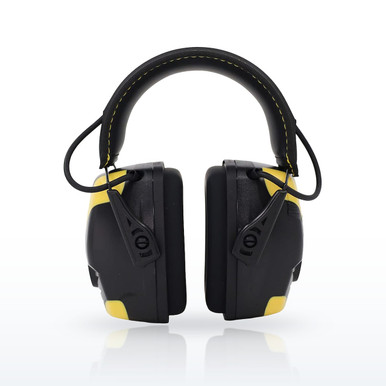
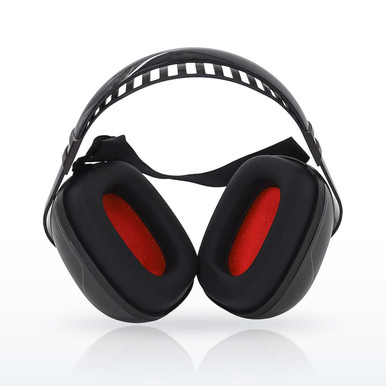
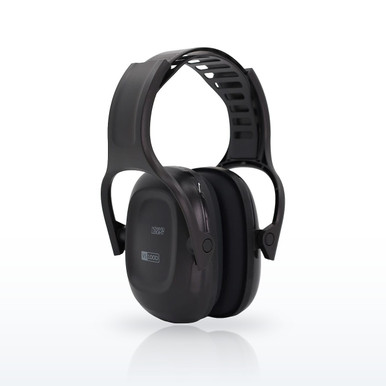
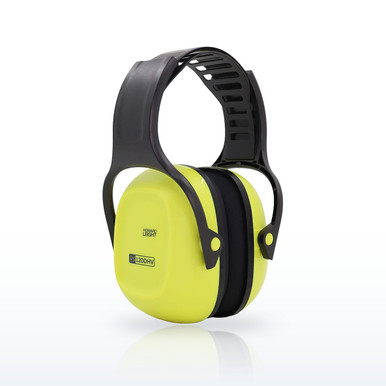
40 CFR 211 Subpart B (1979, in force); EPA proposed rule, 74 FR 39150 (August 5, 2009), not finalized; ANSI/ASA S12.6-2016 and S12.68-2007.Ear plugs and earmuffs with NRR and EN 352 ratings
23 items · prices liveNRR and SNR are as printed by the manufacturer on the package; the tag shows the US NRR. Free shipping on orders over $199.
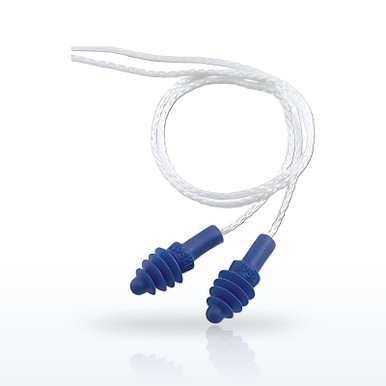

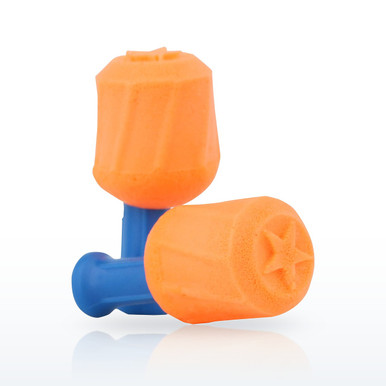
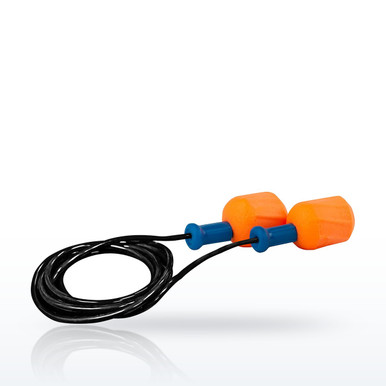
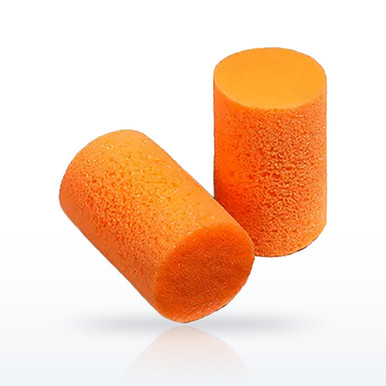
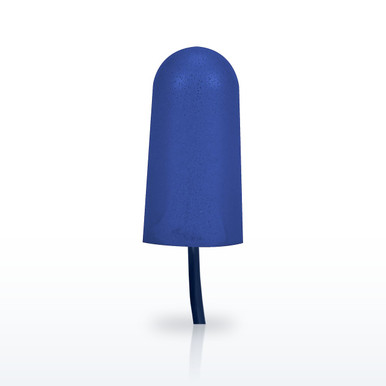
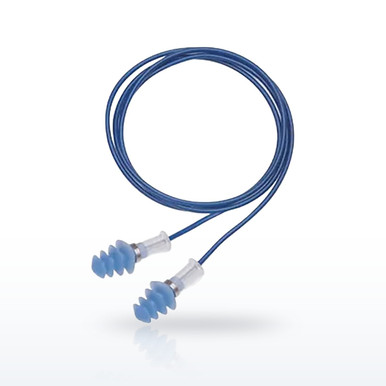
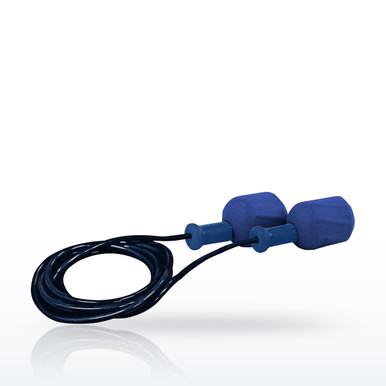
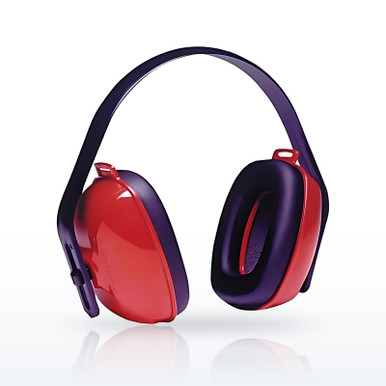
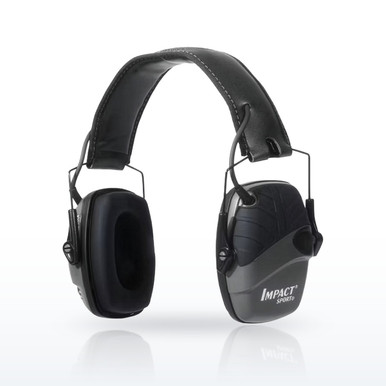
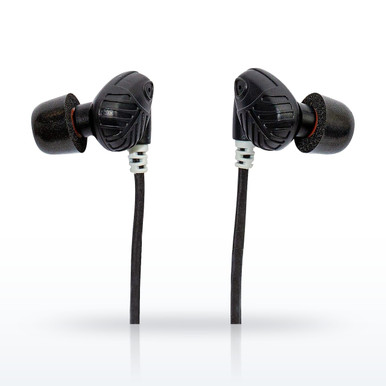
The full range sorted by NRR is in the hearing protection finder.
Questions people ask
What is the difference between NRR and SNR?
NRR is the US rating under EPA rules and ANSI S3.19; SNR is the European rating under EN 352 and ISO 4869. Different tests and statistics, so the numbers differ for the same product.
Is SNR the same as NRR?
No. SNR on the same product is usually 2 to 3 decibels higher, and there is no official conversion.
How do I convert SNR to NRR?
You cannot. Use the rating that matches your regulation; in the US that is NRR.
What do H, M and L mean?
Attenuation against high, mid and low-frequency noise under ISO 4869-2, printed with the SNR on EN 352 products.
Which is better, a higher NRR or a higher SNR?
Compare like with like: NRR to NRR, SNR to SNR. A product’s SNR will always look better than its own NRR.
Does OSHA accept SNR?
OSHA’s Appendix B is written for the NRR; a US-market protector carries one by EPA rule.
What is the highest NRR available?
33 for foam ear plugs on the EPA label; muffs top out around 30 to 31. Doubling plugs and muffs adds about 5 decibels.
Why does OSHA subtract 7 from the NRR?
The NRR is calculated against C-weighted noise; the 7 decibels corrects for using it with an A-weighted measurement.
Standards and ratings on this page are as published in the documents named and by the manufacturers named. The employer’s hazard assessment and written program decide what applies at a given workplace. Verify a rating on the product and its spec sheet before use.