
OSHA illumination requirements: the foot-candle table
OSHA’s construction rule sets minimum light levels in foot-candles for every area where work is in progress: 3 foot-candles for general construction areas, excavations, accessways, storage and loading areas; 5 for general construction area lighting, indoor warehouses, corridors and exits, and tunnels; 10 for plants and shops such as batch plants, equipment rooms, carpenter shops, locker rooms and mess halls, and at a tunnel heading during drilling; and 30 for first aid stations, infirmaries and offices. A foot-candle is one lumen of light landing on one square foot, which is what a light meter reads at the work surface. General industry has no single table; the same numbers appear in the hazardous waste rule, and exit routes must be lit well enough to see along them.
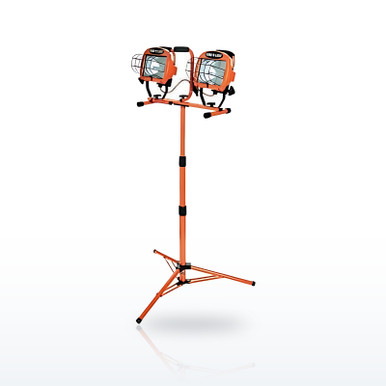 Southwire double halogen tripod work light16,000 lumens, two 500-watt heads, as published by Southwire
Why does OSHA set a number for light? Most construction injuries that OSHA ties to lighting are trips, falls and struck-by events in the dark: the open floor hole at the end of a shift, the rebar in an unlit excavation, the stairwell with no temporary lighting. A number gives an inspector and a superintendent the same test. The levels in Table D-3 are low by office standards because they are a floor for seeing hazards, not a design level for doing fine work; 1926.56(b) points to the ANSI industrial lighting practice for the higher recommended values.
What does Table D-3 require?
Minimum illumination in foot-candles, by area or operation, while any work is in progress.
What is a foot-candle, and how does it relate to lumens and lux?
A foot-candle is the illuminance on a surface one foot from a standard candle: one lumen of light spread over one square foot. Lumens describe how much light a lamp puts out; foot-candles describe how much lands where the work is. The two are tied by distance and spread, so a 16,000-lumen tripod light gives a different foot-candle reading at 10 feet than at 30 feet, and a narrow spotlight gives a higher reading over a smaller patch than a flood. The metric unit, lux, is lumens per square meter; 1 foot-candle is about 10.76 lux.
Foot-candle and lux as defined in the IES Lighting Handbook (1 lm/ft² and 1 lm/m²; 1 fc = 10.764 lx); OSHA’s tables are written in foot-candles.The only way to know a reading is to measure it with a light meter held at the work surface, facing up, with the lights that will actually be on during the shift. Lumen ratings on a fixture are not a compliance figure. A superintendent setting temporary lighting usually walks the floor with a meter after dark, finds the dim spots at stair landings, floor openings and the ends of corridors, and adds or moves fixtures until the lowest reading clears the table.
29 CFR 1926.56(a): the requirement is stated as a minimum intensity in the area, which is a measured value.What does general industry require?
There is no general foot-candle table in 29 CFR 1910. The hazardous waste operations standard carries the construction numbers almost word for word: 5 foot-candles for general site areas, 3 for excavations, accessways, storage, loading, refueling and field maintenance areas, 5 indoors in warehouses and corridors and in tunnels, 10 in shops and living quarters, and 30 in first aid stations, infirmaries and offices.
29 CFR 1910.120(m) and Table H-120.1.Exit routes must be adequately lighted so that an employee with normal vision can see along the route, and each exit sign must be lit to at least 5 foot-candles at its surface by a reliable light source. Beyond that, a general industry employer with poor lighting is cited under the general duty clause or under the specific rule for the task, such as the lighting requirements for powered platforms, sawmills or pulp and paper mills, several of which incorporate the same ANSI A11.1 practice.
29 CFR 1910.37(b)(1) and (b)(6); 1910.6(e)(3) and (e)(4) (ANSI A11.1-65 incorporated for 1910.219, 1910.261, 1910.262 and 1910.265); OSH Act section 5(a)(1).What kind of light meets the table?
- Tripod floods and strung temporary fixtures for general area lighting. The table is per area, so the fixture count and spacing matter more than any one lamp’s lumens; halogen and LED floods on stands are what crews use to bring an open floor to 5 foot-candles.
- Clamp lamps and trouble lights for task spots: a mechanical room at 10 foot-candles, a panel being terminated, a crawl space.
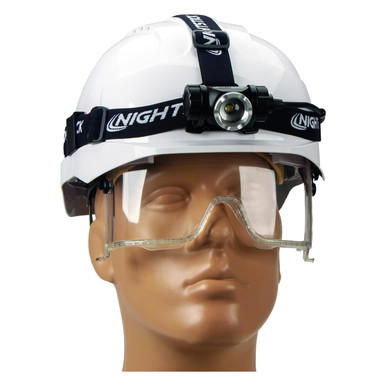
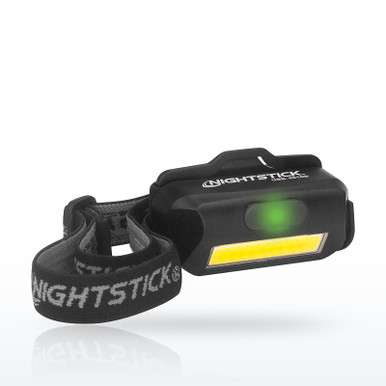
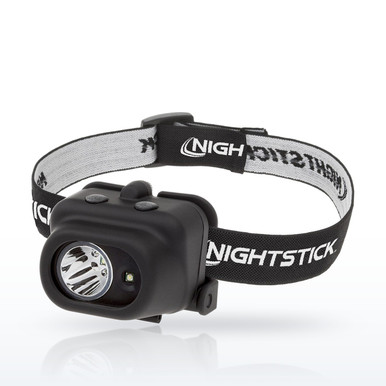
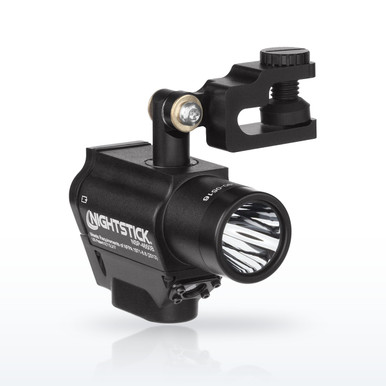
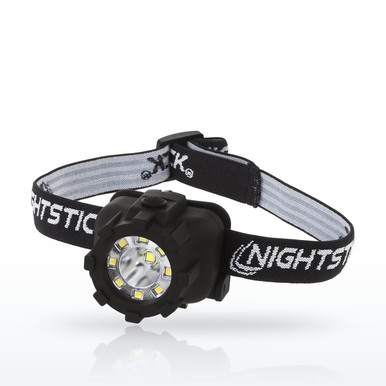
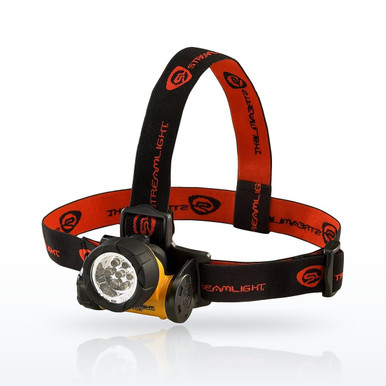
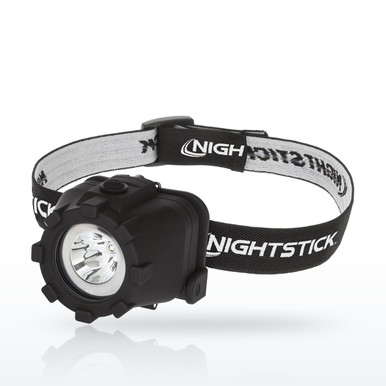
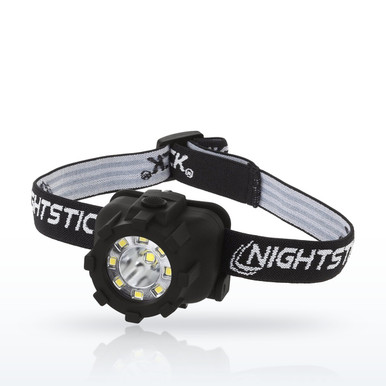
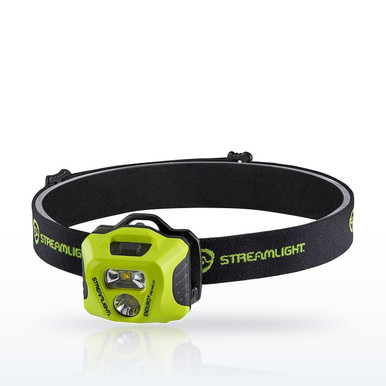
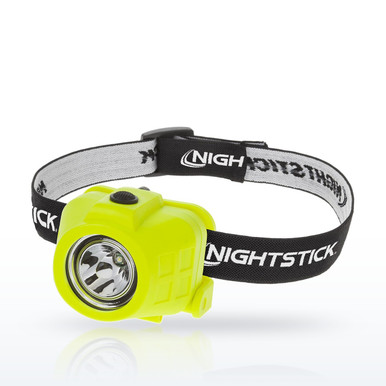
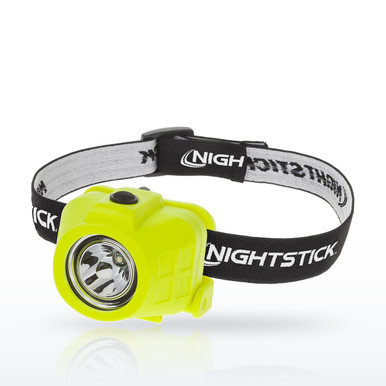
- Headlamps and hard hat lights for the worker moving through dim areas. They light what the worker looks at, which helps the worker but does not bring the area itself to the table value; OSHA measures the area.
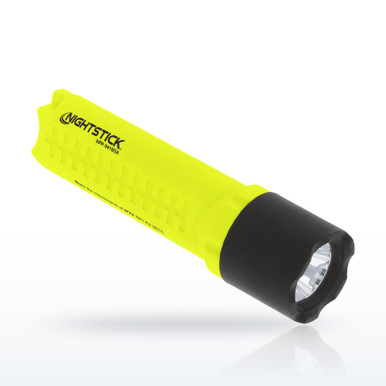
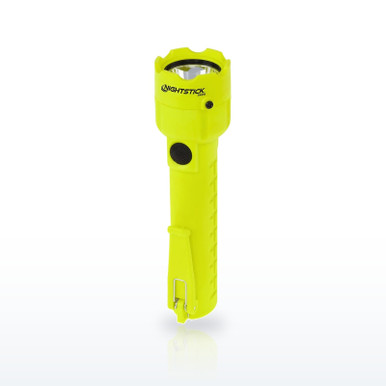
- Intrinsically safe or Class I Division 1 lights for tunnels, tanks, and any area where flammable gas or vapor may be present. Table D-3 itself says Bureau of Mines approved cap lights are acceptable at a tunnel heading, and 1926.56 does not change the electrical classification rules that apply inside a hazardous location.
- Ground-fault protection and cord condition. Temporary lighting on a construction site is on the same GFCI and assured grounding rules as any other cord-connected equipment in 1926.404.
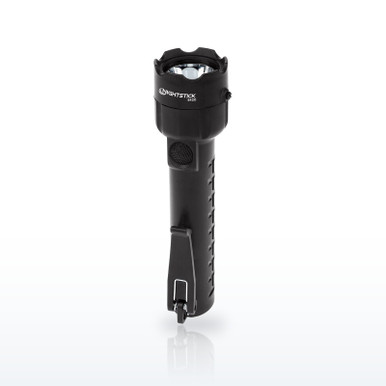
Work lights, area lights and headlamps, as rated by the manufacturer
27 items · prices liveOSHA’s table is in foot-candles measured at the work surface; a light’s lumen or watt rating is the manufacturer’s output figure, not a foot-candle value. Figures shown are the maximum output each manufacturer publishes for the item; hazardous-location ratings are as labeled by the manufacturer. Free shipping on orders over $199.
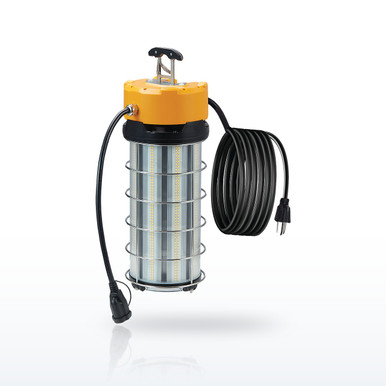

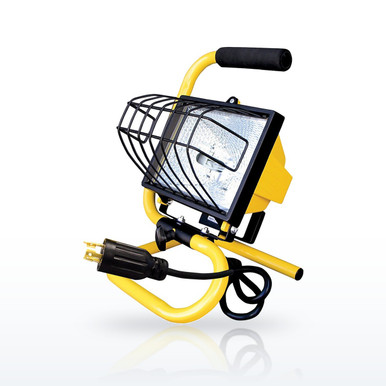
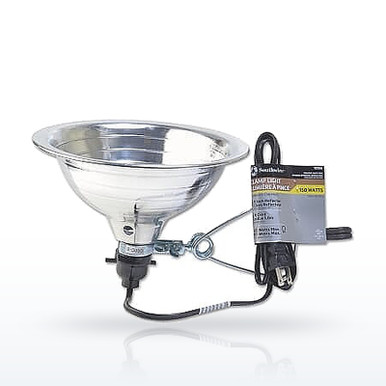
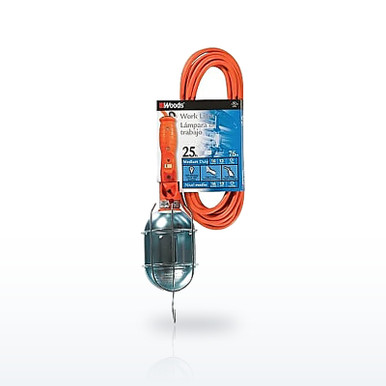
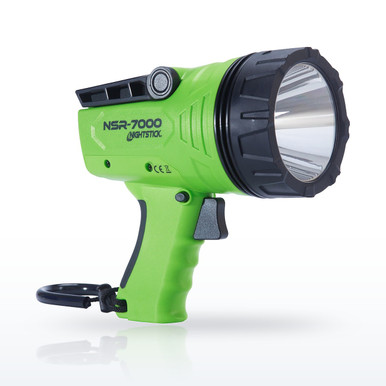
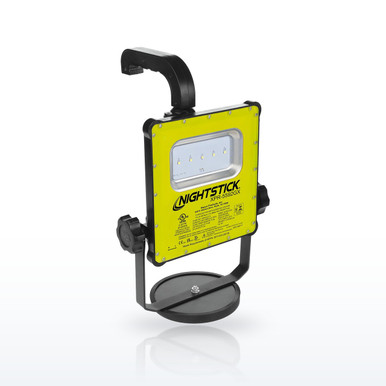
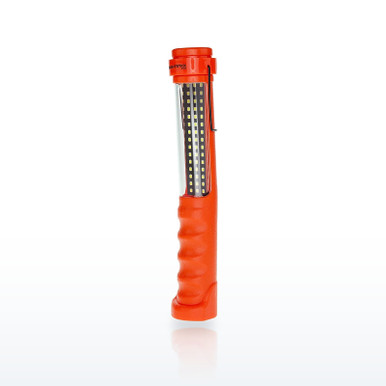
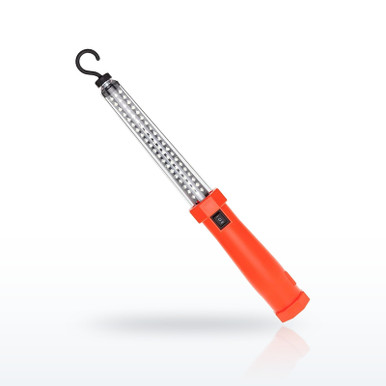
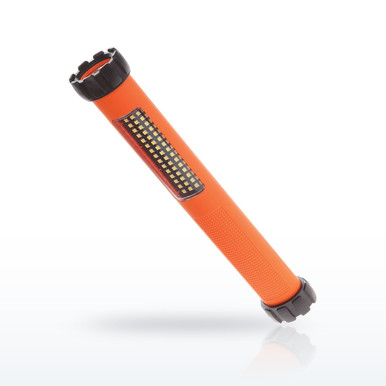
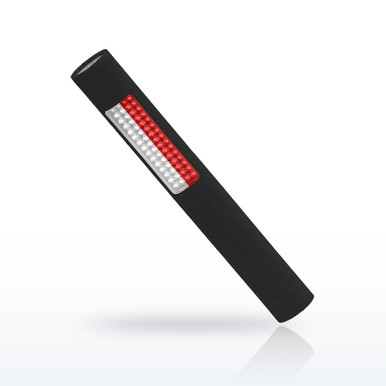
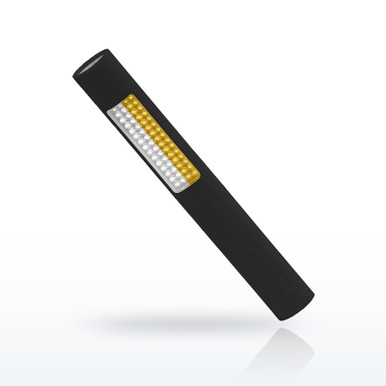
Extension cords, cord reels and GFCI protection for temporary lighting are in the catalog under electrical supplies.
Questions people ask
How many foot-candles does OSHA require on a construction site?
3 for general construction areas, excavations, accessways and storage; 5 for general construction area lighting, indoor corridors and warehouses, and tunnels; 10 for shops, equipment rooms and living quarters; 30 for first aid stations and offices (1926.56 Table D-3).
What is a foot-candle?
One lumen of light falling on one square foot of surface. It is the reading a light meter gives at the work surface. 1 foot-candle is about 10.76 lux.
How many lumens is 5 foot-candles?
There is no fixed conversion. Lumens are the lamp’s output; foot-candles are what reaches the surface, which depends on distance, beam spread and how many fixtures overlap. A meter at the surface is the only way to verify.
Does OSHA have a foot-candle table for general industry?
Not a general one. 1910.120(m) Table H-120.1 applies the same numbers to hazardous waste operations, and 1910.37(b) requires exit routes to be adequately lighted with exit signs at 5 foot-candles.
How many foot-candles for an office on a construction site?
30, the same as first aid stations and infirmaries (Table D-3).
Do headlamps count toward the OSHA requirement?
The rule sets a minimum intensity for the area, so the area itself has to be lit to the table value. A headlamp lights what the worker looks at and is used in addition to area lighting.
What lighting is required in a tunnel?
5 foot-candles in general underground work areas, and 10 at the tunnel or shaft heading during drilling, mucking and scaling. Bureau of Mines approved cap lights are acceptable at the heading (Table D-3).
Where do the numbers for areas not in the table come from?
1926.56(b) refers to ANSI A11.1-1965 (R1970), Practice for Industrial Lighting, for recommended values.
Standards and ratings on this page are as published in the documents named and by the manufacturers named. The employer’s hazard assessment and written program decide what applies at a given workplace. Verify a rating on the product and its spec sheet before use.