
What is OSHA 1910 vs 1926: general industry vs construction
Part 1910 is OSHA’s general industry rulebook: factories, warehouses, shops, utilities, health care, most workplaces. Part 1926 is the construction rulebook, written for construction, alteration and repair, including painting and decorating. The two share the same law, the same inspectors and the same penalties, and much of their PPE language is identical. The differences are in the details that come from the work: fall protection is required at 4 feet in general industry and 6 feet in construction; general industry requires a written certification of the PPE hazard assessment, construction does not; each part has its own ladder, scaffold, excavation and noise sections. OSHA decides which part applies by what the employee is doing, not by what the employer calls itself.
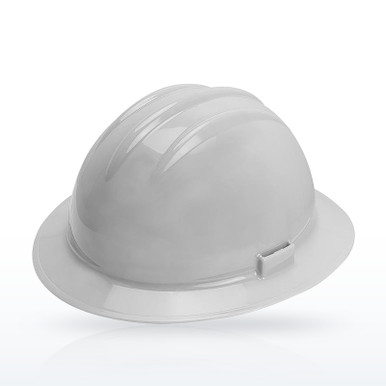
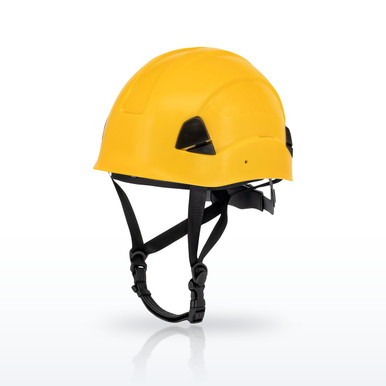
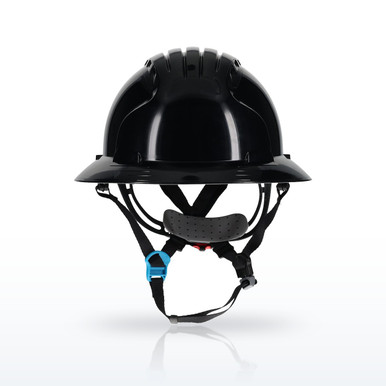
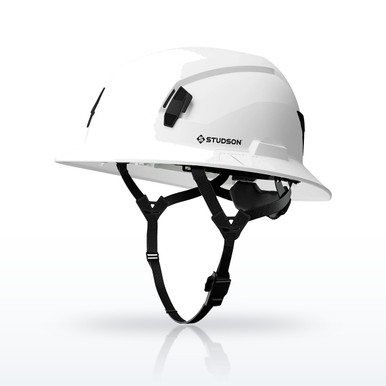 Studson SHK-1 full brim Type II safety helmetANSI Z89.1 Type II, Class E, as published by Studson
Why are there two rulebooks? Construction had its own federal safety rules before OSHA existed, under the Contract Work Hours and Safety Standards Act for federally funded projects. When the OSH Act passed, Congress let OSHA adopt existing federal standards wholesale, so the construction rules became Part 1926 and the general industry consensus standards became Part 1910. The two have been revised on separate tracks ever since, which is why the same subject can sit at a different section number, with a different threshold, in each.
How does OSHA decide which part applies?
The rules of application, from Part 1910 itself.
Where do 1910 and 1926 differ on PPE and the common hazards?
| Subject | General industry, Part 1910 | Construction, Part 1926 | Same or different |
|---|---|---|---|
| PPE general rule | 1910.132(a): provided, used and maintained wherever hazards require it | 1926.95(a): identical text; 1926.28(a) adds the duty to require its use | Same requirement |
| Who pays | 1910.132(h) | 1926.95(d): same text, minus the logging-boot exception | Same |
| Hazard assessment | 1910.132(d): assess, select, fit, communicate, and a written certification | 1926.95(c)(2): select to fit; no certification paragraph | Different: certification only in 1910 |
| PPE training | 1910.132(f): five topics and a demonstration of understanding | 1926.21(b)(2): instruct in recognition and avoidance of unsafe conditions | Different wording, same duty |
| Head protection | 1910.135: Z89.1-2009, 2003 or 1997 | 1926.100: same editions | Same |
| Eye and face | 1910.133: Z87.1-2010, 2003 or 1989 | 1926.102: same editions | Same |
| Respirators | 1910.134 | 1926.103: identical to 1910.134 by its own terms | Same |
| Fall protection trigger | 1910.28(b)(1)(i): 4 feet | 1926.501(b)(1): 6 feet | Different |
| Noise | 1910.95: 90 dBA limit, hearing conservation program at 85 dBA | 1926.52: 90 dBA limit, Table D-2; conservation program whenever levels exceed the table | Same limit, different program trigger |
| Ladders | 1910.23: inspected before use each shift | 1926.1053: inspected periodically by a competent person | Different inspection rule, same use rules |
| Foot protection | 1910.136: ASTM F2412/F2413-2005 or ANSI Z41 | 1926.96: ANSI Z41.1-1967 | Different editions named |
| Illumination | No general table (1910.120(m) for HAZWOPER; 1910.37 for exits) | 1926.56 Table D-3: 3 to 30 foot-candles | Different |
Where the row says same, the text was either copied between the parts or, for respirators, the construction section states that its requirements are identical to 1910.134. Where it says different, the construction number or paragraph is the one an inspector applies to construction work.
29 CFR 1910.132(a), (d), (f) and (h); 1926.95(a), (c)(2) and (d); 1926.28(a); 1926.21(b)(2); 1910.135(b) and 1926.100(b); 1910.133(b) and 1926.102(b); 1926.103; 1910.28(b)(1)(i) and 1926.501(b)(1); 1910.95(a) and (c)(1) and 1926.52(a) and (d)(1); 1910.23(b)(9) and 1926.1053(b)(15); 1910.136(b) and 1926.96; 1926.56.
What does a contractor working in a plant follow?
The construction rules, for the construction work. A contractor building a mezzanine inside an operating warehouse is doing construction work; its employees are under 1926 for fall protection, ladders, scaffolds and PPE. The warehouse employer’s own staff remain under 1910. Where both employers’ workers share a hazard, OSHA’s multi-employer policy can cite the host as the controlling employer and the contractor as the exposing employer, each under the part that applies to its own employees.
29 CFR 1910.12(a) and (b); OSHA Multi-Employer Citation Policy, CPL 2-0.124 (December 10, 1999).Maintenance versus construction is the line that gets argued. Replacing a like-for-like motor is maintenance; replacing a roof is construction. OSHA looks at the scale, the complexity and whether the work alters or repairs the structure. A safety program that holds every worker to the stricter of the two numbers, 4 feet for fall protection, a written hazard assessment, shift inspection of ladders, does not have to win that argument.
29 CFR 1910.12(b) and 1926.32(g) (definition of construction work); 1910.5(c).Does PPE have to be different for construction?
No. The hard hat, glasses, hearing protection and respirator criteria are the same consensus standards in both parts, so a Z89.1 Type I Class E hard hat or Z87.1+ glasses issued in a plant are the same item issued on a site. What changes is when they are required and what else goes with them: the 6-foot fall protection trigger, hi-vis for flaggers under the MUTCD, and the training and inspection paperwork. The product band shows each item’s published rating, which is what both parts look for.
29 CFR 1910.135(b)(1) and 1926.100(b)(1); 1910.133(b)(1) and 1926.102(b)(1); 1926.201(a).PPE rated to the standards both parts name
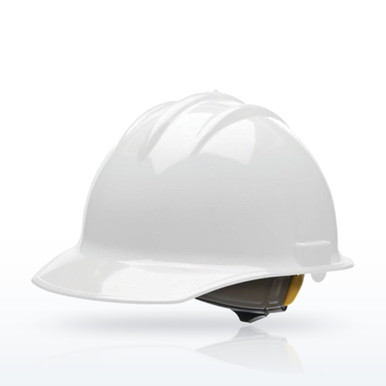
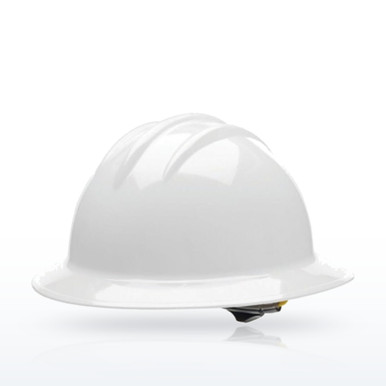
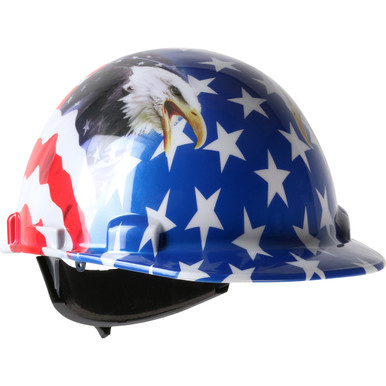
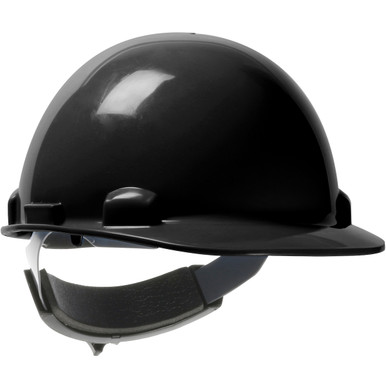
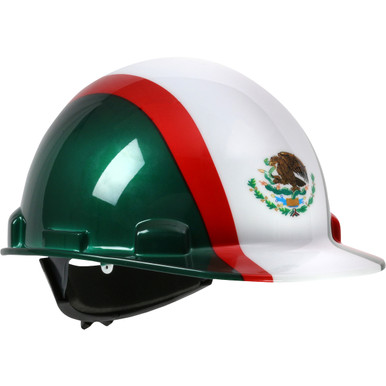
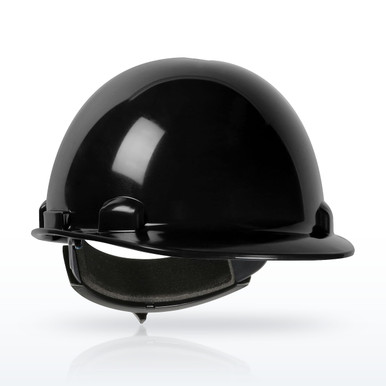
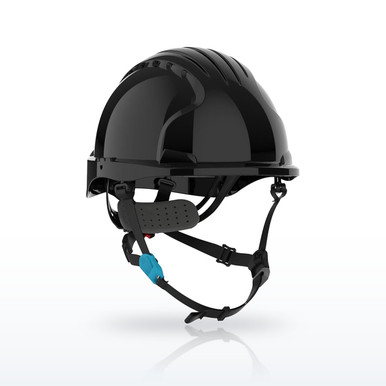
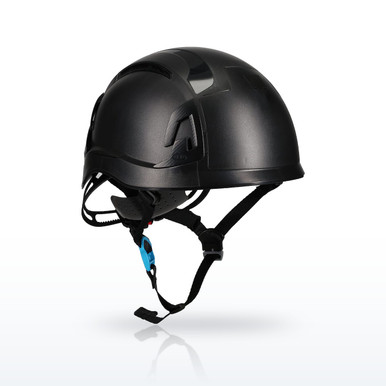
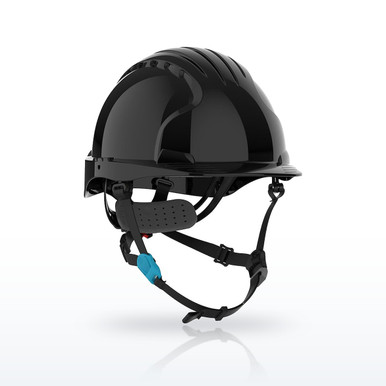
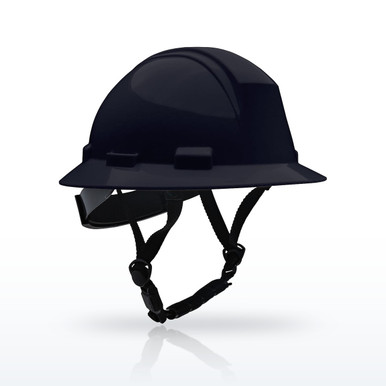
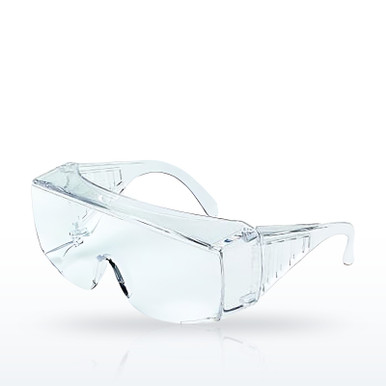
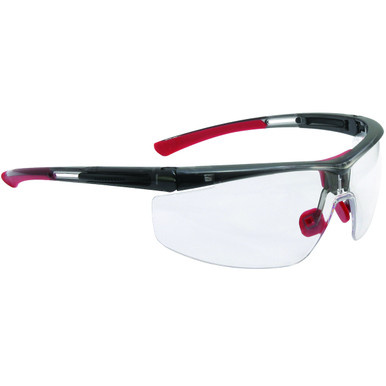
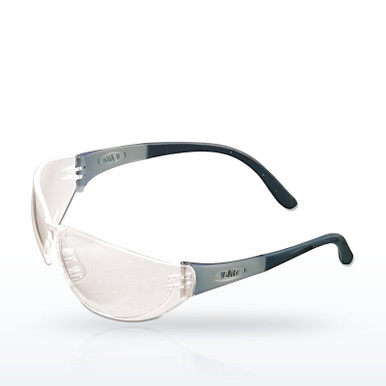
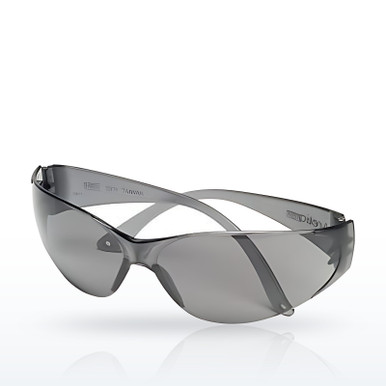
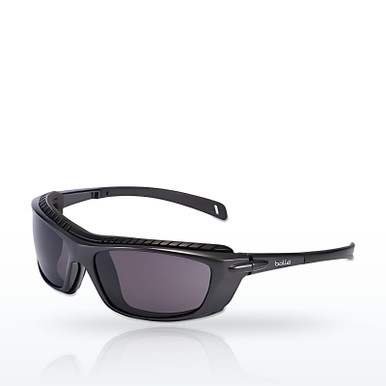
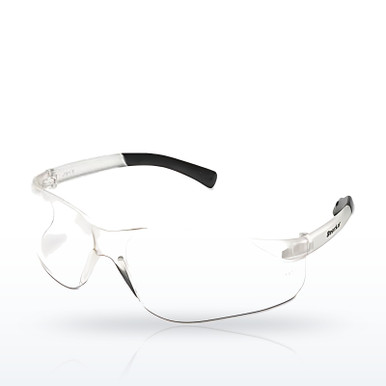
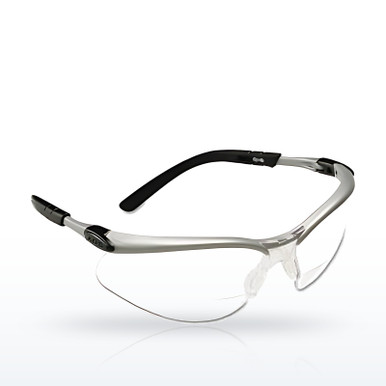
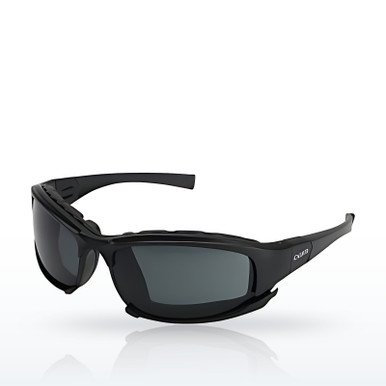
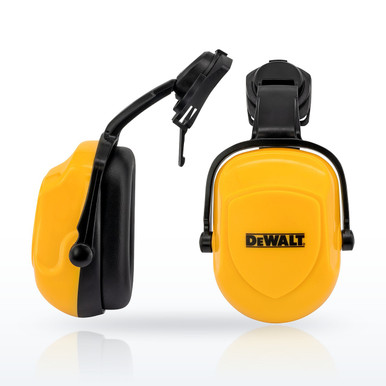
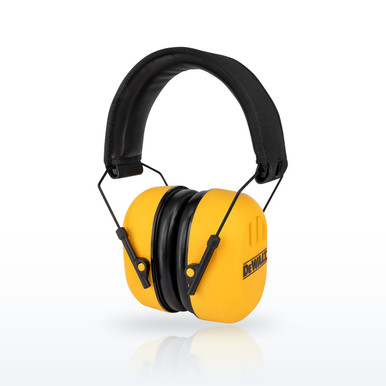
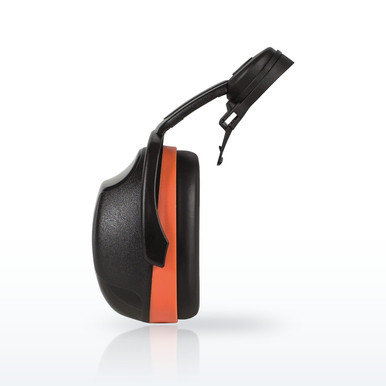
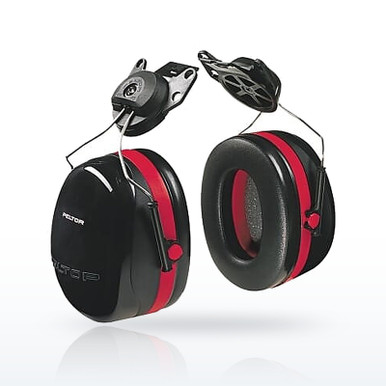
28 items · prices liveEach item shows the rating its manufacturer publishes: ANSI Z89.1 type and class, Z87.1 impact mark, NRR. The same editions are incorporated in 1910.6 and 1926.6. Pack and case sizes are on the product page. Free shipping on orders over $199.



Fall protection for the 4-foot and 6-foot rules is in the fall protection finder.
Questions people ask
What is 29 CFR 1910?
OSHA’s general industry standards: the rules for workplaces that are not construction, shipyards, marine terminals, longshoring or agriculture.
What is 29 CFR 1926?
OSHA’s construction standards, adopted for every employee engaged in construction work through 1910.12.
What counts as construction work?
Work for construction, alteration and/or repair, including painting and decorating (1910.12(b); 1926.32(g)).
Does 1910 apply on a construction site?
Where 1926 has no rule for the condition, yes. 1910.5(c)(2) applies general standards to any employment to the extent no particular standard covers it.
What is the fall protection height in 1910 vs 1926?
4 feet in general industry (1910.28(b)(1)(i)); 6 feet in construction (1926.501(b)(1)).
Are the PPE standards the same in both?
The hard hat, eye and face, respirator and payment rules use the same text or the same ANSI editions. Hazard assessment certification and the five-topic training rule exist only in 1910.
Is a hearing conservation program required in construction?
1926.52(d)(1) requires a continuing, effective program whenever sound levels exceed Table D-2. The detailed 85 dBA program in 1910.95(c) through (o) is a general industry rule.
Which part covers a maintenance crew in a factory?
Part 1910, unless the job is construction, alteration or repair of the structure, in which case 1926 applies to that work.
Related guides
What PPE does OSHA require on a construction site?1926 Subpart E piece by pieceWhen is fall protection required?The OSHA height rulesOSHA ladder requirementsInspection, angle and the 3-point ruleOSHA illumination requirementsThe foot-candle tableWhat is a PPE hazard assessment?What 1910.132(d) requiresWhat is ANSI?And is an ANSI standard the lawStandards and ratings on this page are as published in the documents named and by the manufacturers named. The employer’s hazard assessment and written program decide what applies at a given workplace. Verify a rating on the product and its spec sheet before use.