
What PPE does OSHA require on a construction site?
OSHA does not hand construction crews one fixed PPE list. The construction rules in 29 CFR 1926 Subpart E say what must be worn when a hazard is present: a hard hat where objects can fall or hit the head, safety glasses or a face shield where particles, chemicals or light can hit the eyes, hearing protection where noise is over the limit, a respirator where the air is bad, safety-toe boots where feet can be crushed, and a harness, guardrail or net at 6 feet and above. The employer decides which hazards exist, provides the PPE at no cost, makes sure it fits, and enforces its use.
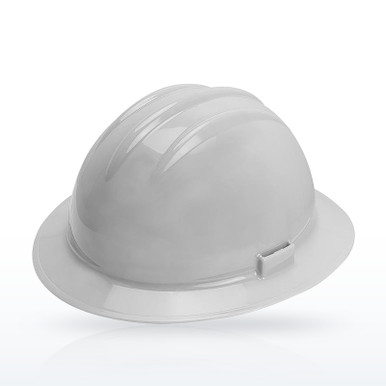
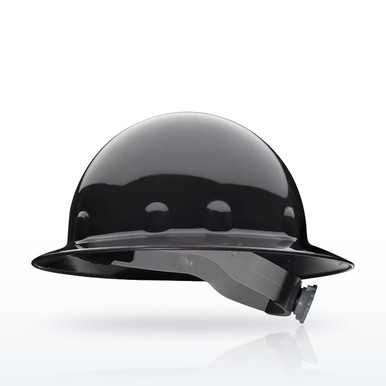
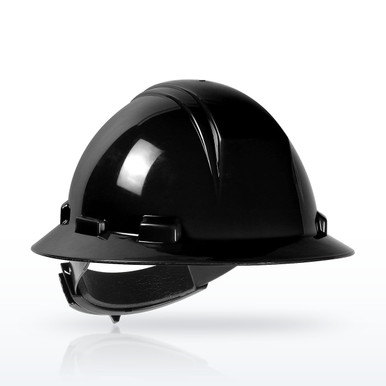 PIP Kilimanjaro 280-HP642R full brim hard hatANSI Z89.1 Type II, Class E, as published by PIP
Why is there no single list? A roofing crew, a concrete crew and an electrician on the same site face different hazards, so the rules are written by hazard, not by trade. 1926.28 puts the duty on the employer: require appropriate PPE wherever there is exposure to a hazardous condition or wherever Part 1926 calls for it. Subpart E then sets the criteria for each kind of equipment. The practical result on most sites is a hard hat, safety glasses and safety-toe boots for everyone, with hearing, respiratory, hand and fall protection added by task.
What does Subpart E require, piece by piece?
Each section names the hazard that triggers the equipment and the standard the equipment must meet.
Which hazards and equipment sit outside Subpart E?
Fall protection is in Subpart M, not Subpart E. On a walking or working surface with an unprotected side or edge 6 feet or more above a lower level, each employee must be protected by a guardrail system, a safety net system or a personal fall arrest system. The old Subpart E section on safety belts and lanyards, 1926.104, still sets rope and hardware minimums, but the harness, lanyard and anchor criteria that apply on a modern site are in 1926.502.
29 CFR 1926.501(b)(1); 1926.502(d); 1926.104.High-visibility clothing for flaggers is in Subpart G. Signaling by flaggers, including the warning garments they wear, must conform to Part 6 of the Manual on Uniform Traffic Control Devices, which is where the ANSI/ISEA 107 class requirement comes from. Subpart E does not name hi-vis for other workers; many employers require it anyway under the general duty in 1926.28 for anyone near moving equipment or traffic.
29 CFR 1926.201(a); 1926.6 (MUTCD 2009 edition incorporated); 1926.28(a).Hand protection has no construction section of its own. The general requirement in 1926.95(a) covers extremities, and the employer picks gloves by the hazard (cuts, chemicals, heat, abrasion). The ANSI/ISEA 105 cut level on a glove is a manufacturer rating, not an OSHA requirement; it is how the employer shows the glove matches the hazard.
29 CFR 1926.95(a); ANSI/ISEA 105 is not incorporated by reference in 1926.6.Electrical protective equipment, rubber gloves, sleeves, blankets and line hose, has its own section, 1926.97, with the Class 00 through Class 4 markings and the testing and inspection rules that go with them.
29 CFR 1926.97(a)(1)(ii) and (c).What does the employer have to do besides hand out the gear?
- Provide it, use it and keep it in a sanitary and reliable condition wherever a hazard makes it necessary. Where a worker brings his own, the employer is still responsible for making sure it is adequate and maintained.
- Make sure it fits. Since January 2025 the construction rule says in so many words that PPE must be selected to properly fit each affected employee, which matters for harnesses, gloves and hi-vis on smaller and larger workers.
- Pay for it. PPE used to comply with Part 1926 is provided at no cost to the employee, with the same exceptions as general industry: non-specialty safety-toe boots and prescription safety glasses the worker may wear off site, everyday clothing, and ordinary weather gear.
- Enforce it. 1926.28(a) makes the employer responsible for requiring the wearing of appropriate PPE, which is the paragraph OSHA cites when gear is on the truck and not on the worker.
- Train. 1926.21(b)(2) requires the employer to instruct each employee in the recognition and avoidance of unsafe conditions and the regulations that apply to the work.
Is a newer ANSI edition than the one OSHA names acceptable?
Yes. The head and eye sections each list the editions OSHA incorporated by reference, Z89.1-2009 and Z87.1-2010 being the most recent, and then say that any device the employer demonstrates is at least as effective as one built to a listed edition will be deemed in compliance. Hard hats and glasses on the market today are marked to Z89.1-2014 and Z87.1-2020, which are later revisions of the same standards. The manufacturer marking on the product is what shows the rating; the band below reads that marking from each item.
29 CFR 1926.100(b)(3); 1926.102(b)(2).Construction PPE by its published rating
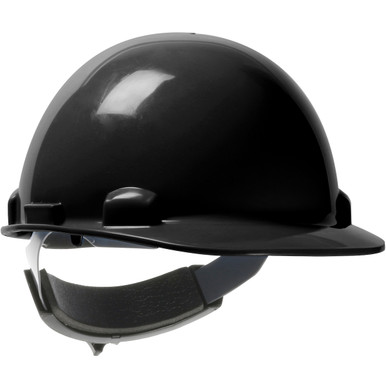
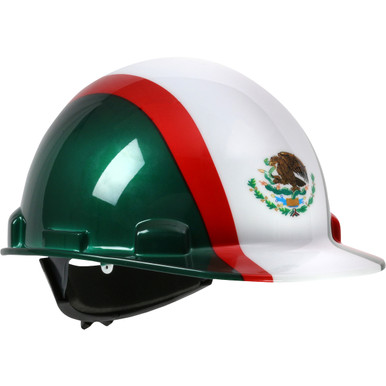
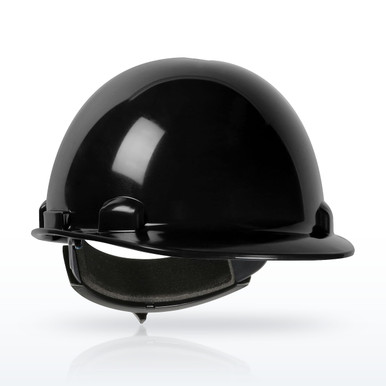
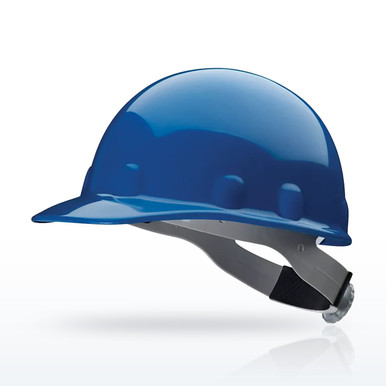
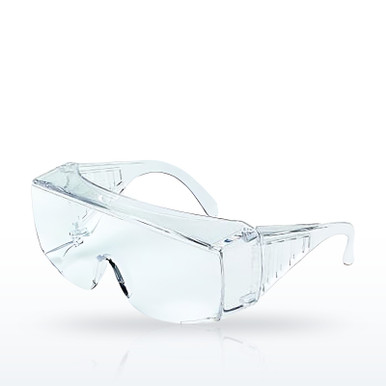
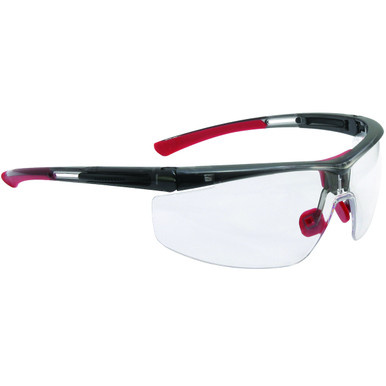
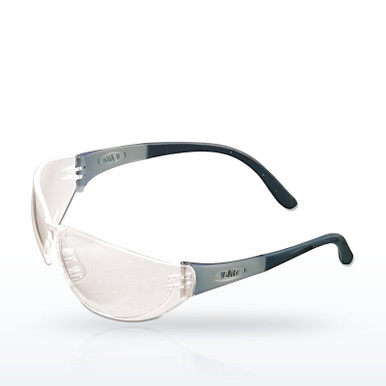
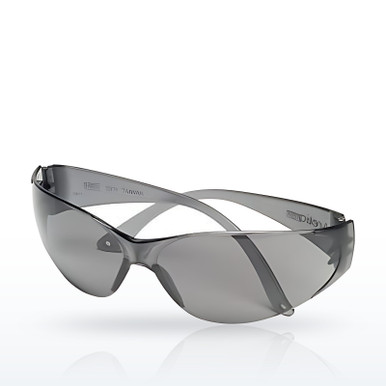
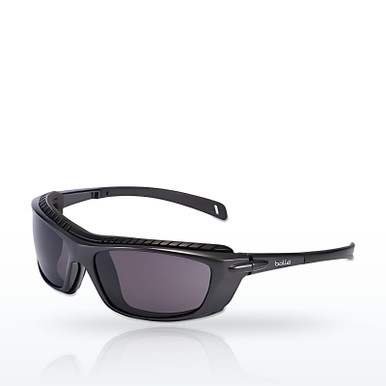
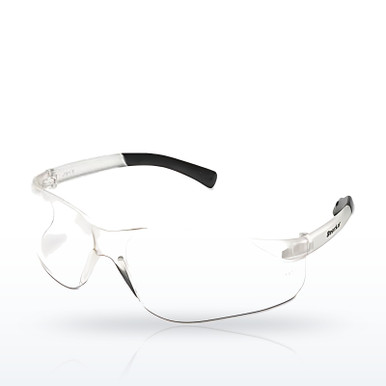
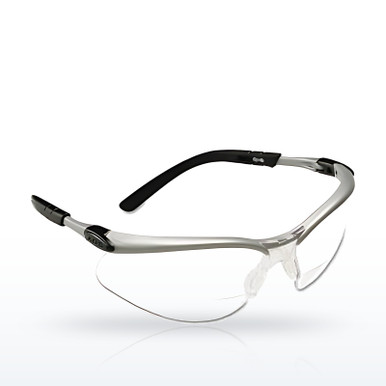
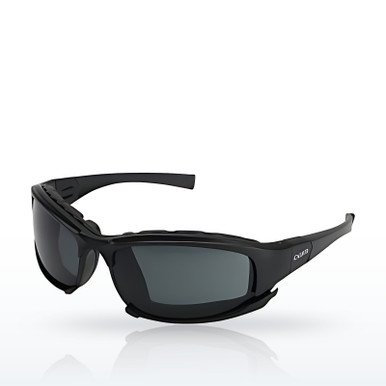
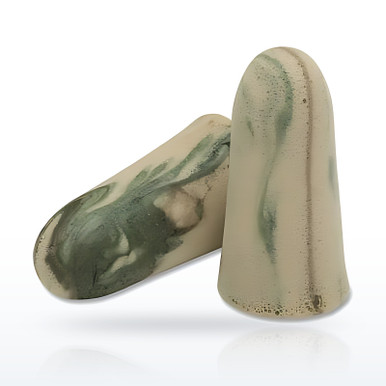
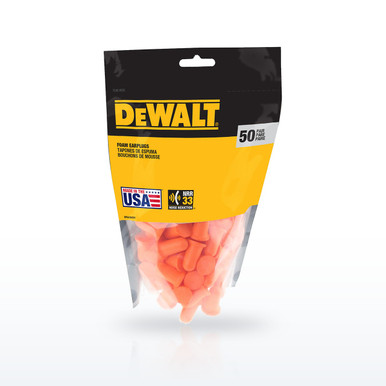
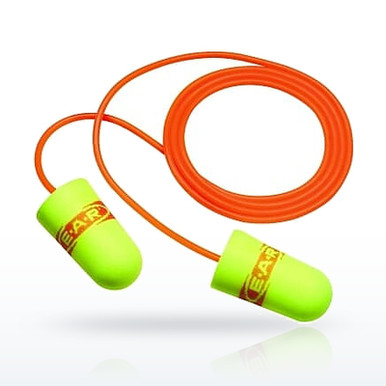
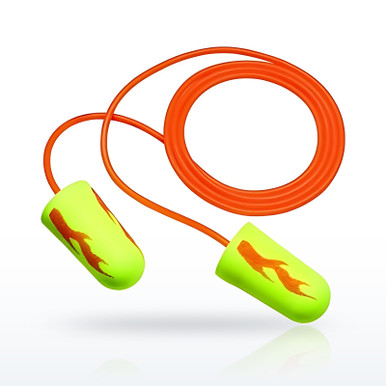
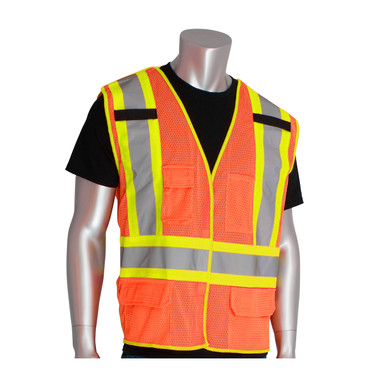
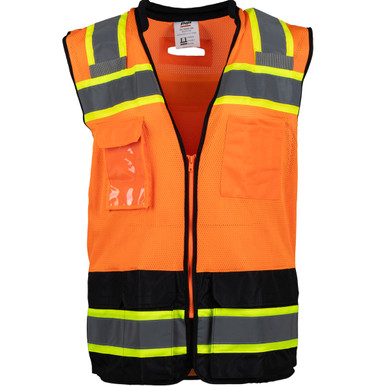
30 items · prices liveEach item shows the rating its manufacturer publishes: ANSI Z89.1 type and class for hard hats, Z87.1 impact mark for glasses, NRR for ear plugs, ANSI/ISEA 107 type and class for vests. Pack size and case counts are on the product page. Contractor Direct orders ship free.
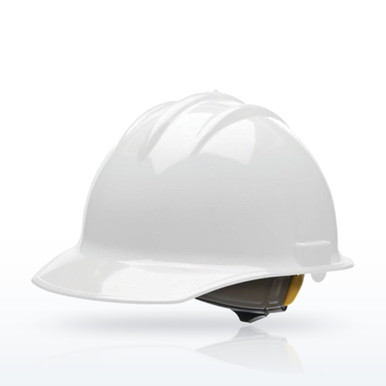
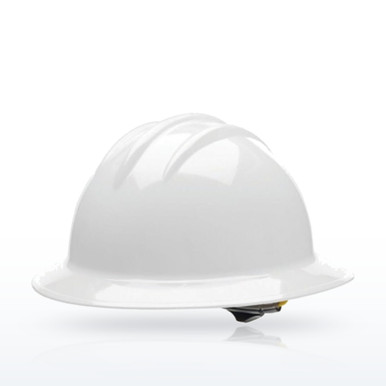
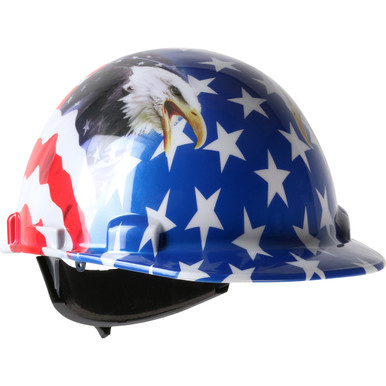



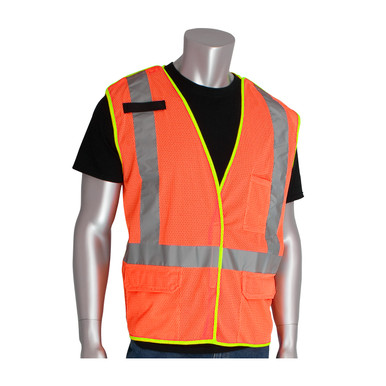
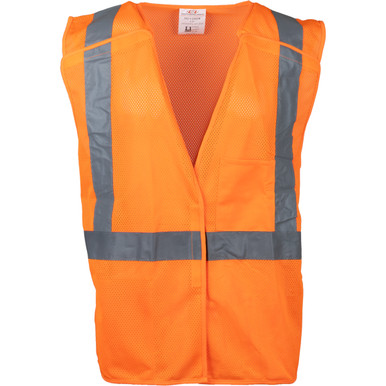
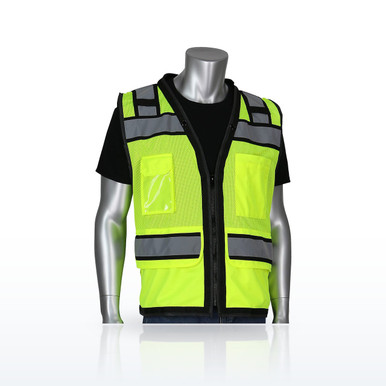
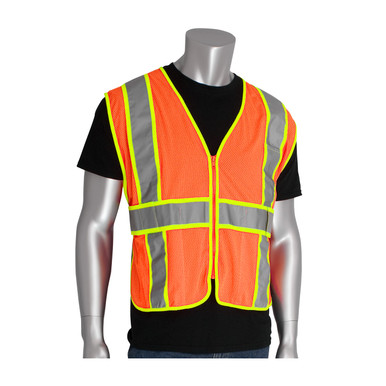
Harnesses and lanyards are in the fall protection finder; respirators in the respirator finder; cut-rated gloves in the work glove selector.
Questions people ask
Does OSHA require hard hats on every construction site?
OSHA requires a helmet wherever there is possible danger of head injury from impact, falling or flying objects, or electrical shock (1926.100(a)). On most active sites that danger exists everywhere, which is why most general contractors make hard hats a site-wide rule.
Does OSHA require safety glasses on a construction site?
Where there is an eye hazard from flying particles, chemicals, molten metal or light radiation (1926.102(a)(1)). Side protection is required where the hazard is flying objects. The glasses must carry a Z87 mark.
Does OSHA require hi-vis vests in construction?
Only for flaggers, through the MUTCD in 1926.201(a). For everyone else it is an employer decision under the general PPE duty in 1926.28(a), and most sites with moving equipment require it.
Does OSHA require steel-toe boots on a construction site?
Safety-toe footwear is required where there is a foot hazard, under 1926.95(a) and 1926.96. The employer does not have to pay for non-specialty safety-toe boots the worker is allowed to wear off site (1926.95(d)(2)).
At what height does OSHA require fall protection in construction?
6 feet above a lower level on an unprotected side or edge, by guardrail, net or personal fall arrest system (1926.501(b)(1)). That is Subpart M, not Subpart E.
Who pays for PPE in construction?
The employer, at no cost to the employee, with exceptions for non-specialty safety-toe boots, prescription safety glasses, everyday clothing and weather gear (1926.95(d)).
Can I wear my own hard hat or harness?
The employer may allow it, but remains responsible for making sure it is adequate and maintained (1926.95(b)) and cannot require you to supply your own (1926.95(d)(6)).
Does the 1926 PPE rule say anything about fit?
Yes. Since January 2025, 1926.95(c)(2) requires PPE to be selected to properly fit each affected employee.
Related guides
Who pays for PPE?The OSHA employer payment ruleWhat is a PPE hazard assessment?What 1910.132(d) requiresWhen is fall protection required?The OSHA height rulesANSI/ISEA 107 classesType O, R and P; Class 1, 2 and 3Hard hat colorsWhat the colors mean on a siteOSHA 1910 vs 1926General industry vs constructionStandards and ratings on this page are as published in the documents named and by the manufacturers named. The employer’s hazard assessment and written program decide what applies at a given workplace. Verify a rating on the product and its spec sheet before use.