
OSHA ladder requirements: inspection, angle and the 3-point rule
OSHA has two ladder rules that say nearly the same thing: 1910.23 for general industry and 1926.1053 for construction. Inspect the ladder before use and tag and remove any ladder with a defect. Set an extension or straight ladder at 4 to 1: the base one quarter of the working length out from the wall. Extend it at least 3 feet above the landing it reaches. Use it only on a stable, level surface, never on boxes or blocks, and never move it with someone on it. Do not stand on the top step or cap of a stepladder. Face the ladder and keep at least one hand on it while climbing, and carry nothing that could make you lose your balance. The 3-point rule, two hands and a foot or two feet and a hand, is OSHA guidance built on that one-hand requirement. Fixed ladders over 24 feet need a ladder safety system or personal fall arrest.
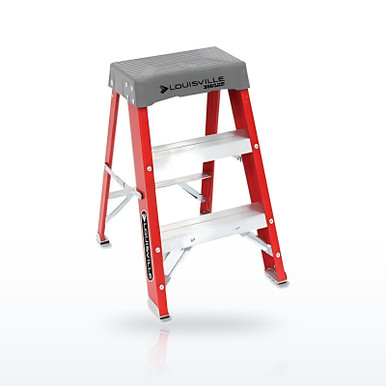
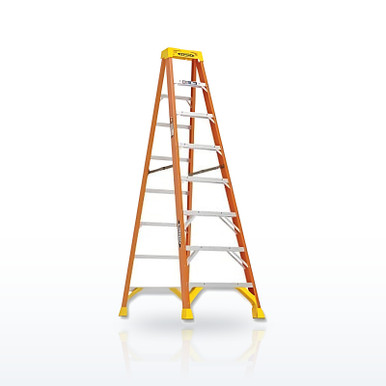 Werner 6208 fiberglass stepladderType IA duty rating, 300 pounds, as published by Werner
Why is the angle 4 to 1? A straight ladder is a beam leaning on a wall. Set too steep, it tips backward when the climber leans; set too shallow, the feet kick out. One foot out for every four feet of working length is the angle the standards settled on as the balance between the two, and it is written into the construction rule as a number. The general industry rule gets the same result by requiring the ladder to be used as designed and on a stable surface, and OSHA’s guidance gives the same quarter rule for both.
What are the rules for using a portable ladder?
The general industry and construction paragraphs, side by side.
Where does the 3-point rule come from?
Neither regulation uses the phrase three points of contact. What the regulations require is that the climber face the ladder, use at least one hand to grasp it, and carry nothing that could cause a loss of balance. The 3-point rule is how OSHA teaches those three paragraphs: its Portable Ladder Safety QuickCard says to always maintain a 3-point contact, two hands and a foot or two feet and a hand, on the ladder when climbing, and to keep the body near the middle of the step. A worker with a hand on the rail and both feet on rungs satisfies the regulation; the QuickCard wording is what safety programs write into their rules because it is easier to check on a site.
29 CFR 1910.23(b)(11) through (13); 1926.1053(b)(20) through (22); OSHA QuickCard 3246, Portable Ladder Safety.Two more points from the same guidance that are not in the regulation text: do not stand on the top three rungs of a straight, single or extension ladder, and be sure every lock on an extension ladder is engaged. Both are good practice and both appear on the manufacturer label the regulation tells you to follow.
OSHA QuickCard 3246; 1910.23(b)(8) and 1926.1053(b)(4): ladders used only for the purpose for which they were designed.What are the rules for fixed ladders?
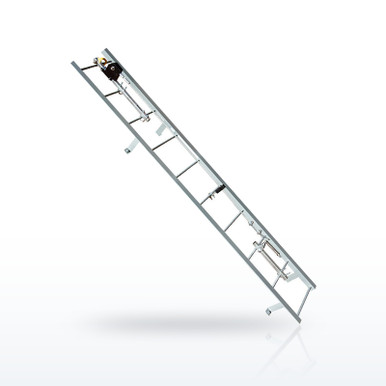
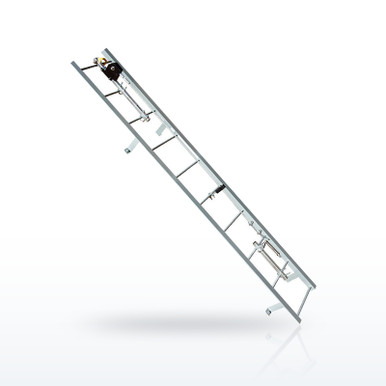
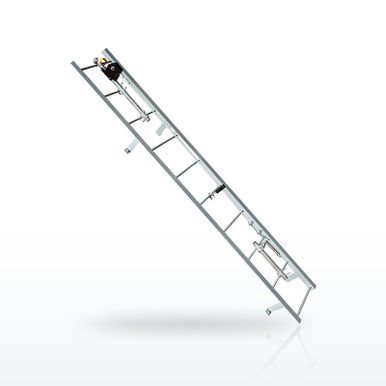
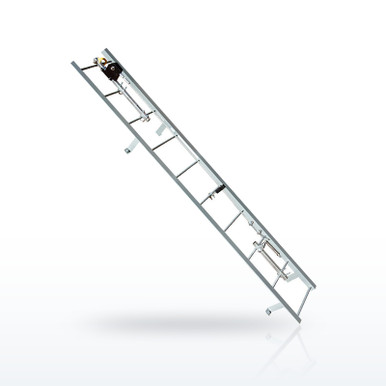
A fixed ladder that extends more than 24 feet above a lower level must have fall protection. For ladders installed on or after November 19, 2018, that means a personal fall arrest system or a ladder safety system; cages and wells no longer count on new ladders. Existing ladders may keep a cage or well until November 18, 2036, after which every fixed ladder over 24 feet must have a personal fall arrest or ladder safety system. When any section of a caged ladder is replaced, the replacement section gets a fall arrest or ladder safety system.
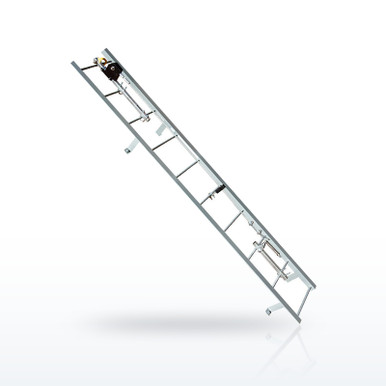
29 CFR 1910.28(b)(9)(i)(A) through (D).A ladder safety system is the rail or cable that runs the length of the ladder with a sleeve that locks on a fall. It must protect the whole climb, including every section, and the connection from the sleeve to the harness must be short; the construction rule caps it at 9 inches and requires the device to activate within 2 feet of a fall and limit descent to 7 feet per second. The climber must be able to go up and down without holding, pushing or pulling any part of the device, which keeps both hands free for the ladder.
29 CFR 1910.28(b)(9)(ii)(A); 1926.1053(a)(22)(i) through (iv).In construction, fixed ladders with a total climb of 24 feet or more need a ladder safety device, a self-retracting lifeline with rest platforms every 150 feet, or a cage or well with the ladder broken into sections no longer than 50 feet. Side rails extend 42 inches above the landing, rungs are 10 to 14 inches apart, and the clearance behind the rungs is at least 7 inches.
29 CFR 1926.1053(a)(19), (a)(24), (a)(3)(i) and (a)(13).What do the duty ratings on a ladder mean?
The label on a portable ladder gives a duty rating under the ANSI A14 ladder standards: Type IAA at 375 pounds, Type IA at 300, Type I at 250, Type II at 225 and Type III at 200. The number is the maximum intended load, the climber plus everything carried. The OSHA construction rule names Type IA as extra-heavy-duty and requires every portable ladder to support four times its maximum intended load without failure, 3.3 times for a Type IA metal or plastic ladder; ladders built and tested to the ANSI A14 standards are deemed to meet that. Fiberglass side rails are what the construction rule requires wherever the ladder or the climber could contact energized electrical equipment.
29 CFR 1926.1053(a)(1)(i) and (ii), (b)(3) and (b)(12); 1910.23(c)(3) and its note; duty ratings as published by the ladder manufacturers under ANSI A14.2 and A14.5.Ladders by duty rating, and ladder safety systems by standard
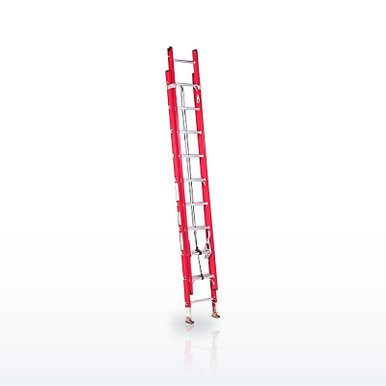
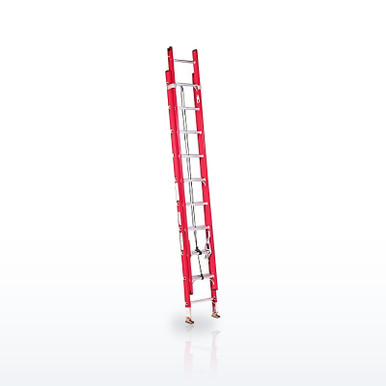
16 items · prices liveDuty ratings are as published by Louisville Ladder and Werner on each product page; the ladder climb systems show the standard the manufacturer lists. Lengths and versions are on the product page. Free shipping on orders over $199.
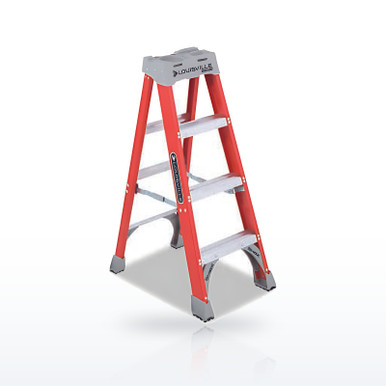
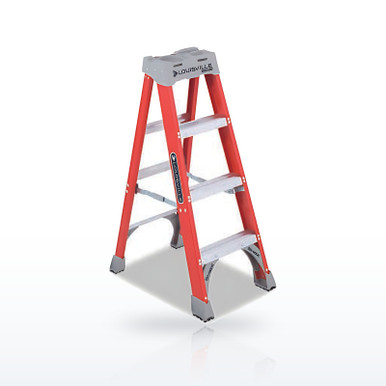
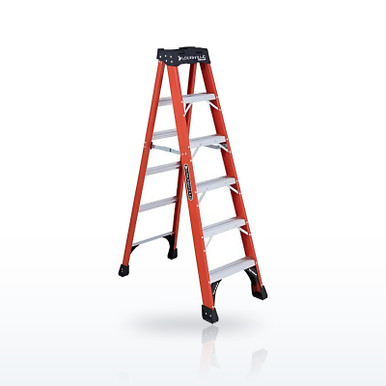
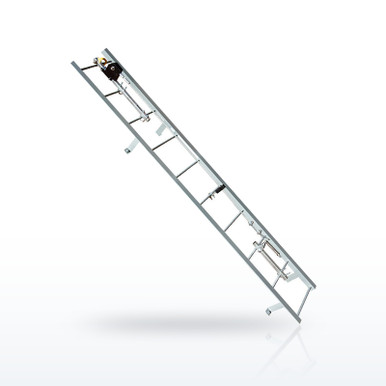
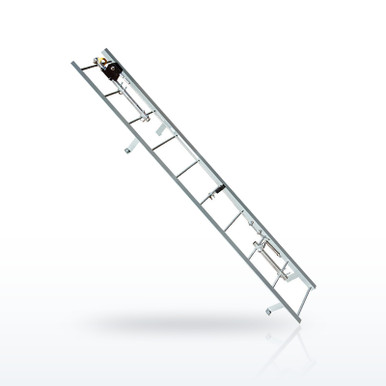
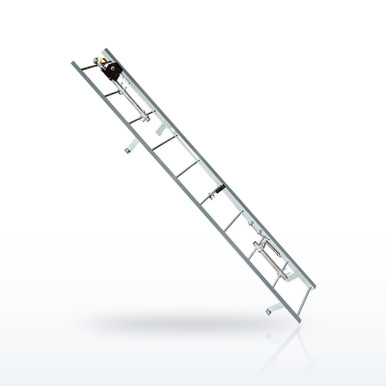

Harnesses for ladder climb systems, self-retracting lifelines and anchors are in the fall protection finder.
Questions people ask
What is the OSHA 4-to-1 ladder rule?
Set a straight or extension ladder so the horizontal distance from the top support to the foot is about one quarter of the working length (1926.1053(b)(5)(i)). OSHA’s guidance gives the same quarter rule for all workplaces.
Does OSHA require three points of contact on a ladder?
The regulations require facing the ladder, grasping it with at least one hand and carrying nothing that upsets balance (1910.23(b)(11) to (13); 1926.1053(b)(20) to (22)). The 3-point rule is OSHA’s QuickCard guidance for meeting them.
How far must a ladder extend above the roof or landing?
At least 3 feet above the upper landing surface (1910.23(c)(11); 1926.1053(b)(1)).
How often must ladders be inspected?
General industry: before initial use in each work shift (1910.23(b)(9)). Construction: periodically by a competent person and after any occurrence that could affect safe use (1926.1053(b)(15)).
Can you stand on the top step of a stepladder?
No. The cap and top step are not used as steps (1910.23(c)(8); 1926.1053(b)(13)).
When does a fixed ladder need a cage or fall protection?
Over 24 feet. New fixed ladders since November 19, 2018 need a personal fall arrest or ladder safety system; cages on existing ladders are allowed until November 18, 2036 (1910.28(b)(9)).
Does OSHA require ladder training?
In construction, yes: 1926.1060 requires training by a competent person on fall hazards, proper use, placement and load capacity of ladders. In general industry, 1910.30 requires training on fall hazards for anyone who uses personal fall protection and on the care, inspection, storage and use of equipment covered by Subpart D, which includes ladders.
What does Type IA mean on a ladder?
A 300-pound duty rating under the ANSI A14 ladder standards, which OSHA’s construction rule calls extra-heavy-duty (1926.1053(a)(1)(i)). The rating is the climber plus tools and materials.
Standards and ratings on this page are as published in the documents named and by the manufacturers named. The employer’s hazard assessment and written program decide what applies at a given workplace. Verify a rating on the product and its spec sheet before use.