
What is oxygen deficiency and enrichment? The 19.5 and 23.5 percent limits
Normal air is 20.9 percent oxygen. OSHA defines an oxygen-deficient atmosphere as one below 19.5 percent and an oxygen-enriched atmosphere as one above 23.5 percent, and either one makes a confined space hazardous. Below 19.5 the respirator standard treats the air as immediately dangerous to life or health: only a supplied-air respirator or SCBA may be used, and no cartridge respirator will help, because a cartridge filters air but does not add oxygen. Above 23.5 the hazard is fire. Clothing, hair and grease burn faster and hotter in enriched air, and a spark that would not catch in normal air will. An oxygen monitor alarms at both ends, commonly 19.5 low and 23.5 high, as shipped.
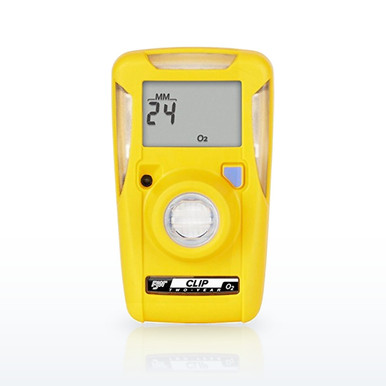
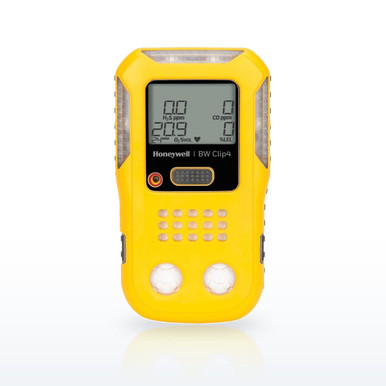
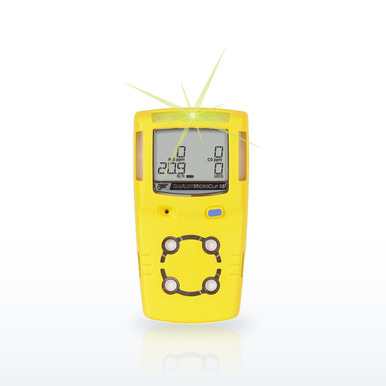
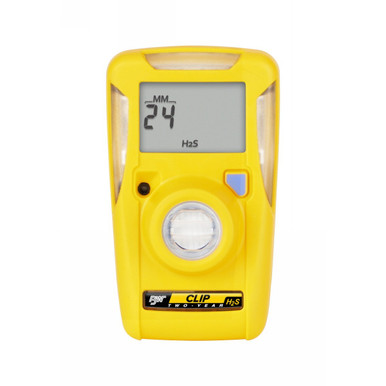 BW Technologies BWC2R-X Single Gas Monitors, Honeywell BW Clip Real TimeSingle-gas oxygen monitor, alarms at 19.5 and 23.5 percent as shipped
Why 19.5 percent and not something closer to 20.9? OSHA chose 19.5 to leave a margin. The agency’s own rulemaking record says that at 16 to 19.5 percent a worker doing any kind of exertion can rapidly become symptomatic, with faster breathing, faster heartbeat and impaired thinking or coordination, and that even a momentary loss of coordination can be devastating in a confined space or at height. The symptoms appear without warning. Setting the line at 19.5 means the alarm sounds while the worker can still think clearly and climb out. OSHA has refused to accept a lower number, writing that an atmosphere around 13 percent oxygen leaves no margin of safety from potentially debilitating effects.
What does OSHA say about oxygen levels?
The two numbers appear in the confined-space standard and the respirator standard, and the respirator standard sets the consequence.
What happens to a worker at each oxygen level?
- 20.9 percent: normal air at sea level. An oxygen monitor reads 20.9 in clean air; this is also the zero point you check before a bump test.
- 19.5 percent: the OSHA line. Below it the air is oxygen-deficient and, under the respirator standard, IDLH.
- 16 to 19.5 percent: workers engaged in any form of exertion can rapidly become symptomatic: increased breathing rate, faster heartbeat, impaired thinking and coordination.
- 12 to 16 percent: rapid breathing, rapid heartbeat and impaired attention, thinking and coordination, even at rest.
- 10 to 14 percent: faulty judgment, intermittent breathing and exhaustion.
- 6 to 10 percent: nausea, vomiting, lethargic movement and possibly unconsciousness.
- Below 6 percent: convulsions, then breathing stops, then the heart stops. These symptoms occur immediately. A survivor may have irreversible organ damage.
Why is too much oxygen dangerous?
Oxygen does not burn, but everything else burns faster in it. In enriched air, materials ignite at lower temperatures, burn hotter and spread faster: oily rags, hair, work clothing, the grease on a fitting. A leaking oxygen cylinder or a torch left cracked open in a tank can push a confined space above 23.5 percent in minutes, and a spark from a tool or a static discharge then starts a fire that normal air would not have carried. That is why 23.5 is in the confined-space definition alongside 19.5, and why oxygen is never used to ventilate or freshen a space.
29 CFR 1910.146(b), oxygen enriched atmosphere and hazardous atmosphere item (3). The fire behavior of enriched air is the reason the limit exists; OSHA gives the number, not a mechanism, in the standard.What takes the oxygen out of a confined space?
- Displacement. A gas heavier or lighter than air fills the space and pushes the air out: nitrogen or argon purge gas, carbon dioxide from fermentation or dry ice, propane from a leak, welding shielding gas. The oxygen reading drops and the monitor sees nothing else, because the gas that did it may be one the monitor has no sensor for.
- Consumption. Rust forms by taking oxygen from the air, and a closed steel tank can rust its own atmosphere down below 19.5 over weeks. Rotting organic matter, bacteria in a sewer, drying paint, and any combustion inside the space do the same.
- Absorption. Wet activated carbon, fresh concrete and some chemicals pull oxygen from the air.
- The reading lags the hazard. Oxygen sensors in portable monitors respond in seconds, but the space is tested from outside first, at every level, because a low spot or a pocket can be deficient while the opening reads 20.9.
What are the alarm settings on an oxygen monitor?
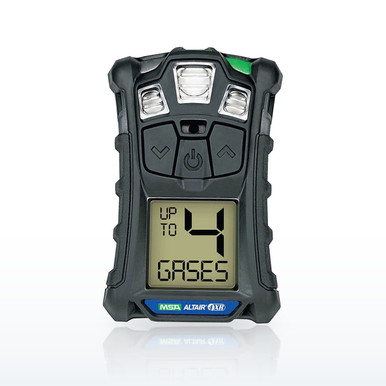
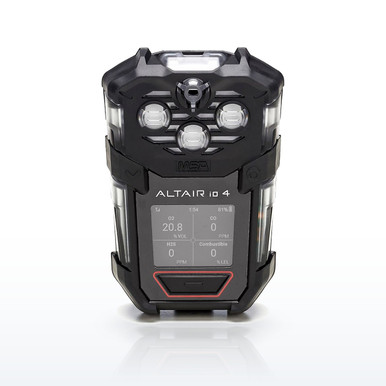
Manufacturers ship oxygen monitors with the low alarm at 19.5 percent and the high alarm at or near 23.5; some set the high alarm at 23.0 to give a little more warning. Those are the factory numbers on the product pages for the Honeywell BW Clip and MSA ALTAIR oxygen monitors in our catalog. The employer’s written program can set them tighter. An oxygen sensor reads in percent by volume, not ppm, and it is the first channel checked in a confined-space test because a deficient atmosphere makes the LEL reading unreliable and changes what the toxic readings mean.
Honeywell BW Clip O2 published product data (alarms at 19.5 and 23.5 percent); MSA ALTAIR oxygen monitor published product data (low 19.5 percent, high 23.0 percent); 29 CFR 1910.146(d)(5)(iii) (oxygen first).Oxygen monitors
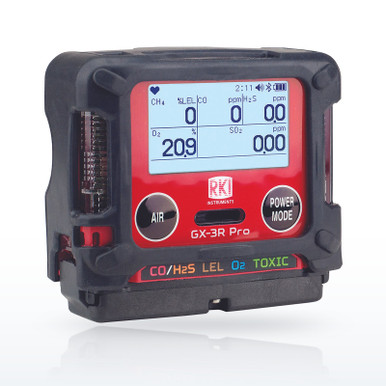
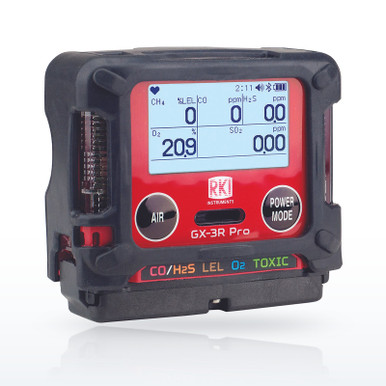
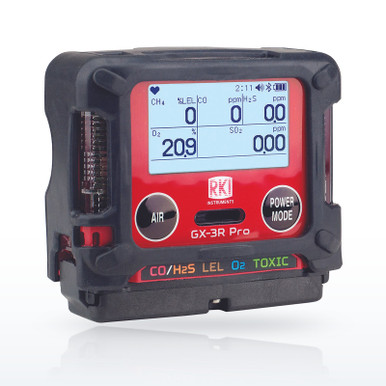
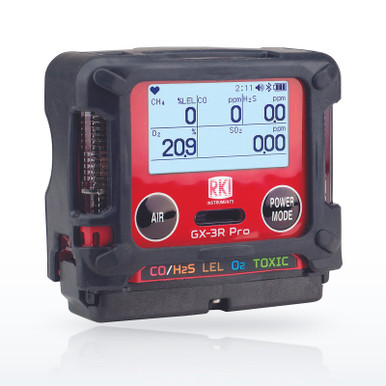
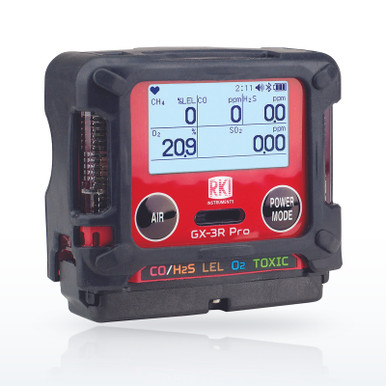
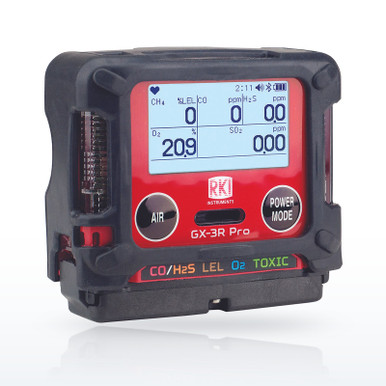
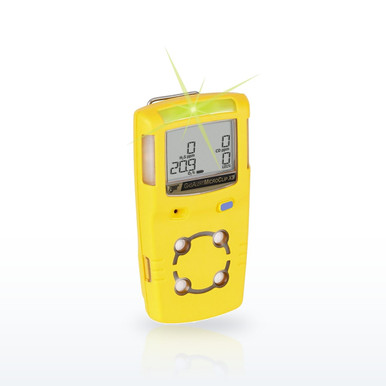
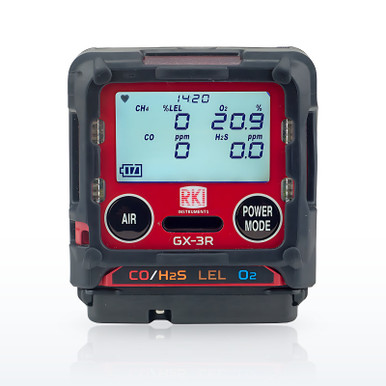
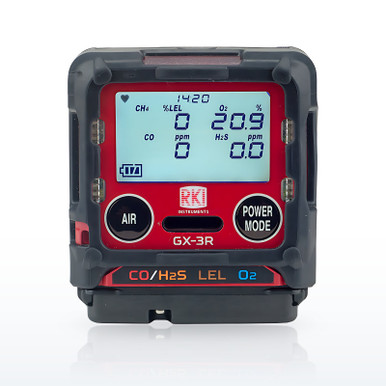
26 items · prices liveEvery monitor shown lists oxygen among the gases its manufacturer specifies for it; factory alarm set points are on the product page. Contractor Direct orders ship free.
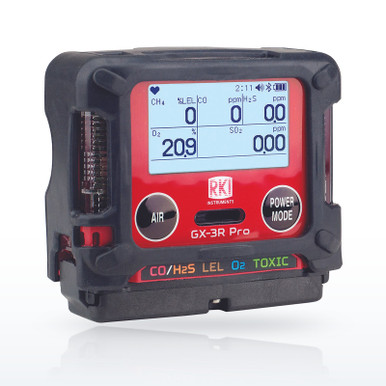
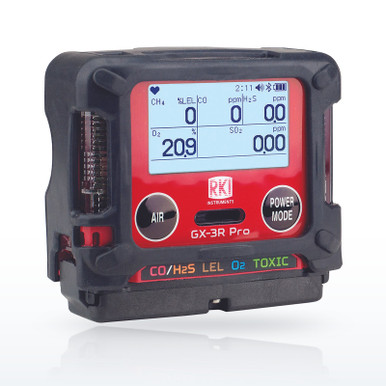
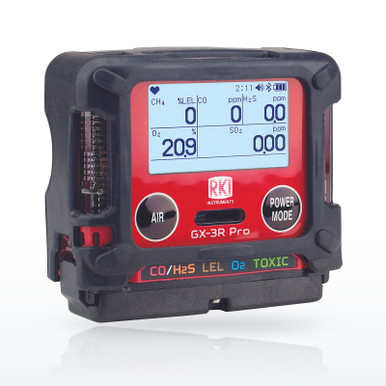
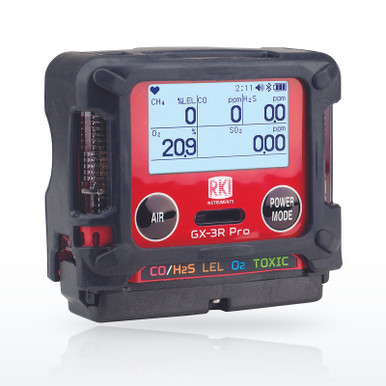

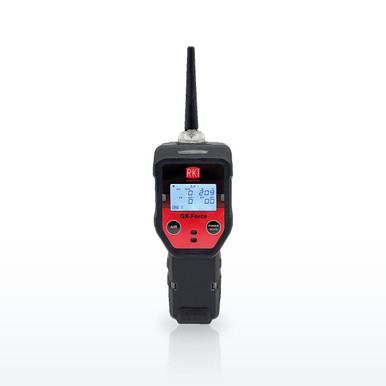
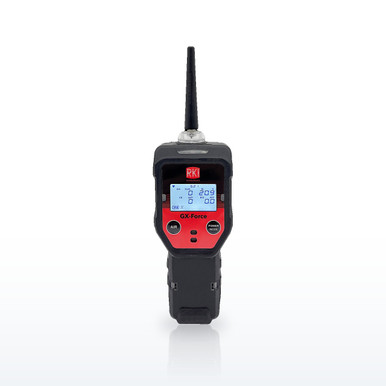
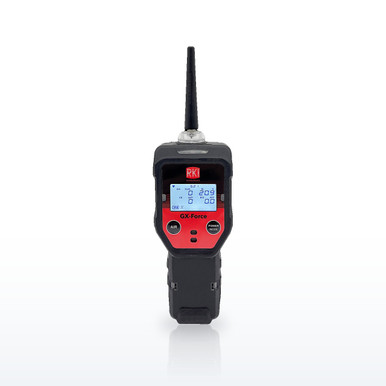
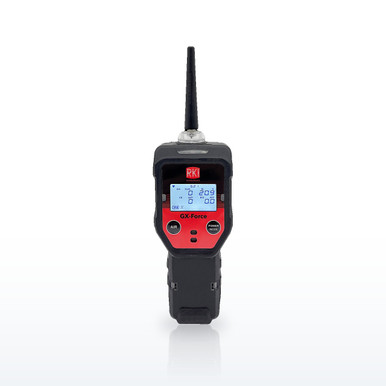
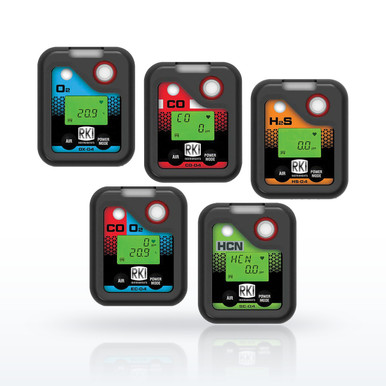
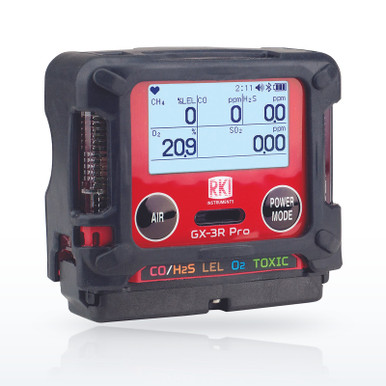
Replacement oxygen sensors, calibration gas and docking stations are in the gas detection finder.
Questions people ask
What oxygen level is safe to enter a confined space?
19.5 to 23.5 percent by volume, and held there while people are inside. Outside that range the atmosphere is hazardous under 1910.146(b).
What is the oxygen level in normal air?
20.9 percent. An oxygen monitor reads 20.9 in clean air.
Why is 19.5 percent the limit?
OSHA’s rulemaking record shows symptoms start between 16 and 19.5 percent for a worker who is exerting, so 19.5 gives a margin while the person can still think and get out.
What happens at 16 percent oxygen?
Faster breathing and heartbeat and impaired thinking and coordination, even at rest, per the preamble OSHA quotes. At 10 to 14 percent, faulty judgment and exhaustion; below 6 percent, convulsions and breathing stops.
Can I use a cartridge respirator in low oxygen?
No. A cartridge filters the air; it adds no oxygen. Below 19.5 percent the atmosphere is IDLH and only an SCBA or a supplied-air respirator with an escape cylinder is allowed. (1910.134(d)(2)(iii) and (d)(2)(i).)
Why is more than 23.5 percent oxygen dangerous?
Fire. Materials ignite more easily and burn faster and hotter in enriched air, so a spark that does nothing in normal air can start a fire.
What causes low oxygen in a tank or manhole?
A purge gas or leak displacing the air, rust or rot consuming the oxygen, or materials absorbing it. The monitor shows the oxygen drop even when it cannot see the gas that caused it.
What are the alarm settings on an oxygen monitor?
Factory settings are commonly 19.5 percent low and 23.5 or 23.0 percent high; the product page lists the model’s numbers and the employer’s program can change them.
Standards and ratings on this page are as published in the documents named and by the manufacturers named. The employer’s hazard assessment and written program decide what applies at a given workplace. Verify a rating on the product and its spec sheet before use.