
Plasma cutter vs oxy-fuel torch: what each does
A plasma cutter is an arc tool. It drives an electric arc through a jet of compressed air or gas squeezed through a small nozzle; the gas turns to plasma, melts the metal, and the jet blows the melt out of the cut. It cuts any metal that conducts electricity: mild steel, stainless, aluminum, copper, brass, up to about 1 to 2 inches on hand systems. An oxy-fuel torch is a chemical tool. A fuel gas, usually acetylene or propane, preheats steel to its ignition temperature, then a stream of pure oxygen burns the steel and blows the oxide out of the cut. It only works on metals that oxidize that way, which means plain carbon steel and wrought iron; it will not cut stainless, aluminum or copper. It cuts steel from thin plate to 6 inches and beyond, needs no electricity, and runs on cylinders. OSHA treats plasma as arc cutting and oxy-fuel as oxygen cutting, with different eye protection, shade and equipment rules for each.
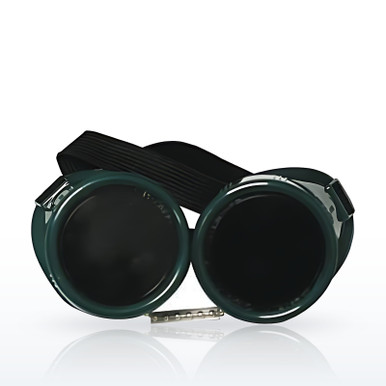
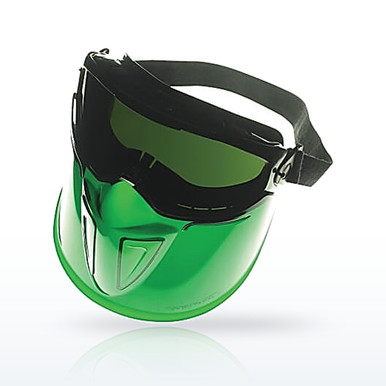
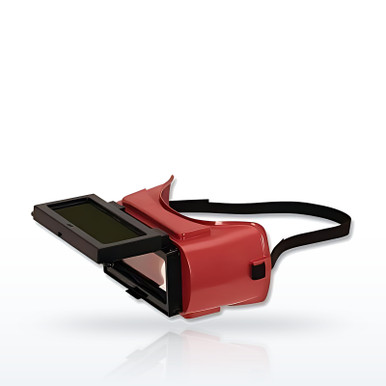 Jackson Safety 15992 flip-front cutting gogglesIRUV shade 5 flip lens over clear, as published by Jackson
Why do the two need different protection? They make heat in different ways, and the hazards follow. A plasma arc is an electric arc: it throws the same ultraviolet and infrared as a welding arc, so the operator needs a helmet or hand shield with a filter of at least shade 8 by the OSHA table, and the machine is a welding power source for grounding and cable purposes. A cutting torch is a flame: it is far dimmer, so the table calls for shade 3 to 5 in goggles, but it runs on oxygen and a fuel gas in cylinders, which brings the whole cylinder, regulator and hose chapter of the standard with it. Both throw sparks and slag a long way and both make fume from the metal being cut, so the fire-prevention, ventilation and clothing rules apply equally.
What is the difference, point by point?
As the equipment makers describe their own processes, with the OSHA rule that applies.
What eye protection does each one need?
Plasma arc cutting is arc cutting, and the welding standard requires a helmet or hand shield for all arc welding and arc cutting. The shade comes from the 1910.133 table: a minimum of 8 for plasma arc cutting under 300 amps, 9 from 300 to 400 and 10 from 400 to 800, where the arc is clearly seen; lighter filters have been used when the workpiece hides the arc. Hand plasma cutters are rated by their makers well under 300 amps, so shade 8 is the floor and an auto-darkening helmet set at 9 or 10 is what most operators run. Oxygen cutting is gas work, and the standard requires goggles or other suitable eye protection; the shade is 3 for plate under 1 inch, 4 from 1 to 6 inches and 5 over 6 inches by the 1910.133 table, or 3 or 4, 4 or 5 and 5 or 6 by the 1910.252 table. A shade 5 cutting goggle or a shade 5 window on a face shield covers oxy-fuel cutting and gas welding. A shade 5 goggle does not cover plasma.
29 CFR 1910.252(b)(2)(i)(A) and (B); 1910.133(a)(5), plasma arc cutting and oxygen cutting rows with footnotes; 1910.252(b)(2)(ii)(H).What rules follow the oxy-fuel outfit?
- Acetylene is never generated, piped or used above 15 psig; liquid acetylene is prohibited.
- Only approved torches, regulators and manifolds are used; regulators are used only for the gas and pressure they are built for, and repaired only by instructed mechanics.
- Cylinders are marked with the gas they hold; valve caps stay on hand-tight except when the cylinder is in use or connected; cylinders are not dropped, struck or lifted by the cap.
- In storage, oxygen cylinders are kept at least 20 feet from fuel-gas cylinders and combustibles, especially oil and grease, or behind a noncombustible barrier at least 5 feet high with a half-hour fire rating; inside a building, cylinders are 20 feet from highly combustible material, in a ventilated spot, never in a locker or cupboard.
- Oxygen and acetylene hoses taped together are covered no more than 4 inches in every 12; hose and regulator connections follow the Compressed Gas Association standards the rule names.
- In a confined space, torch valves are closed and the gas shut off outside the space whenever the torch is set down for a substantial period; where practicable the torch and hose come out. Oxygen is never used for ventilation or to blow off clothing.
- The people in charge of the gas supply are instructed and judged competent by the employer before being left in charge.
What rules follow the plasma cutter?
- Plasma cutting equipment is arc equipment: operators are acquainted with the arc welding equipment rule and with the fire, personnel and ventilation paragraphs of 1910.252, and the manufacturer’s printed operating instructions are followed.
- The machine frame ground is checked, with special attention to portable machines; cables with damaged insulation or bare conductors are replaced, and lengths are joined only with connectors made for the purpose.
- Defects are reported and the machine is out of service until it is safe; repairs are made only by qualified people.
- Torches and holders are placed where they cannot make electrical contact with people, conducting objects or gas cylinders when not in use; in a confined space the machine is disconnected from power at breaks.
- The arc throws ultraviolet like a welding arc: helmet for the operator, screens or goggles for anyone adjacent, skin covered.
- Cutting stainless with gas-shielded arc, which includes plasma, requires mechanical ventilation adequate to remove the fume; stainless fume carries hexavalent chromium and nickel with their own limits.
Which one for the job?
The metal decides first. If it is stainless, aluminum, copper or brass, only plasma will cut it. If it is carbon steel over about 2 inches, oxy-fuel is the hand tool that gets through it, and it is also the one that heats, bends, brazes and gas-welds with a change of tip. Between those, thin and medium carbon steel in a shop with power and air is faster and cleaner with plasma, with no cylinders to manage; the same steel in a field with no generator is an oxy-fuel job. Many shops keep both, and the fire, fume and clothing rules in 1910.252 are the same for either: the work moved or the combustibles moved 35 feet, a fire watch where more than a minor fire could start, ventilation for the fume, and leather where the slag lands.
Manufacturer process data cited above; 29 CFR 1910.252(a)(2)(iii) and (vii), (c)(2), (b)(3).Plasma consumables, oxy-fuel torches and tips, and cutting eye protection
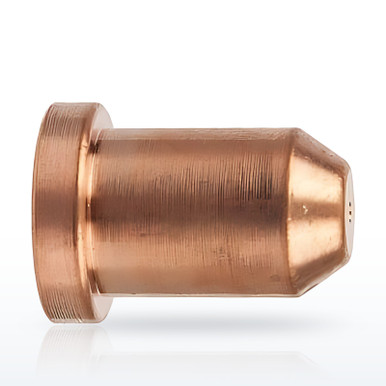
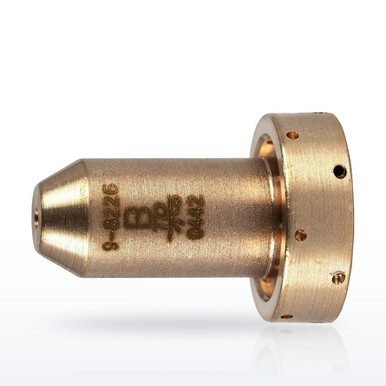
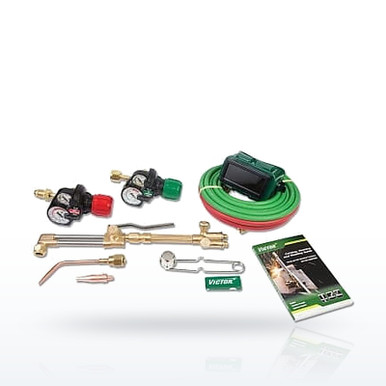
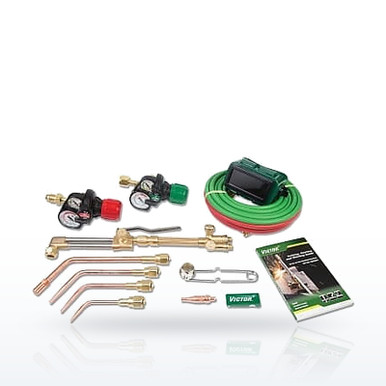
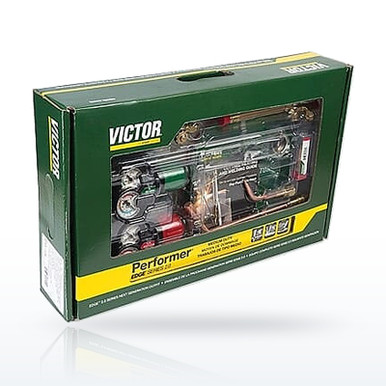
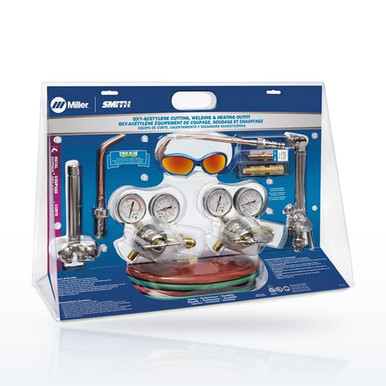
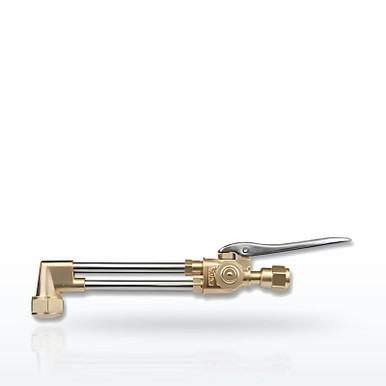
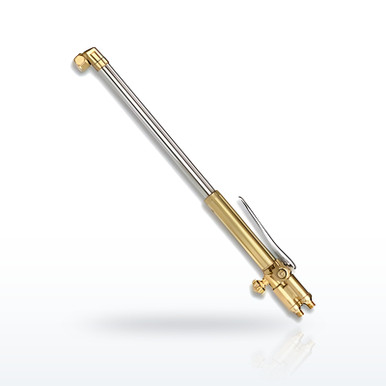
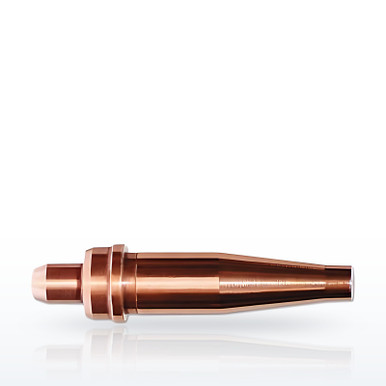
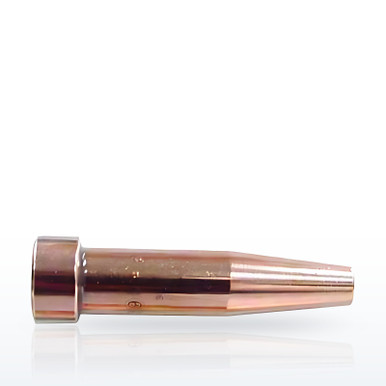
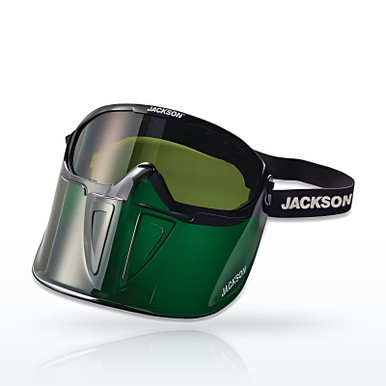
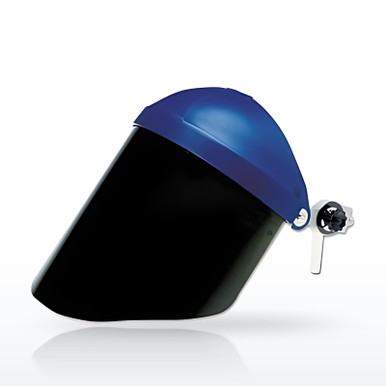
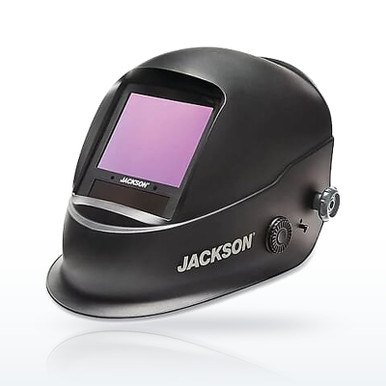
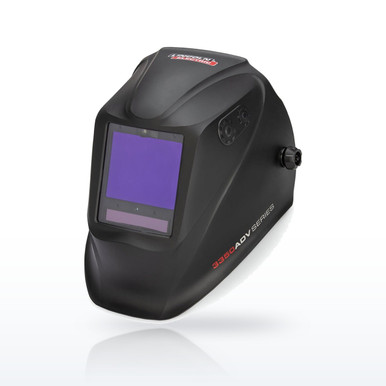
34 items · prices liveAmperage, cutting capacity, tip size and lens shade are as published by the manufacturer on each product page; each item is labeled by the process it serves. Consumables fit the torches the maker lists; check the torch model before ordering. Free shipping on orders over $199.
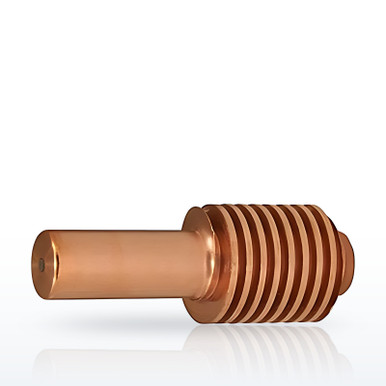
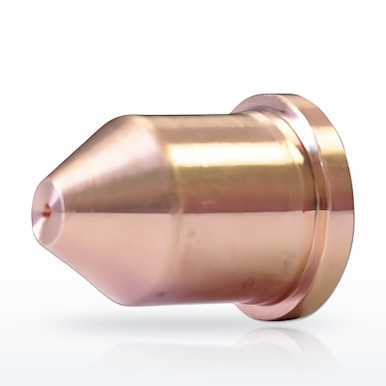
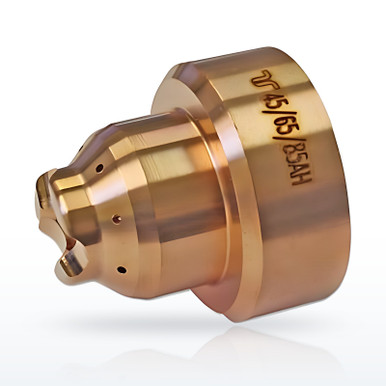

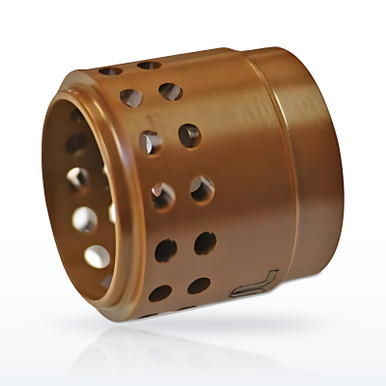
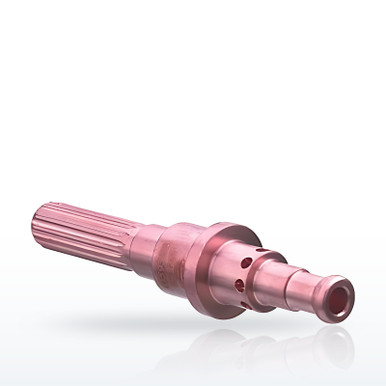
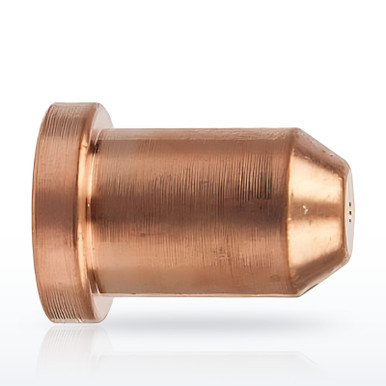
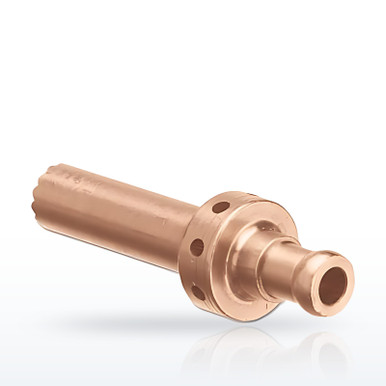








Regulators, hoses, flashback arrestors and welding gloves are in the catalog; call for a torch or plasma system quote.
Questions people ask
Can a plasma cutter cut aluminum or stainless?
Yes. Plasma cuts any metal that conducts electricity. An oxy-fuel torch cannot cut aluminum, stainless or copper because they do not oxidize the way carbon steel does.
Can an oxy-fuel torch cut stainless steel?
Not as a plain oxygen cut. The welding standard mentions oxygen cutting of stainless with a chemical flux or iron powder, which is a specialized process that requires mechanical ventilation; a plasma cutter is the usual tool. (1910.252(c)(12).)
What shade do I need for plasma cutting?
OSHA’s minimum is shade 8 under 300 amps, 9 from 300 to 400 and 10 from 400 to 800, in a helmet or hand shield, since plasma is arc cutting. (1910.133(a)(5); 1910.252(b)(2)(i)(A).)
What shade for an oxy-acetylene cutting torch?
Shade 3 under 1 inch of plate, 4 from 1 to 6 inches, 5 over 6 inches, in goggles or other suitable eye protection. (1910.133(a)(5); 1910.252(b)(2)(i)(B).)
How thick can a plasma cutter cut?
Hand-held systems are rated by their makers at roughly 3/4 inch to 1-1/4 inch for clean cuts, with larger industrial supplies going thicker. Oxy-fuel hand torches are rated to 2 inches with the standard tip and 6 to 8 inches with heavy tips.
Does a plasma cutter need gas?
It needs a gas for the plasma jet. Most hand units run on compressed air from a shop compressor; some use nitrogen, argon mixes or oxygen for specific metals. It does not use a fuel gas.
Which is safer?
They have different hazards. Plasma is an electric arc with arc radiation and shock; oxy-fuel is an open flame with pressurized oxygen and fuel-gas cylinders. OSHA’s fire, fire watch, ventilation and clothing rules apply to both. (1910.252(a) through (c); 1910.253; 1910.254.)
How far apart do oxygen and acetylene cylinders have to be stored?
20 feet, or separated by a noncombustible barrier at least 5 feet high with a half-hour fire rating. (1910.253(b)(4)(iii).)
Standards and ratings on this page are as published in the documents named and by the manufacturers named. The employer’s hazard assessment and written program decide what applies at a given workplace. Verify a rating on the product and its spec sheet before use.