
What shade lens for MIG, TIG, stick and plasma cutting? The OSHA welding lens shade chart
OSHA publishes two shade tables. The one in 1910.133 runs by process and arc current and gives minimum shades: stick 8 at 60 to 160 amps, 10 at 160 to 250, 11 above 250; MIG and flux-cored 10 from 60 amps up; TIG 8 below 150 amps and 10 from 150 to 500; plasma arc cutting 8 below 300 amps, 9 at 300 to 400, 10 at 400 to 800; oxy-fuel cutting 3, 4 or 5 by plate thickness; torch brazing 3; soldering 2. The one in 1910.252 runs by operation and electrode size: stick 10, 12 or 14, gas-shielded arc 11 or 12, cutting 3 to 6. Darker than the minimum is allowed. The number on a filter is its shade; W followed by a number on a Z87.1 lens means it is a welding filter of that shade.
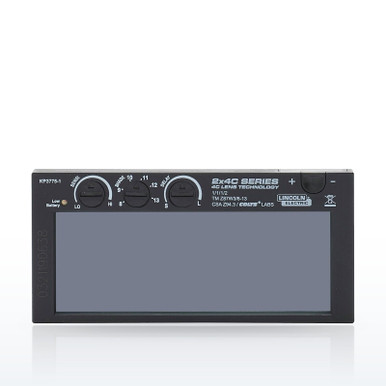 Lincoln Electric Viking 2x4C auto-darkening lensVariable shade 8 to 13, shade 3 light state, as published by Lincoln
Why does the shade depend on amperage and not just the process? The arc is a light source, and a bigger arc is a brighter one. Amperage sets the size of the arc, so a 90-amp TIG torch on sheet metal needs far less filter than a 300-amp stick rod on plate. Shade numbers are a logarithmic scale: each step up lets through roughly a third of the light of the step below it, so shade 10 passes a small fraction of what shade 8 does. Too light and the welder gets arc eye and a retina dose of ultraviolet and infrared; too dark and the welder cannot see the puddle and lifts the hood. The OSHA footnote says it plainly: start too dark, then go lighter until the weld zone is visible, and never below the minimum.
What shade for each process?
Minimum shades from the OSHA eye protection table, by arc current. Darker is allowed.
Welding lens shade chart: the OSHA table by arc current
| Operation | Arc current (amps) | Minimum shade |
|---|---|---|
| Shielded metal arc welding (stick) | Less than 60 | 7 |
| 60 to 160 | 8 | |
| 160 to 250 | 10 | |
| 250 to 550 | 11 | |
| Gas metal arc and flux cored arc welding (MIG, FCAW) | Less than 60 | 7 |
| 60 to 500 | 10 | |
| Gas tungsten arc welding (TIG) | Less than 150 | 8 |
| 150 to 500 | 10 | |
| Air carbon arc cutting | Less than 500 (light) | 10 |
| 500 to 1,000 (heavy) | 11 | |
| Plasma arc welding | Less than 20 | 6 |
| 20 to 100 | 8 | |
| 100 to 400 | 10 | |
| 400 to 800 | 11 | |
| Plasma arc cutting | Less than 300 (light) | 8 |
| 300 to 400 (medium) | 9 | |
| 400 to 800 (heavy) | 10 | |
| Torch brazing | 3 | |
| Torch soldering | 2 | |
| Carbon arc welding | 14 | |
| Gas welding, light (under 1/8 in plate) | 4 | |
| Gas welding, medium (1/8 to 1/2 in) | 5 | |
| Gas welding, heavy (over 1/2 in) | 6 | |
| Oxygen cutting, light (under 1 in plate) | 3 | |
| Oxygen cutting, medium (1 to 6 in) | 4 | |
| Oxygen cutting, heavy (over 6 in) | 5 |
OSHA’s footnotes: as a rule of thumb, start with a shade that is too dark to see the weld zone, then go to a lighter shade that gives a sufficient view without going below the minimum. The plasma arc cutting values apply where the actual arc is clearly seen; lighter filters may be used when the arc is hidden by the workpiece. In oxy-fuel welding or cutting where the torch produces a high yellow light, a filter that absorbs the yellow or sodium line is desirable. The 1910.252 and 1926.102 tables list the same operations by electrode size and give ranges rather than minimums, and may be varied to suit the individual.
29 CFR 1910.133(a)(5), both tables and footnotes, as published on osha.gov; 29 CFR 1910.252(b)(2)(ii)(H); 29 CFR 1926.102(c)(1) Table E-1.
What does the W rating mean on a welding filter?
Welding filters sold in the United States are marked under ANSI/ISEA Z87.1, which OSHA accepts as the eye protection criteria in 1910.133(b)(1). On a Z87.1-marked lens, the letter W followed by a number is the welding filter shade: W10 is a shade 10 welding filter. The other letters on the same lens are different scales: U and a number for ultraviolet filtering, R and a number for infrared, L and a number for visible light filters, V for a variable-tint (auto-darkening) filter and S for a special-purpose tint. Z87 marks basic impact and Z87+ high-velocity impact. The welding standard itself requires only that every lens carry a permanent mark identifying its source and shade, and that filters meet the transmittance test of a listed Z87.1 edition.
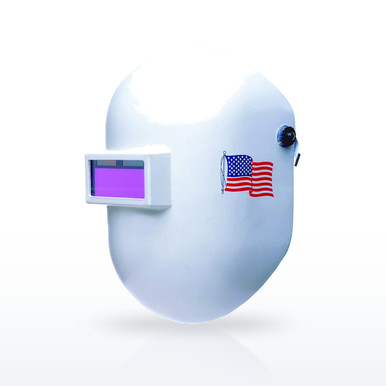
29 CFR 1910.252(b)(2)(ii)(G) and (I); 1910.133(b)(1) consensus standards; ANSI/ISEA Z87.1 marking scheme as published by eye protection manufacturers (W + shade for welding filters, U, R, L scales, V and S designations, Z87+ impact).On an auto-darkening filter you will see two numbers: the light state (usually 3 or 4, sometimes 2.5) and the dark range (for example 9 to 13). The dark range is the shade the filter reaches when the arc strikes; set it to the OSHA minimum for the process and amperage, or darker if the welder prefers. The light state is for setup and grinding, not for looking at an arc. Some filters add a grind mode that locks the light state; the arc must not be struck in grind mode.
Manufacturer product data for the auto-darkening filters listed below (Lincoln, Miller, Jackson, 3M); 1910.133(a)(5) minimums apply to the dark state.Which table applies, 1910.252 or 1910.133?
Both are in force and both are OSHA. The 1910.252 table is older and goes by operation and electrode size; the 1910.133 table, added with the 1994 PPE standards, goes by arc current and includes plasma and air carbon arc, which 1910.252 does not list. Where they differ, for example MIG at 10 by current versus 11 or 12 by operation, the employer’s hazard assessment picks the one that fits the work, and picking the darker of the two is never wrong provided the welder can see the puddle. Construction follows 1926.102 Table E-1, which matches the 1910.252 operation table.
29 CFR 1910.252(b)(2)(ii)(H); 1910.133(a)(5); 1926.102(c)(1) Table E-1; 1910.132(d)(1) hazard assessment.How do passive lenses, cover plates and goggles fit in?
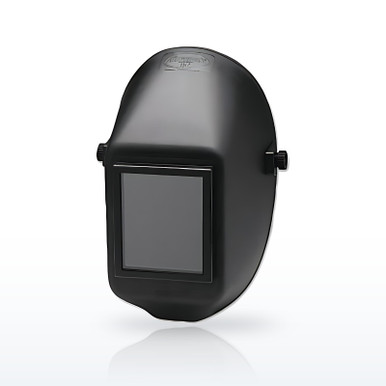
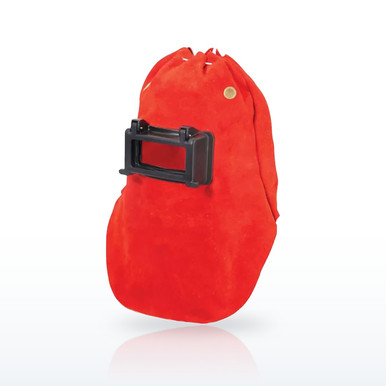
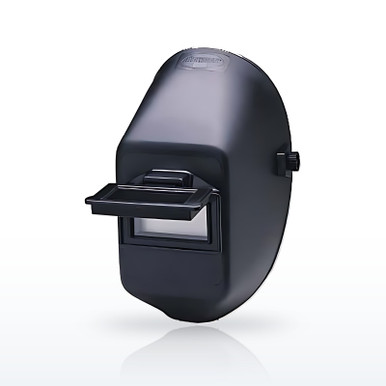
- A passive (fixed) filter plate is one shade, usually 10 for stick and MIG; the welder flips the hood down after striking position. Glass filter plates are sold by shade from 5 to 14 and go in a 2 by 4-1/4 inch or 4-1/2 by 5-1/4 inch holder.
- Cover plates are clear polycarbonate on both sides of the filter. They take the spatter so the filter does not; they carry no shade and are replaced when pitted.
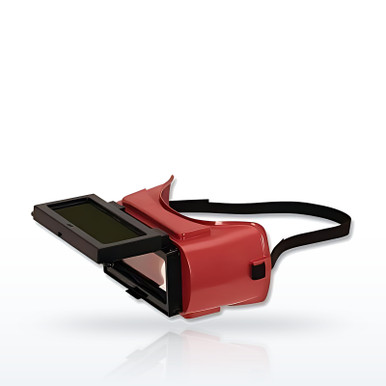
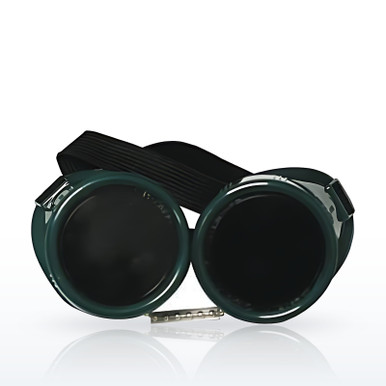
- Cutting goggles and shade 5 face shield windows are for oxy-fuel cutting, gas welding and brazing, where the table calls for shade 3 to 6. A shade 5 goggle is not a substitute for a helmet during arc work; 1910.252 requires a helmet or hand shield for all arc welding and arc cutting except submerged arc.
- Helpers, fire watches and people walking past need protection too: filter goggles for anyone not screened from an arc on a construction site, and screens or goggles for adjacent workers in general industry.
Welding lenses and helmets by shade
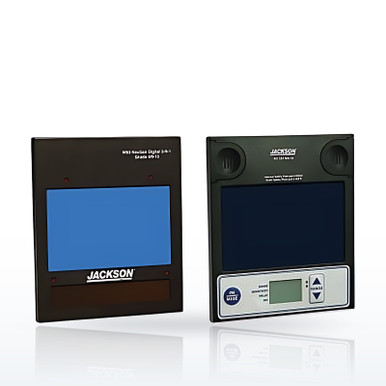
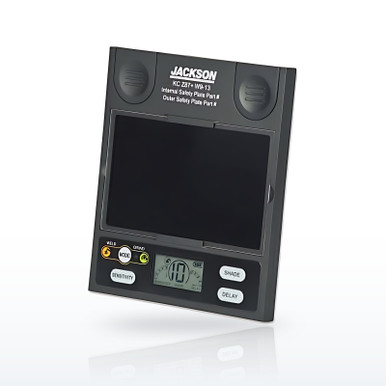
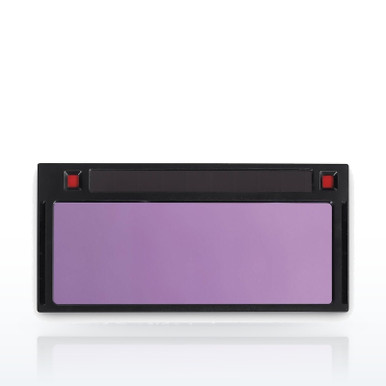
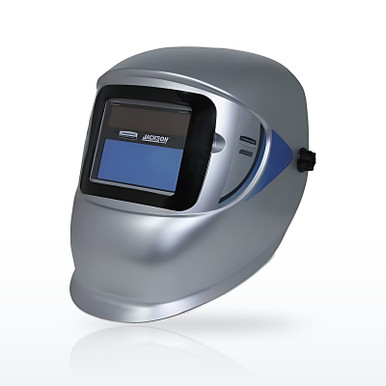
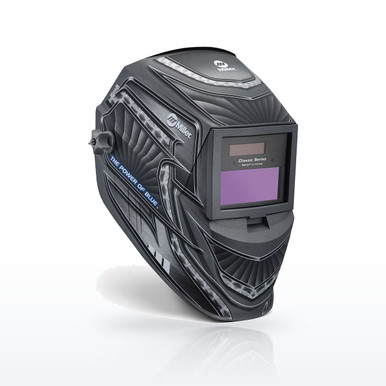
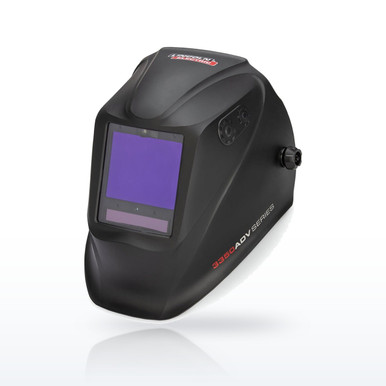
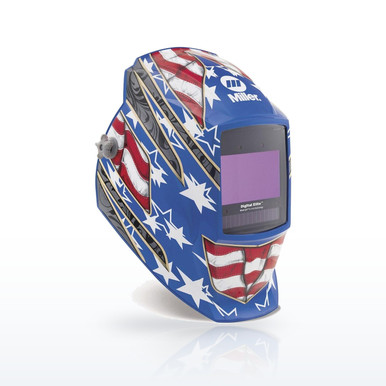
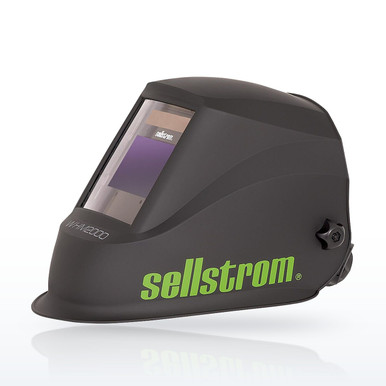
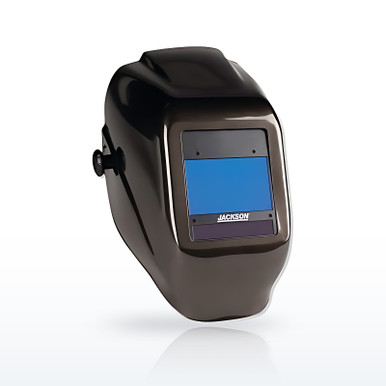
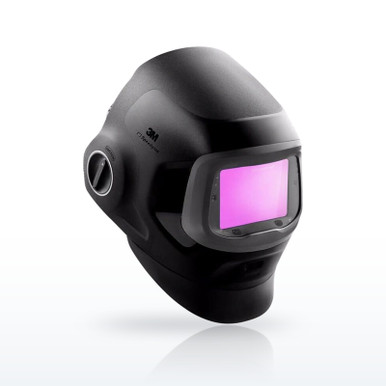
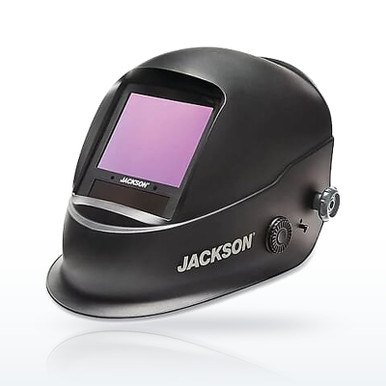
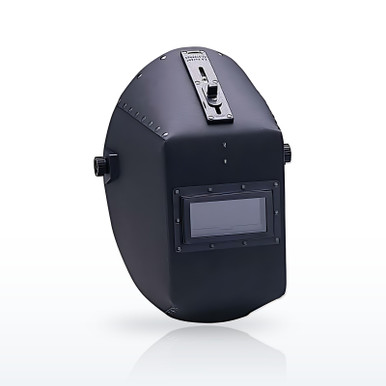
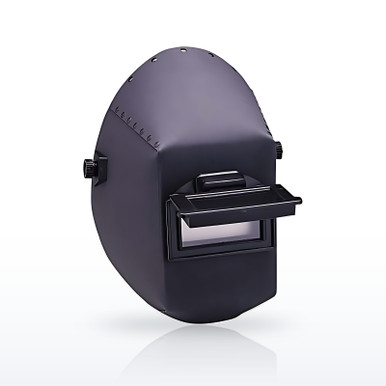
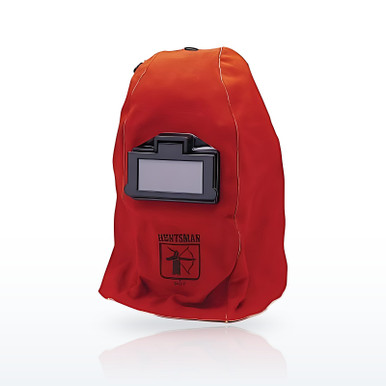
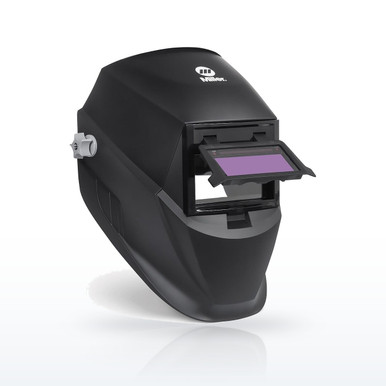
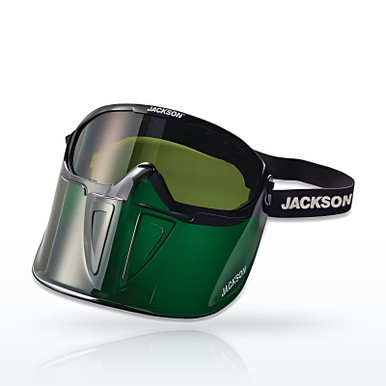
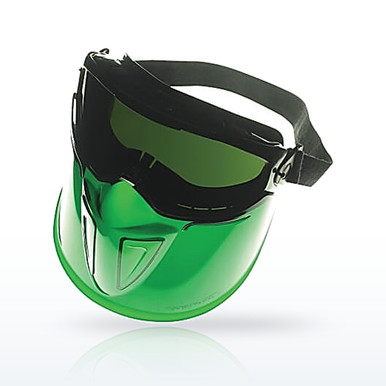
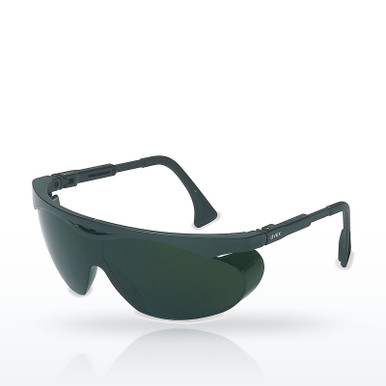
37 items · prices liveShade and shade range are as published by the manufacturer on each product page; each item’s own figure is shown. Passive plates are one fixed shade; auto-darkening filters show their dark range. Cutting goggles are listed with their shade as labeled. Free shipping on orders over $199.
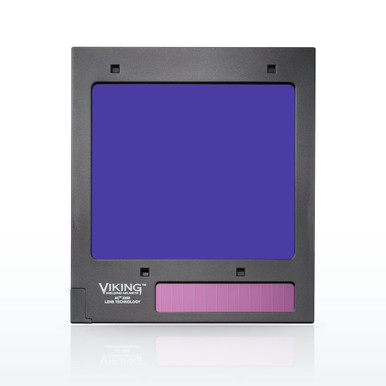

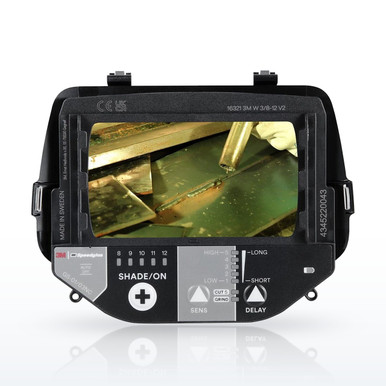
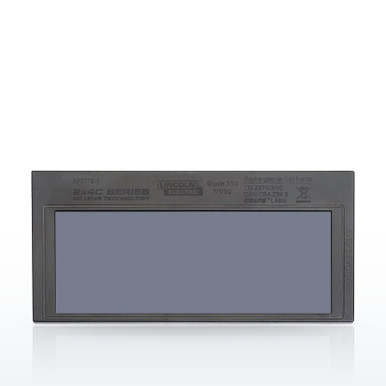




Cover plates, magnifier plates and helmet parts are in the welding finder.
Questions people ask
What shade for MIG welding?
OSHA’s minimum by arc current is shade 10 from 60 to 500 amps (7 below 60). The operation table gives 11 for nonferrous and 12 for ferrous gas-shielded arc welding. Most MIG welders run 10 to 12.
What shade for TIG welding?
Minimum 8 below 150 amps and 10 from 150 to 500 amps by the 1910.133 table; 11 nonferrous or 12 ferrous by the 1910.252 table.
What shade for stick welding?
Minimum 8 at 60 to 160 amps, 10 at 160 to 250, 11 at 250 to 550. By electrode size: 10 up to 5/32 inch, 12 for 3/16 to 1/4, 14 for 5/16 and 3/8.
What shade for plasma cutting?
Minimum 8 below 300 amps, 9 at 300 to 400, 10 at 400 to 800, where the arc is clearly seen. Hand plasma cutters are nearly all under 300 amps, so shade 8 is the minimum and many welders use 9 to 11. A shade 5 cutting goggle is for oxy-fuel, not plasma.
What shade for oxy-acetylene cutting?
Shade 3 under 1 inch of plate, 4 from 1 to 6 inches, 5 over 6 inches. Gas welding is 4, 5 or 6 by thickness. A shade 5 goggle covers most hand cutting.
What does W10 mean on a lens?
Under ANSI/ISEA Z87.1 marking, W followed by a number is a welding filter of that shade; W10 is shade 10. U, R and L numbers on the same lens are the ultraviolet, infrared and visible-light scales.
Is a darker shade safer?
Darker than the minimum is allowed by both OSHA tables. The limit is practical: if the welder cannot see the puddle, the hood comes up, which is worse than a lighter filter at the minimum.
Can I use shade 10 for everything?
Shade 10 meets the 1910.133 minimum for stick to 250 amps, MIG and TIG to 500 amps, and plasma cutting to 800 amps. It is below the 1910.252 operation table for ferrous gas-shielded arc (12) and for heavy stick rods (12 and 14). An auto-darkening filter that reaches 13 covers both tables.
Standards and ratings on this page are as published in the documents named and by the manufacturers named. The employer’s hazard assessment and written program decide what applies at a given workplace. Verify a rating on the product and its spec sheet before use.