
Which respirator for mold remediation? What NIOSH and OSHA recommend
It depends on how much mold there is. For a patch under 10 square feet, OSHA and EPA guidance both name an NIOSH-approved N95 as the minimum, with gloves and goggles. Between 10 and 100 square feet, the EPA guide moves to a half or full facepiece air-purifying respirator with HEPA-grade filters, which in NIOSH terms means an N100, R100 or P100 filter. Over 100 contiguous square feet, OSHA’s bulletin calls for a full facepiece with HEPA cartridges and EPA names a full-face PAPR, plus full-body disposable clothing. Mold has no OSHA exposure limit, so these are guidance levels, but once an employer requires a respirator, every part of 1910.134 applies: medical evaluation, fit test, training and a written program.
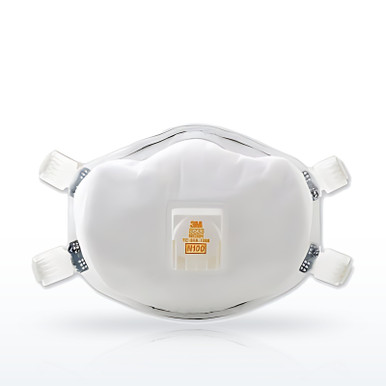
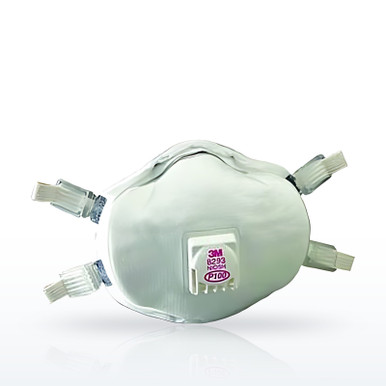 3M 8293 P100 disposable respiratorNIOSH P100 filtering facepiece, the HEPA-grade disposable
Why does the respirator change with the size of the job? Mold spores and fragments become airborne when the material is disturbed: scraping drywall, pulling carpet, running a wire brush. A small patch wiped with detergent puts little in the air. A room of contaminated drywall and a demolition crew puts a great deal in the air for hours, and the people doing it breathe it all shift. OSHA has no permissible exposure limit for mold, so there is no number to measure against. OSHA and EPA guidance instead scale the protection with the area disturbed and the likely exposure, from a disposable N95 up to a powered respirator and full containment.
Which respirator for which size of job?
The OSHA bulletin uses four levels by square feet; the EPA guide uses three. Both start at an N95 and end at a full facepiece or PAPR.
What does HEPA mean on a respirator filter?
The mold guidance says HEPA. NIOSH does not certify a filter called HEPA for respirators; it certifies N, R and P series filters at 95, 99 and 99.97 percent. OSHA’s respirator standard defines a HEPA filter as one at least 99.97 percent efficient on 0.3 micron particles and says the equivalent NIOSH filters are the N100, R100 and P100. So when the guidance says a half facepiece with HEPA cartridges, the filter to buy is a P100 (or N100 or R100) for that facepiece. A PAPR uses an HE filter, which is the powered-respirator equivalent.
1910.134(b), definition of high efficiency particulate air (HEPA) filter; 42 CFR 84.170(a)(3): N100, R100 and P100 at 99.97 percent, N95, R95 and P95 at 95 percent.N, R and P tell you about oil. N filters are for workplaces free of oil aerosols; R and P filters handle oil-based particles. Mold work with water and detergent is oil-free, so an N95 or N100 is fine. If the job also involves oil mist, for example a space with running machinery, a P-series filter is the one that covers both.
42 CFR 84.170(a)(2).Is an N95 enough for a bigger job?
The guidance says no once the area passes 100 square feet, and EPA moves away from the N95 at 10 square feet when exposure is expected to be significant. The reason is protection factor. OSHA assigns a half mask, including an N95, a protection factor of 10; a full facepiece gets 50; a PAPR with a hood or helmet gets 25, or 1,000 where the manufacturer has test data. A full facepiece also seals the eyes, which the guidance separately requires to be protected with goggles that have no open vents. For a demolition-scale job, the PAPR adds a blower so the wearer is not pulling air through the filter all day, and a loose-fitting PAPR hood does not need a fit test or a clean-shaven face.
1910.134(d)(3)(i)(A), Table 1 assigned protection factors; OSHA SHIB 03-10-10 on eye protection (goggles with open vent holes are not appropriate); 1910.134(f) fit testing applies to tight-fitting facepieces.What does OSHA require once a respirator is worn for mold?
- A written respiratory protection program with worksite-specific procedures, run by a trained program administrator, whenever the employer requires the respirator.
- A medical evaluation before the employee is fit tested or first wears the respirator.
- A fit test before first use, on every tight-fitting facepiece (that includes the N95), and at least every 12 months after.
- Training before first use and every year: why the respirator is needed, its limits, how to put it on, seal check it, clean it and store it.
- A user seal check every time the respirator is put on. No facial hair in the seal area of a tight-fitting facepiece.
- If the employer allows an N95 but does not require it (a small cleanup where exposure is not expected to be a hazard), that is voluntary use: the employee gets the Appendix D information sheet and no program is required for filtering facepieces alone.
What else does the mold guidance call for besides the respirator?
Gloves long enough to reach mid-forearm, in a material suited to the cleaner being used; household rubber gloves are acceptable with mild detergent or plain water. Goggles that fit, with no open vents, or a full facepiece. Disposable PPE bagged and discarded after use so contamination is not carried into clean areas. The HVAC system off if it is known or suspected to be contaminated, and ducts and grills sealed at Level III and above. At Level IV, plastic sheeting sealed with tape, a HEPA-filtered exhaust fan for negative pressure, airlocks and a decontamination room.
OSHA SHIB 03-10-10: gloves, eye protection, disposable clothing, containment by level, HVAC guidance.Respirators and filters for mold work, by NIOSH class
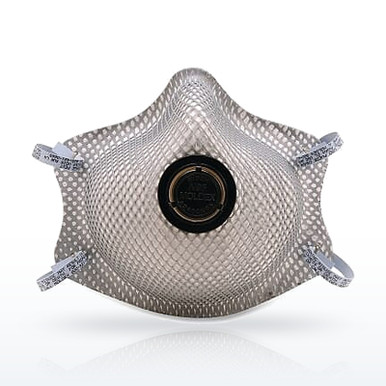
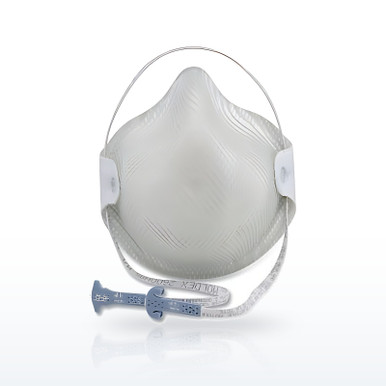
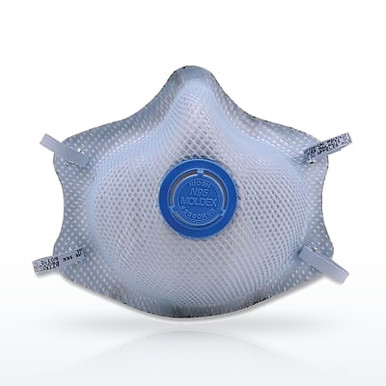
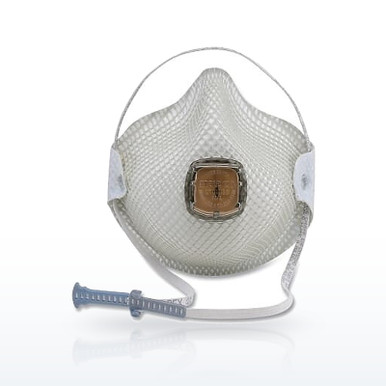
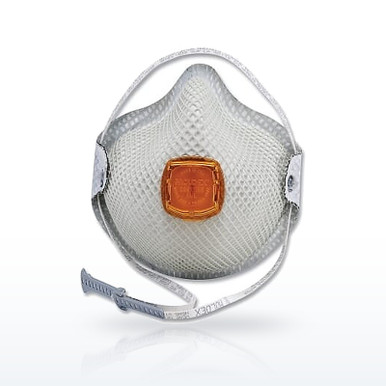
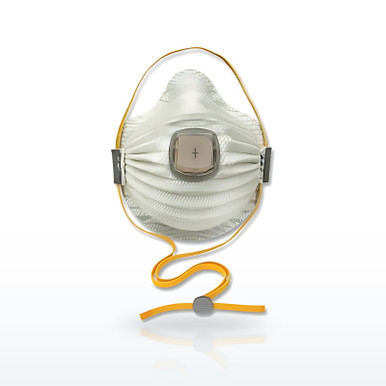
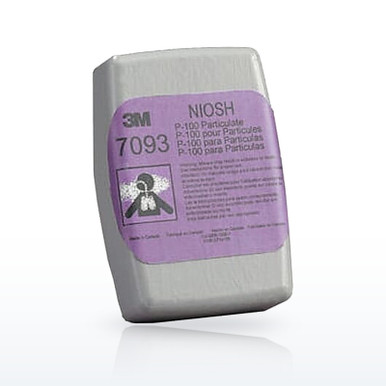
36 items · prices liveFilter class is the NIOSH 42 CFR 84 approval printed by the manufacturer on each product. Pack and case sizes are on the product page. Contractor Direct orders ship free.
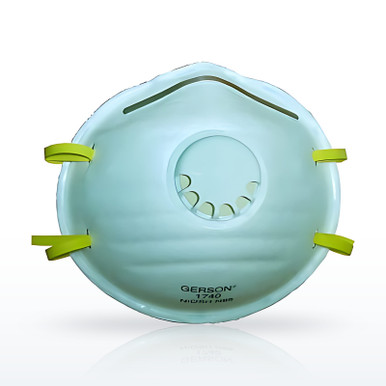
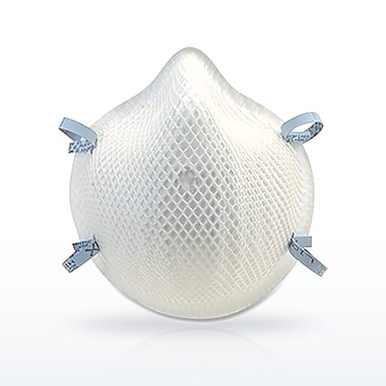
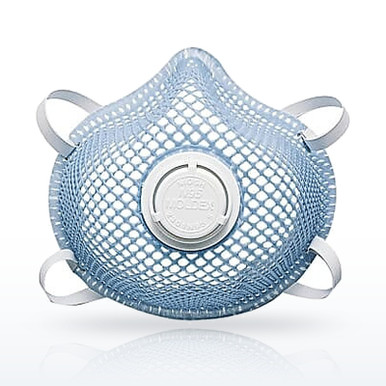





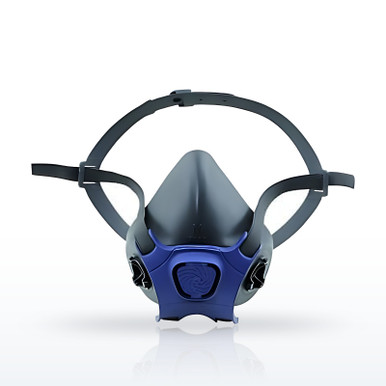

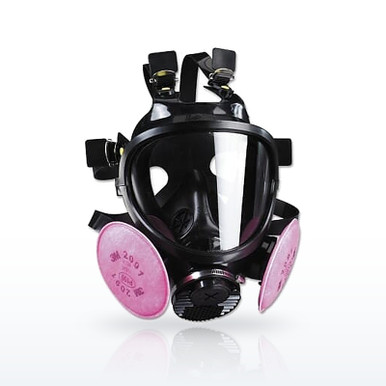
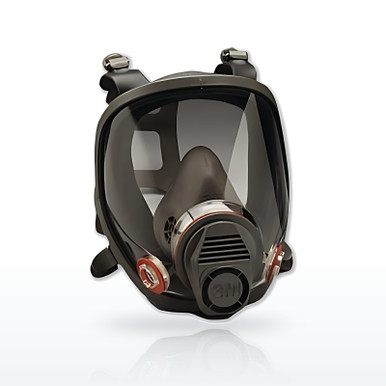
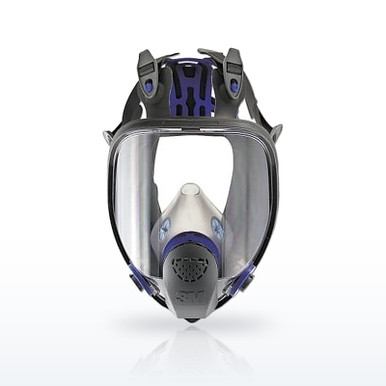
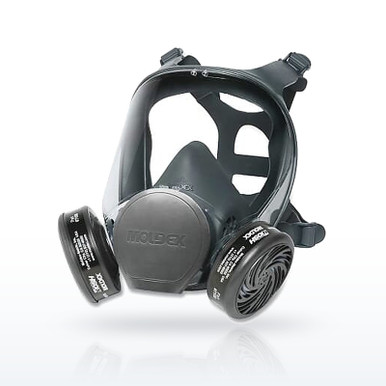
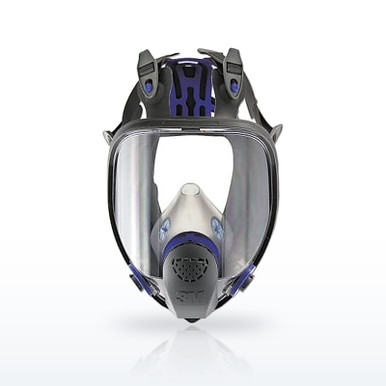
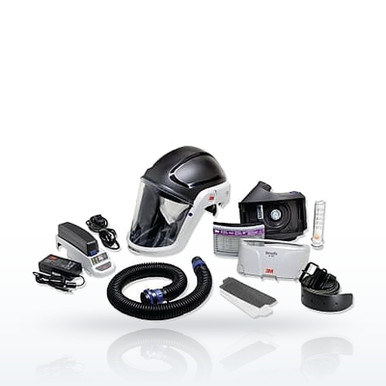
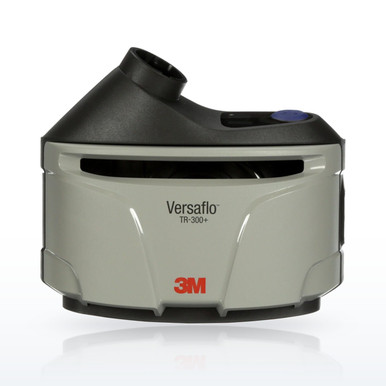
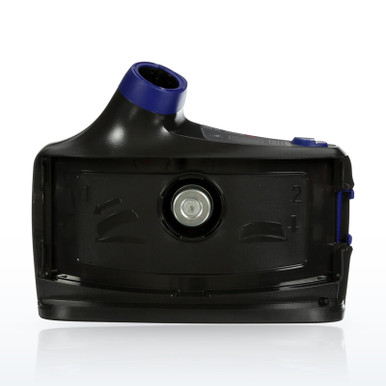
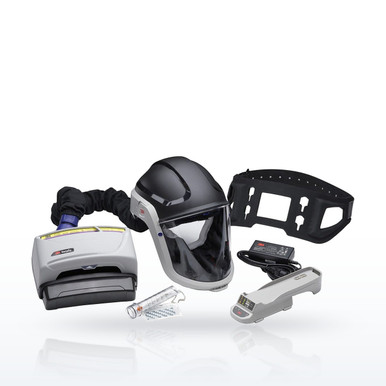
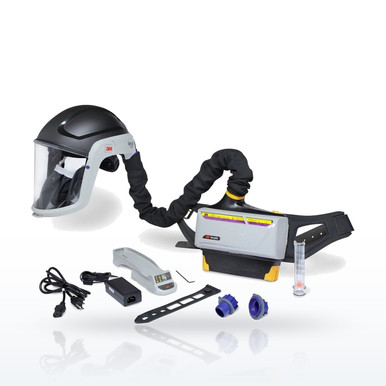
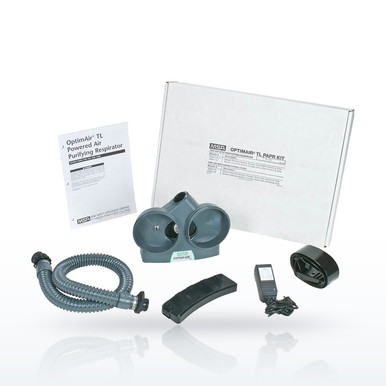
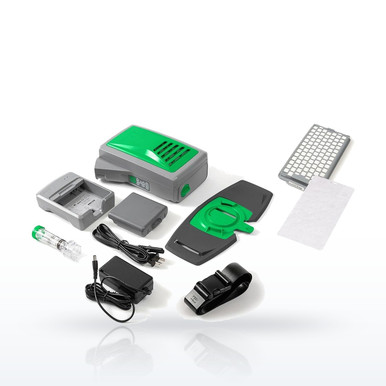
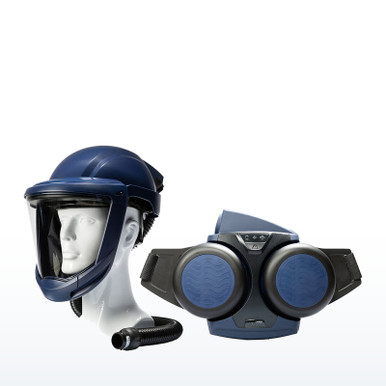
Goggles, coveralls and gloves for mold work are in their own finders; call (925) 215-7337 for a kit by job size.
Questions people ask
Is an N95 enough for mold?
For small jobs. OSHA’s mold bulletin names the N95 up to 100 square feet of growth, and EPA’s guide names it under 10 square feet. Above that the guidance moves to a half or full facepiece with P100 (HEPA-grade) filters, then a full facepiece or PAPR over 100 square feet.
Does OSHA have a standard for mold?
No specific standard and no exposure limit. The mold bulletin is guidance, not a regulation. The respirator standard, 1910.134, and the general duty clause do apply, and the respirator rules apply in full once a respirator is required.
What is a HEPA respirator filter?
In NIOSH terms, an N100, R100 or P100 filter: 99.97 percent efficient on 0.3 micron particles. OSHA’s standard names those three as the HEPA equivalents. On a PAPR it is the HE filter.
Do I need a fit test to wear an N95 for mold cleanup?
If your employer requires the N95, yes: the N95 is a tight-fitting facepiece and 1910.134(f) requires a fit test before first use and annually. If the N95 is your own choice on a job where it is not required, it is voluntary use and you get the Appendix D information sheet instead.
Can I wear a half mask with P100 filters instead of a full facepiece?
Between 10 and 100 square feet, EPA lists the half facepiece with HEPA filters as Limited PPE. Over 100 square feet both OSHA and EPA name a full facepiece or PAPR. A half mask also leaves the eyes uncovered, so goggles without vents are needed with it.
Does a PAPR need a fit test?
A loose-fitting PAPR hood or helmet does not, and can be worn with a beard. A tight-fitting PAPR facepiece does, tested in negative-pressure mode under 1910.134(f)(8).
What eye protection is used for mold?
Properly fitted goggles with no open vent holes, or a full facepiece respirator. Safety glasses and vented goggles are not appropriate, per the OSHA bulletin.
Standards and ratings on this page are as published in the documents named and by the manufacturers named. The employer’s hazard assessment and written program decide what applies at a given workplace. Verify a rating on the product and its spec sheet before use.