
Respirator medical evaluation: what 1910.134(e) requires and who does it
Before anyone is fit tested or required to wear a respirator, the employer must have a physician or other licensed health care professional confirm the employee can safely use it. Breathing through a respirator adds work to the lungs and heart, and some conditions make that unsafe. The evaluation is usually the Appendix C questionnaire, answered in confidence and sent to the clinician, not to the boss. A yes to certain questions means a follow-up exam. The clinician sends the employer only a short written note: cleared or not, any limits, and whether to re-evaluate. There is no automatic annual repeat; it is redone when symptoms, a clinician, a supervisor or a change in the job call for it. The employer pays.
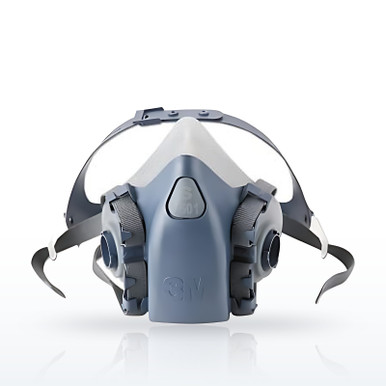
 3M Rugged Comfort half facepieceReusable half mask; the type and weight go on the clinician’s form
Why does OSHA require a medical evaluation? A negative-pressure respirator makes every breath harder; a full facepiece or an SCBA adds weight and heat; a hood adds claustrophobia for some people. For most workers that is tolerable. For a worker with asthma, emphysema, heart disease or uncontrolled blood pressure it can be dangerous, and the worker may not know it. The standard puts a clinician between the employee and the respirator so that the decision is medical, confidential, and made before the first shift in the mask, not after a collapse in one.
What does 1910.134(e) require?
The pieces of the rule, in the order they happen.
What is on the Appendix C questionnaire?
Section 1 is identification: name, age, sex, height, weight, job title, a phone number, the type of respirator (disposable filter mask or other), and whether the employee has worn one before. Section 2, questions 1 through 9, is for everyone: smoking in the last month; seizures, diabetes, allergies that affect breathing, claustrophobia, trouble smelling; lung diseases from asthma to silicosis; current breathing symptoms such as shortness of breath on a slight hill, wheezing or coughing up blood; heart problems and symptoms; medication for breathing, heart, blood pressure or seizures; past problems wearing a respirator; and whether the employee wants to talk to the clinician. Questions 10 through 15 are added for full-facepiece and SCBA users: vision, hearing, back injury and musculoskeletal limits such as climbing a ladder with 25 pounds.
Appendix C, Part A, Section 1 (questions 1 through 12) and Section 2 (questions 1 through 9 for all respirator users; 10 through 15 for full facepiece and SCBA).The employer or supervisor must not look at the answers. The questionnaire tells the employee that directly, and the employer must tell the employee how to get it to the clinician. Part B of the questionnaire is a set of optional questions the clinician may add, including what else will be worn with the respirator and the work conditions.
Appendix C, To the employee; Part B.Which answers require a follow-up exam?
A yes to any of questions 1 through 8 in Section 2: smoking, the listed conditions, lung problems, current breathing symptoms, heart problems, heart symptoms, the listed medications, or past trouble with a respirator. Question 9, wanting to talk to the clinician, and all of Section 1 do not by themselves require an exam. In practice a clinician may clear many yes answers with a phone call or a records review, because the follow-up has to include only what the clinician deems necessary to make a final determination.
1910.134(e)(3)(i) and (ii); Appendix C, note to the employer: answers in Section 1 and to question 9 do not require a medical examination.What happens if the clinician says no to a negative-pressure respirator?
The standard gives the employer a second route. If the clinician finds a condition that makes a negative-pressure respirator risky, and finds that the employee can use a powered air-purifying respirator, the employer must provide a PAPR. A PAPR’s blower removes the breathing resistance that was the problem. If a later evaluation clears the employee for a negative-pressure respirator, the PAPR obligation ends.
1910.134(e)(6)(ii).How often is the medical evaluation repeated?
- There is no fixed interval in the standard; OSHA did not write an annual rule into 1910.134(e).
- It must be repeated when the employee reports signs or symptoms related to the ability to use a respirator.
- When the clinician, a supervisor or the program administrator says the employee needs to be re-evaluated.
- When something in the program, including observations during fit testing or program evaluation, shows a need; difficulty breathing during a fit test is a specific trigger in Appendix A.
- When workplace conditions change in a way that substantially increases the physiological burden: more physical effort, heavier protective clothing, higher temperatures.
- The clinician’s written clearance can set its own follow-up schedule, and many programs choose a periodic re-evaluation on that basis. Substance-specific standards such as lead and chromium VI have their own medical surveillance in addition to this.
Respirators by type, for the clinician’s form
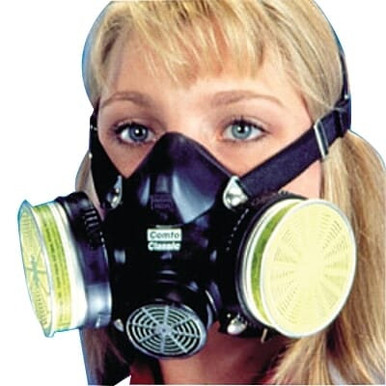
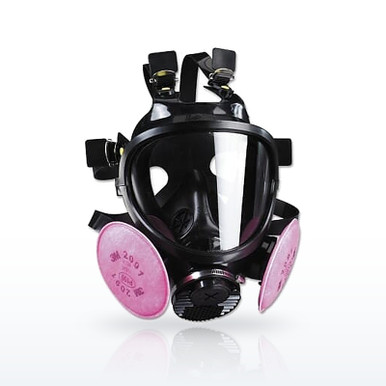
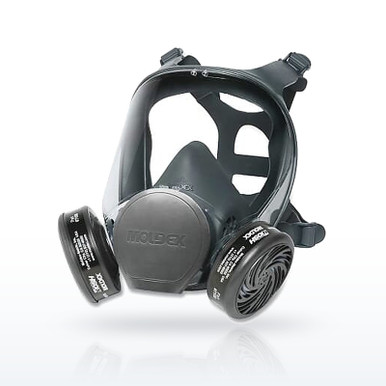
30 items · prices liveThe employer must tell the PLHCP the type and weight of the respirator. Type is as published by the manufacturer; weight is on each product page or spec sheet. Contractor Direct orders ship free.
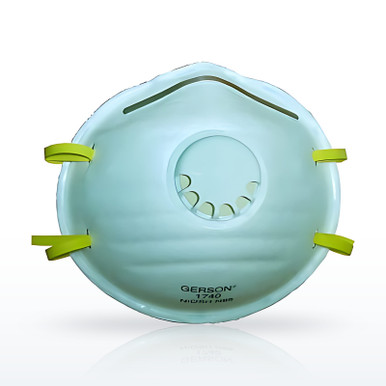
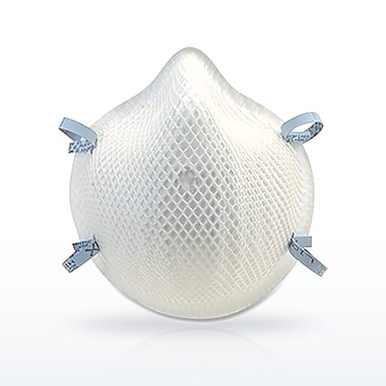
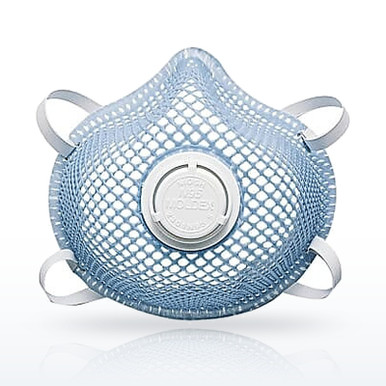
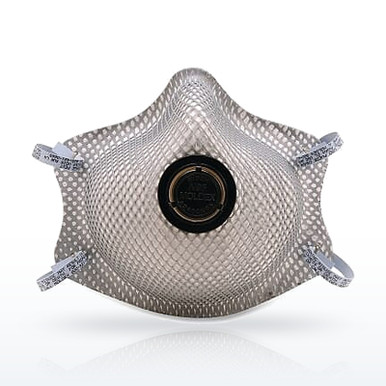
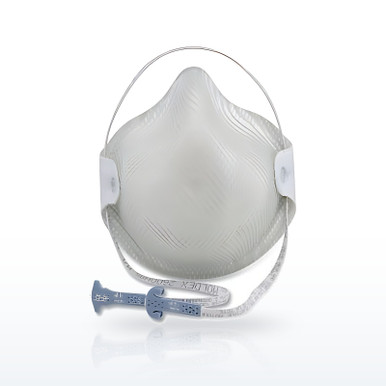
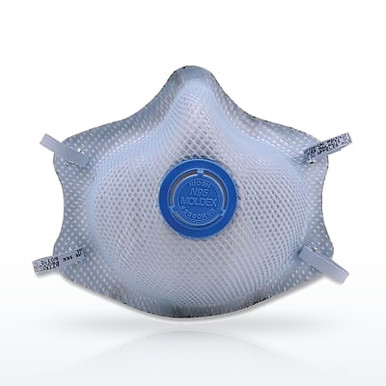
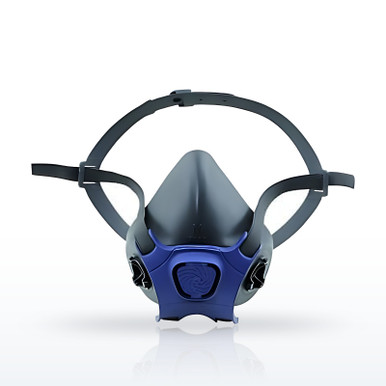


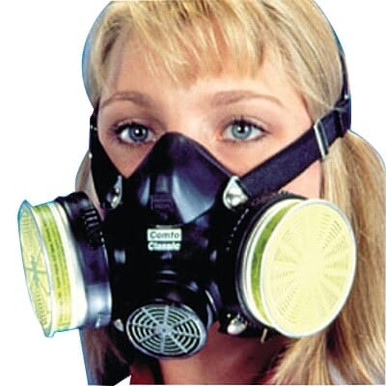



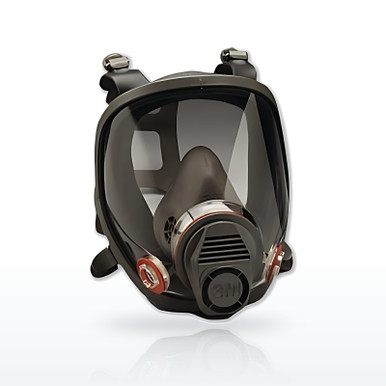
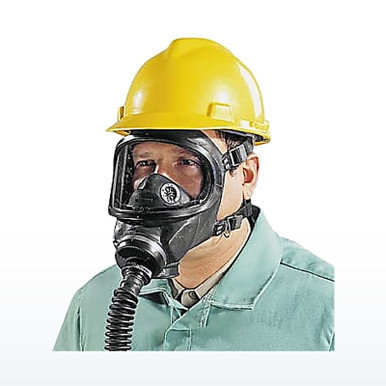
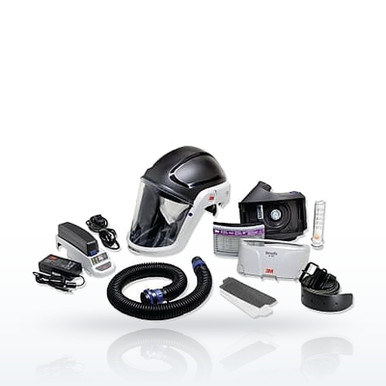
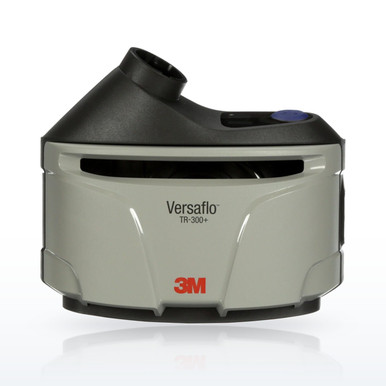
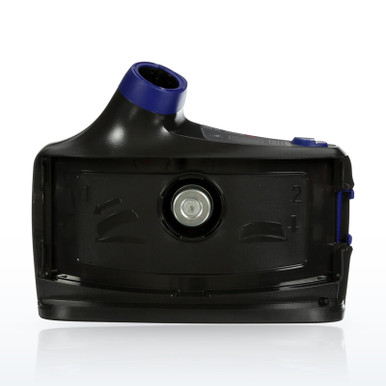
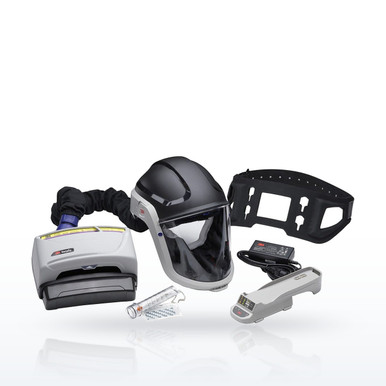
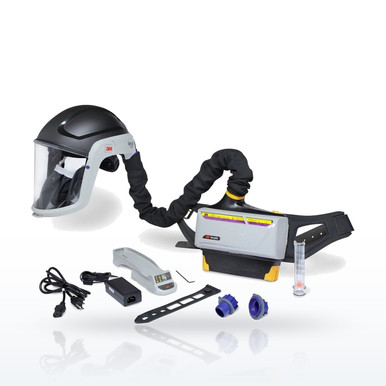
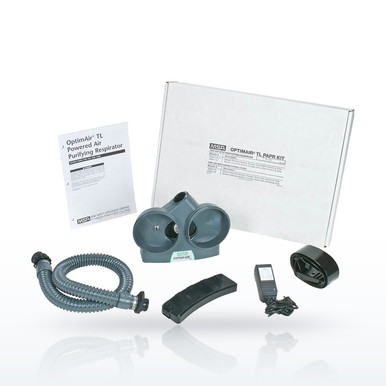
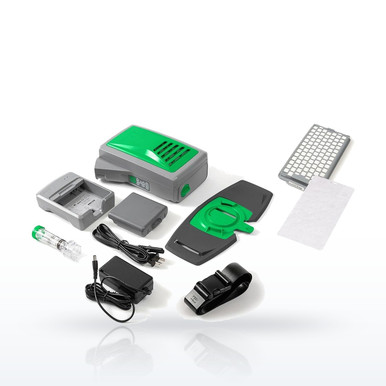
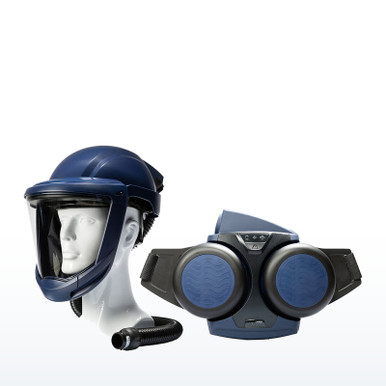
Supplied-air and SCBA units are in the respirator selector.
Questions people ask
Is a medical evaluation required for an N95?
Yes, if the employer requires the N95. It is a respirator under 1910.134 and (e)(1) applies to all required use. For voluntary use of a filtering facepiece alone, no medical evaluation is required; voluntary use of a reusable respirator does require one. (1910.134(c)(2)(ii).)
Who can do a respirator medical evaluation?
A physician or other licensed health care professional (PLHCP) whose scope of practice allows it: a physician, and in most states a nurse practitioner or physician assistant. The standard does not name specialties. (1910.134(b).)
Can it be done online?
The standard requires a questionnaire or an exam that collects the same information, administered confidentially and reviewed by a PLHCP. It does not require an in-person visit for the questionnaire; the follow-up exam, when triggered, includes whatever the clinician deems necessary. (1910.134(e)(2) and (e)(3).)
Does the medical evaluation come before the fit test?
Yes. 1910.134(e)(1) requires it before the employee is fit tested or required to use the respirator.
How often does a respirator medical evaluation have to be repeated?
When symptoms, a clinician, a supervisor or the program administrator, fit-test observations, or a substantial change in the work call for it. The standard sets no fixed interval. (1910.134(e)(7).)
Can my employer see my questionnaire?
No. Appendix C tells the employee the employer or supervisor must not look at or review the answers. The employer receives only the clinician’s written clearance: cleared or not, limits, and follow-up.
What if I fail the medical evaluation?
The clinician may clear you for a PAPR instead, and if so the employer must provide one. (1910.134(e)(6)(ii).)
Who pays for the respirator medical evaluation?
The employer, and it is done during working hours or at a time and place convenient to the employee. (1910.134(c)(4) and (e)(4)(i).)
Standards and ratings on this page are as published in the documents named and by the manufacturers named. The employer’s hazard assessment and written program decide what applies at a given workplace. Verify a rating on the product and its spec sheet before use.