
What is required before an employee can use a respirator?
Before an employee is required to wear a respirator, OSHA requires 5 things to be in place, in this order. A written respiratory protection program with a trained administrator. A hazard evaluation that picks a NIOSH-certified respirator for the exposure. A medical evaluation by a physician or other licensed health care professional, done before the fit test. A fit test on the exact make, model, style and size the employee will wear, if it seals to the face. Training the employee can demonstrate, before the first use. All of it is at no cost to the employee. From then on, every time the respirator goes on, the wearer does a user seal check, and the medical evaluation, fit test and training are repeated on the schedule the standard sets.
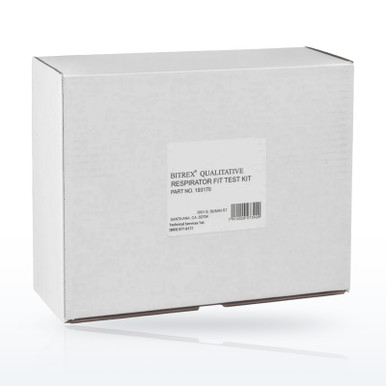 North Bitrex qualitative fit test kitHood, nebulizers, sensitivity and test solutions; the fit test is step 4
Why so many steps for one piece of equipment? A respirator is the only PPE that can hurt the wearer by itself. It loads the heart and lungs, it fails silently when it leaks, and the wrong cartridge gives no protection at all. Each step in the standard closes one of those gaps: the medical evaluation catches the person who should not be breathing through resistance, the fit test catches the leak, the selection rule catches the wrong cartridge, and the training makes sure the wearer knows what the respirator can and cannot do. The order matters, which is why the standard puts the medical evaluation ahead of the fit test and the training ahead of first use.
What has to exist before the first shift in a respirator?
The duties are the employer’s. The employee’s part is to complete the questionnaire, take the fit test and the training, and do the seal check every time.
What is the order of steps?
- Write the program and name the administrator. The program must exist before the rest can be done under it, and it must list which jobs require respirators and which respirators are approved for them.
- Evaluate the hazard and select the respirator. Identify the contaminant and its form (dust, fume, mist, gas, vapor), estimate exposure, compare it to the limit, and pick a NIOSH-certified respirator with an assigned protection factor that covers it. Gas and vapor cartridges need an end-of-service-life indicator or a change schedule written into the program.
- Medical evaluation. The employee completes the Appendix C questionnaire confidentially, during work hours. The PLHCP reviews it, orders a follow-up exam if any of questions 1 through 8 in Section 2 is answered yes, and sends the employer a written recommendation limited to whether the employee can use the respirator, any limits, and whether follow-up is needed. This happens before the fit test.
- Fit test. On the actual respirator, qualitative or quantitative under Appendix A. Pass is recorded with the employee’s name, test type, make, model, style, size, date and result, and the record is kept until the next test. A respirator that fails is not issued to that employee.
- Train. Cover the 7 topics in paragraph (k)(1) in a way the employee understands, and have the employee demonstrate them. Training from another employer within the last 12 months may be accepted if the employee can still demonstrate the knowledge.
- Issue the respirator and begin use. From the first use on: user seal check each time it is put on, inspection before each use, cleaning and storage per the program, and leaving the area at any sign of breakthrough, resistance change or leakage.
How often is each step repeated?
- Medical evaluation: no fixed interval. Repeated when the employee reports symptoms, when the PLHCP, supervisor or administrator asks, when fit testing or program evaluation shows a need, or when workplace conditions change in a way that raises the physical burden.
- Fit test: at least annually, and whenever a different facepiece (size, style, model or make) is used, or the employee’s face changes (scarring, dental work, cosmetic surgery, obvious weight change).
- Training: annually, and sooner when the workplace or respirator changes, when the employee shows gaps, or when any other situation calls for it.
- Program evaluation: as necessary, with consultation of the employees who wear the respirators, to check that the program is working.
- The written program itself: updated as necessary to reflect changes in workplace conditions that affect respirator use.
What if the employee cannot pass a step?
Medical. If the PLHCP finds a condition that makes a negative-pressure respirator a risk, the employer provides a PAPR, if the PLHCP finds the employee can use one. If a later evaluation clears the employee for a negative-pressure respirator, the PAPR is no longer required.
1910.134(e)(6)(ii).Fit. If the first respirator fails, the employee is given other sizes or models until one passes; the standard requires the employer to offer enough models and sizes for that. An employee who passes but later finds the fit unacceptable must be given a reasonable chance to pick a different facepiece and be retested. An employee who cannot seal any tight-fitting facepiece, for example because of a beard, uses a loose-fitting hood or helmet that needs no fit test.
1910.134(d)(1)(iv); (f)(4); (g)(1)(i)(A); (f) introductory text and (f)(1): fit testing applies to tight-fitting facepieces.Training. The employee must be able to demonstrate the knowledge; if not, retraining is required before use. Training is given in a manner the employee understands, which includes language.
1910.134(k)(1), (k)(2) and (k)(5)(ii).What records prove the steps were done?
- A written copy of the current program.
- Medical evaluation records, kept under the medical records rule, 1910.1020, which means for the duration of employment plus 30 years.
- Fit test records: employee, test type, make, model, style, size, date, and pass/fail or fit factor; kept until the next fit test.
- Training: the standard requires the employee to demonstrate knowledge but does not prescribe a training record; a dated roster with the 7 topics is the usual proof.
- All of these must be available to employees and to OSHA on request.
Respirators and fit-test supplies for a new program
27 items · prices liveRespirator type and filter class are as published by the manufacturer. The fit-test kits follow the Appendix A qualitative protocols as published by their manufacturers. Free shipping on orders over $199.
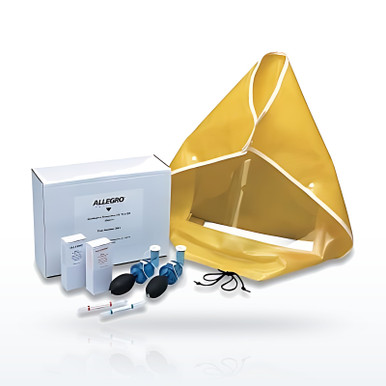
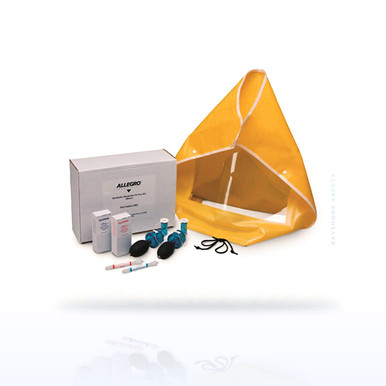
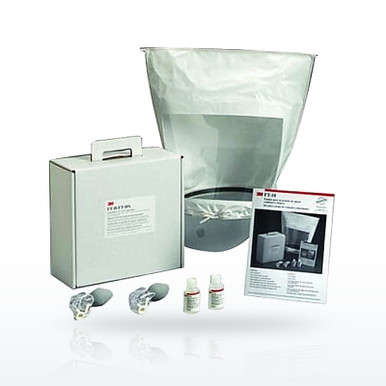
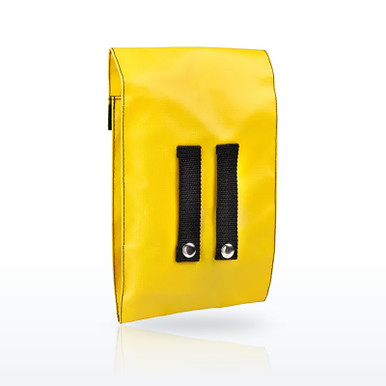
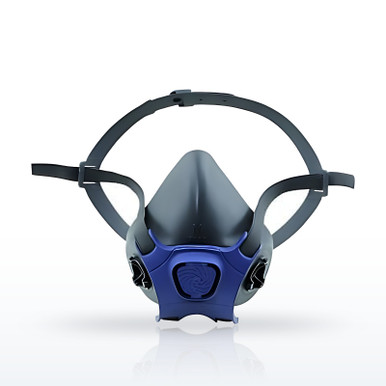


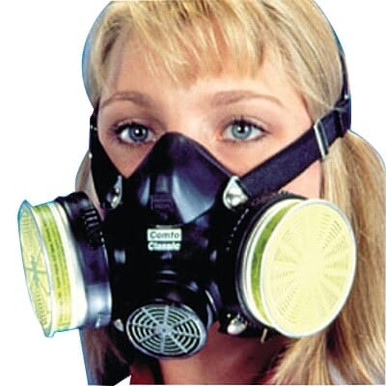
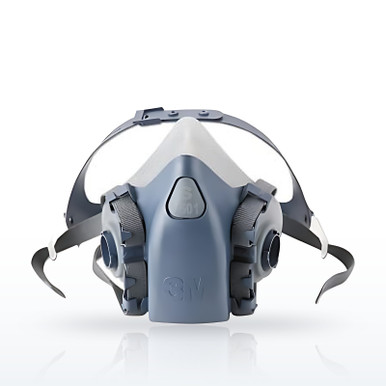

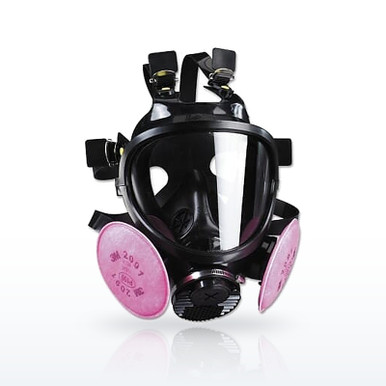
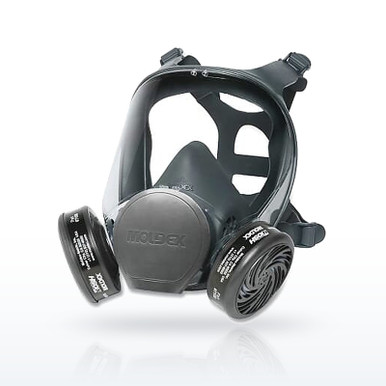


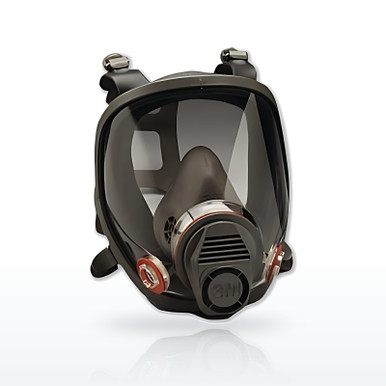
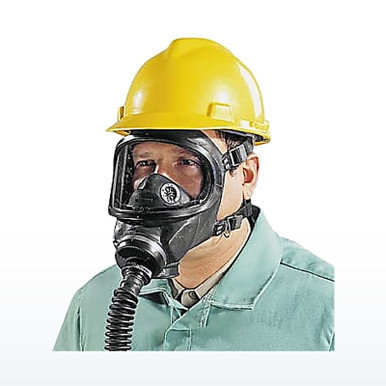
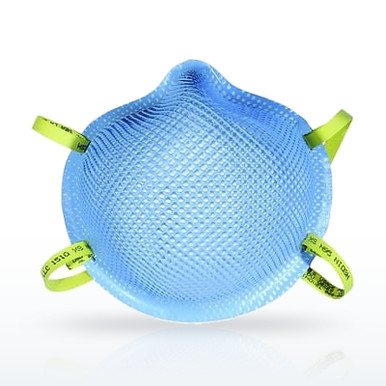
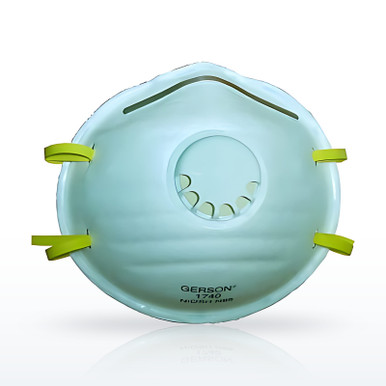
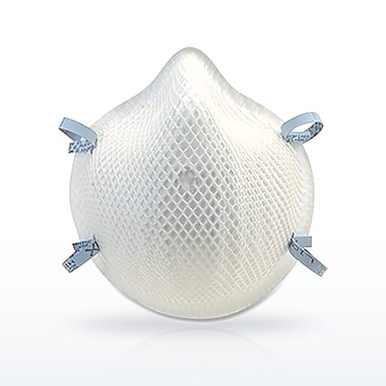
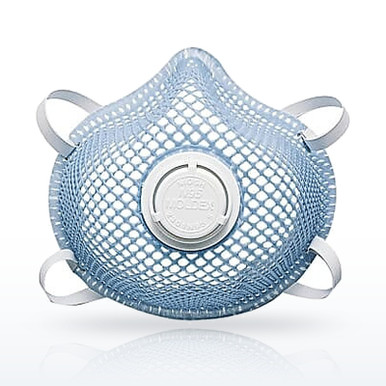
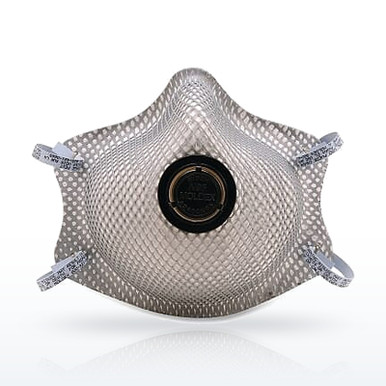
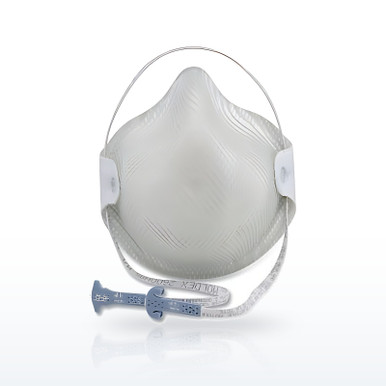
Cartridges, filters, PAPR and supplied-air systems are in the respirator selector.
Questions people ask
What comes first, the medical evaluation or the fit test?
The medical evaluation. The standard requires it before the employee is fit tested or required to use the respirator. (1910.134(e)(1).)
Does every respirator need a fit test?
Every tight-fitting facepiece does: N95s, half masks, full facepieces, and tight-fitting PAPR and airline facepieces. Loose-fitting hoods and helmets do not. (1910.134(f)(1); (f)(8).)
Who can do the medical evaluation?
A physician or other licensed health care professional whose license allows it, using the Appendix C questionnaire or an exam that collects the same information. (1910.134(e)(2).)
Does the employee have to see a doctor in person?
Not necessarily. The questionnaire can be reviewed by the PLHCP without an exam; a follow-up exam is required if any of questions 1 through 8 in Section 2 is answered yes or the PLHCP decides one is needed. (1910.134(e)(3).)
Can training from a previous employer count?
Yes, if it was within the last 12 months, covered the 7 topics, and the employee can still demonstrate the knowledge; the next training is due 12 months from the earlier date. (1910.134(k)(4).)
Who pays?
The employer: respirators, training and medical evaluations at no cost to the employee. (1910.134(c)(4).)
Does voluntary use need all this?
No. Voluntary use needs the Appendix D information sheet, and for reusable respirators, a medical check and a cleaning routine. (1910.134(c)(2).)
How long do the records last?
Fit-test records until the next fit test; medical records under 1910.1020, employment plus 30 years; the written program while it is current. (1910.134(m).)
Standards and ratings on this page are as published in the documents named and by the manufacturers named. The employer’s hazard assessment and written program decide what applies at a given workplace. Verify a rating on the product and its spec sheet before use.