
What is voluntary respirator use, and what does Appendix D require?
Voluntary use is when a respirator is not required, by OSHA or by the employer, but an employee wants to wear one anyway and the employer allows it. The air is already below the exposure limits; the mask is for comfort or extra margin. OSHA still sets rules. The employer must first decide the respirator will not itself create a hazard, then hand every voluntary user the Appendix D information sheet. For a voluntary dust mask (N95 or other filtering facepiece) that is the whole duty. For a voluntary reusable respirator, a half mask or full facepiece with cartridges, the employer must also confirm the employee is medically able to wear it and see that it is cleaned, stored and maintained. No fit test is required for voluntary use.
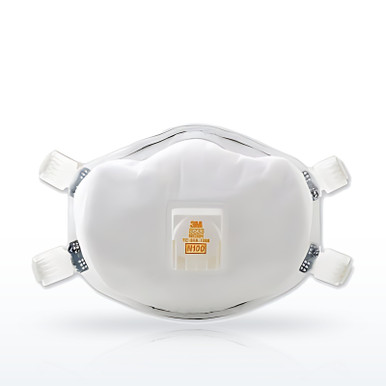
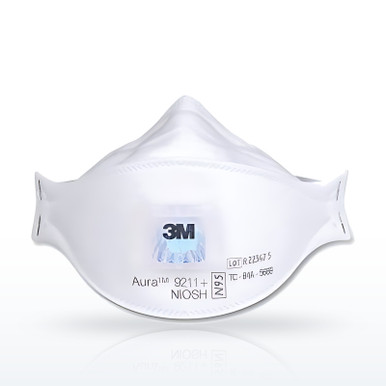 3M Aura N95 particulate respiratorNIOSH N95 filtering facepiece; the kind of respirator most voluntary use involves
Why does OSHA regulate a mask nobody is required to wear? Because a respirator can hurt the person wearing it. It adds breathing resistance and heat, which matters for someone with a heart or lung condition, and a reusable mask that is never cleaned grows what it collects. Appendix D exists so the employee knows those limits, and paragraph (c)(2) exists so the employer checks the two things the employee cannot check alone: that the mask is not a hazard in that workplace, and, for a reusable mask, that the wearer is medically able to use it.
What does the employer have to do for voluntary use?
The duties depend on the kind of respirator. A filtering facepiece gets the lightest treatment in the standard.
What counts as voluntary use?
Use is voluntary only when neither OSHA nor the employer requires a respirator for that job. OSHA requires one when exposure is above a permissible exposure limit or a substance-specific standard calls for it; the employer requires one whenever its own program or a supervisor says to wear it. If either is true, the full standard applies: written program, medical evaluation, fit test, training, and the rest. The label "voluntary" cannot be used to avoid those duties on a job that actually needs a respirator.
1910.134(c)(1): program required where respirators are necessary to protect health or are required by the employer; 1910.134(c)(2): where respirator use is not required.The employer may supply the respirator or let the employee bring their own. Either way, the employer still has to make the hazard determination and provide Appendix D. The employee cannot be charged for a respirator the employer provides.
1910.134(c)(2)(i): provide respirators at the request of employees or permit employees to use their own; 1910.134(c)(4).What does Appendix D actually say?
Appendix D is a short mandatory notice titled "Information for Employees Using Respirators When Not Required Under the Standard." It says respirators are an effective method of protection when properly selected and worn, that use is encouraged even below the exposure limit, and that a respirator used improperly or not kept clean can itself become a hazard. It then tells the employee to do 4 things.
1910.134 Appendix D (Mandatory).The 4 points of Appendix D
1. Read and follow all manufacturer instructions on use, maintenance, cleaning and care, and the warnings about the respirator’s limitations. 2. Choose a respirator certified for the contaminant of concern; NIOSH certifies respirators, and a label or statement of certification on the respirator or its packaging tells you what it is designed for and how much it will protect you. 3. Do not wear it into atmospheres it is not designed for; a respirator designed to filter dust particles will not protect against gases, vapors, or very small fume or smoke particles. 4. Keep track of your respirator so you do not mistakenly use someone else’s.
1910.134 Appendix D, items 1 through 4.Does a voluntary N95 need a medical evaluation or a fit test?
No. The medical requirement in (c)(2)(ii) applies to voluntary use of respirators other than filtering facepieces, and the exception in the same paragraph takes voluntary dust-mask users out of the written program entirely. Fit testing in paragraph (f) is tied to employees being required to use a tight-fitting respirator. A voluntary N95 user gets the Appendix D information and nothing more is required of the employer.
1910.134(c)(2)(ii) and its exception; 1910.134(f) introductory text and (f)(1).A voluntary half mask or full facepiece is different. The employer must make sure the user is medically able to wear it, which in practice means the medical questionnaire or examination of paragraph (e), and must see that it is cleaned, stored and maintained. Still no fit test, because the fit-test duty attaches to required use.
1910.134(c)(2)(ii); 1910.134(e)(1) and (e)(2); 1910.134(h)(1) and (h)(2) for the cleaning and storage procedures the program can adopt.How should an employer document voluntary use?
- A short written determination that the voluntary respirator does not itself create a hazard in that work area, naming the respirator type.
- A copy of Appendix D with a signature line, one per employee, kept with the program records. The standard allows oral delivery, but a signed copy is the record.
- For reusable respirators: the medical clearance from the PLHCP and the cleaning and storage procedure the employee follows.
- A line in the written program (if one exists for required use elsewhere) stating which jobs are voluntary and which are required, so the two are never confused during an inspection.
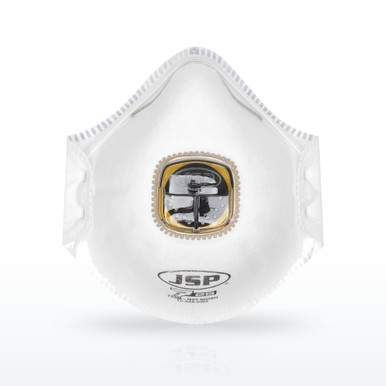
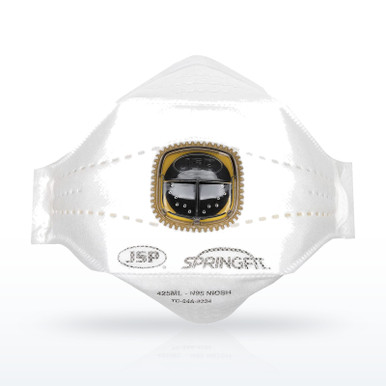
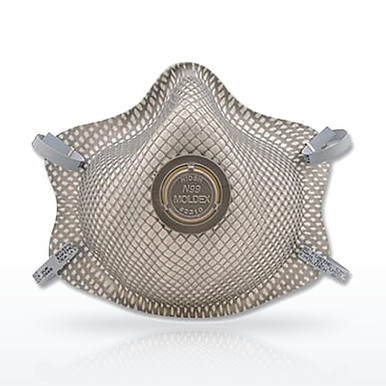
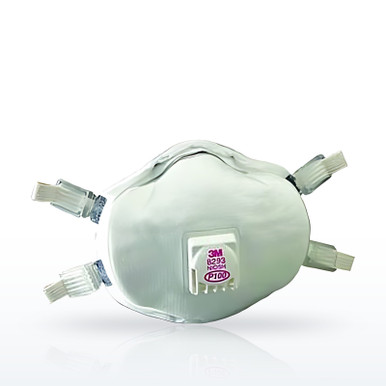
N95 filtering facepieces and half-mask respirators
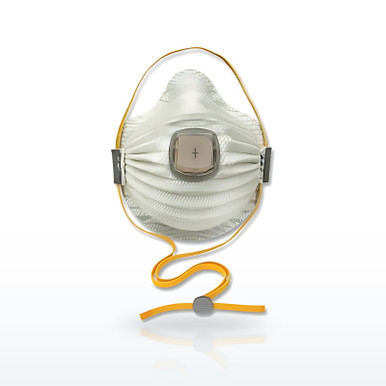
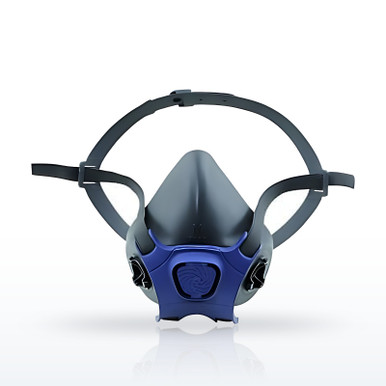
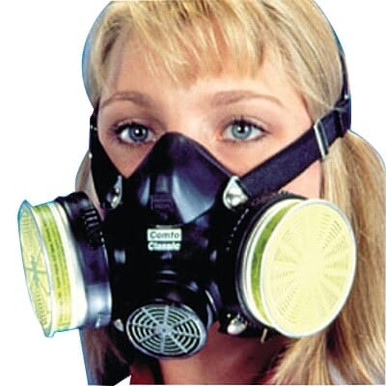
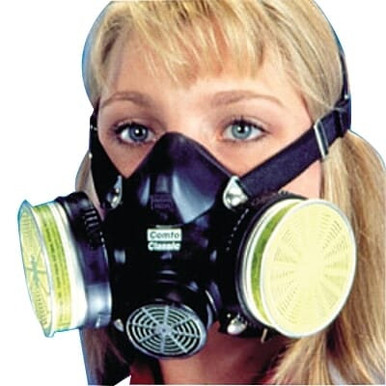
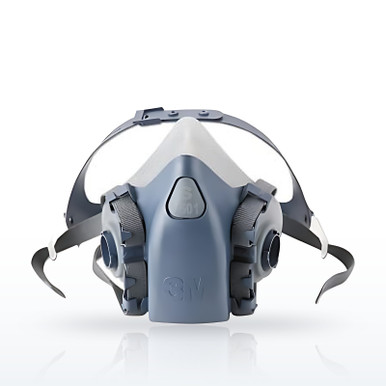
26 items · prices liveFilter class and respirator type are as published by the manufacturer and shown on each item. Which group a voluntary user falls in depends on the respirator: filtering facepieces need only Appendix D; reusable half masks also need the medical check and a cleaning routine. Free shipping on orders over $199.
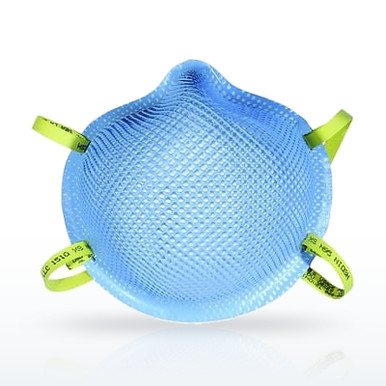
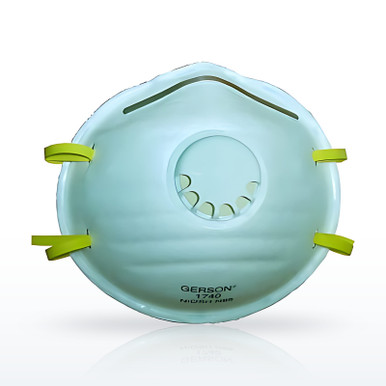
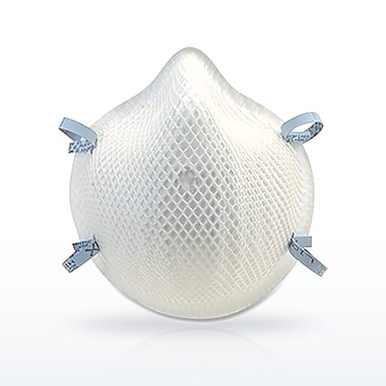
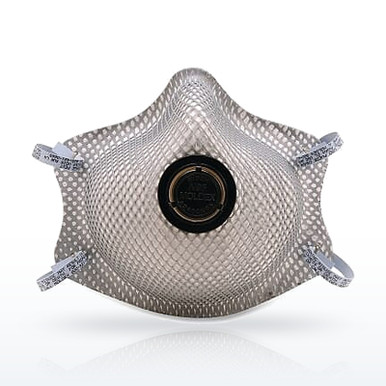
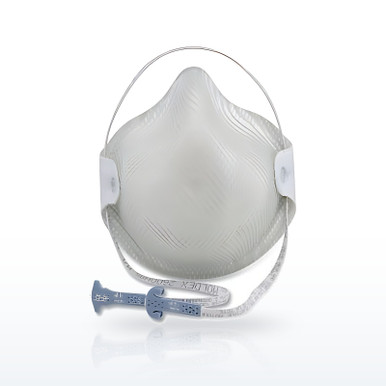
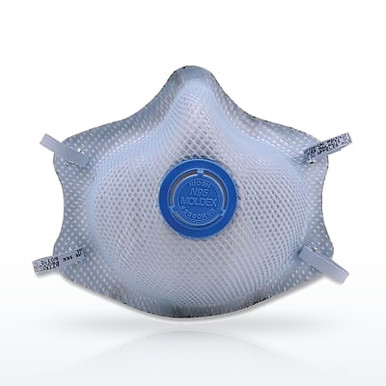
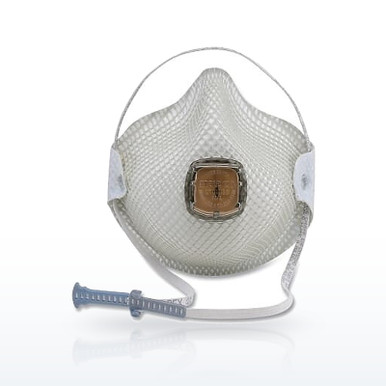
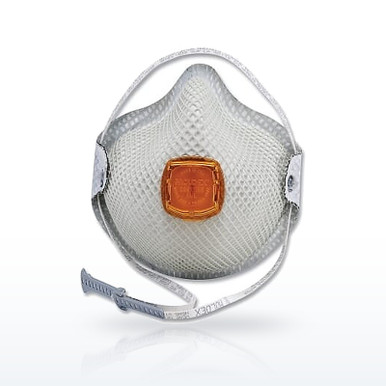
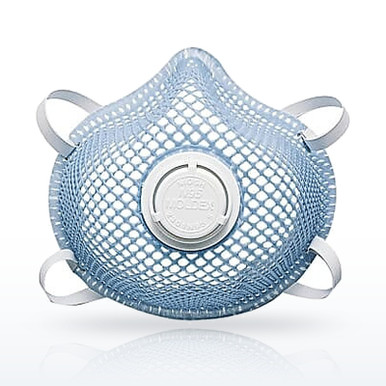
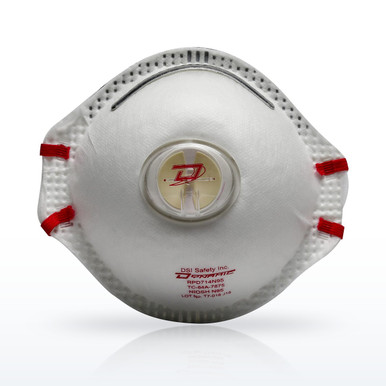
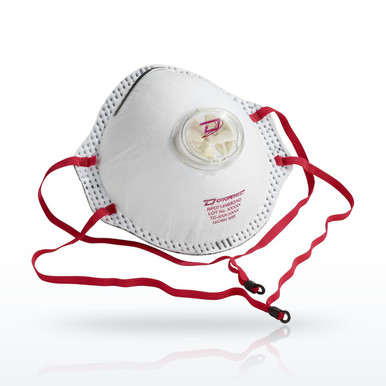




Full facepieces, PAPR systems and cartridges are in the respirator selector.
Questions people ask
What is voluntary respirator use?
Wearing a respirator when neither OSHA nor the employer requires it, because the employee wants to and the employer allows it. The air is below the exposure limits. (1910.134(c)(2).)
Does OSHA require Appendix D for N95 voluntary use?
Yes. Appendix D goes to every voluntary user, including those wearing a filtering facepiece. It is the one duty that applies to all voluntary use. (1910.134(c)(2)(i) and (k)(6).)
Does a voluntary N95 user need a fit test?
No. Fit testing applies to required use of a tight-fitting respirator. (1910.134(f).)
Does a voluntary N95 user need a medical evaluation?
No. The medical requirement for voluntary use does not apply to filtering facepieces, and voluntary dust-mask users are excepted from the written program. (1910.134(c)(2)(ii).)
Does a voluntary half mask need a medical evaluation?
Yes. For a voluntary respirator other than a filtering facepiece the employer must make sure the employee is medically able to wear it, and that it is cleaned, stored and maintained. (1910.134(c)(2)(ii).)
Can an employee bring their own respirator?
Yes, if the employer permits it after determining it will not create a hazard. The employee still gets Appendix D. (1910.134(c)(2)(i).)
Can voluntary use be in writing or does it have to be verbal?
Either. The standard says any written or oral format. A signed copy of Appendix D is the usual record. (1910.134(k)(6).)
When does voluntary use stop being voluntary?
As soon as exposure is above a limit or the employer requires the respirator for the task. Then the full standard applies: program, medical evaluation, fit test and training. (1910.134(c)(1).)
Standards and ratings on this page are as published in the documents named and by the manufacturers named. The employer’s hazard assessment and written program decide what applies at a given workplace. Verify a rating on the product and its spec sheet before use.