
Respirator training: what employees must be taught under 1910.134(k)
OSHA requires the employer to train every employee who must wear a respirator before they use one on the job, and again at least every 12 months. The test is not attendance but knowledge: each employee must be able to demonstrate 7 things, including why the respirator is needed, what it can and cannot do, how to inspect it, put it on, take it off and check the seal, what to do if it fails in an emergency, how to maintain and store it, how to recognize medical signs that limit its use, and the general requirements of the standard. The training must be understandable to the employee. Retraining is required sooner when the workplace or the respirator changes, when the employee shows gaps, or whenever retraining appears necessary.
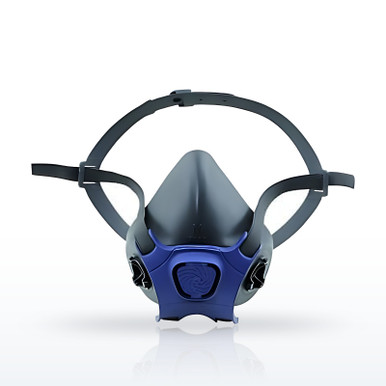
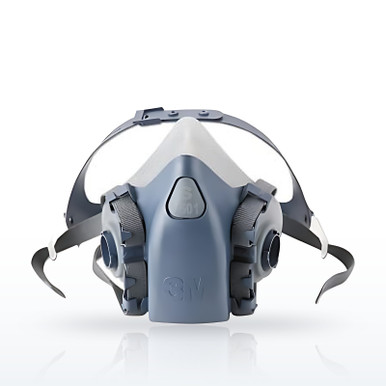
 3M Rugged Comfort half facepieceA reusable half mask: inspection, donning, seal check, cleaning and storage are all training elements
Why is training a separate requirement? A respirator is the one piece of PPE that does nothing unless it is worn correctly every minute of the exposure. A mask with the straps wrong, the wrong cartridge, or a cracked valve looks the same from the outside as one that works. Fit testing proves the mask can seal; training is how the employee learns to make it seal, keep it working and recognize when it is not. OSHA wrote the training as a list of things the employee must be able to demonstrate so that an employer cannot satisfy it with a sign-in sheet.
What must each employee be able to demonstrate?
The 7 elements of 1910.134(k)(1). All 7, for every employee required to wear a respirator.
When does training happen?
- Before the employee is required to use a respirator in the workplace.
- At least annually after that.
- When changes in the workplace or in the type of respirator make the previous training obsolete.
- When the employee’s knowledge or use of the respirator shows they have not retained the understanding or skill.
- In any other situation where retraining appears necessary to ensure safe respirator use.
Does training from a previous employer count?
Yes, within limits. If the employer can show that a new employee received training within the last 12 months that covered the 7 elements, and the employee can demonstrate knowledge of them, the training does not have to be repeated at hire. The clock does not reset, though: the next training is due no later than 12 months from the date of the previous training. Most employers find it simpler to train at hire and start their own annual cycle.
1910.134(k)(4).The training must be conducted in a manner that is understandable to the employee. Language, reading level and the way the hands-on part is taught all count. A video the employee cannot follow does not meet the requirement, and neither does a written test the employee cannot read.
1910.134(k)(2).What about employees who wear a respirator voluntarily?
Employees who wear a respirator when neither the standard nor the employer requires it do not get the full training. Instead the employer must give them the basic advisory information in Appendix D, in any written or oral format. Appendix D tells the wearer to read the manufacturer’s instructions, to choose a NIOSH-certified respirator, not to wear it for contaminants it is not designed for, and to keep track of their own respirator so they do not wear someone else’s. For a voluntary user of anything other than a filtering facepiece, the employer must also run the medical evaluation and the cleaning, storage and maintenance parts of the program.
1910.134(k)(6); 1910.134 Appendix D; 1910.134(c)(2)(i) and (ii).How does training fit with fit testing and the medical evaluation?
Three separate requirements, in order: the medical evaluation first, before fit testing and before first use; then the fit test on the specific make, model and size; then training before the employee is required to use the respirator on the job. Fit testing and training are both annual. Training records are not listed in the recordkeeping paragraph, which covers medical evaluations, fit tests and the written program, but the employer has to be able to show that each employee was trained and can demonstrate the 7 elements, so most programs keep a dated training record per employee alongside the fit-test record.
1910.134(e)(1); 1910.134(f)(1) and (f)(2); 1910.134(k)(3); 1910.134(m)(1) through (3).Respirators and the supplies the training covers
30 items · prices liveRespirator type and filter class are as certified by NIOSH and published by the manufacturer. Cleaning and storage items are as described by their manufacturers for the respirators named on each product page. Free shipping on orders over $199.



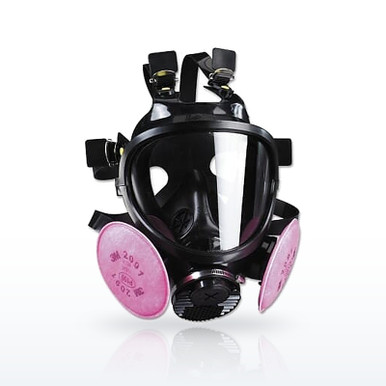
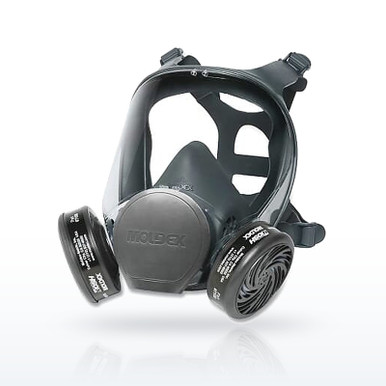


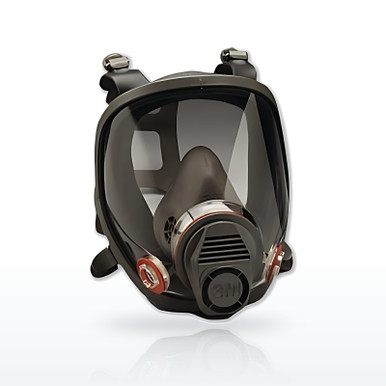
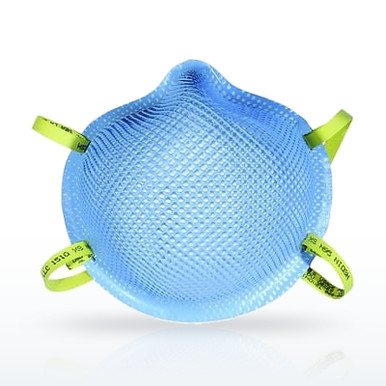
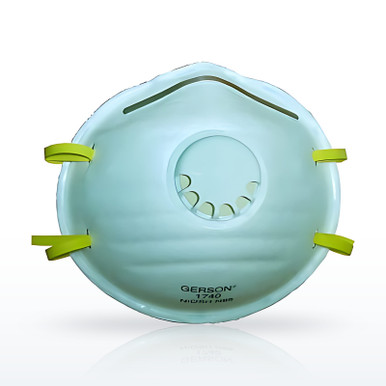
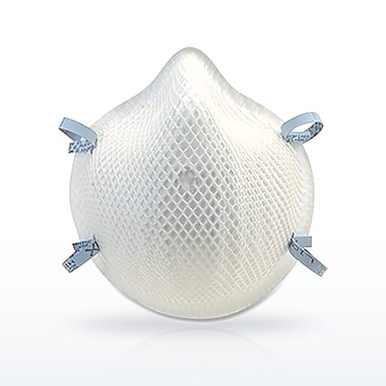
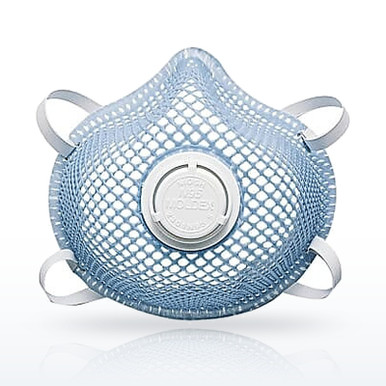
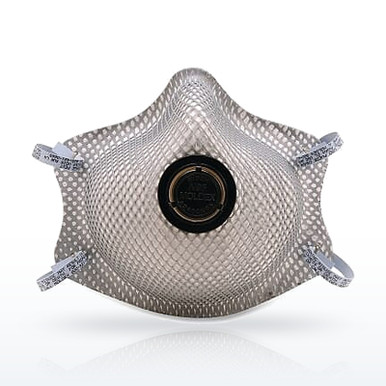
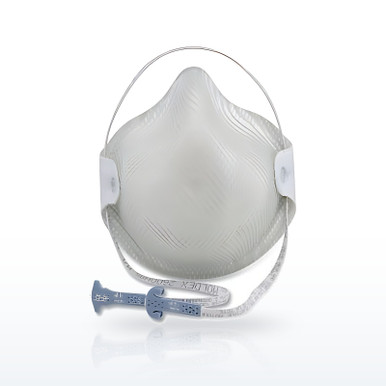
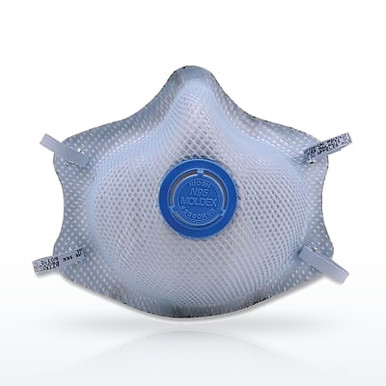
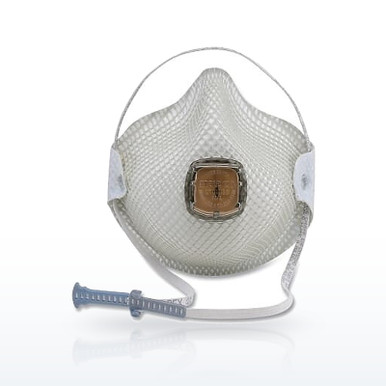
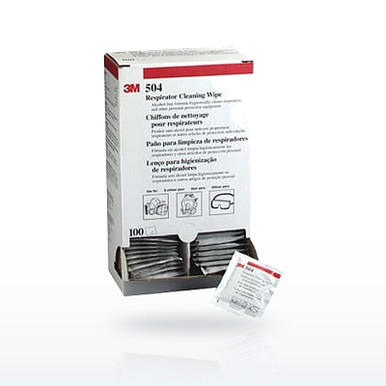
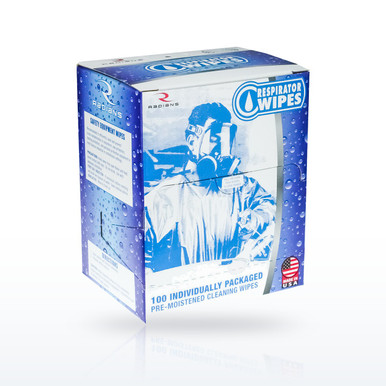
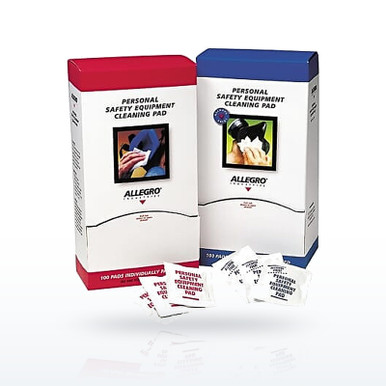
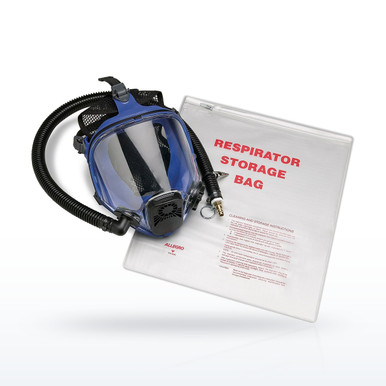
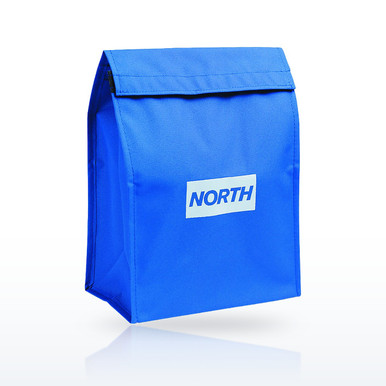

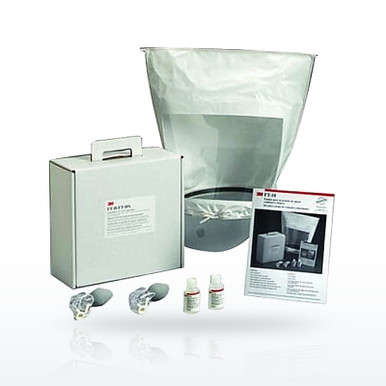
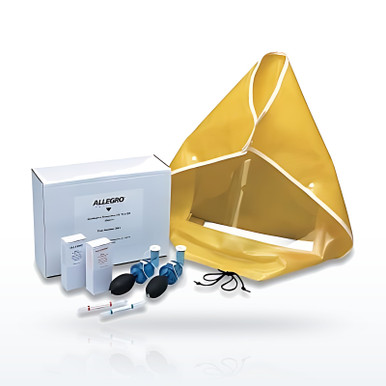
Cartridges, filters, PAPRs and supplied-air systems are in the respirator selector.
Questions people ask
How often is respirator training required?
Before first required use and at least annually, with earlier retraining when the workplace or respirator changes, when the employee shows gaps, or whenever retraining appears necessary. 1910.134(k)(3) and (k)(5).
What must respirator training cover?
The 7 elements in 1910.134(k)(1): why it is needed, limitations and capabilities, emergency use, inspection and donning and seal checks, maintenance and storage, medical signs and symptoms, and the general requirements of the standard.
Does OSHA require a respirator training certificate?
No certificate or outside course is named. The employer must ensure each employee can demonstrate the 7 elements and must train in a way the employee understands. 1910.134(k)(1) and (k)(2).
Can online respirator training satisfy 1910.134(k)?
Only if the employee ends up able to demonstrate all 7 elements, including the hands-on ones: inspecting, donning, doffing and checking the seal of their own respirator. Those are demonstrated, not watched.
Is training required for voluntary N95 use?
No. Voluntary users get the Appendix D information instead. 1910.134(k)(6).
Does prior training from another employer count?
If it was within the last 12 months, covered the 7 elements, and the employee can demonstrate the knowledge; the next training is still due 12 months from the earlier date. 1910.134(k)(4).
Is a fit test the same as training?
No. The fit test proves a specific mask seals on the employee’s face; training teaches the employee to use and care for it. Both are required before use and annually. 1910.134(f) and (k).
Standards and ratings on this page are as published in the documents named and by the manufacturers named. The employer’s hazard assessment and written program decide what applies at a given workplace. Verify a rating on the product and its spec sheet before use.