
Respirator vs gas mask vs ventilator: what each term means
A respirator is any device worn to protect the wearer from breathing contaminated air; that is OSHA’s definition and it covers everything from an N95 to a firefighter’s air tank. A gas mask is one kind of respirator: a full-facepiece, air-purifying respirator with a large canister, approved by NIOSH for specific gases. A ventilator is not protective equipment at all; it is a hospital machine that breathes for a patient who cannot. The three words get mixed up because all of them have to do with breathing.
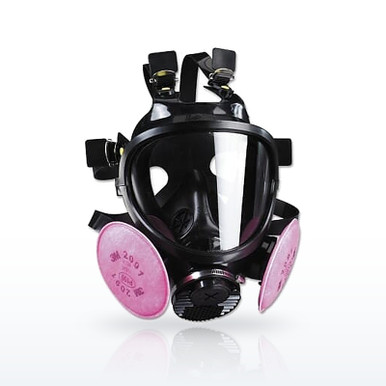 3M Full Facepiece RespiratorFull-facepiece reusable respirator; takes cartridges or filters
Why do the words matter? Because a safety program, a purchase order and an OSHA citation all turn on them. “Respirator” triggers 1910.134: a written program, medical evaluations, fit testing. “Gas mask” is a NIOSH approval category with its own canister codes and limits. And “ventilator” showed up in safety searches in 2020 when people confused the two; nobody on a jobsite needs one. Using the right word gets the right equipment and the right rule.
What is each one?
Three definitions from the documents that control them.
How does a respirator work?
An air-purifying respirator pulls the room air through a filter or cartridge as you inhale. A particulate filter traps dust, fumes and mists; a chemical cartridge holds sorbent that captures a specific family of gases or vapors; a combination does both. It only works if the air has enough oxygen, if the contaminant is one the filter or cartridge is approved for, and if the concentration is within the cartridge’s limits. An atmosphere-supplying respirator does not clean the room air at all: it brings clean air from a cylinder on your back (SCBA) or a hose from a compressor or cylinder bank (supplied air), so it works in low oxygen and in atmospheres a cartridge cannot handle.
29 CFR 1910.134(b) definitions; 1910.134(d)(2) (IDLH atmospheres require SCBA or supplied air with escape); 42 CFR 84.The respirator types and what each is for
| Type | How it works | Assigned protection factor | Typical use |
|---|---|---|---|
| Filtering facepiece (N95, P100 disposable) | The mask is the filter; particles only | 10 | Dust, welding fume, sanding, mold cleanup at low levels |
| Half-mask elastomeric | Reusable facepiece, replaceable filters or cartridges | 10 | Solvents, paint, dust, where a cartridge is approved for the contaminant |
| Full-facepiece | Covers eyes too; cartridges, filters or a gas-mask canister | 50 | Higher concentrations, eye irritants, asbestos and lead work |
| Gas mask (full facepiece, canister) | Large canister for specific gases | 50 | Escape and specific gas exposures at concentrations above cartridge limits |
| PAPR (powered air-purifying) | Blower pulls air through filters into a hood, helmet or mask | 25 (loose hood) to 1,000 (tight full facepiece) | Bearded workers, long shifts, welding, pharmaceutical and healthcare |
| Supplied-air (airline) | Hose from a compressor or cylinders | Up to 1,000 (pressure demand, full facepiece) | Spray painting, abrasive blasting, tank work with an escape cylinder |
| SCBA | Cylinder on the back, 30 to 60 minutes of air | 10,000 (pressure demand) | Firefighting, IDLH entry, confined space rescue |
Assigned protection factors are from OSHA 1910.134 Table 1 and apply only when the respirator is used within a complete program (medical evaluation, fit testing, training). A loose-fitting PAPR hood is 25; a PAPR with a tight-fitting full facepiece is 1,000. Gas mask canisters have maximum use concentrations set by NIOSH approval and the manufacturer, and are never used in oxygen-deficient or IDLH atmospheres.
29 CFR 1910.134(d)(3)(i)(A) Table 1 (assigned protection factors); 42 CFR 84 Subpart I (gas masks); 1910.134(d)(2).
Gas mask vs respirator: what people actually mean
In everyday speech “gas mask” means any full-face mask with cartridges, and “respirator” means a half mask or an N95. Under the rules, both are respirators, and a true gas mask is the one with the big canister and a NIOSH approval under Subpart I. The practical differences: a gas mask canister holds more sorbent and is approved for higher concentrations and for specific agents (acid gases, ammonia, organic vapors, CBRN for emergency responders), while a full-facepiece respirator with twin cartridges is lighter and is what most industrial work uses. Both need the same program, fit test and medical clearance.
42 CFR 84 Subpart I (gas masks: chin-style, front- or back-mounted canisters, approval classes); 1910.134(f) and (e).Is a surgical mask a respirator?
No. A surgical mask is a loose-fitting barrier cleared by the FDA to protect the patient and the surroundings from the wearer’s droplets and to block splashes to the wearer’s mouth. It is not NIOSH-approved, it does not seal, and it is not rated to filter the air the wearer breathes. An N95 is a respirator; a surgical N95 is a respirator that is also FDA-cleared as a mask. OSHA does not count a surgical mask as respiratory protection.
29 CFR 1910.134(b); FDA, N95 Respirators, Surgical Masks, Face Masks and Barrier Face Coverings; NIOSH, Understanding the Difference (infographic).What has to happen before anyone wears a respirator at work?
If the employer requires it: a written respiratory protection program, a medical evaluation, a fit test for any tight-fitting mask, training, and a schedule for cleaning and cartridge change. If the employee only chooses to wear a disposable respirator when it is not required, the employer gives them the Appendix D information sheet and makes sure the mask itself does not create a hazard. The fit-testing guide walks through the test.
29 CFR 1910.134(c), (e), (f), (k); 1910.134(c)(2) and Appendix D (voluntary use).Respirators by type
30 items · prices liveEach respirator is listed under the type its manufacturer and NIOSH approval describe; cartridges and filters are sold separately unless the product page says otherwise. Contractor Direct orders ship free.
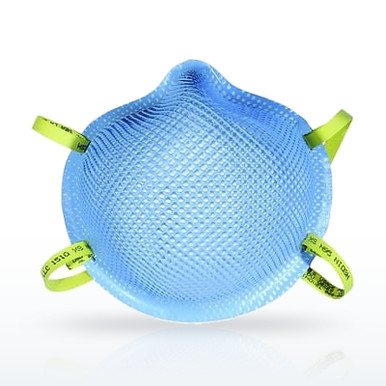
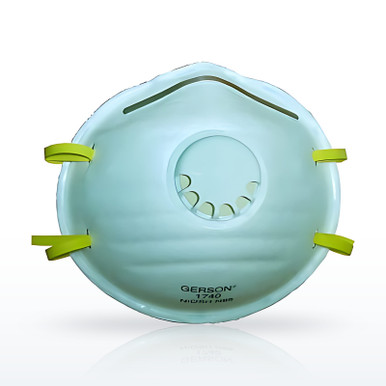
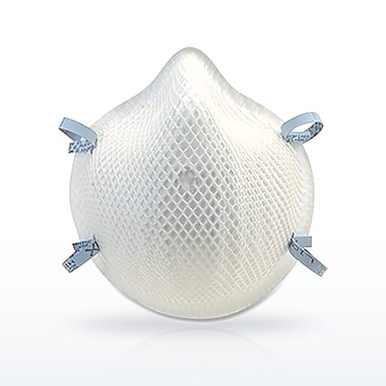
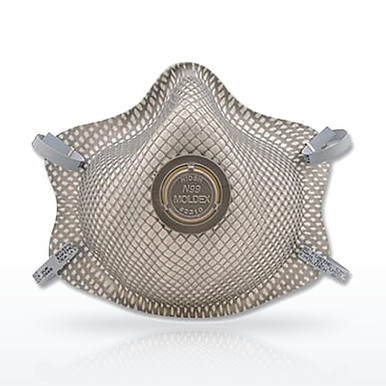
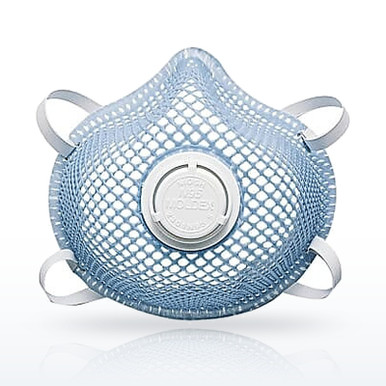
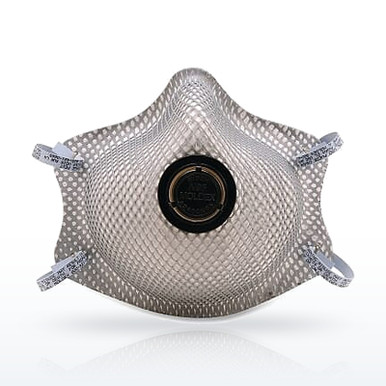
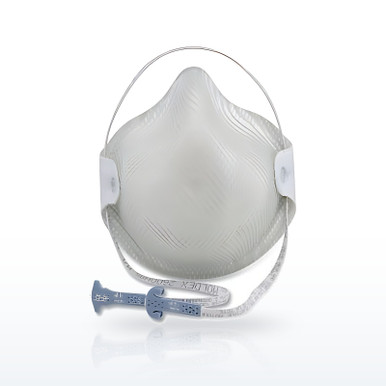
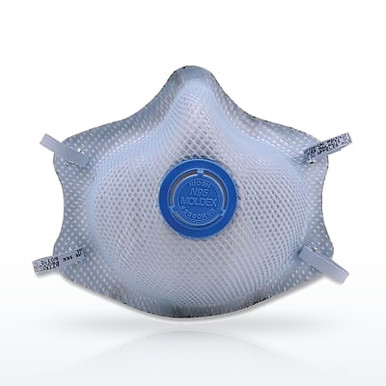
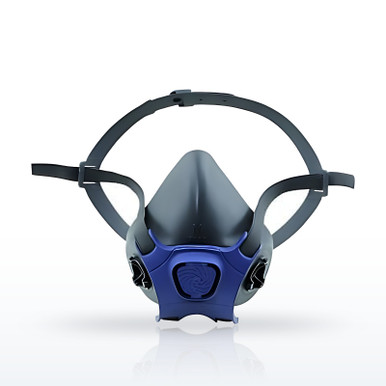


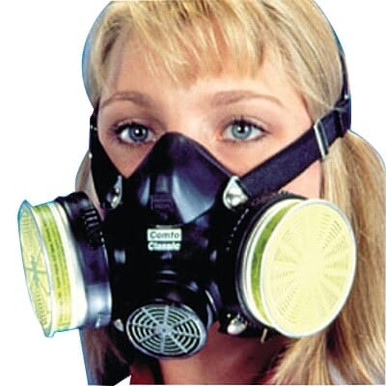
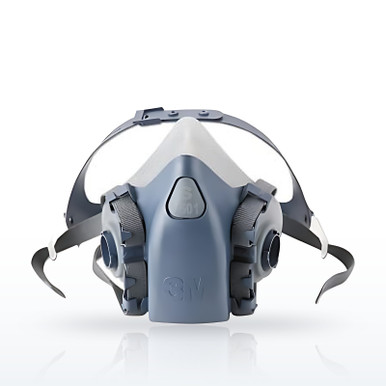

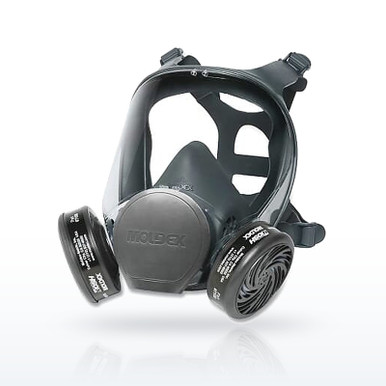


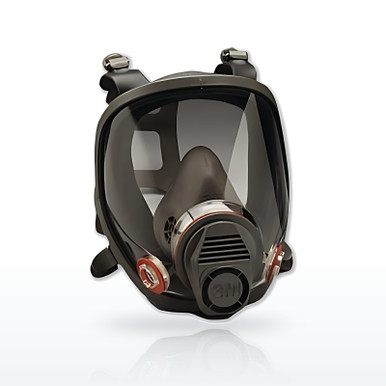
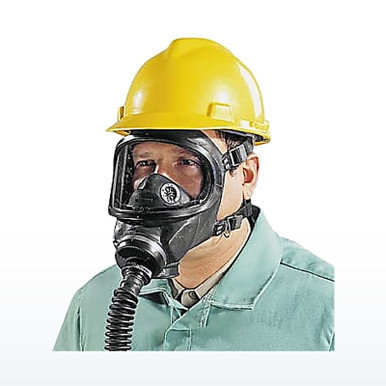
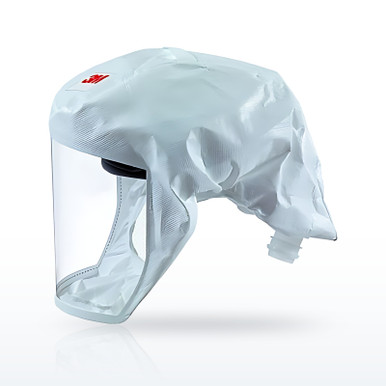
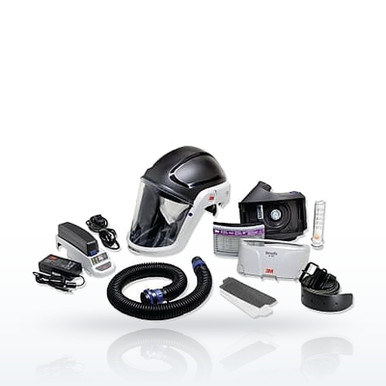
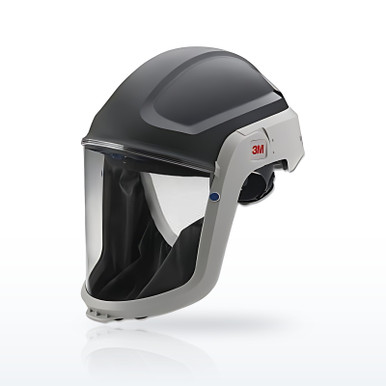
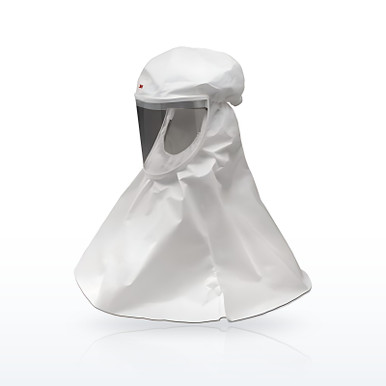
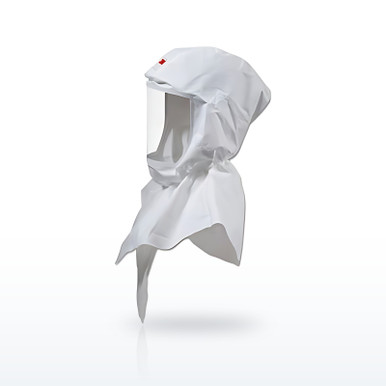
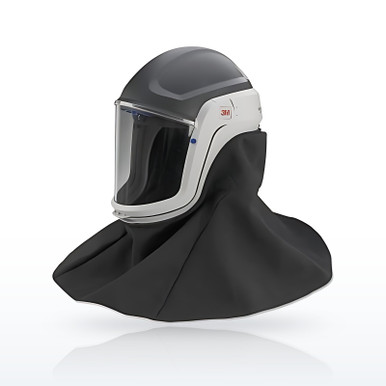
Cartridges, filters, PAPR systems and supplied-air equipment, filtered by class and facepiece, are on the respirator finder.
Questions people ask
What is the difference between a respirator and a gas mask?
A gas mask is one type of respirator: full-facepiece, air-purifying, with a large canister approved by NIOSH for specific gases. Every gas mask is a respirator; most respirators are not gas masks.
Is a ventilator the same as a respirator?
No. A ventilator is a hospital machine that breathes for a patient. A respirator is worn to protect the wearer from contaminated air. They share nothing but the word “breathing.”
Is an N95 a respirator?
Yes. It is a NIOSH-approved filtering facepiece respirator, and when an employer requires it, it falls under 1910.134 including fit testing.
How does a gas mask work?
Air is drawn through a canister of sorbent and filter media as you inhale; the sorbent captures the gases the canister is approved for. It needs normal oxygen and a concentration within the canister’s limit; it does not make air.
What respirator do you need for a confined space?
It depends on the atmosphere after testing. If oxygen is low or the space is IDLH, only an SCBA or a supplied-air respirator with an escape cylinder is allowed; a cartridge respirator is never enough there. (1910.134(d)(2); 1910.146.)
How do you spell respirator?
R-e-s-p-i-r-a-t-o-r. “Respirator” is the equipment; “respiratory” is the adjective, as in respiratory protection.
Are all respirators the same?
No. They differ by how they work (filtering vs supplied air), what they fit (half or full face, loose hood), what they are approved for, and the protection factor OSHA assigns them. The table above lays it out.
Related guides
Respirator fit testingWhat it is, when OSHA requires it, and how it is doneWhat is an assigned protection factor (APF)?How to read OSHA Table 1What does N95, N99, N100, R95, P95 and P100 mean?The NIOSH filter classesWhat is SCBA, and when does OSHA require it?IDLH atmospheres and rescueStandards and ratings on this page are as published in the documents named and by the manufacturers named. The employer’s hazard assessment and written program decide what applies at a given workplace. Verify a rating on the product and its spec sheet before use.