
Can you wear a respirator with a beard? What OSHA says about facial hair
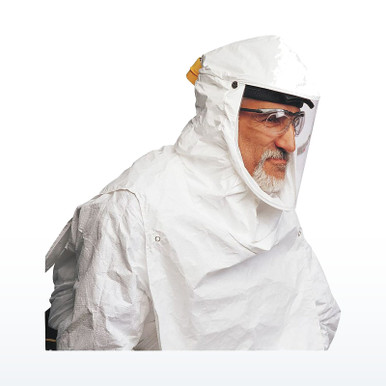
Not a tight-fitting one. OSHA does not let an employer allow a respirator with a tight-fitting facepiece on an employee who has facial hair where the facepiece seals to the face, or hair that interferes with a valve. That covers N95s, half masks, full facepieces, and tight-fitting PAPR and airline facepieces, and it applies whether or not the person once passed a fit test. A bearded worker who needs respiratory protection wears a loose-fitting respirator: a powered air-purifying respirator or a supplied-air respirator with a hood, helmet or loose-fitting facepiece that does not seal to the skin. Those are rated APF 25 (loose-fitting facepiece and most hoods and helmets) or APF 1,000 (hoods and helmets the manufacturer has test data for), and they need no fit test. A mustache or goatee that stays clear of the seal line is allowed.
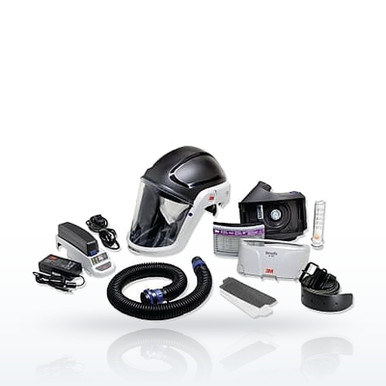 3M Versaflo TR-300N+ heavy industry PAPR kitBelt-mounted PAPR with loose-fitting headtop; no face seal
Why does a beard matter if the fit test passed? A tight-fitting respirator works by pressing a soft edge against bare skin so that every breath comes through the filter. Hair between the edge and the skin holds the seal open; air takes that path instead of the filter, and the wearer gets a fraction of the rated protection with no way to feel it. The fit test measures the seal on the day of the test, on that face as it was. The rule in (g)(1) is written so the seal is kept on every shift, not just the one with the instrument on it. That is why the standard bans the hair at the seal line outright, instead of leaving it to the test.
What exactly does the rule say?
Paragraph (g)(1), facepiece seal protection. It is a duty on the employer, not a suggestion to the wearer.
How much facial hair is too much?
The standard does not measure it in days of growth or millimeters. The test is whether hair comes between the sealing surface and the face, or interferes with a valve. On a half mask the sealing surface runs over the bridge of the nose, across the cheeks and under the chin; on a full facepiece it runs across the forehead, down the temples and under the chin. Hair anywhere on those lines is hair in the seal, including stubble. A mustache trimmed so it does not reach the nose seal or the valve, a soul patch, and a goatee that stays inside the chin cup of a given mask can all be acceptable, but the mask decides, not the style. The written program should say what the employer requires, and the program administrator checks it.
1910.134(g)(1)(i)(A); 1910.134(c)(1)(iv): procedures for proper use of respirators.Stubble is the common failure. A worker who shaves on fit-test day and comes in Monday with 2 days of growth is wearing a respirator that has not been shown to seal, and the employer is out of compliance with (g)(1)(i) the moment the mask goes on. Programs that rely on tight-fitting respirators generally require the seal area to be clean-shaven at the start of every shift in which the respirator is worn.
1910.134(g)(1)(i)(A); (f)(2): the fit test is on the same facepiece, and does not substitute for the seal rule.What can a bearded worker wear instead?
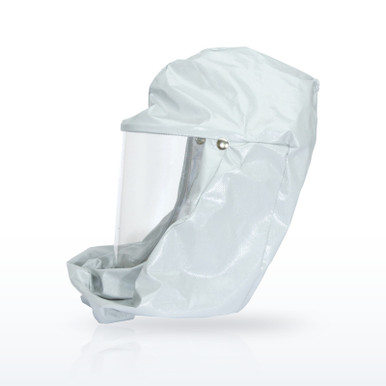
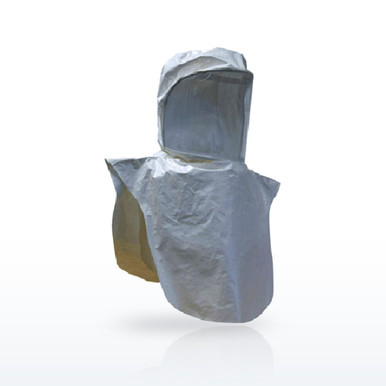
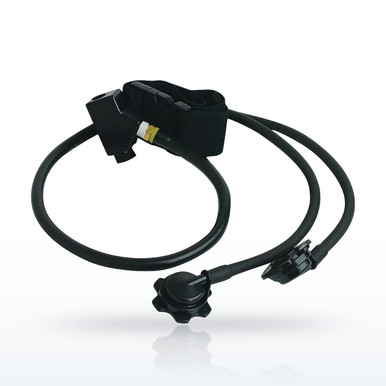
A loose-fitting respirator. The standard defines a loose-fitting facepiece as one designed to form only a partial seal with the face, and a hood as a covering over the whole head and neck; a helmet is a hood that also gives head impact protection. None of these rely on skin contact, so facial hair does not matter and no fit test is required: paragraph (f) is written for tight-fitting facepieces. The air comes from a belt-mounted PAPR blower pulling through filters or cartridges, or from an airline (supplied-air respirator) in continuous-flow mode. Both keep the inside of the hood at positive pressure, so what leaks goes out, not in.
1910.134(b), definitions of loose-fitting facepiece, hood, helmet, PAPR and supplied-air respirator; (f)(1): fit testing applies to tight-fitting facepiece respirators.The protection factor is set by Table 1. A loose-fitting facepiece on a PAPR or continuous-flow airline is APF 25. A hood or helmet on either is APF 25 unless the manufacturer has test evidence that it performs at 1,000 or better, in which case it is APF 1,000; the employer must hold that evidence to use the higher number. For comparison, a clean-shaven half mask is APF 10 and a full facepiece is APF 50, so a loose-fitting PAPR gives the bearded worker more protection than the half mask he cannot wear, not less.
1910.134 Table 1, rows 2 and 3 and note 4.The limits. Loose-fitting respirators cannot be used in IDLH or oxygen-deficient atmospheres; those require a pressure-demand SCBA or a pressure-demand airline with an escape bottle, both full facepieces, and both tight-fitting. There is no loose-fitting respirator for IDLH entry, so a worker who must enter IDLH atmospheres has to be clean-shaven. A PAPR also still needs a medical evaluation, training, inspection, cleaning and a change schedule for any gas or vapor cartridges on it.
1910.134(d)(2)(i); 42 CFR 84.170(b)(1): PAPRs are for atmospheres not IDLH; 1910.134(e), (k), (h) and (d)(3)(iii).Can an employer require shaving?
The standard puts the duty on the employer: it shall not permit a tight-fitting respirator on a bearded employee. An employer whose program uses tight-fitting respirators can therefore make a clean-shaven seal area a condition of the job, and many do. Where an employee keeps a beard for religious or medical reasons, the practical path within the standard is to provide a loose-fitting PAPR or supplied-air hood for that employee, which satisfies (g)(1) without a shave. Whether the employer must do so is an accommodation question under other laws, not under 1910.134; the respirator standard only says what may and may not be worn.
1910.134(g)(1)(i); 1910.134(d)(1)(iv): respirators selected from sufficient models so the respirator is acceptable to, and correctly fits, the user.Loose-fitting PAPR and supplied-air respirators
28 items · prices liveItems are grouped by what the manufacturer labels them: PAPR blower units and kits, and hoods, helmets and headtops that do not seal to the face. The APF for each system is from 1910.134 Table 1 and depends on the headtop and the manufacturer’s test data; see the spec sheet. Free shipping on orders over $199.
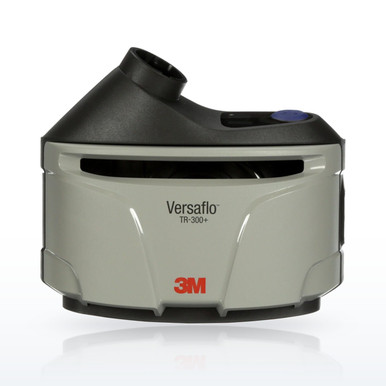
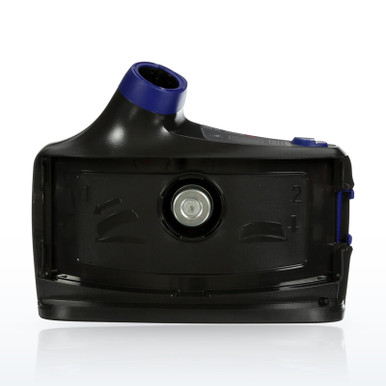
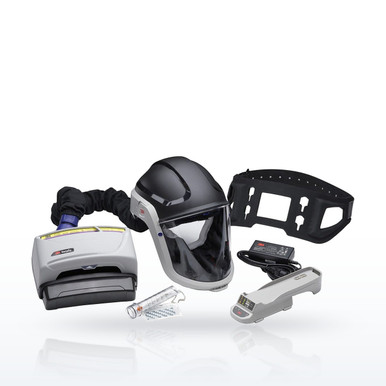
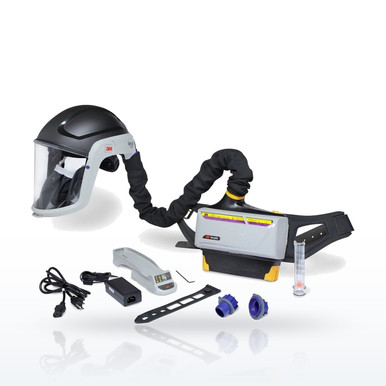
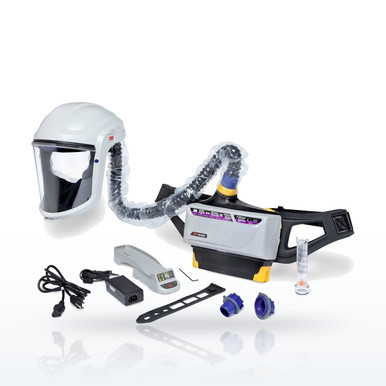
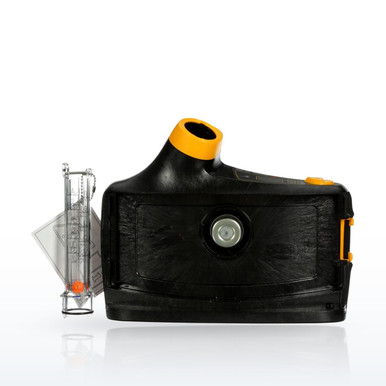
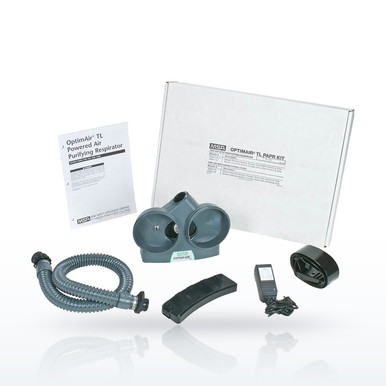
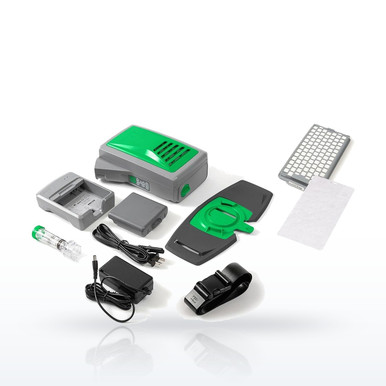
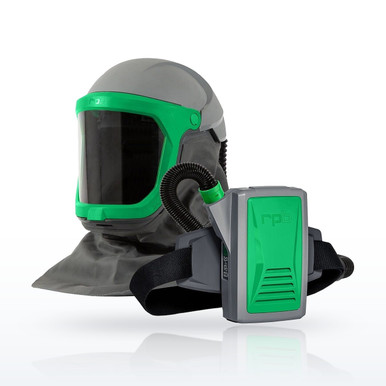
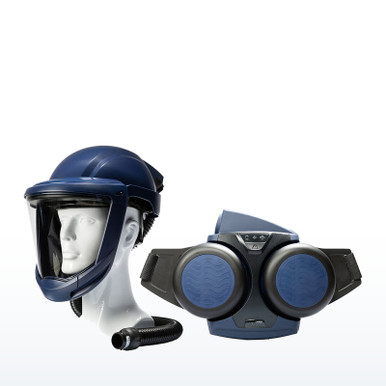
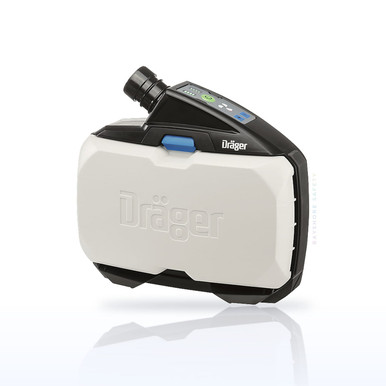
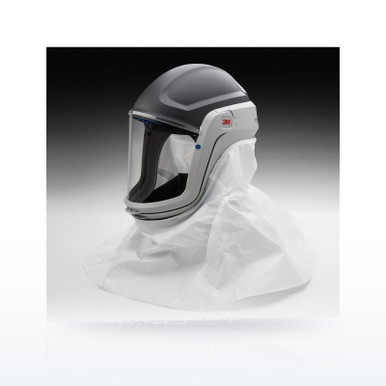
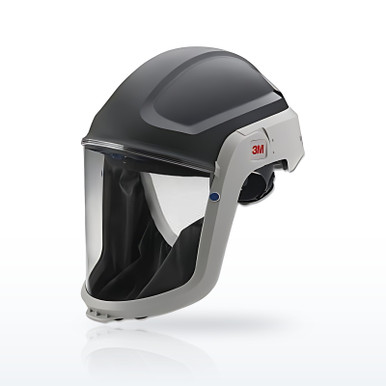
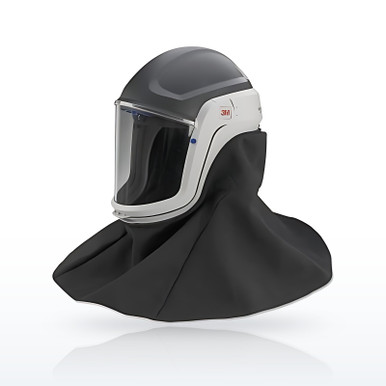
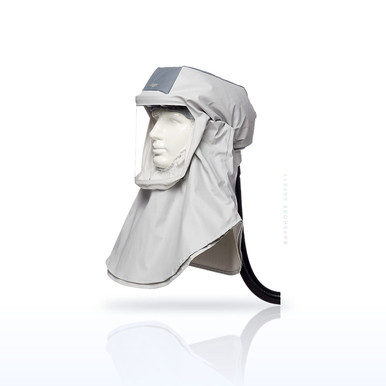
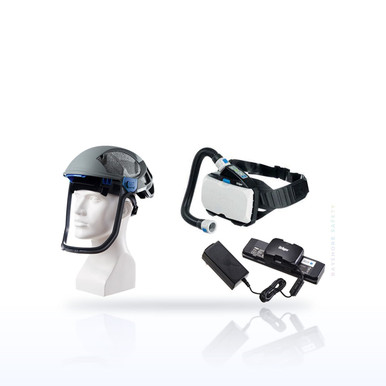
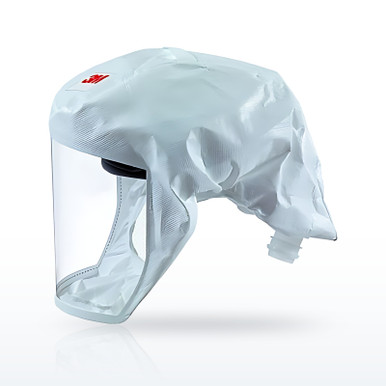
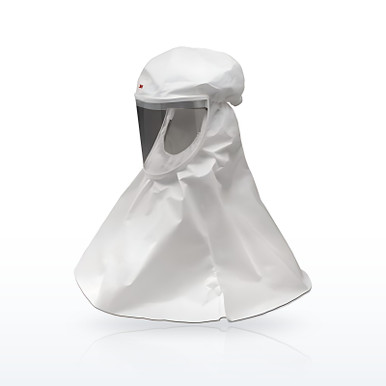
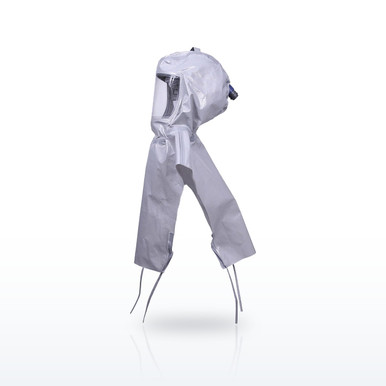
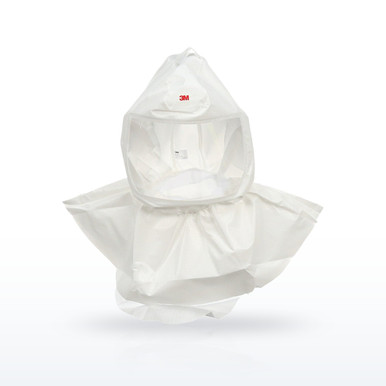
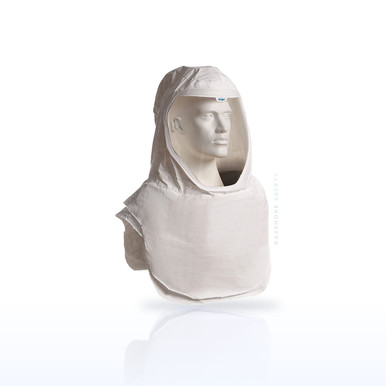
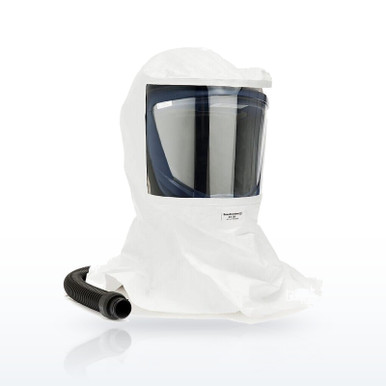
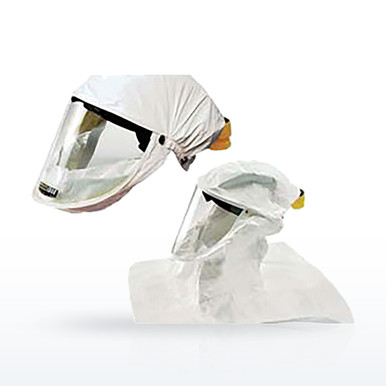
Filters and cartridges for each PAPR, batteries, breathing tubes and airline components are in the respirator selector.
Questions people ask
Can you wear an N95 with a beard?
Not at work where it is required. An N95 is a tight-fitting facepiece, and the employer may not permit it on an employee with hair in the seal. (1910.134(g)(1)(i)(A); Table 1 note 3.)
What if I passed a fit test with my beard?
The rule bans the hair at the seal regardless of the test. A fit test on a bearded face does not make the respirator permitted. (1910.134(g)(1)(i)(A).)
Is a mustache allowed?
If it does not come between the facepiece and the face and does not touch a valve. On most half masks that means trimmed clear of the nose seal and the exhalation valve. (1910.134(g)(1)(i)(A) and (B).)
What respirator can I wear with a beard?
A loose-fitting PAPR or supplied-air respirator: a hood, helmet or loose-fitting facepiece that does not seal to the face. (1910.134(b) definitions; Table 1.)
Does a PAPR hood need a fit test?
No. Fit testing applies to tight-fitting facepieces. A loose-fitting hood or helmet has none. (1910.134(f)(1).)
What APF does a PAPR hood give?
25 for a loose-fitting facepiece; 25 or 1,000 for a hood or helmet, depending on whether the manufacturer has test evidence for the higher level. (1910.134 Table 1 and note 4.)
Can a bearded worker enter an IDLH space?
No. IDLH entry requires a pressure-demand SCBA or an airline with auxiliary SCBA, both tight-fitting full facepieces. (1910.134(d)(2)(i).)
Does stubble count?
Yes, if it is on the seal line. The standard says facial hair that comes between the sealing surface and the face; it sets no length.
Standards and ratings on this page are as published in the documents named and by the manufacturers named. The employer’s hazard assessment and written program decide what applies at a given workplace. Verify a rating on the product and its spec sheet before use.