
Respirators for silica dust: what the silica standard requires
The silica standards put engineering controls first: water on the blade, a shroud and vacuum on the tool, or an enclosed cab. A respirator is required only where Table 1 says so for a listed construction task, or where exposure is still above the limit of 50 micrograms per cubic meter after the controls are in. When one is required, Table 1 names the minimum: APF 10, which is any NIOSH-certified half mask including an N95, for most listed tasks run indoors or for more than 4 hours; APF 25, a loose-fitting powered air-purifying respirator or better, for tuckpointing grinders run over 4 hours. Silica is a dry, oil-free dust, so any NIOSH particulate filter class (N95 through P100) is accepted. The respirator must be part of a full 1910.134 program, and anyone required to wear one 30 or more days a year gets medical surveillance that includes a chest X-ray.
 3M D3096 Secure Click Particulate Filter, P100P100 filters for a half-mask respirator; APF 10 with any NIOSH particulate filter
Why does the silica standard not just say "wear an N95"? Because the dust that causes silicosis is too fine to see and a respirator only protects the person wearing it, for the hours it is on and sealed. The standard is built to cut the dust at the tool first, with water or a vacuum shroud, so the whole crew and the trades nearby breathe less of it. Respirators are the last layer, required for the tasks and durations where testing showed the controls alone do not get exposure under the limit, and the required protection factor is matched to how much dust gets past the control.
When is a respirator required for silica?
Two routes in construction, one in general industry. Either way the respirator must meet 1910.134.
Which Table 1 tasks require a respirator, and at what APF?
| Table 1 task | Required control | Up to 4 hours per shift | More than 4 hours per shift |
|---|---|---|---|
| Handheld power saws, any blade, outdoors | Integrated water delivery to the blade | None | APF 10 |
| Handheld power saws, indoors or enclosed | Integrated water delivery to the blade | APF 10 | APF 10 |
| Walk-behind saws, indoors or enclosed | Integrated water delivery to the blade | APF 10 | APF 10 |
| Dowel drilling rigs for concrete (outdoors only) | Shroud with dust collection, 99 percent filter and filter cleaning; HEPA vacuum for holes | APF 10 | APF 10 |
| Jackhammers and handheld chipping tools, outdoors | Water at the point of impact, or shroud with dust collection | None | APF 10 |
| Jackhammers and handheld chipping tools, indoors or enclosed | Water at the point of impact, or shroud with dust collection | APF 10 | APF 10 |
| Handheld grinders for mortar removal (tuckpointing) | Shroud with dust collection, 25 cfm per inch of wheel, 99 percent filter, cyclone or filter cleaning | APF 10 | APF 25 |
| Handheld grinders, other uses, with shroud and dust collection, indoors or enclosed | Shroud with dust collection, 25 cfm per inch of wheel | None | APF 10 |
Every other Table 1 entry, including stationary masonry saws, fiber-cement saws outdoors, drivable saws, rig-mounted core drills, handheld and stand-mounted drills with a shrouded vacuum, vehicle-mounted drilling rigs, walk-behind milling machines and floor grinders, drivable milling machines, crushers, and heavy equipment, requires no respirator when the listed control is fully and properly used. Where an employee does more than one Table 1 task in a shift and the combined time is over 4 hours, the over-4-hour respirator applies to each task. Indoors or enclosed, the employer must also provide exhaust as needed to minimize visible dust.
29 CFR 1926.1153(c)(1) Table 1, items (ii), (iv), (viii), (x), (xi) and (xii); 1926.1153(c)(2)(i) and (c)(3).
Which respirators give APF 10 and APF 25?
APF 10 is the half-mask line in 1910.134 Table 1. It includes filtering facepieces (N95 and up) and elastomeric half masks with replaceable filters, used in negative-pressure mode. Both must be fit tested. A full facepiece (APF 50), a PAPR or a supplied-air respirator can always be used where APF 10 is required, since a higher APF may be selected for a lower exposure.
1910.134(d)(3)(i)(A) Table 1, row 1 and note 3; Table 1 note 1.APF 25 is the loose-fitting facepiece line for PAPRs and continuous-flow supplied-air respirators: a hood or helmet that does not seal to the face, fed by a blower or an airline. A PAPR with a tight-fitting half mask is APF 50 and a PAPR with a full facepiece is APF 1,000, so either also satisfies APF 25. Helmets and hoods get APF 1,000 only where the manufacturer has test evidence for it; otherwise they are treated as loose-fitting at APF 25.
1910.134 Table 1, rows 2 and 3 and note 4.Which filter class is right for silica?
Any NIOSH particulate filter. For particulates, 1910.134 accepts a filter certified for particulates under 42 CFR 84, which covers N95, N99, N100, R95, R99, R100, P95, P99 and P100. Silica dust is dry and contains no oil, so the N-series restriction to oil-free workplaces is not a problem and an N95 meets the APF 10 line. Many programs standardize on P100 for silica work anyway: the P-series is oil-proof, the 100 class stops at least 99.97 percent at the test size, and the same filter can stay on a half mask for other jobs. The silica standards define HEPA at 99.97 percent for vacuums and dust collectors; P100 is the respirator-filter equivalent of that figure.
1910.134(d)(3)(iv)(B); 42 CFR 84.170(a)(2) and (a)(3); 1926.1153(b) and 1910.134(b), definition of HEPA filter.A chemical cartridge adds nothing for silica. Silica is a particulate, not a gas or vapor, so the respirator needs a particulate filter, with or without a cartridge behind it. Combination cartridge-and-filter assemblies are fine where the job also has a vapor hazard, such as cutting coated or treated material.
1910.134(d)(3)(ii): respirator appropriate to the chemical state and physical form of the contaminant.What else does the silica standard require of respirator wearers?
- Medical surveillance, at no cost, for each employee required by the silica standard to wear a respirator for 30 or more days a year (construction) or exposed at or above the action level for 30 or more days a year (general industry): a baseline exam within 30 days of assignment with a chest X-ray read by a NIOSH-certified B Reader, spirometry and a TB test, then repeated at least every 3 years.
- A written exposure control plan that describes each silica task, the controls, work practices and respirators used for it, and housekeeping; reviewed at least annually. Construction employers also designate a competent person to inspect the job.
- The full 1910.134 program: medical evaluation before fit testing, fit test before first use and annually, training, user seal checks, inspection, cleaning and storage.
- Housekeeping without dry sweeping or compressed air where it would contribute to exposure, so the dust the respirator is protecting against is not put back into the air at cleanup.
Respirators and filters for silica, by APF
34 items · prices liveFilter class and respirator type are as certified by NIOSH and published by the manufacturer. The APF comes from 1910.134 Table 1 for that respirator type; the employer’s program decides which is required for the task. Contractor Direct orders ship free.


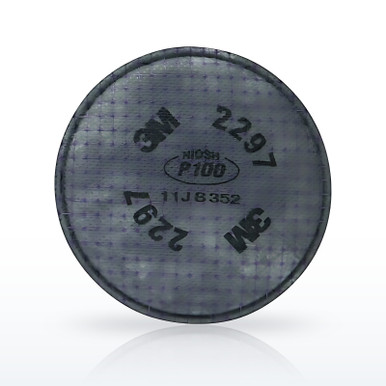


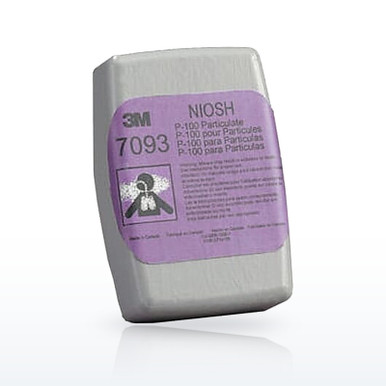
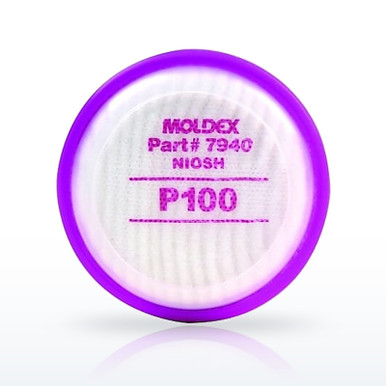
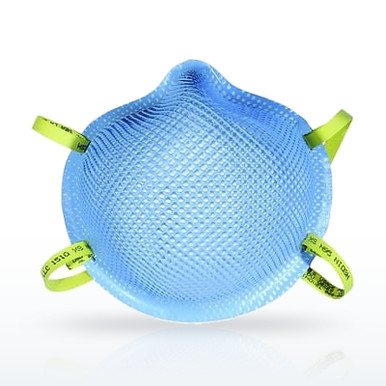
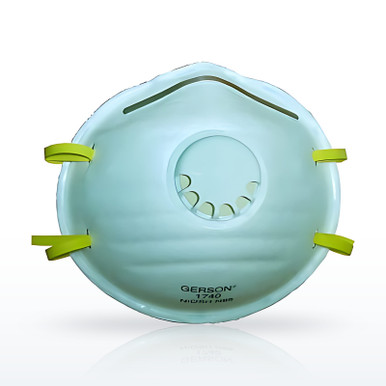
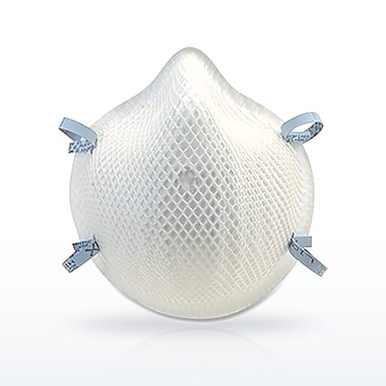
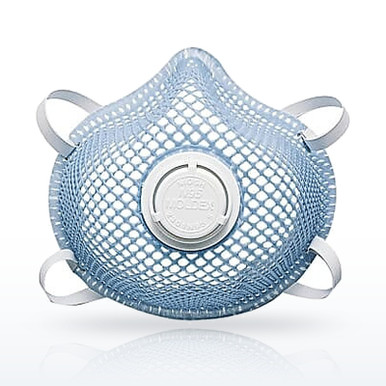
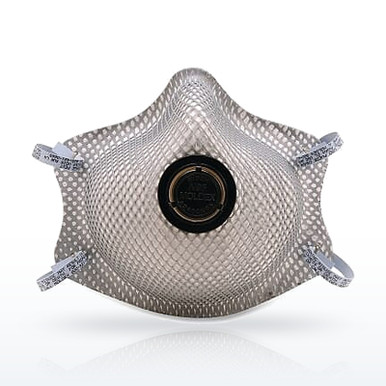
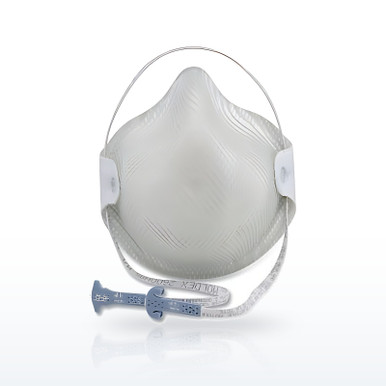
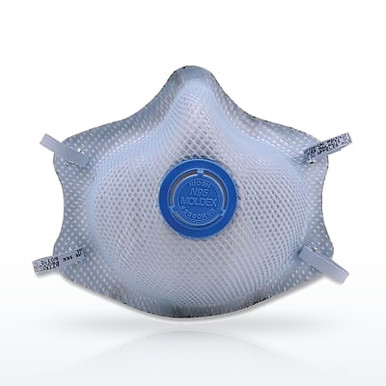
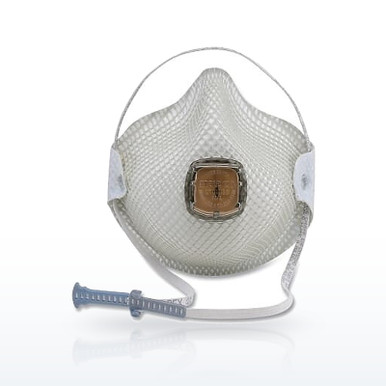
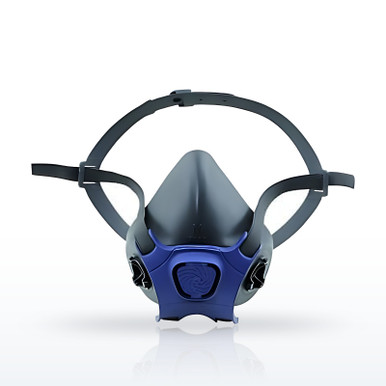


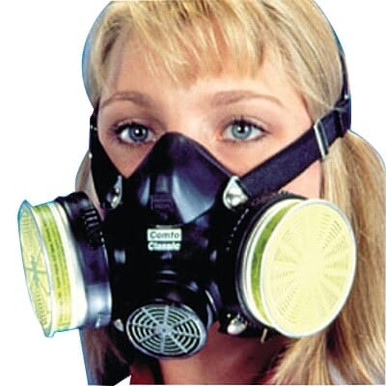
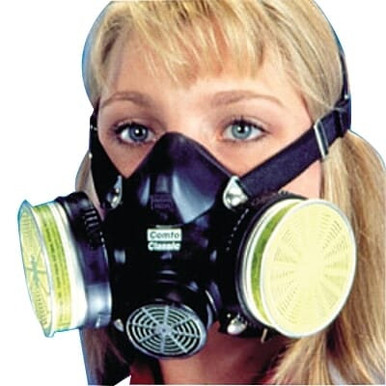
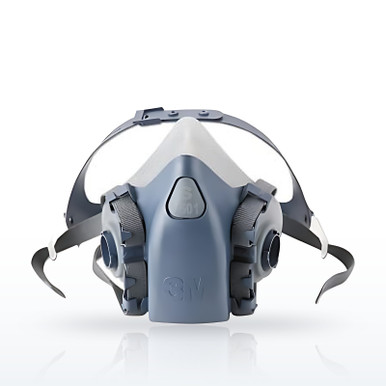

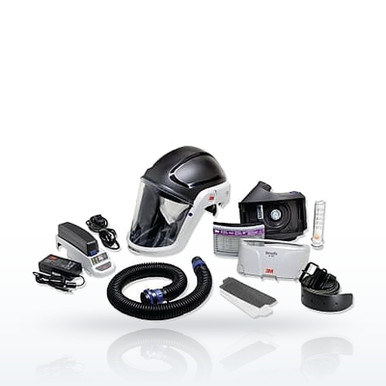
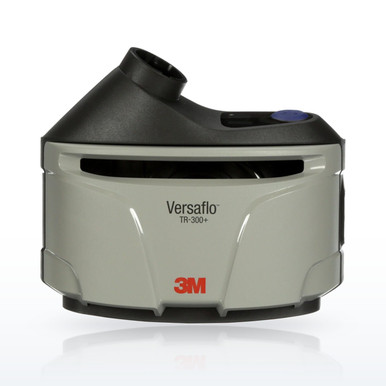
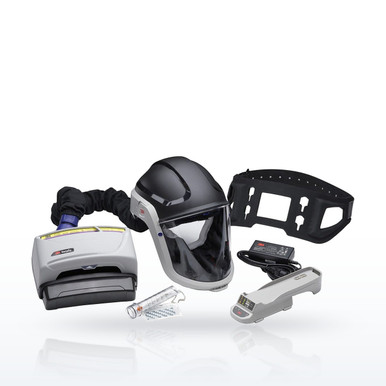
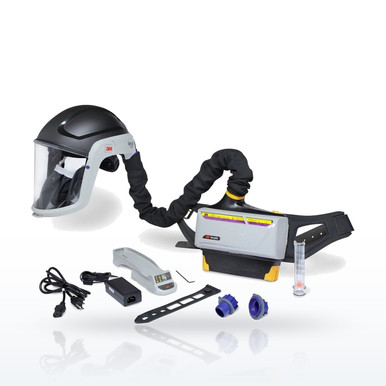
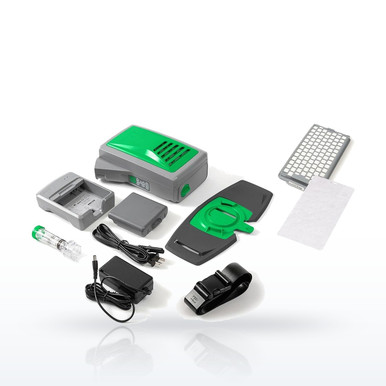
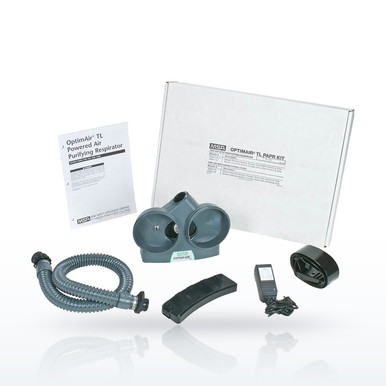
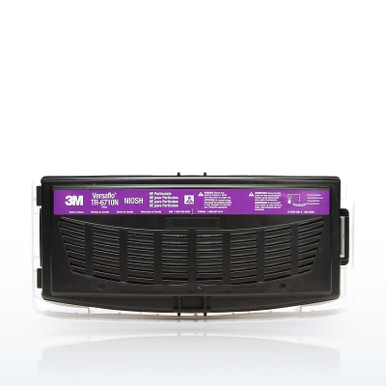

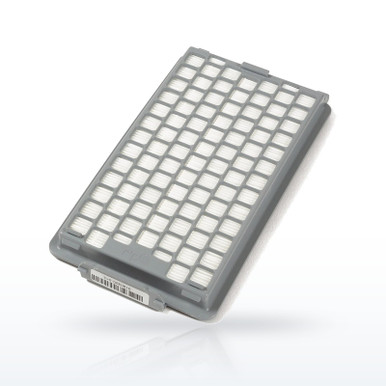
Full facepieces (APF 50) and supplied-air systems are in the respirator selector.
Questions people ask
Does OSHA require a respirator for cutting concrete?
Only in the cases Table 1 names. A handheld saw with water on the blade needs no respirator outdoors for up to 4 hours; it needs APF 10 over 4 hours or any time indoors. Dry cutting is not a Table 1 method, so the employer must measure exposure and keep it under the PEL, with respirators where controls cannot. (1926.1153(c)(1) Table 1(ii); (d).)
Is an N95 good enough for silica?
An N95 is a half-mask filtering facepiece, APF 10, and silica is an oil-free dust, so it meets every Table 1 line that says APF 10, provided it is fit tested and part of a program. It does not meet APF 25. (1910.134 Table 1; (d)(3)(iv)(B).)
What is the silica PEL?
50 micrograms of respirable crystalline silica per cubic meter of air, as an 8-hour time-weighted average. The action level is 25. (1926.1153(d)(1); 1910.1053(c).)
When is APF 25 required?
On Table 1, only for handheld grinders used for mortar removal (tuckpointing) for more than 4 hours in a shift. (1926.1153 Table 1(xi).)
Do I need a P100 or will an N95 do?
Both are accepted particulate filters for silica. P100 is oil-proof and stops at least 99.97 percent at the test size; N95 stops at least 95 percent and is restricted to oil-free air. The employer picks within the APF line Table 1 or the exposure assessment requires. (42 CFR 84.170(a).)
Does silica work require a medical exam?
Medical surveillance is required for employees who must wear a respirator under the construction standard 30 or more days a year, and in general industry for those exposed at or above the action level 30 or more days a year. It includes a chest X-ray. (1926.1153(h); 1910.1053(i).)
Can a dust mask with one strap be used?
No. The respirator must be NIOSH-certified and fit tested under 1910.134. Single-strap nuisance dust masks are not certified respirators. (1926.1153(e)(1); 1910.134(d)(1)(ii).)
Does the general-industry silica standard have a Table 1?
No. 1910.1053 relies on the PEL and exposure assessment; Table 1 is in the construction standard only. (1910.1053(c) and (d).)
Standards and ratings on this page are as published in the documents named and by the manufacturers named. The employer’s hazard assessment and written program decide what applies at a given workplace. Verify a rating on the product and its spec sheet before use.