
What is a user seal check, and how is it different from a fit test?
A user seal check is a 10-second check you do yourself every time you put on a tight-fitting respirator: cover the filters and breathe in, or cover the exhalation valve and breathe out, and feel whether air leaks at the edge. It confirms the mask is seated on your face right now. A fit test is different: a trained person runs a 15-to-20-minute protocol with a test agent or an instrument to prove that a particular make, model and size of respirator can seal on your face at all. The fit test happens before first use and once a year; the seal check happens every time, and OSHA says in plain words that one is not a substitute for the other.
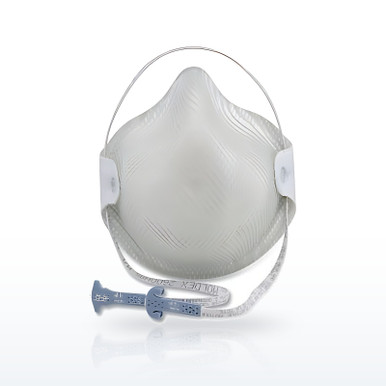
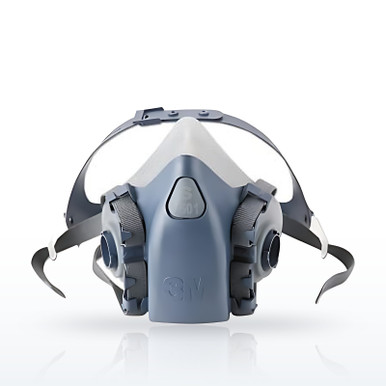 3M half facepiece respiratorReusable half mask; seal check by covering the filters
Why does OSHA require both? A fit test proves the respirator can seal on you. It does not prove it is sealed this morning, after you pulled the straps on in a hurry, with a strap twisted, a bit of stubble, or safety glasses pushed under the edge. A tight-fitting respirator protects only while it is sealed, so the standard adds a check the wearer does alone, every time, with no equipment. The seal check catches the daily problems; the fit test catches the wrong mask. Neither one does the other’s job.
Seal check or fit test: what is the difference?
Six ways to tell them apart.
How do you do a user seal check?
- Negative pressure check. Cover the inlet of the cartridges or filters with your palms, or with the filter covers. If the cartridge opening is shaped so a palm cannot cover it, a thin nitrile or latex glove over the inlet works. Inhale gently so the facepiece collapses slightly and hold your breath for 10 seconds. If the mask stays collapsed and you feel no air coming in at the edge, the seal is good.
- Positive pressure check. Close off the exhalation valve and exhale gently. The seal is good if a slight pressure builds inside the facepiece with no air escaping at the edge. On most respirators you remove the exhalation valve cover first, close the valve, then put the cover back.
- On an N95 or other filtering facepiece. The whole mask is the filter, so you cannot cover the inlet. Use the manufacturer’s method: cup both hands over the mask without moving it and exhale sharply; if air leaks around the nose, reseat the nose clip; if it leaks at the edges, adjust the straps. The standard allows a manufacturer method the employer has shown to be as effective as Appendix B-1.
- If it leaks. Reposition the mask, adjust the straps, reseat the nose piece, and check again. If it still leaks, do not enter the work area with that respirator.
Which respirators need a seal check?
Every tight-fitting respirator, meaning any respirator with a facepiece that seals to the face: N95 and other filtering facepieces, elastomeric half masks, full facepieces, and tight-fitting PAPR and supplied-air facepieces. Loose-fitting hoods and helmets do not seal to the face, so there is no seal to check; they get no seal check and no fit test.
1910.134(g)(1)(iii): all tight-fitting respirators; 1910.134(b) definitions of tight-fitting facepiece and loose-fitting facepiece.Facial hair in the seal area and anything else that breaks the seal are prohibited outright, and glasses or other PPE have to be worn so they do not interfere with the seal. A seal check will usually catch these, but the standard does not wait for it to: the employer may not permit the respirator to be worn that way at all.
1910.134(g)(1)(i)(A) and (B); (g)(1)(ii).What does a fit test do that a seal check cannot?
A seal check is a feel test. Small leaks, the kind that let in enough contaminant to matter, do not produce a draft you can feel. The fit test puts a measurable agent outside the mask, a bitter or sweet mist, or counts particles, and runs you through breathing, head turns, talking and bending so the mask moves the way it does at work. A qualitative test gives a pass or fail at a fit factor of 100; a quantitative test gives the number. That is why the test is required before you are allowed to rely on the respirator, and the seal check is required every day after.
1910.134(f)(1), (f)(5), (f)(6) and (f)(7); Appendix A, Part I.A.14 (test exercises).During the fit test itself the subject does a seal check first. Appendix A requires it before the test exercises begin, so the test measures the mask’s fit, not a strap left loose.
Appendix A, Part I.A.8 (the test subject conducts a user seal check before the test).Does the seal check have to be written down?
No. The standard requires the employer to ensure employees do it, and to train them how, but it does not call for a record of each check. Fit tests are recorded; seal checks are a trained habit. Training must cover how to inspect, put on, remove, use and check the seals of the respirator, before first use and annually.
1910.134(k)(1)(iv), (k)(3) and (k)(5); (m)(2) records cover fit tests only.Tight-fitting respirators that take a user seal check
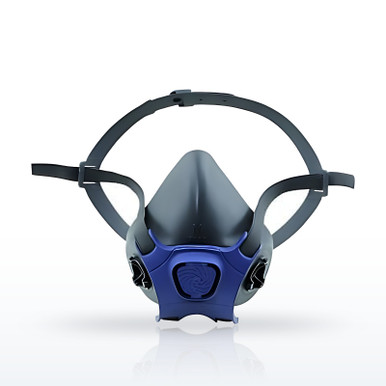
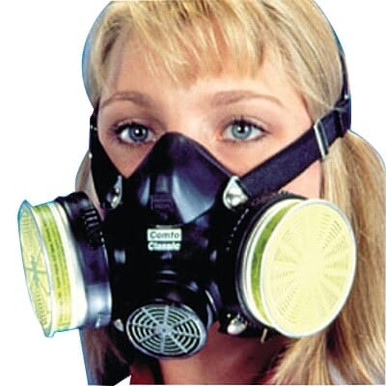
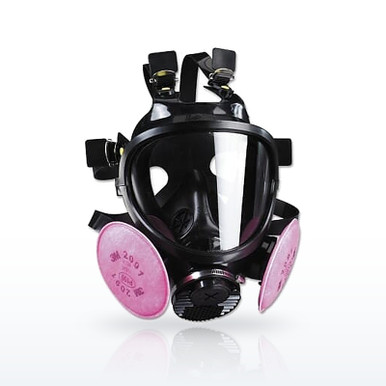
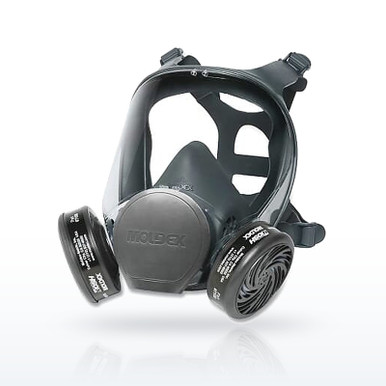
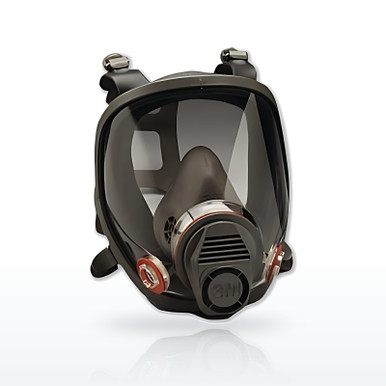
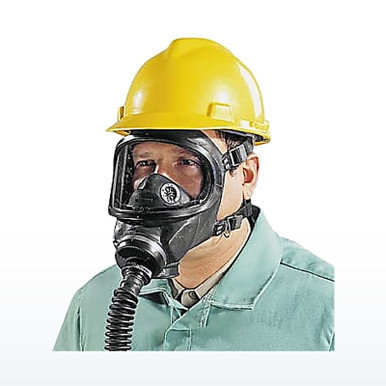
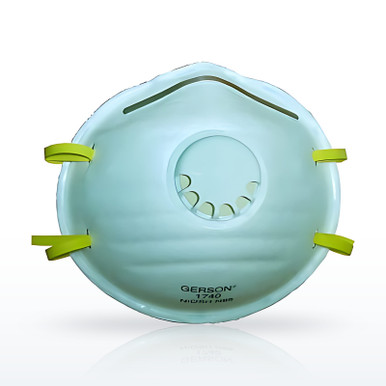
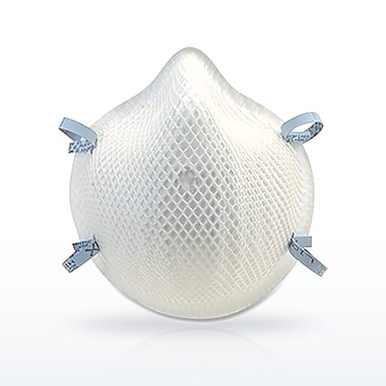
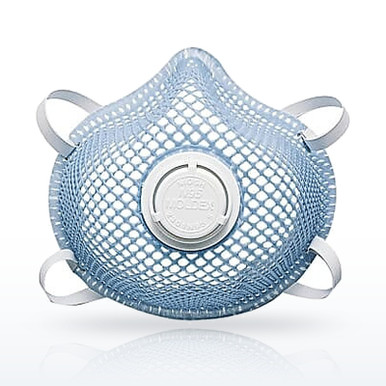
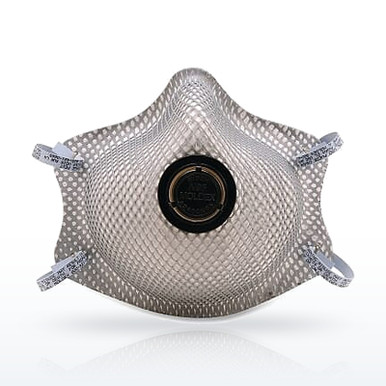
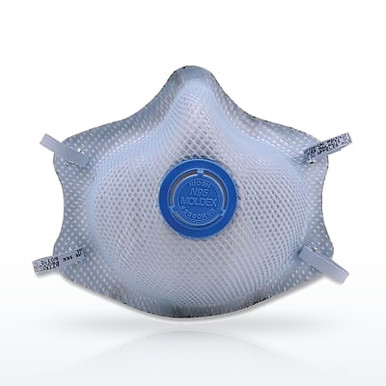
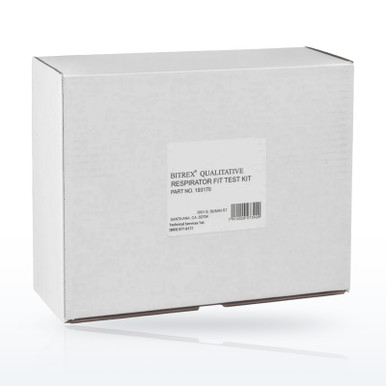
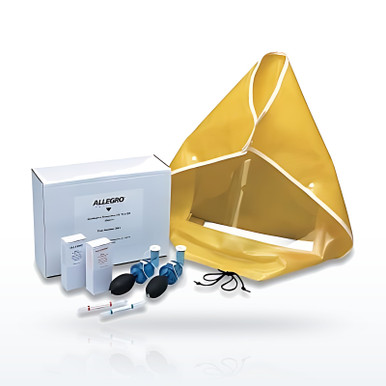
27 items · prices liveRespirator type is as published by the manufacturer. Each of these seals to the face, so it needs a fit test before first use and a seal check every time it goes on. Free shipping on orders over $199.





Loose-fitting PAPR hoods and helmets, which need neither check, are in the respirator selector.
Questions people ask
What is a user seal check?
A check the wearer does each time a tight-fitting respirator is put on, by covering the filters and inhaling (negative pressure) or covering the exhalation valve and exhaling (positive pressure), to confirm the mask is sealed to the face. It is required by 1910.134(g)(1)(iii) and described in Appendix B-1.
Is a seal check the same as a fit test?
No. The fit test is a protocol run by a trained person that proves a specific make, model and size seals on you; it is done before first use and annually. The seal check is your own 10-second check every time. Appendix B-1 says seal checks are not substitutes for fit tests.
How often is a user seal check required?
Every time the respirator is put on.
Can I do a seal check on an N95?
Yes, with the manufacturer’s method: cup your hands over the mask and exhale, then inhale, and feel for leaks at the nose and edges. The standard allows a manufacturer method the employer shows is as effective as Appendix B-1.
Does a PAPR need a seal check?
Only if it has a tight-fitting facepiece. A loose-fitting hood or helmet does not seal to the face, so there is nothing to check and no fit test either.
How long do you hold a negative pressure check?
Ten seconds, with the facepiece slightly collapsed. If it stays collapsed and no air leaks in, the seal is satisfactory.
Does OSHA require a record of each seal check?
No. Fit tests are recorded under 1910.134(m)(2); seal checks are not.
What if the seal check fails?
Adjust the mask and straps and check again. If it still leaks, do not use that respirator in the contaminated area; tell your supervisor or program administrator, who may need to retest you on a different size or model.
Standards and ratings on this page are as published in the documents named and by the manufacturers named. The employer’s hazard assessment and written program decide what applies at a given workplace. Verify a rating on the product and its spec sheet before use.