
What is a barricade, and when does OSHA require one?
A barricade is a physical barrier set up to keep people or vehicles out of an area: an A-frame, a plastic or wood Type I, II or III barricade with striped rails, a jersey barrier, a fence panel, a line of cones. OSHA’s construction definition is an obstruction to deter the passage of persons or vehicles. Barricade tape is not a barricade; it is a warning. OSHA requires barricades or equivalent protection around open excavations near walkways and roads, under overhead work, at the edge of a drop, around hazardous equipment and in traffic work zones laid out to the MUTCD, and it lets a barricade stand in for a flagger or a guardrail only where the rule says so.
 Cortina plastic 2-board A-frame barricadeMUTCD-style striped rails on a folding A-frame
Why is the distinction between a barricade and tape the point? Because people walk through tape. A barricade is something a person has to climb over or move; it works on a visitor who does not read the sign and on a driver who does not see the cone until the last second. OSHA inspectors and courts treat tape as a warning device and a barricade as a barrier, and a rule that calls for a barricade is not met with tape. The right answer in most work zones is both: a barricade where the hazard is, tape and signs to mark the boundary.
When does OSHA require a barricade?
The construction standard uses the word in a handful of places; general industry uses it under the walking-working surfaces and signs rules.
What is the OSHA definition?
Construction (1926.203): a barricade means an obstruction to deter the passage of persons or vehicles. The same section defines signs as warnings of hazards, signals as moving signs given by workers or devices, and tags as temporary warnings on tools, equipment and structures. Barricade tape is a tag or a sign in that scheme, not a barricade. The traffic rules in 1926.200(g) and 1926.202 then say that barricades used for the protection of workers from traffic shall conform to the MUTCD.
29 CFR 1926.203 (definitions); 29 CFR 1926.200(g)(2); 29 CFR 1926.202.MUTCD barricade types and what they are for
| Device | What it is | Where the MUTCD uses it |
|---|---|---|
| Type I barricade | One striped rail on a frame, about 24 inches wide and 36 inches high | Channelizing and marking on low-speed roads and in work zones |
| Type II barricade | Two striped rails on a frame | Channelizing on higher-speed roads; more visible than Type I |
| Type III barricade | Three striped rails, 4 feet or more wide, 5 feet high | Road closures and the end of a closed lane or road; the device for closing a road to traffic |
| Direction indicator barricade | One striped rail with a large arrow | Tapering traffic out of a closed lane |
| A-frame barricade | A folding two-leg frame with one or two striped boards | Short-term closures, sidewalks, parking lots, indoor hazard areas |
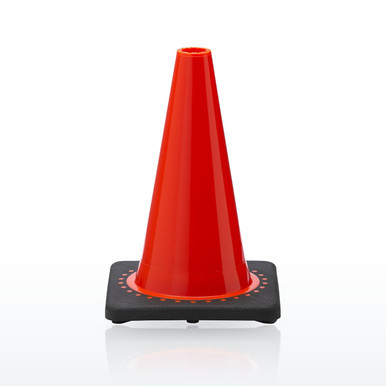
| Cones, drums, tubular markers | Channelizing devices, not barricades | Guiding traffic; a cone line marks, it does not close |
Striping on MUTCD barricade rails is orange and white, sloping down toward the side traffic passes, retroreflective, 6 inches wide (4 inches on rails under 36 inches). Barricades used at night carry warning lights where the MUTCD requires them. Pedestrian closures need a detectable edge for cane users, which tape and cones do not provide; a longitudinal channelizing device or a barricade with a bottom rail does. The 2023 MUTCD must be adopted by states by 2025, with some phase-in for existing devices.
MUTCD 11th edition (2023) Part 6, sections 6K (channelizing devices) and 6L (barricades), Figure 6K-1; FHWA adoption rule, 23 CFR 655.
What is the difference between a barricade, a warning line and barricade tape?
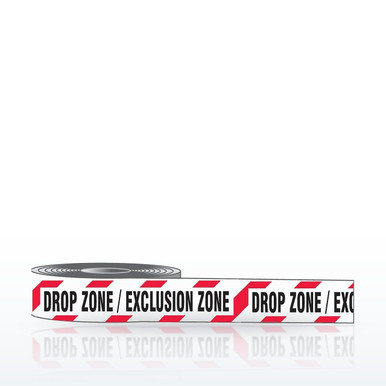
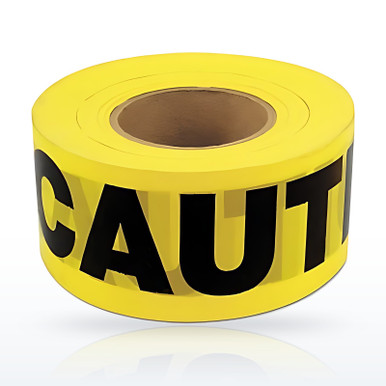
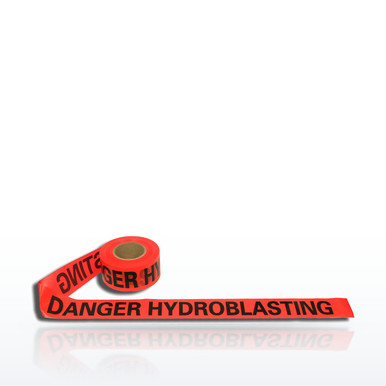
A barricade is a physical obstruction. A warning line is a fall-protection system on a roof: a rope, wire or chain on stanchions, flagged at intervals, set back from the edge to keep workers in a safe zone; it is defined in 1926.502(f) with its own height, strength and setback rules and is not a barricade. Barricade tape is a marking: it tells a person something is beyond the line and what (Caution, Danger, Do Not Enter), and it is the right tool for marking a boundary where a physical barrier is impractical or where the rule only requires a warning. Where the hazard is a fall, an open hole or traffic, tape alone does not meet the requirement.
29 CFR 1926.502(f) (warning line systems); 29 CFR 1926.203; 29 CFR 1910.145(f) (accident prevention tags); OSHA letters of interpretation on barricade tape for fall hazards.What are the rules for barricades around excavations?
- Walkways across excavations need guardrails where the walkway is 6 feet or more above the lower level.
- Where mobile equipment works near the edge and the operator cannot see it, a warning system is required: barricades, hand or mechanical signals, or stop logs.
- Loose rock and soil are kept from falling in by scaling, by keeping spoil and equipment at least 2 feet from the edge, or by protective barricades on the face.
- The federal standard does not itself require perimeter barricades around every excavation; most state rules, local permits and site safety plans do where the public or other workers can approach, and OSHA cites unprotected edges under the fall protection and general duty rules.
What about indoors and general industry?
General industry has no single barricade rule; it uses the walking-working surfaces standard for holes and openings (covers and guardrails, not tape), the signs standard for marking hazard areas, and the general duty clause for keeping people out of danger. In practice, plants and warehouses use A-frame barricades, folding barriers and retractable belt barriers at wet floors, repair areas, open pits and machine work, with Danger and Caution signage to 1910.145, and barricade tape to mark the boundary of a larger area. A barricade with a sign on it is doing both jobs.
29 CFR 1910.28(b)(3) (holes); 29 CFR 1910.145 (signs and tags); OSH Act section 5(a)(1).Barricades, cones and barricade tape
18 items · prices liveDevices are described as the manufacturer publishes them; MUTCD compliance for road use is stated on the product page where the manufacturer claims it. Free shipping on orders over $199.
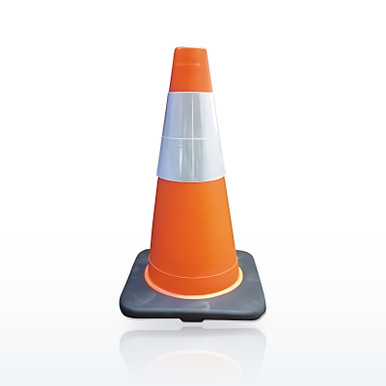

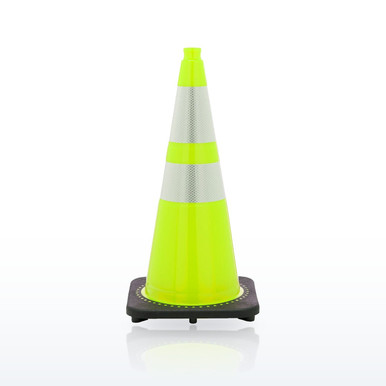
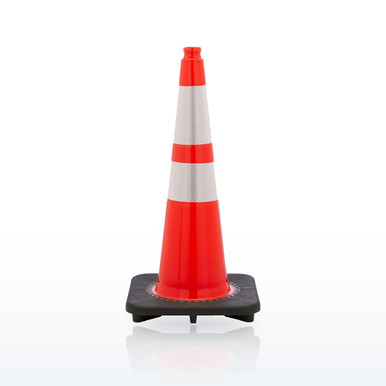
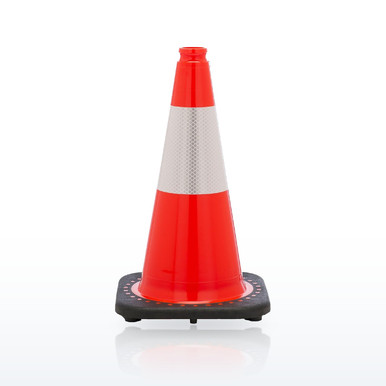



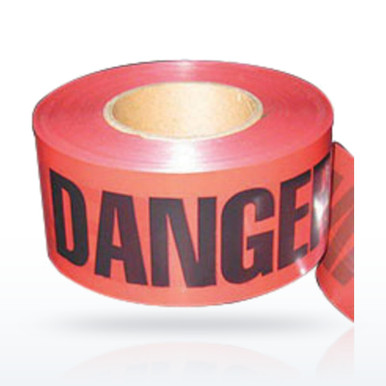
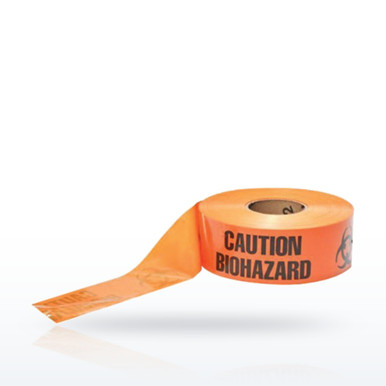
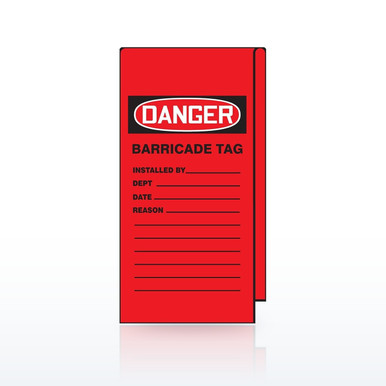
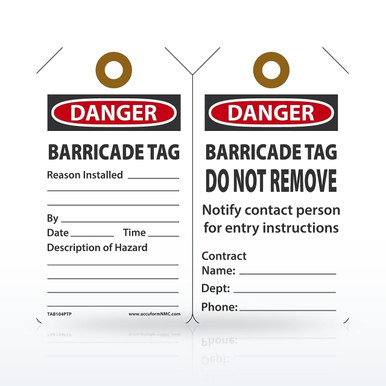
Type III barricades, drums, delineators and warning lights are quoted on request.
Questions people ask
What is the meaning of a barricade?
A physical obstruction set up to keep people or vehicles out of an area. OSHA’s construction definition: an obstruction to deter the passage of persons or vehicles. (1926.203.)
Is barricade tape a barricade?
No. Tape is a warning that marks a boundary; a barricade is a barrier a person has to climb over or move. Where OSHA requires a barricade or a guardrail, tape alone does not satisfy it.
What is a Type III barricade?
The three-rail MUTCD barricade, at least 4 feet wide and 5 feet high, used to close a road or lane to traffic. Type I and II have one and two rails and are used to channelize.
When does OSHA require barricades around an excavation?
As a warning system where mobile equipment works near an edge the operator cannot see, as protection on the face against falling material, and as fall protection at edges that are not readily visible; walkways over excavations need guardrails at 6 feet. (1926.651(f), (j)(1), (l); 1926.501(b)(7).)
What color is a barricade?
MUTCD traffic barricades are striped orange and white, retroreflective, with the stripes sloping down toward the side traffic passes. Indoor and non-traffic barricades are commonly yellow and black or red and white, matching the Caution and Danger sign colors.
What is the difference between a barricade and a warning line?
A warning line is a roof fall-protection system of rope or chain on stanchions set back from the edge (1926.502(f)). A barricade is a physical barrier to passage. Different rules, different jobs.
Does a cone line count as a barricade?
Under the MUTCD cones are channelizing devices that guide traffic; they do not close a road. A line of cones marks a boundary; a barricade blocks it.
Standards and ratings on this page are as published in the documents named and by the manufacturers named. The employer’s hazard assessment and written program decide what applies at a given workplace. Verify a rating on the product and its spec sheet before use.