
What is a PAPR, and when is one used instead of a tight-fitting mask?
A PAPR is a powered air-purifying respirator: a battery-driven blower, usually worn on the belt, that pulls air through filters or cartridges and pushes it through a hose to a hood, helmet, or facepiece. The wearer breathes filtered air with no effort, and the headtop stays at positive pressure, so leaks go out instead of in. OSHA rates a PAPR by its headtop: a loose-fitting facepiece is APF 25, a tight-fitting half mask 50, a full facepiece 1,000, and a hood or helmet 25 or 1,000 depending on the manufacturer’s test data. A PAPR is used instead of a tight-fitting mask when the worker has a beard, when the medical evaluation rules out breathing against a negative-pressure mask, when the job needs more protection than a half mask gives, or when heat, hours and comfort make a sealed mask impractical. It is still an air-purifying respirator: it cannot be used in IDLH or oxygen-deficient air, and its cartridges still need a change schedule.
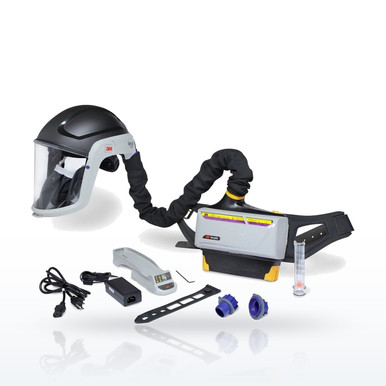
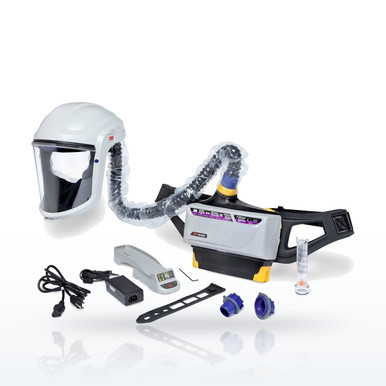
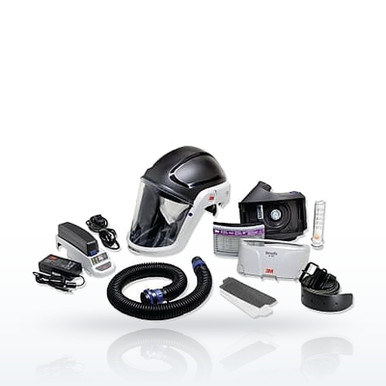 3M Versaflo TR-300N+ heavy industry PAPR kitBelt-mounted blower, HE filter, breathing tube and headtop
Why does a blower change the protection so much? A negative-pressure mask relies on the wearer’s own inhalation, which pulls the facepiece inward and pulls air through any gap in the seal. A PAPR reverses the pressure: the blower delivers more air than the wearer breathes, so the inside of the headtop is slightly above room pressure and air leaks outward. That is why a full facepiece goes from APF 50 to 1,000 when a blower is added, and why a hood with no face seal at all can be rated 25 or 1,000. It is also why the blower must keep up: a dying battery or a clogged filter drops the flow, and the protection with it.
What are the parts of a PAPR?
NIOSH defines a PAPR by its components. Each is a certified part of the approved assembly, and they are not mixed across makers.
What APF does a PAPR give, compared with a plain mask?
| Headtop | Air-purifying respirator (no blower) | PAPR |
|---|---|---|
| Half mask (tight-fitting) | 10 | 50 |
| Full facepiece (tight-fitting) | 50 | 1,000 |
| Helmet or hood (loose-fitting) | not applicable | 25, or 1,000 with manufacturer test evidence |
| Loose-fitting facepiece | not applicable | 25 |
A helmet or hood PAPR gets APF 1,000 only when the employer has evidence from the manufacturer that testing shows performance at a level of 1,000 or greater, such as a workplace protection factor or simulated workplace protection factor study. Without it, helmets and hoods are treated as loose-fitting facepieces at APF 25. The APFs apply only inside a full respiratory protection program.
29 CFR 1910.134(d)(3)(i)(A) Table 1, rows 1 and 2, and notes 2 and 4.
How does NIOSH class PAPR filters?
NIOSH certifies powered air-purifying particulate respirators in two classes and three series. HE is the long-standing class, tested by loading the whole respirator with silica dust for 4 hours at the rated flow. PAPR100-N and PAPR100-P are the newer class, tested the way N and P filters for non-powered respirators are tested, with salt or oil aerosol at 85 liters per minute; the N series is restricted to oil-free workplaces and the P series handles oil. All three must stop at least 99.97 percent, the same figure as a P100 or a HEPA filter. There is no 95 percent class for a PAPR.
42 CFR 84.170(b)(1) through (b)(3); 42 CFR 84.179; 42 CFR 84.180.Gas and vapor cartridges on a PAPR are subject to the same rule as on any air-purifying respirator: an ESLI certified for the contaminant, or a change schedule based on objective data, written into the program. A PAPR moves far more air through its cartridges than a wearer would breathe, so a manufacturer’s service-life figure for a PAPR cartridge is not interchangeable with the figure for the same chemical on a half mask.
1910.134(d)(3)(iii)(B).When is a PAPR used instead of a tight-fitting mask?
- Facial hair. A tight-fitting respirator may not be worn with hair in the seal; a loose-fitting PAPR headtop has no seal and no fit test. This is the most common reason on an industrial site.
- Medical limitation. If the PLHCP finds a condition that makes a negative-pressure respirator a risk, the employer must provide a PAPR if the PLHCP finds the employee can use one.
- A required APF above 10 without going to a full facepiece, or above 50: a half-mask PAPR is 50; a full-facepiece or tested hood PAPR is 1,000.
- Long shifts, heat, and heavy work, where the breathing resistance and heat of a sealed mask reduce compliance. The medical evaluation already accounts for work effort and temperature in selecting a respirator.
- Jobs that need a combined headtop: a PAPR helmet gives head protection, many hoods and visors give eye and face protection, and welding PAPRs put the blower behind a welding helmet.
- Loose-fitting PAPRs still need medical evaluation, training, inspection, cleaning, battery and flow checks, and a cartridge change schedule. Only the fit test drops away.
What can a PAPR not do?
It cannot be used in an IDLH atmosphere or where oxygen is below 19.5 percent. NIOSH approves powered air-purifying particulate respirators for atmospheres that are not immediately dangerous to life or health and that contain adequate oxygen, and OSHA requires a pressure-demand SCBA or a pressure-demand airline with auxiliary SCBA for IDLH. It also cannot be used where the employer cannot identify or estimate the exposure, because that atmosphere is treated as IDLH. And it gives only the APF of its headtop; a loose-fitting facepiece PAPR at 25 is less than a full facepiece mask at 50.
42 CFR 84.170(b)(1); 1910.134(d)(2)(i) and (iii); 1910.134(d)(1)(iii); Table 1.A tight-fitting PAPR, one with a half mask or full facepiece, is fit tested like any other tight-fitting respirator: in negative-pressure mode, with filters fitted to the actual facepiece or on an identical air-purifying facepiece used as a stand-in, regardless of how it will be operated. A loose-fitting PAPR is not fit tested.
1910.134(f)(8)(i) and (ii).PAPR systems, headtops and filters
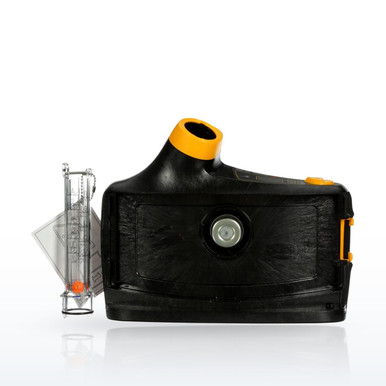
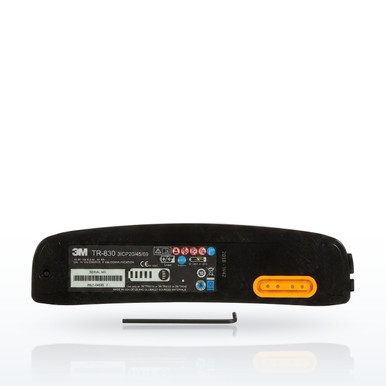
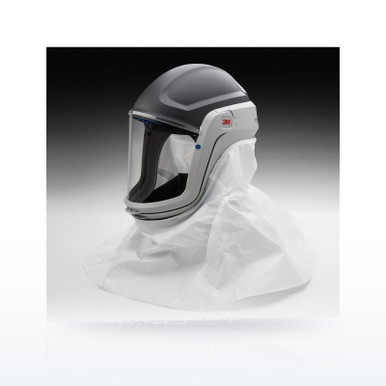
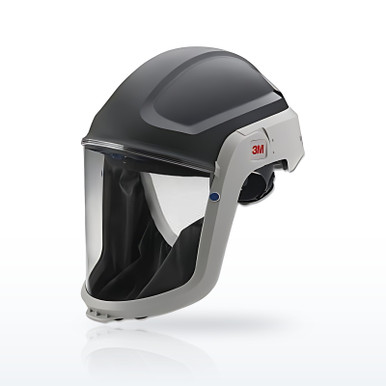
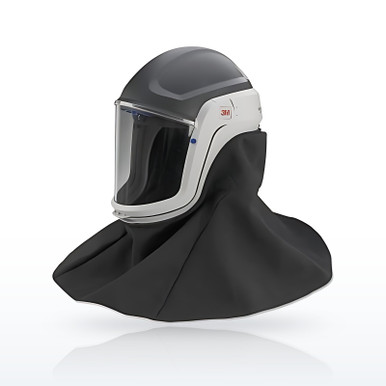
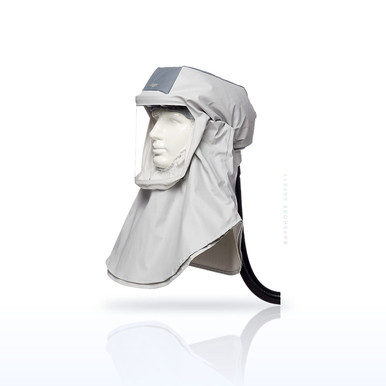
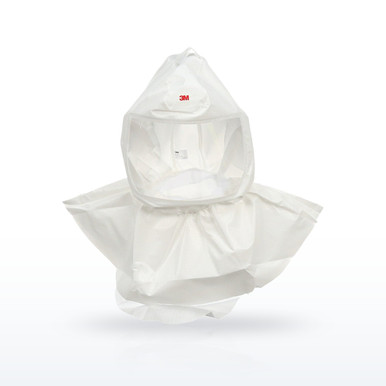
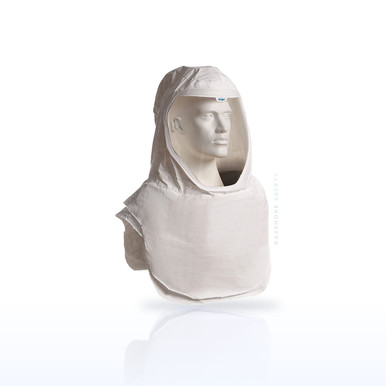
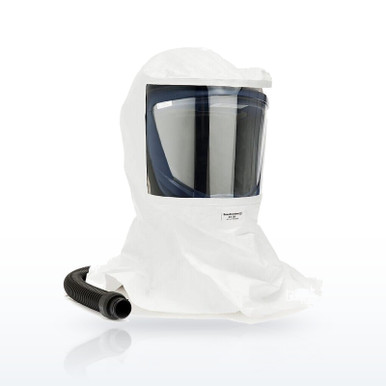
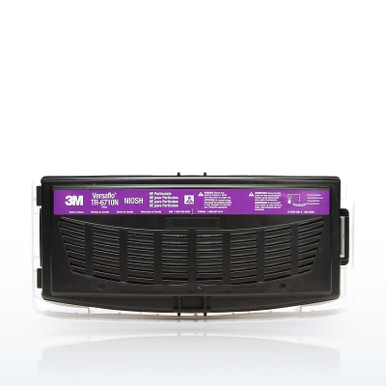
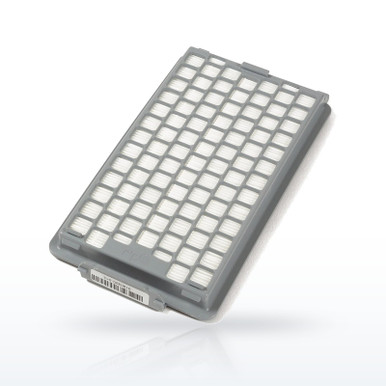
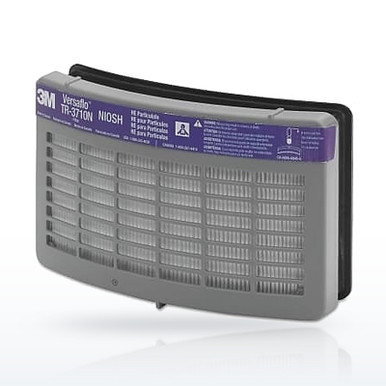
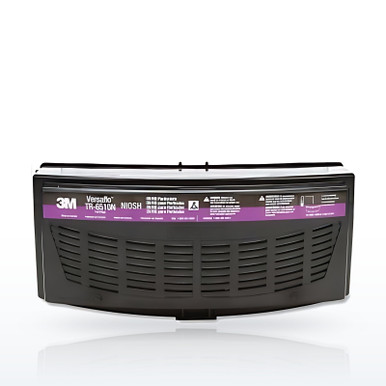
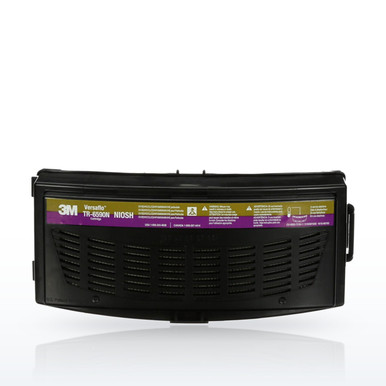
35 items · prices liveItems are grouped by what the manufacturer labels them. The APF of a complete system is set by its headtop under 1910.134 Table 1 and the manufacturer’s test data; filters and headtops are approved only with their own maker’s blower. See each spec sheet. Free shipping on orders over $199.
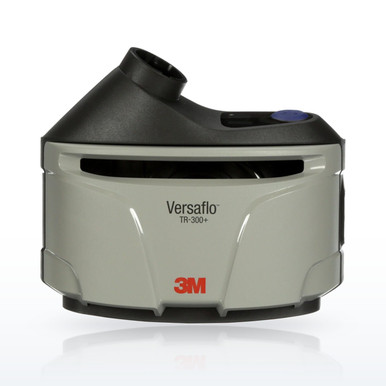
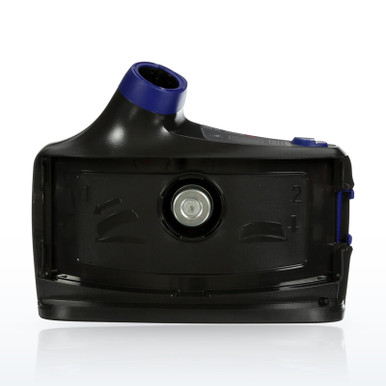
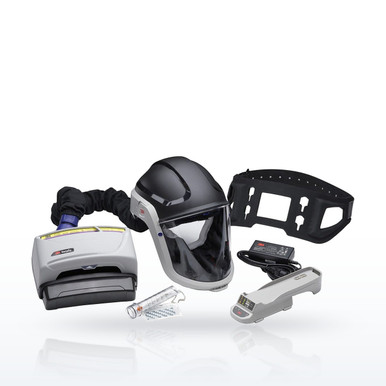
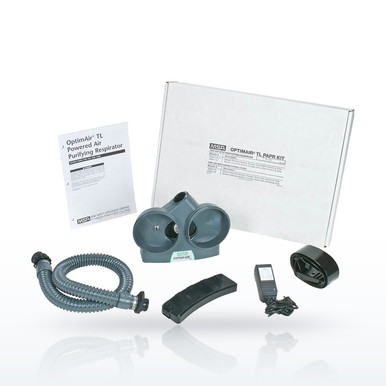
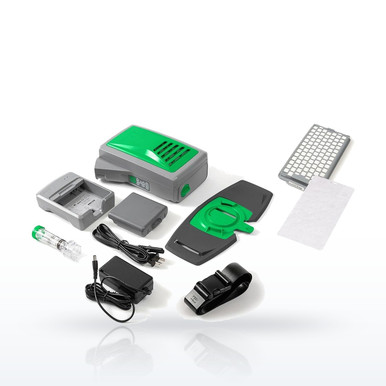
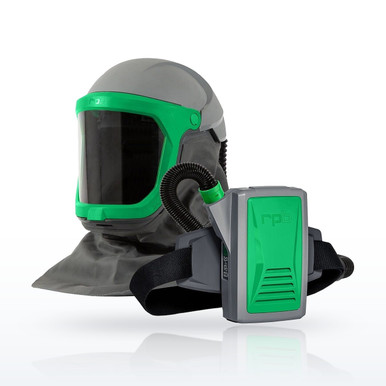
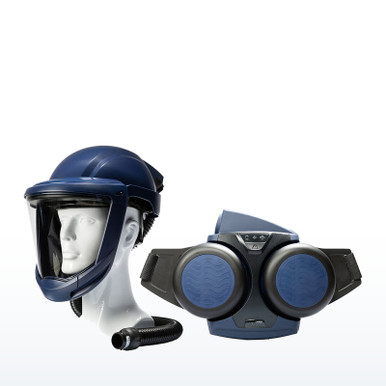
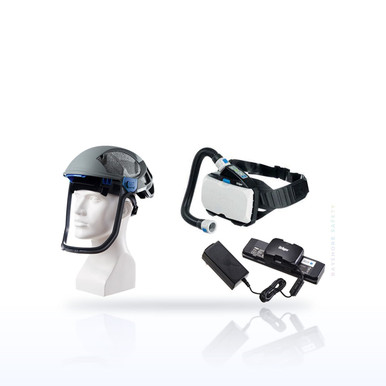
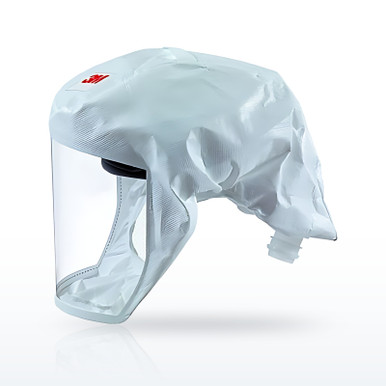
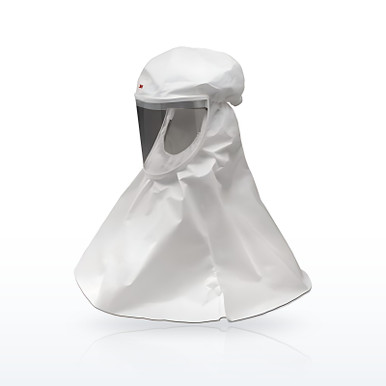
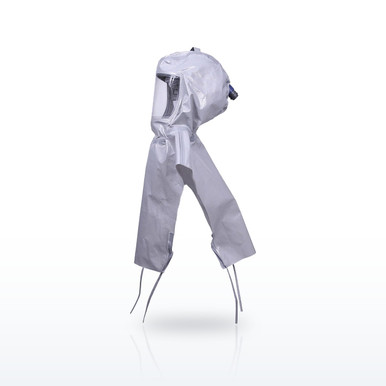






Batteries, chargers, breathing tubes and belts, and supplied-air systems, are in the respirator selector.
Questions people ask
What does PAPR stand for?
Powered air-purifying respirator: an air-purifying respirator that uses a blower to force ambient air through air-purifying elements to the inlet covering. (1910.134(b).)
What is the APF of a PAPR?
25 for a loose-fitting facepiece, 50 for a half mask, 1,000 for a full facepiece, and 25 or 1,000 for a hood or helmet depending on manufacturer test evidence. (1910.134 Table 1 and note 4.)
Does a PAPR need a fit test?
Only if the headtop is tight-fitting (half mask or full facepiece); then it is fit tested in negative-pressure mode. Hoods, helmets and loose-fitting facepieces are not fit tested. (1910.134(f)(8).)
Can you wear a PAPR with a beard?
A loose-fitting PAPR, yes; it has no face seal. A tight-fitting PAPR facepiece, no. (1910.134(g)(1)(i)(A).)
Can a PAPR be used in a confined space or IDLH atmosphere?
Not in IDLH or oxygen-deficient air. A PAPR is approved only for atmospheres that are not IDLH and contain adequate oxygen. (42 CFR 84.170(b)(1); 1910.134(d)(2).)
What is an HE filter?
The NIOSH PAPR particulate filter class: at least 99.97 percent efficient, tested by 4 hours of silica dust loading at the rated flow. PAPR100-N and PAPR100-P are the newer classes at the same efficiency. (42 CFR 84.170(b); 84.179; 84.180.)
Does a PAPR still need a medical evaluation?
Yes. Every required respirator does. The standard names a PAPR as the alternative when an employee cannot medically use a negative-pressure respirator. (1910.134(e)(1) and (e)(6)(ii).)
Can I use a half-mask cartridge on a PAPR?
No. The filters and cartridges are part of the NIOSH approval for that blower; using others voids the certification the employer must keep. (1910.134(d)(1)(ii).)
Standards and ratings on this page are as published in the documents named and by the manufacturers named. The employer’s hazard assessment and written program decide what applies at a given workplace. Verify a rating on the product and its spec sheet before use.