
What is NFPA 70E, and how does it relate to OSHA?
NFPA 70E is the National Fire Protection Association’s Standard for Electrical Safety in the Workplace. It tells an employer how to keep people from being shocked or burned by electricity: de-energize first, verify it, and when work on energized parts is justified, assess the shock and arc flash hazards, set boundaries, label the equipment and put qualified people in the right PPE. It is a consensus standard, revised every 3 years, and it is not a law. OSHA’s rules are the law: 1910.132 (PPE and hazard assessment), 1910.333 and 1910.335 (electrical work practices and electrical PPE) and 1910.269 (electric utilities). Those rules say what must be achieved; NFPA 70E says how, and OSHA treats following 70E as the recognized way to meet them.
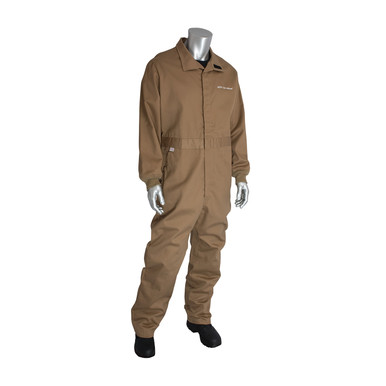
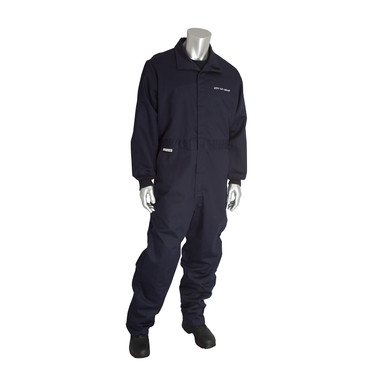
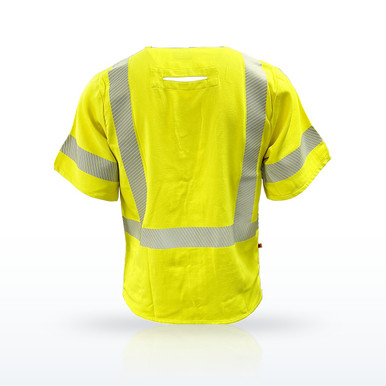
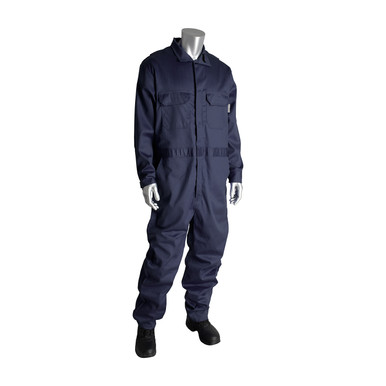 PIP 385-FRSC AR/FR dual-certified coverallArc rated 9.2 cal/cm² by the manufacturer; meets the Category 2 minimum
Why does OSHA need a standard someone else wrote? OSHA’s electrical rules were written in 1990 and say, in effect, do not let people work on live parts unless you must, and if they must, protect them from shock and arcs. They do not say how to calculate incident energy, how far back the boundary is, or what cal/cm² a shirt needs. NFPA 70E grew out of OSHA’s own request to NFPA in the 1970s for a workplace companion to the National Electrical Code, and it has filled in the how ever since. When an inspector asks whether an employer protected a worker from arc flash, the employer’s answer is almost always its NFPA 70E program, and OSHA accepts it as evidence of what a reasonable employer does.
What does NFPA 70E require?
The main pieces of the standard, in the order they apply.
What are the OSHA rules behind NFPA 70E?
1910.333, selection and use of work practices: live parts that an employee may contact are de-energized before work unless the employer can show that de-energizing introduces additional or increased hazards or is infeasible because of equipment design or operational limitations. De-energized parts are locked out or tagged. Only qualified persons may work on parts that have not been de-energized, and they must be capable of working safely on energized circuits and familiar with precautionary techniques, PPE, insulating and shielding materials, and insulated tools. That is the OSHA source of the electrically safe work condition, the energized work permit and the qualified person.
29 CFR 1910.333(a)(1), (b)(2) and (c)(2).1910.335, safeguards for personnel protection: employees in areas with potential electrical hazards are provided with and use electrical protective equipment appropriate to the body part and the work; the equipment is maintained and periodically tested as 1910.137 requires; insulating material is protected from damage; nonconductive head protection is worn where there is danger of head injury from shock or burns; and eye or face protection is worn wherever there is danger of injury from electric arcs or flashes or from flying objects from an electrical explosion. Insulated tools, fuse pullers and nonconductive ropes are required near exposed parts, and shields or barriers protect against arcing. That is the OSHA source of the PPE in Article 130.
29 CFR 1910.335(a)(1)(i) through (v) and (a)(2)(i) and (ii).1910.132, the general PPE rule: PPE is provided, used and maintained wherever hazards make it necessary; the employer assesses the workplace for hazards, selects the PPE, has each affected employee use it, and certifies the assessment in writing; and the employer pays for it. For an arc flash the hazard assessment is the arc flash risk assessment, and the written certification is the study and the labels.
29 CFR 1910.132(a), (d)(1), (d)(1)(i), (d)(2) and (h)(1).1910.269, electric power generation, transmission and distribution: the one OSHA rule that uses 70E language outright. The employer assesses the workplace for employees exposed to flames or electric arcs, makes a reasonable estimate of the incident heat energy each exposed employee faces, forbids clothing that could melt onto the skin or ignite and continue to burn (the note names acetate, nylon, polyester, rayon and polypropylene), requires a flame-resistant outer layer in listed conditions, and requires arc-rated clothing and equipment with a rating at least equal to the estimate wherever it exceeds 2.0 cal/cm², with stated exceptions for hands, feet and head. Construction has the same rule in 1926 Subpart V.
29 CFR 1910.269(l)(8)(i) through (v); 29 CFR 1926.960(g).Who is responsible for arc flash protection: employer duties under OSHA
- The employer identifies the hazard. OSHA puts the hazard assessment on the employer, in writing, and for utilities requires an actual estimate of incident energy. "We did not know the panel could arc" is not a defense; the assessment is the duty.
- The employer provides the protection, at no cost to the employee: the arc-rated clothing, face shield, gloves, insulated tools and the labels and training that go with them.
- The employer ensures it is used. The rules say employees shall use the equipment, and the employer is cited when they do not; discipline and supervision are the employer’s tools.
- The employer decides whether energized work is justified, and documents why, before anyone opens a door on live parts. Convenience and production schedules are not infeasibility.
- The employer trains and qualifies. Only qualified persons work on energized parts, and the employer determines and documents who is qualified.
- The employee has duties too, under NFPA 70E 105.3(B): comply with the program and the procedures. But the enforceable OSHA duties, and the citations, run to the employer.
- Host employers and contractors share information: the host tells the contractor about known hazards and the labels, and the contractor tells the host about hazards it finds. OSHA cites either or both depending on who controlled the exposure.
Is NFPA 70E the law?
No. NFPA 70E is not incorporated by reference into any federal OSHA rule, so an inspector does not cite "70E" on a citation. The citation names 1910.132, 1910.333, 1910.335, 1910.269 or, where no specific rule fits, the general duty clause, section 5(a)(1) of the OSH Act, which requires the employer to keep the workplace free of recognized hazards likely to cause death or serious harm. NFPA 70E is how OSHA and the employer both know what a recognized hazard and a reasonable abatement look like. Some states and many owners, utilities and general contractors do write 70E compliance into contracts and site rules, and there it is binding by contract. The National Electrical Code, NFPA 70, is a different document: it is the installation code adopted into law by states and cities, and its 110.16 is where the arc flash warning label comes from.
OSH Act section 5(a)(1); 29 CFR 1910 Subpart S; NFPA 70E-2024, 90.1 and 90.3 (scope and workplaces covered); NFPA 70 (NEC) 2023, 110.16.Arc-rated clothing and PPE by manufacturer rating
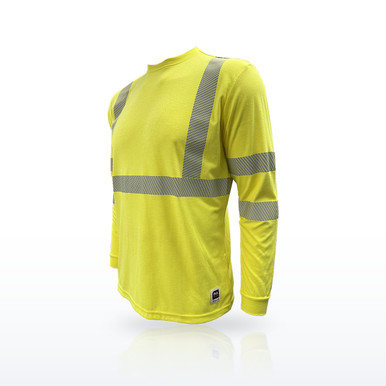
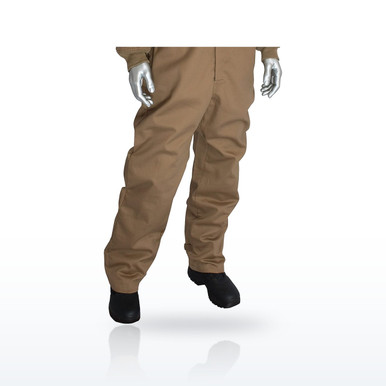
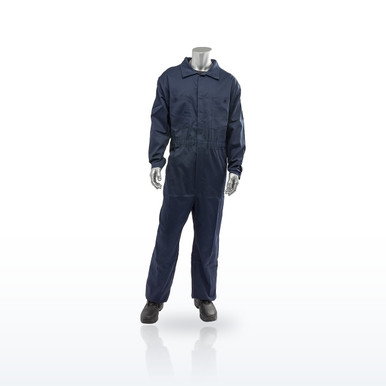
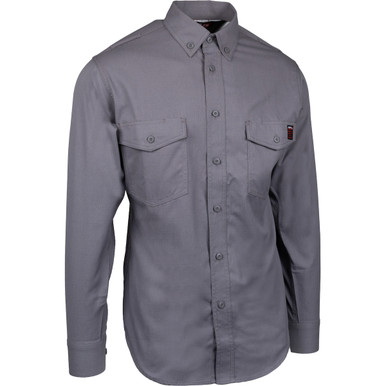
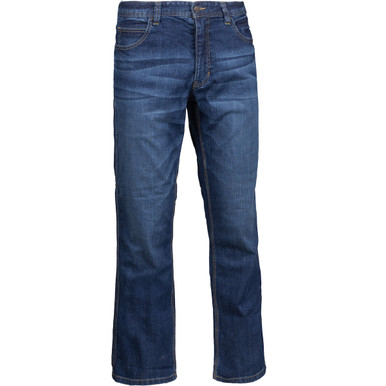
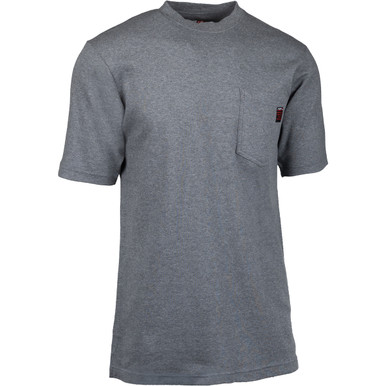
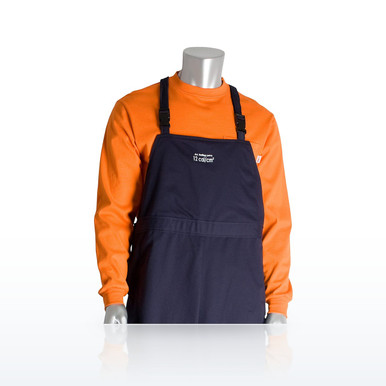
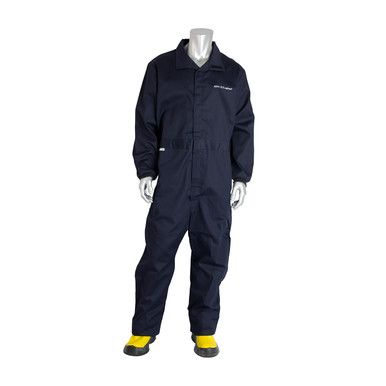
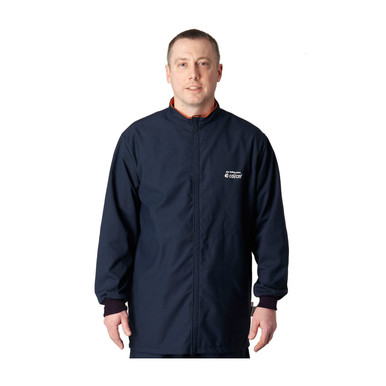
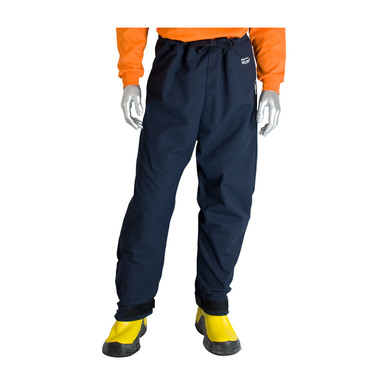
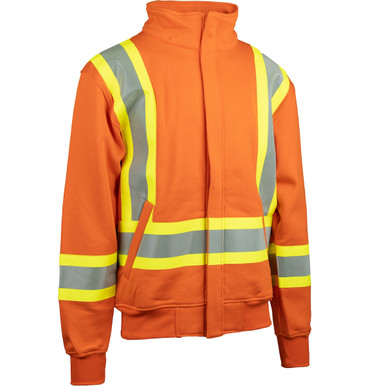
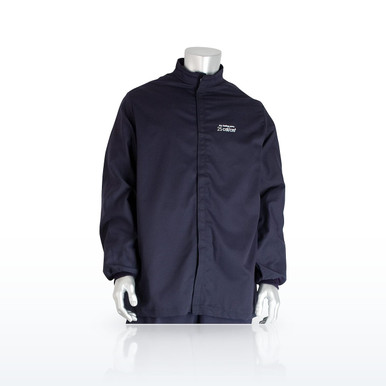
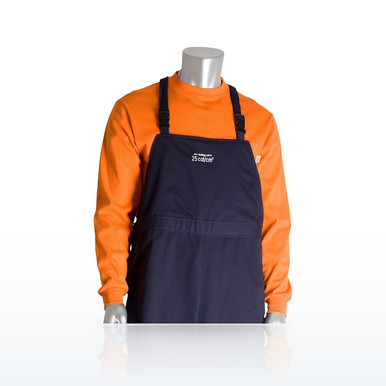
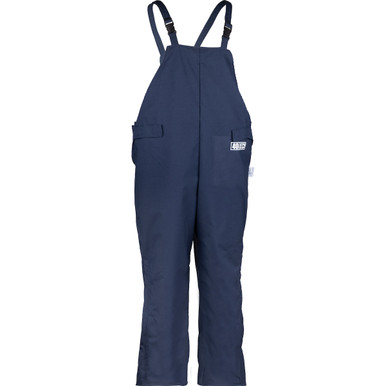
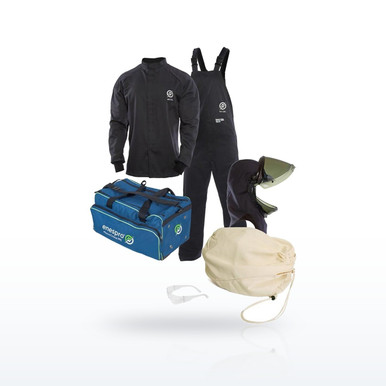
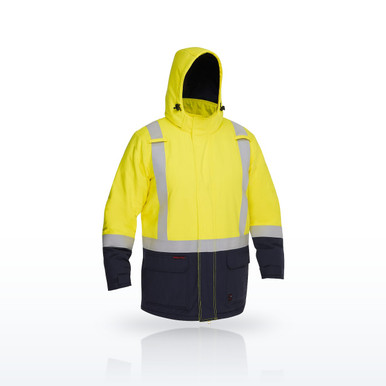
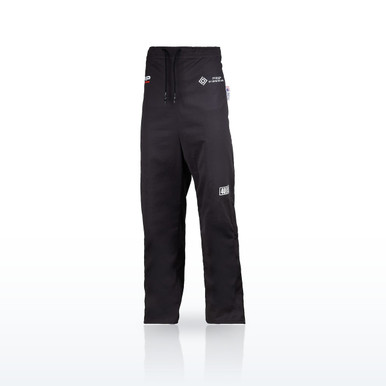
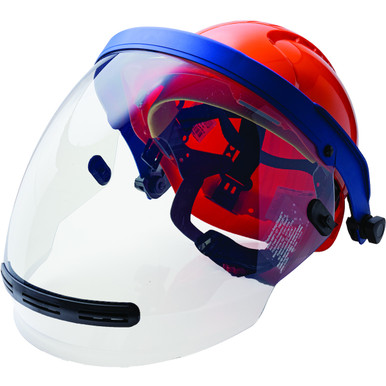
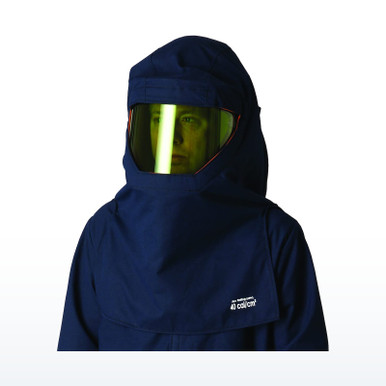
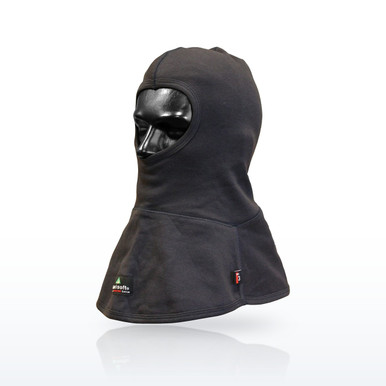
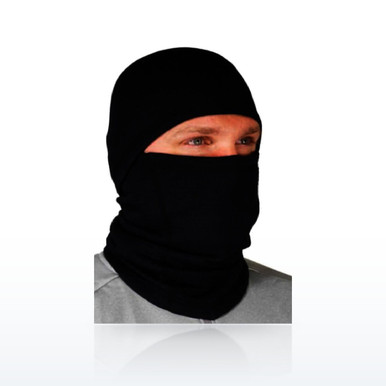
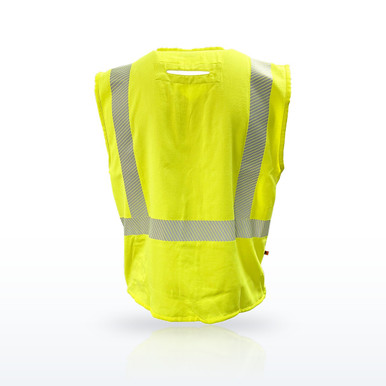
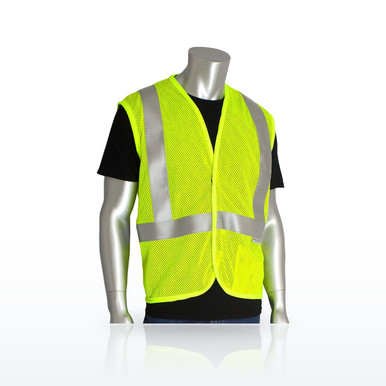
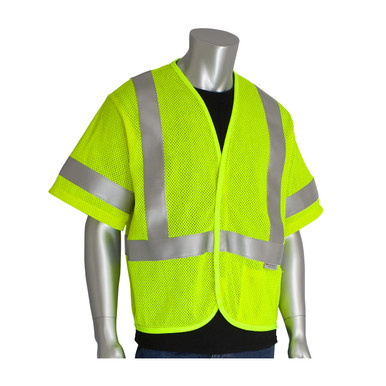
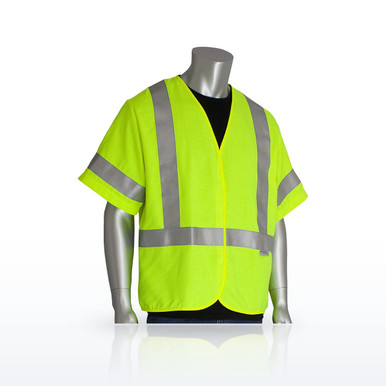
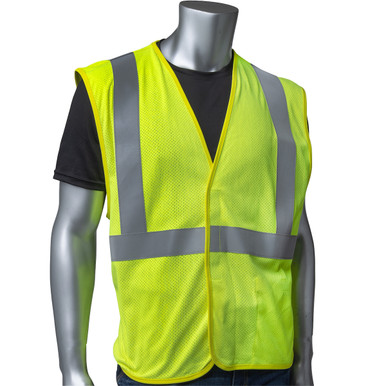
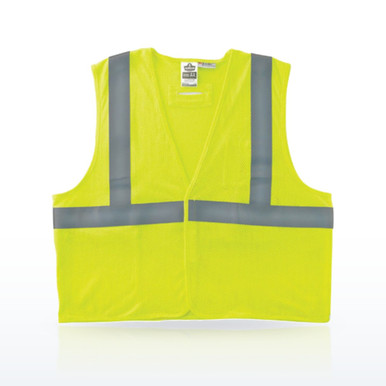
36 items · prices liveEach item shows the arc rating its manufacturer publishes under ASTM F1506 or F2178, in cal/cm². Match it to the incident energy or category on the equipment label. Free shipping on orders over $199.
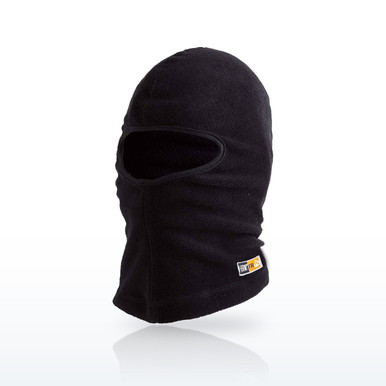
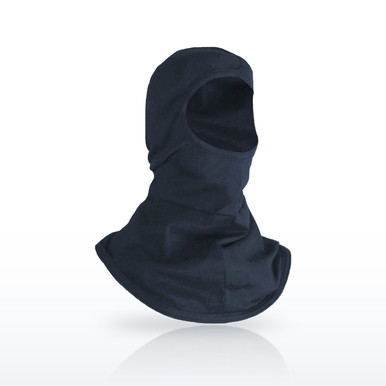
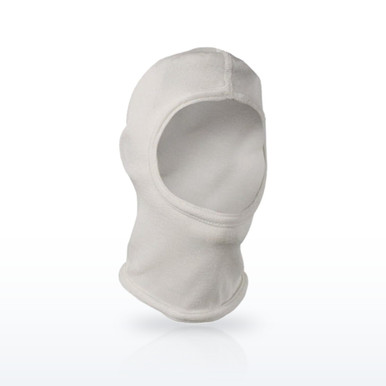
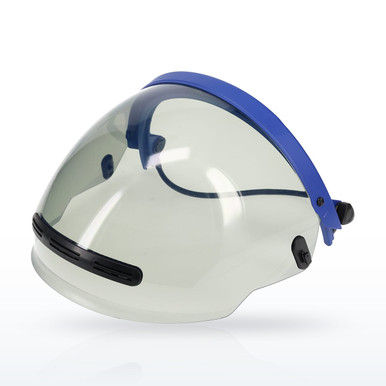

Rubber insulating gloves and leather protectors for the shock side of the rule are in the work glove selector.
Questions people ask
What does NFPA 70E stand for?
National Fire Protection Association standard number 70E, the Standard for Electrical Safety in the Workplace. The E distinguishes it from NFPA 70, the National Electrical Code.
Is NFPA 70E required by OSHA?
Not by name. OSHA enforces 1910.132, 1910.333, 1910.335 and 1910.269, which require the hazard assessment, safe work practices and PPE that NFPA 70E describes in detail. Following 70E is the accepted way to meet them.
What is the difference between NFPA 70 and NFPA 70E?
NFPA 70 is the National Electrical Code, the installation code adopted into law by states. NFPA 70E is the workplace safety standard for people who work on or near that installation. The NEC label in 110.16 and the 70E label in 130.5(H) come from the two documents.
Who is responsible for arc flash protection?
The employer: assessing the hazard, providing the PPE at no cost, ensuring it is used, deciding whether energized work is justified, and training qualified persons. (1910.132, 1910.333, 1910.335, 1910.269(l)(8).)
How often is NFPA 70E updated?
Every 3 years. The current edition is 2024; the next is 2027.
Does NFPA 70E apply to my facility?
It applies to employee workplaces of every kind with electrical installations, except those the standard excludes, which are mainly utility installations under 1910.269 and vehicles, ships and mines covered by other rules. If you have a 480-volt panel and someone who opens it, it applies.
What does the general duty clause have to do with arc flash?
Where no specific OSHA rule fits, section 5(a)(1) of the OSH Act requires the employer to keep the workplace free of recognized hazards. Arc flash is a recognized hazard, and NFPA 70E is the evidence of what abatement looks like.
Does NFPA 70E require arc flash training?
Yes. Qualified persons are trained in the hazards, the safe work practices, the PPE and the boundaries, with retraining at intervals not exceeding 3 years; OSHA 1910.332 requires training for employees who face a risk of electric shock.
Standards and ratings on this page are as published in the documents named and by the manufacturers named. The employer’s hazard assessment and written program decide what applies at a given workplace. Verify a rating on the product and its spec sheet before use.