
What has to be worn under FR clothing? Meltable fabrics and layering
Under arc-rated or FR clothing you may wear either arc-rated base layers or plain, non-melting natural-fiber garments such as 100 percent cotton, wool or silk. What you may not wear next to the skin is anything that melts: polyester, nylon, acetate, acrylic, polypropylene, polyethylene or spandex, alone or in blends, including performance T-shirts, moisture-wicking underwear and most socks and hoodie linings. In an arc or flash fire the outer FR layer stops the flame, but heat still passes through, and a melting synthetic underneath fuses to the skin and deepens the burn. A cotton T-shirt under an arc-rated shirt is allowed, but it adds nothing to the arc rating. Only arc-rated layers count, and only at the system rating the manufacturer tested.
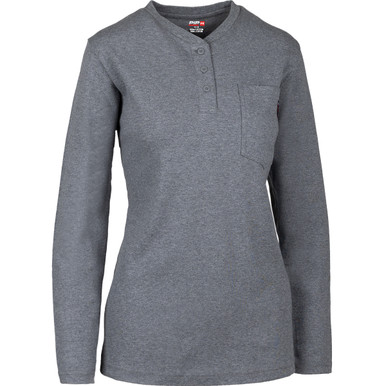
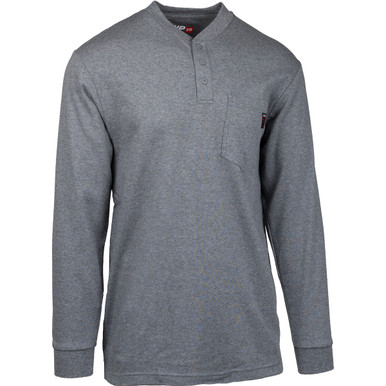 PIP 385-FRHN AR/FR long-sleeve henleyArc-rated base layer, 10.6 cal/cm² as published by PIP; NFPA 2112 and ASTM F1506 labeled
Why is the T-shirt under the FR shirt a problem? FR fabric does not make the wearer fireproof. It refuses to ignite and keep burning, and it slows the heat, but in an arc at 8 cal/cm² a good deal of heat still reaches whatever is underneath. Polyester and nylon melt at a few hundred degrees Fahrenheit, well below the temperatures inside an arc or a flash fire, so a polyester T-shirt under an FR shirt can melt and bond to the skin even though the FR shirt looks fine afterward. Burn investigators find the worst injuries under the synthetic underlayer. Cotton chars instead of melting, so it is allowed, and arc-rated base layers go further and add protection.
What do the standards say about underlayers?
The rules, from the general to the specific.
How does layering work for the arc rating?
Arc ratings do not add. The air gap between two layers often makes the pair rate higher than the sum, but the only number that counts is one from a multilayer test of that exact combination under ASTM F1959. Manufacturers publish system ratings for their own garments worn together, for example a base layer plus a shirt, or a shirt plus a jacket. A cotton T-shirt under an 8.9 cal/cm² shirt leaves the system at 8.9. An arc-rated 10.6 cal/cm² henley under that shirt gives whatever the manufacturer tested the pair at, if it tested them; otherwise the system is still rated by the outer layer alone.
NFPA 70E-2024, 130.7(C)(9), layering, cited at section level; ASTM F1959 multilayer testing; manufacturer system ratings.The incident energy analysis method in Table 130.5(G) is written around layers: for exposures up to 12 cal/cm², arc-rated clothing with a rating at or above the incident energy; above 12, an arc flash suit over the daily arc-rated clothing, with the whole system rated for the exposure. That is where an arc-rated base layer earns its place. It is a comfortable daily layer that raises the system, where a cotton one would not.
NFPA 70E-2024, 130.5(G) and Table 130.5(G).What about outer layers, cold weather and rain?
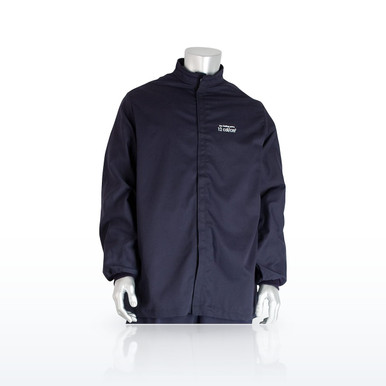
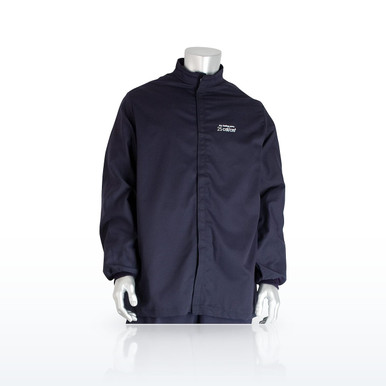
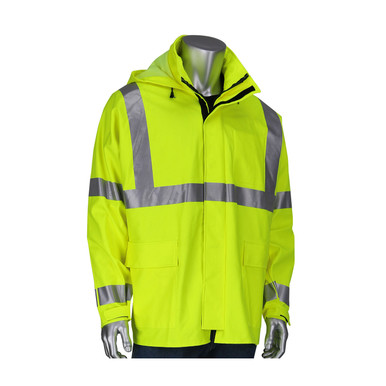
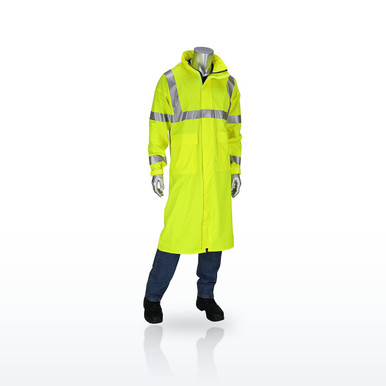
- Anything worn over arc-rated clothing has to be arc rated too: jackets, parkas, rainwear, hoodies, vests. An ordinary polyester fleece or a PVC rain jacket over an FR shirt is a melting layer on the outside, which is no better than one on the inside.
- A hi-vis vest over arc-rated clothing has to be an arc-rated FR vest. Standard polyester mesh vests melt.
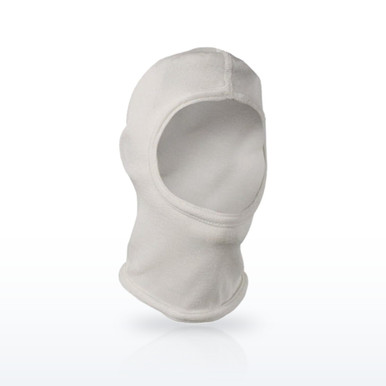
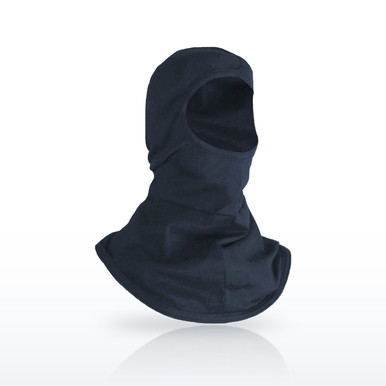
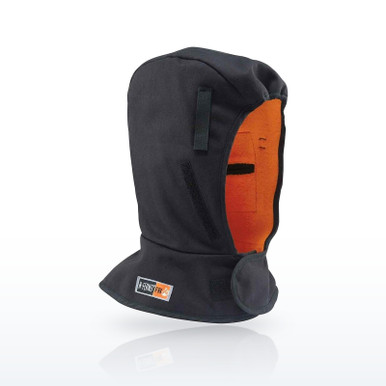
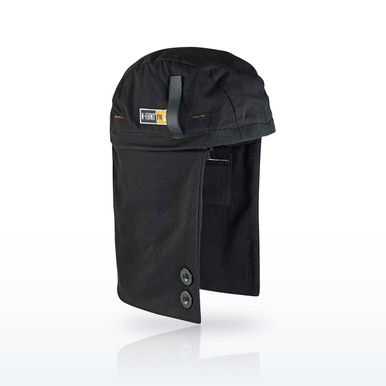
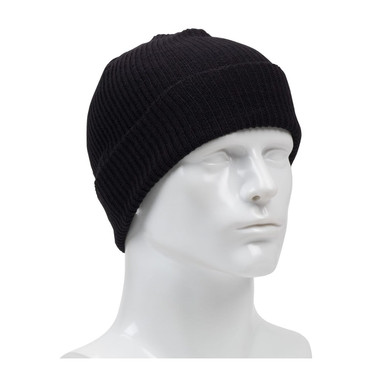
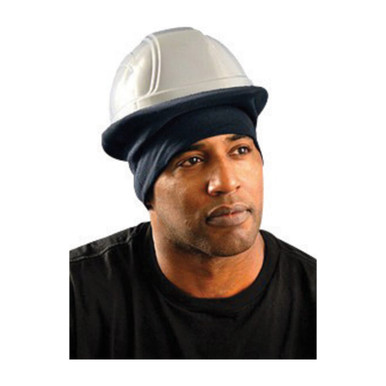
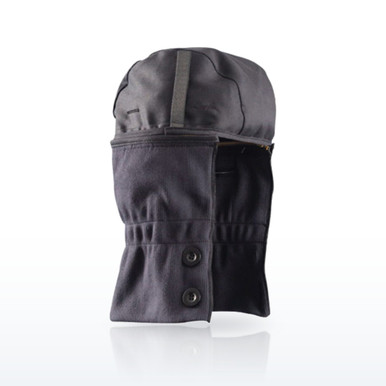
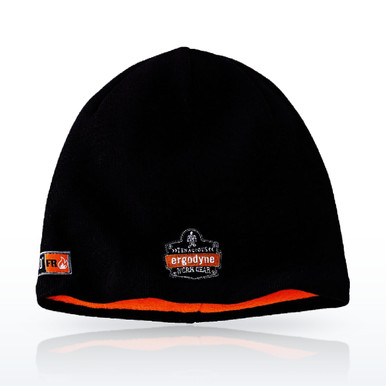
- Hard hat winter liners and balaclavas worn inside the arc flash boundary must be arc rated; hard hat liners made of melting or non-FR material are named in 130.7(C)(12) as not permitted.
- Cold-weather base layers are where most violations happen: thermal underwear is usually polyester or polypropylene. FR knit base layers are made for this.
- Socks and underwear with an incidental amount of elastic are allowed. A full spandex compression garment is not.
How do you tell whether a garment is safe to wear underneath?
- Read the fiber content label. Cotton, wool, silk and linen do not melt (OSHA’s utility rule also lists rayon with the prohibited fibers because it ignites and keeps burning). Polyester, nylon, acrylic, acetate, polypropylene, polyethylene and spandex do. Any of the second group in the blend, beyond incidental elastic, rules the garment out unless it is an FR garment labeled to ASTM F1506.
- Watch for performance fabrics. Moisture-wicking, quick-dry, stretch and athletic shirts are almost always synthetic, whatever the brand.
- Check the FR label for a rating. An FR base layer should state an arc rating in cal/cm² and ASTM F1506. "Flame resistant" alone, without a rating, means it will not ignite but does not count toward the arc rating.
- Check the whole outfit. Hat liner, neck gaiter, gloves liner, socks, rain gear. Each one follows the same rule.
- When in doubt, cotton or arc rated. Those are the two answers NFPA 70E gives; nothing else goes next to the skin.
Arc-rated base layers and outer layers
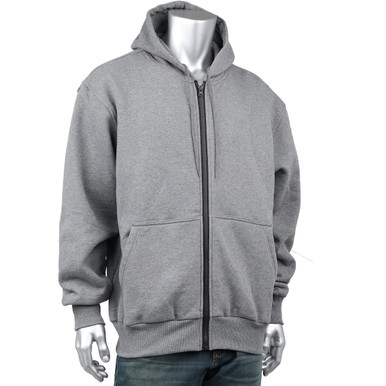
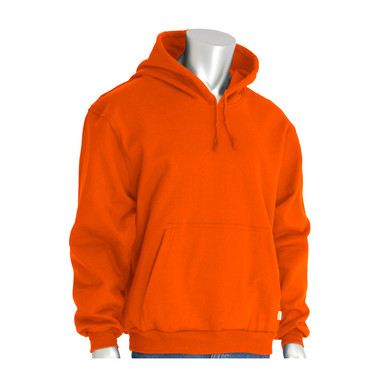
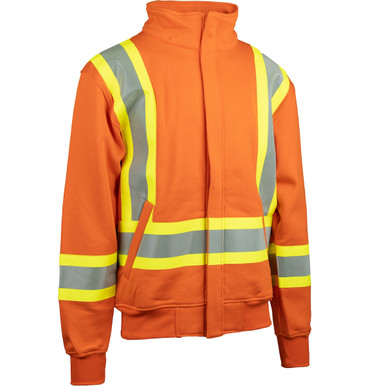
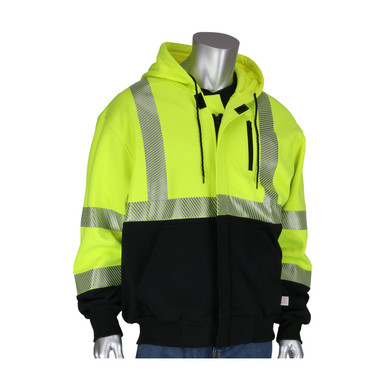
30 items · prices liveEach item shows the arc rating its manufacturer publishes. Base layers are listed as the manufacturer describes them; system ratings for layered sets are on the manufacturer spec sheets. Free shipping on orders over $199.
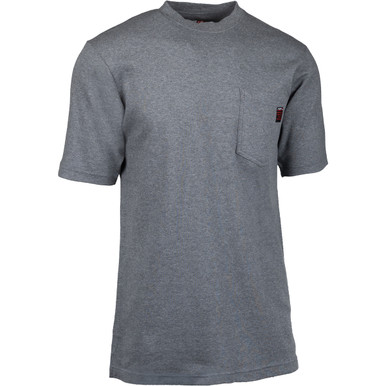
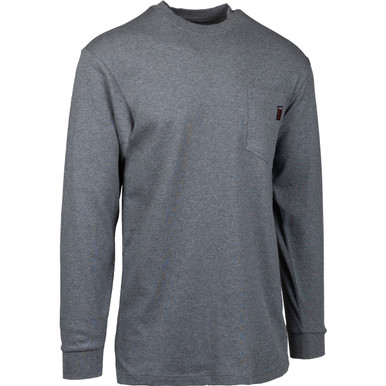
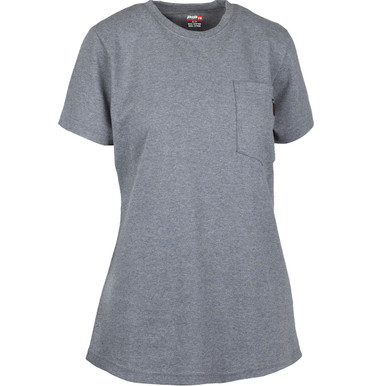
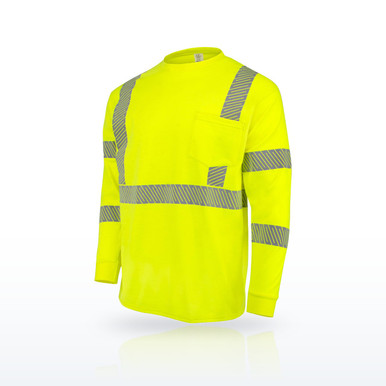
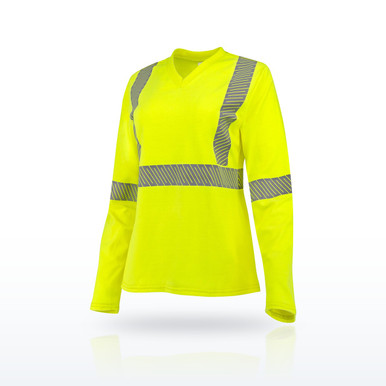
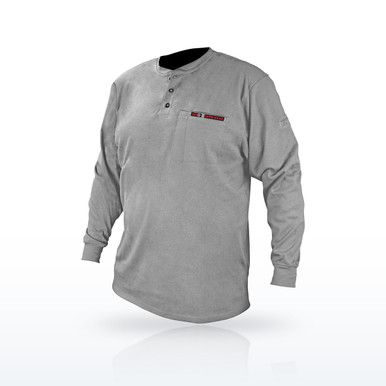
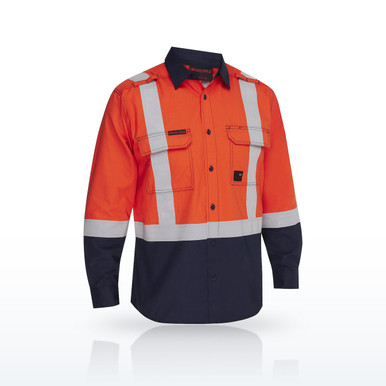
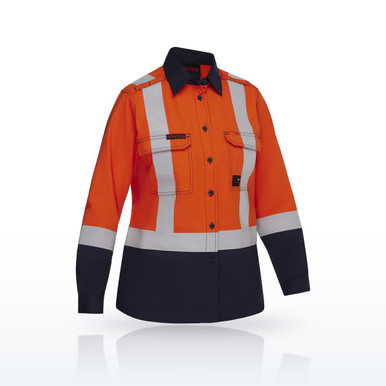
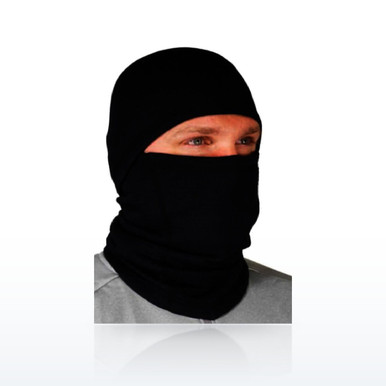
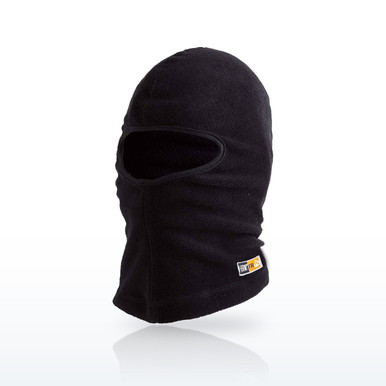
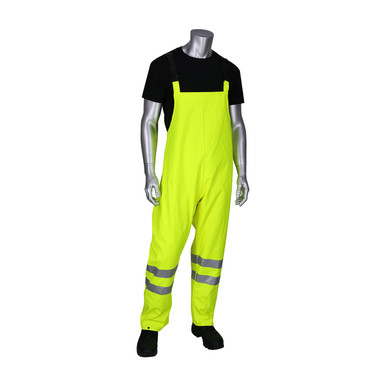
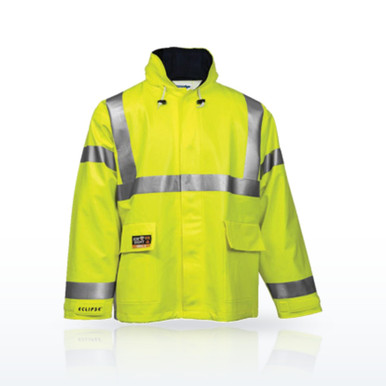
FR hi-vis vests for wearing over arc-rated clothing are covered in the FR hi-vis guide and the hi-vis finder.
Questions people ask
Can you wear a regular T-shirt under FR clothing?
A 100 percent cotton T-shirt, yes. A polyester, poly-cotton blend or moisture-wicking T-shirt, no; it can melt to the skin in an arc or flash fire. (NFPA 70E 130.7(C)(9); 1910.269(l)(8)(iii).)
What fabrics are not allowed under FR clothing?
Acetate, acrylic, nylon, polyester, polyethylene, polypropylene and spandex, alone or in blends, other than an incidental amount of elastic in underwear and socks.
Does a cotton T-shirt add to the arc rating?
No. Non-melting flammable underlayers are permitted but contribute nothing to the rating. Only arc-rated layers tested together as a system count.
Can I wear polyester underwear under FR coveralls?
No. Underwear next to the skin follows the same rule as any other underlayer: cotton or arc rated, with only incidental elastic.
Do arc ratings add up when layering?
No. Two 8 cal/cm² layers are not 16. The system rating comes from a multilayer arc test the manufacturer publishes for that combination.
Can I wear a regular hoodie or rain jacket over FR clothing?
No. Outer layers worn over arc-rated clothing must themselves be arc rated. (130.7(C)(9), outer layers; 1910.269(l)(8)(iv).)
Is wool allowed under FR clothing?
Yes. Wool, cotton and silk do not melt and are permitted as underlayers. They are flammable, so the arc-rated layer over them has to be rated for the full exposure.
Are FR base layers worth it over cotton?
They are the only way to add to the system rating with a comfortable layer, and FR knit base layers are the usual answer to cold weather, where ordinary thermals are synthetic. Whether the job needs the extra rating depends on the incident energy on the label.
Standards and ratings on this page are as published in the documents named and by the manufacturers named. The employer’s hazard assessment and written program decide what applies at a given workplace. Verify a rating on the product and its spec sheet before use.