
Disposable gloves: when must single-use gloves be changed?
A single-use glove is changed when it is contaminated, when it is torn or punctured, when its ability to act as a barrier is in doubt, and when the task changes. OSHA’s bloodborne pathogens standard says disposable gloves are replaced as soon as practical once contaminated and as soon as feasible once torn, and are never washed or decontaminated for reuse. The FDA Food Code says a single-use glove is used for one task only and discarded when damaged or soiled or when the work is interrupted. Neither rule sets a clock time. The glove comes off when the reason it was put on is over or when it has stopped being a clean barrier, whichever comes first.
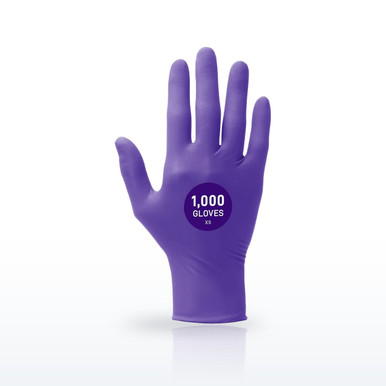 Kimberly-Clark 55083 Kimtech Purple Nitrile exam gloves5.9 mil, exam grade, sold by the box
Why is there no time limit on a disposable glove? A single-use glove is a barrier, not a tool. It keeps what is on the glove off the hand, and what is on the hand off the work. The moment it is contaminated it carries that contamination to the next thing it touches, which is why both OSHA and the Food Code tie the change to events, contamination, damage, a new task, rather than to minutes. A glove worn for 4 hours on one clean task is fine; a glove worn for 30 seconds that touched raw chicken and then a sandwich is not. Thin gloves are also made to a sampling standard that allows a small share of pinholes, so a glove is never assumed to be perfect; it is checked and replaced.
When does a disposable glove have to come off?
The triggers, from the two rules that name single-use gloves.
What does OSHA say, and who does it cover?
The bloodborne pathogens standard applies to any employee who can reasonably be expected to contact blood or other potentially infectious materials at work: healthcare, first responders, first-aid providers designated by the employer, janitorial and laundry staff who handle contaminated items, body art, and anyone cleaning up after an injury. It requires gloves whenever hand contact with blood, other potentially infectious materials, mucous membranes or non-intact skin can be anticipated, and when handling contaminated items or surfaces.
29 CFR 1910.1030(b), definition of occupational exposure; 1910.1030(d)(3)(ix).For single-use gloves the rule is three sentences long. Replace them as soon as practical when contaminated. Replace them as soon as feasible when torn or punctured or when the barrier is compromised. Do not wash or decontaminate them for reuse. Utility gloves, the heavier reusable kind, may be decontaminated and reused as long as they are intact, and are discarded when cracked, peeling, torn or punctured.
29 CFR 1910.1030(d)(3)(ix)(A), (B) and (C).Hand washing is part of the same rule: employees wash their hands immediately or as soon as feasible after removing gloves. The glove is not a substitute for washing; it is what keeps the contamination off the hand until the hand can be washed.
29 CFR 1910.1030(d)(2)(v).What does the Food Code say?
The FDA Food Code is the model that state and local health codes are built on, so the exact wording in your jurisdiction may differ while the rule is the same. Bare hands may not touch exposed ready-to-eat food; employees use utensils such as deli tissue, tongs or single-use gloves. If gloves are used, each pair is for one task only, used for no other purpose, and discarded when damaged or soiled or when the work is interrupted.
FDA Food Code 2022, 3-301.11(B) and 3-304.15(A).The Food Code also says when hands are washed, and gloves do not change that list. Hands are washed before putting on gloves to start a food task, when switching between raw food and ready-to-eat food, after touching the body, after using the toilet, after coughing, sneezing, eating or drinking, after handling soiled equipment, and as often as needed to prevent cross-contamination when changing tasks. Each of those is also the point at which the gloves are changed, because a fresh glove over an unwashed hand is still a contaminated glove on the outside within seconds.
FDA Food Code 2022, 2-301.14(A) through (I).Two other food rules matter when choosing the glove. Slash-resistant (cut-resistant) gloves may touch food that will be cooked, but may only touch ready-to-eat food if they have a smooth, nonabsorbent surface or are covered by a single-use glove. And the Food Code annex notes that natural rubber latex gloves have caused allergic reactions in food workers and in customers eating food prepared in them, which is why nitrile and vinyl dominate food service.
FDA Food Code 2022, 3-304.15(B) and (C); Annex 3 note on latex gloves.Why is a new glove not assumed to be leak-free?
Exam-grade gloves are made under an FDA sampling rule. A lot is tested by filling sample gloves with water and watching for leaks, and the lot passes if the defect rate is within the acceptable quality level: 2.5 for patient examination gloves, 1.5 for surgeons’ gloves. In plain terms, a small percentage of pinholes in a passing lot is expected by the rule itself. That is one reason both OSHA and the Food Code treat a glove as a short-lived barrier and why gloves are changed, not trusted. Industrial-grade disposables are not covered by this rule and may be sold to a looser or unstated AQL; the product page shows the grade the manufacturer publishes.
21 CFR 800.20(c)(2) (2.5 AQL for examination gloves, 1.5 for surgeons’ gloves); 21 CFR 800.20(b) water-leak test method.How do you take a contaminated glove off?
- Pinch the outside of one glove at the wrist with the other gloved hand, touching only glove to glove.
- Peel it off inside out and hold the balled glove in the still-gloved hand.
- Slide two bare fingers under the cuff of the second glove from the inside, where it is clean, and peel it down over the first glove.
- Drop both in the right container. Gloves contaminated with blood or other potentially infectious material go in regulated-waste or biohazard containers where the standard requires them; food-service gloves go in the trash.
- Wash hands. Immediately or as soon as feasible after the gloves are off, and before the next pair goes on.
Disposable gloves by material
21 items · prices liveMaterial and grade are as published by the manufacturer; the box count, thickness and the ASTM standard (D6319 nitrile, D3578 latex, D5250 vinyl) are on each product page. Exam grade means the glove is made under 21 CFR 800.20; industrial grade is not. Contractor Direct orders ship free.
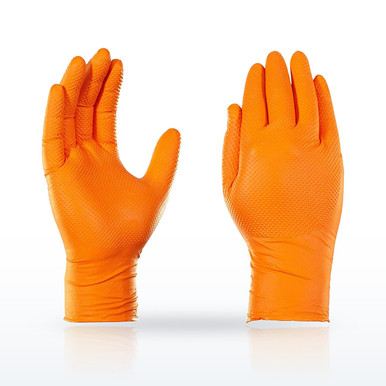
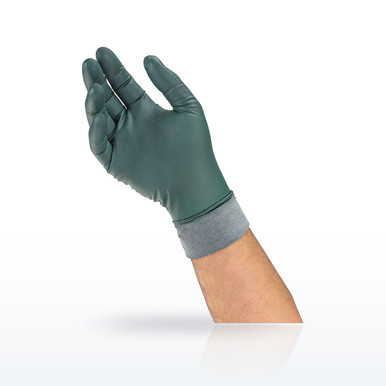
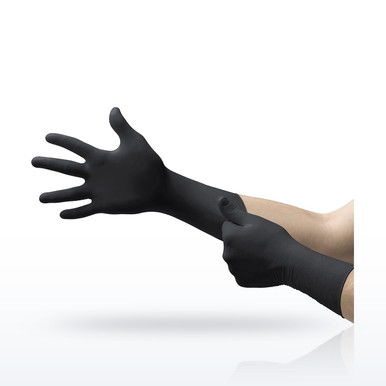
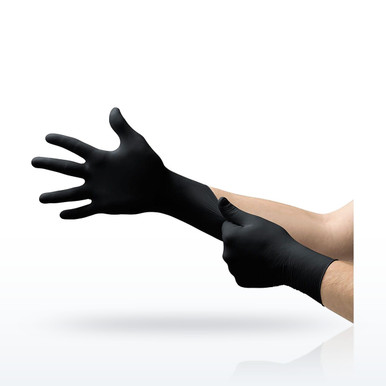
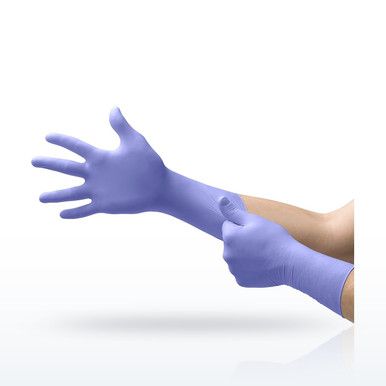
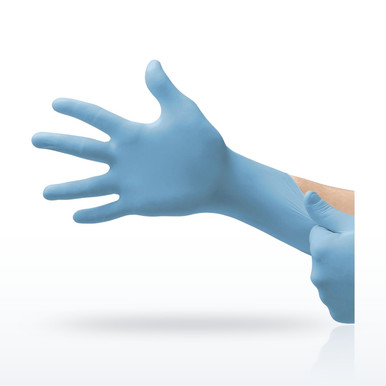
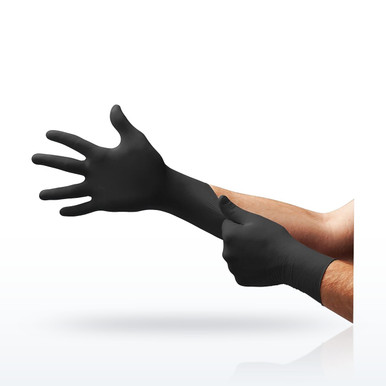
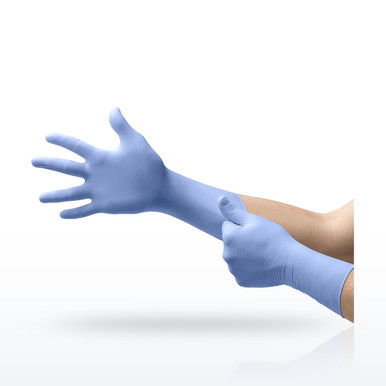
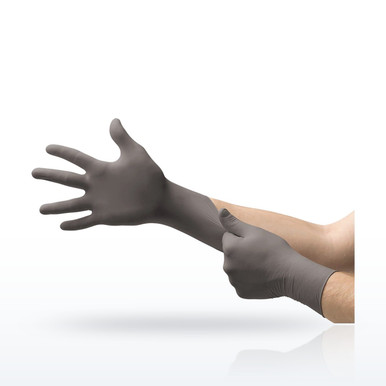
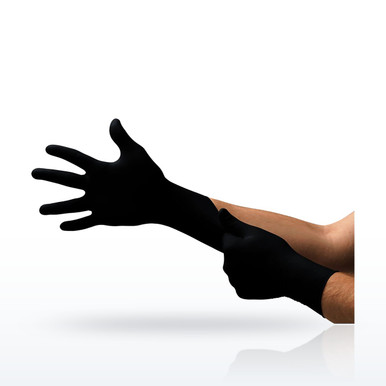
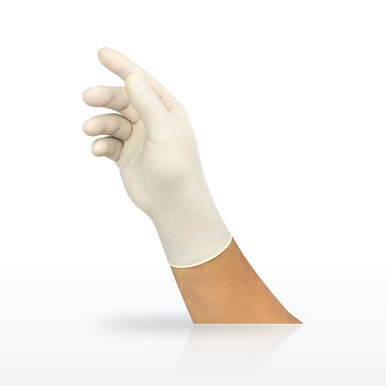
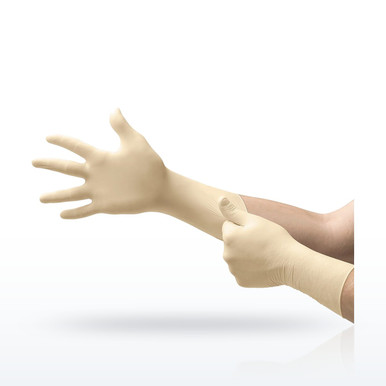
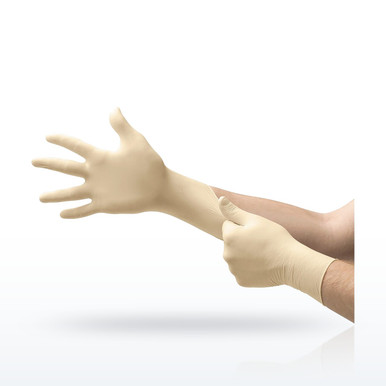
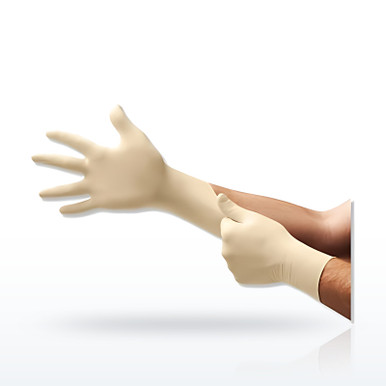
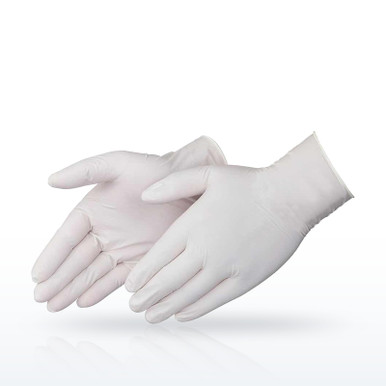
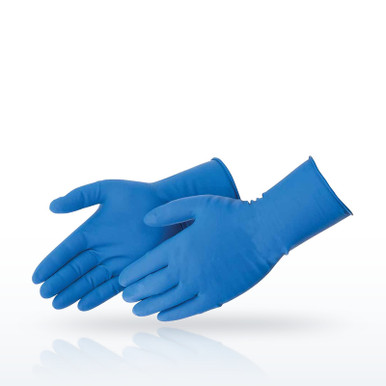
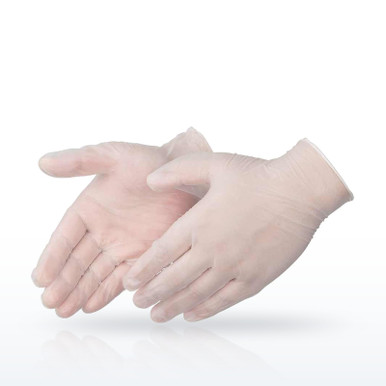

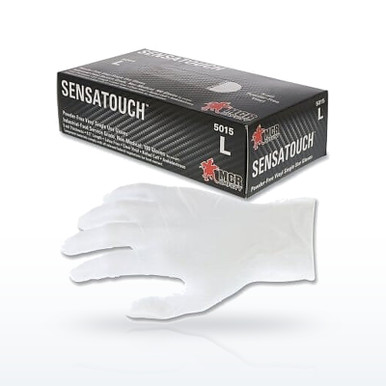
Every disposable glove we carry, by material, thickness and grade, is on the work glove selector.
Questions people ask
How often should disposable gloves be changed?
When they are contaminated, torn or punctured, when the task changes, or when the work is interrupted. OSHA and the FDA Food Code set no clock time; the change is tied to those events. (1910.1030(d)(3)(ix)(A); Food Code 3-304.15(A).)
Can disposable gloves be washed and reused?
No. OSHA says disposable gloves shall not be washed or decontaminated for reuse. (1910.1030(d)(3)(ix)(B).)
Do I have to change gloves between raw meat and ready-to-eat food?
Yes. The Food Code allows a single-use glove for one task only, and hands are washed when switching between raw and ready-to-eat food. (Food Code 3-304.15(A) and 2-301.14(G).)
Do I need to wash my hands if I wore gloves?
Yes, before putting them on for a food task and after taking them off. Gloves do not replace hand washing under either rule. (Food Code 2-301.14(H); 1910.1030(d)(2)(v).)
Does OSHA require gloves for first aid?
Where an employee is expected to give first aid as part of the job and may contact blood, 1910.1030 requires gloves and the rest of the exposure control plan. The first-aid provider guide covers who that includes.
What does AQL 2.5 mean on a glove box?
The FDA acceptable quality level for examination gloves: a lot passes the water-leak sampling test when the defect rate is at or below that level. It is why a new glove is treated as a barrier that can fail, not a guaranteed one. (21 CFR 800.20(c)(2).)
Are latex gloves allowed in food service?
The Food Code does not ban them, but its annex notes allergic reactions in food workers and in customers from latex gloves, and some states restrict them. Check your local code; nitrile and vinyl avoid the issue.
How long can you wear one pair of nitrile gloves?
As long as the single task lasts and the glove stays clean and intact. The moment it is soiled, damaged, or the task changes or is interrupted, it is changed.
Standards and ratings on this page are as published in the documents named and by the manufacturers named. The employer’s hazard assessment and written program decide what applies at a given workplace. Verify a rating on the product and its spec sheet before use.