
What has to be in a written respiratory protection program?
Whenever an employer requires respirators, OSHA requires a written program with worksite-specific procedures covering nine things: how respirators are selected, medical evaluations, fit testing, procedures for routine and emergency use, cleaning, storage, inspection and repair schedules, breathing-air quality for supplied-air respirators, training on the hazards, training on the respirators themselves, and regular evaluation of whether the program works. A trained program administrator runs it, the employer pays for everything, the program is updated when conditions change, and a current written copy is kept and shown to employees and OSHA on request. Voluntary use of anything other than a disposable filtering facepiece still needs the medical and cleaning parts.
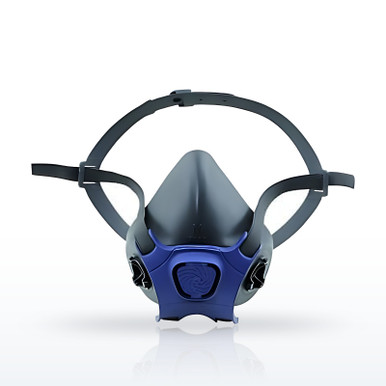
 3M Rugged Comfort half facepieceA reusable facepiece is what most of the program’s procedures are written around
Why does OSHA require the program to be written? A respirator is the one piece of PPE that fails silently. A glove with a hole is obvious; a cartridge past its service life, a mask that was never fit tested, or a worker cleared by nobody looks exactly like a protected worker. The standard’s answer is to make the employer write down, for this worksite, how each of those failures is prevented, name one person to run it, and keep the paper where employees and inspectors can read it. The written program is the thing an OSHA inspector asks for first, and the elements below are what they check it against.
What are the nine required elements?
From 1910.134(c)(1)(i) through (ix), each as applicable to the worksite. Each one points to the paragraph of the standard that says how to do it.
Who runs the program?
A program administrator the employer designates, qualified by training or experience that matches how complex the program is. The standard does not require a certification; it requires that the person can administer or oversee the program and run the required evaluations. In a small shop that is often the safety lead or an owner who has taken a respirator course; in a plant it may be an industrial hygienist. The administrator’s name belongs in the written program.
1910.134(c)(3); the paragraph (c) introduction refers to the Small Entity Compliance Guide for administrator selection criteria and a sample program.The employer pays for all of it: respirators, training and medical evaluations at no cost to the employee. The program is updated as necessary when workplace conditions that affect respirator use change.
1910.134(c)(4); (c)(1).What does the program have to say about voluntary use?
If respirators are not required but the employer allows employees to wear their own or hands them out on request, the employer first determines that the use will not itself create a hazard, then gives each voluntary user the Appendix D information sheet. For voluntary use of anything with a cartridge or an elastomeric facepiece, the program must also include the elements needed to confirm the employee is medically able to wear it and that it is cleaned, stored and maintained so it does not become a hazard. Voluntary use of filtering facepieces alone, dust masks and N95s, is exempt from the written program; Appendix D is still required.
1910.134(c)(2)(i) and (ii) and the exception; Appendix D; (k)(6).How is the program evaluated and documented?
- Worksite evaluations as necessary to ensure the written program is being implemented and is still effective.
- Regular consultation with the employees who wear respirators about fit, whether the right respirator was selected for the hazard, proper use in their actual conditions, and maintenance; problems found are corrected.
- Fit-test records: name, type of test, make, model, style and size, date and result, kept until the next fit test.
- Medical evaluation records kept under 1910.1020, the duration of employment plus 30 years.
- A written copy of the current program, retained and made available to affected employees and to OSHA on request.
- For respirators kept for emergency use, a certification of each monthly inspection on a tag or in a file: date, inspector, findings, remedial action and the unit’s identifier.
What do substance-specific standards add?
Standards for silica, lead, asbestos, chromium VI and others each require a respirator program under 1910.134 and may add their own selection rules, medical surveillance and the situations in which respirators must be used. The written program for a site with those exposures references them. In construction the same respirator standard applies; 1910.134 states that it covers part 1926.
1910.134, scope note (applies to general industry, shipyards, marine terminals, longshoring and construction); 1910.1026(g)(2); 1910.1025(f)(2)(i).What a program runs on: facepieces, filters and fit-test supplies
28 items · prices liveRespirator type and NIOSH filter class are as published by the manufacturer. Pack and case sizes are on each product page. Free shipping on orders over $199.


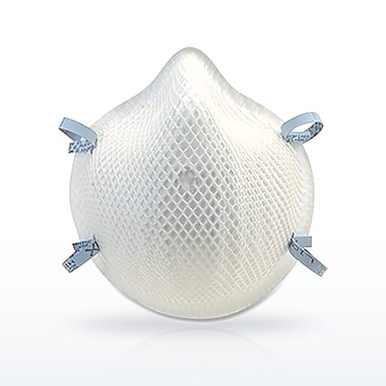
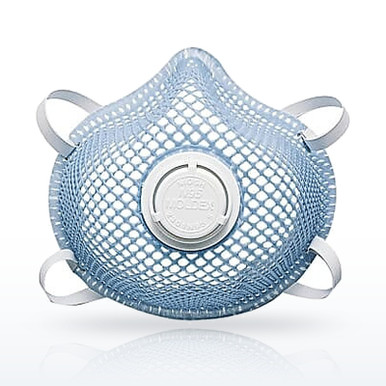
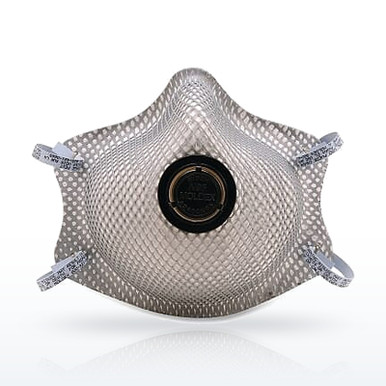
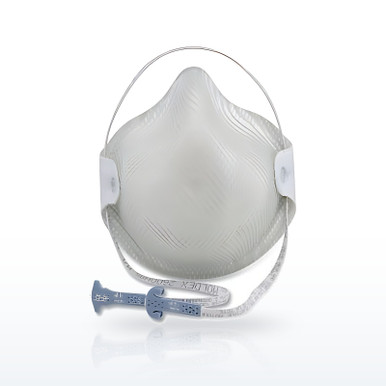
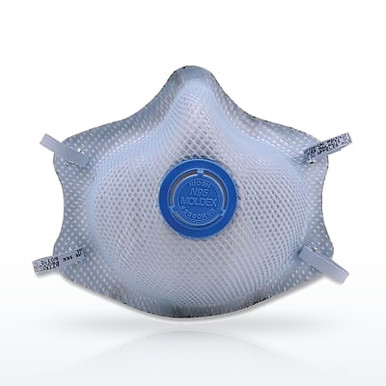
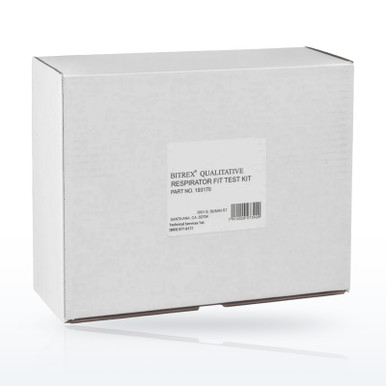
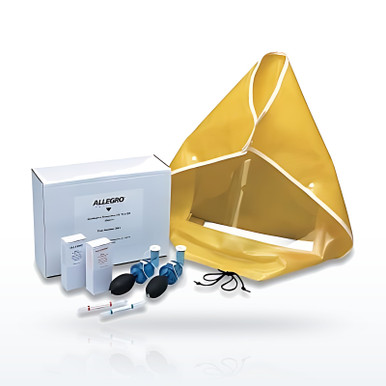
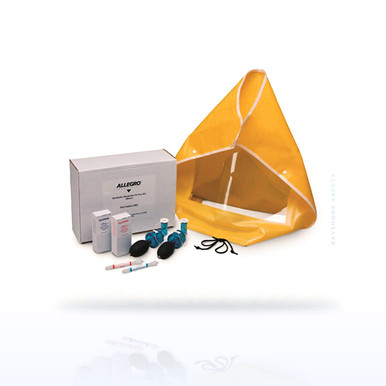
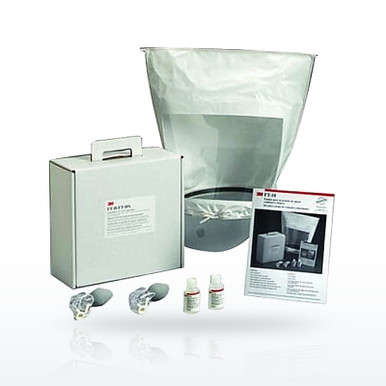
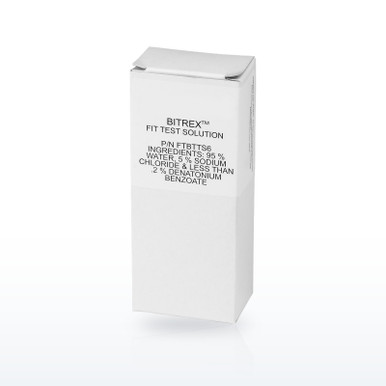
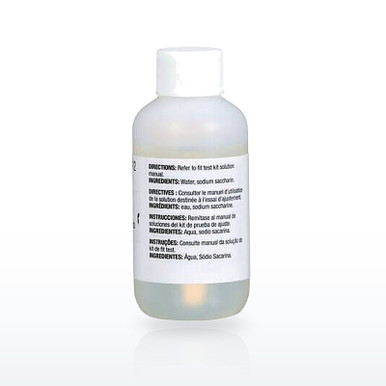
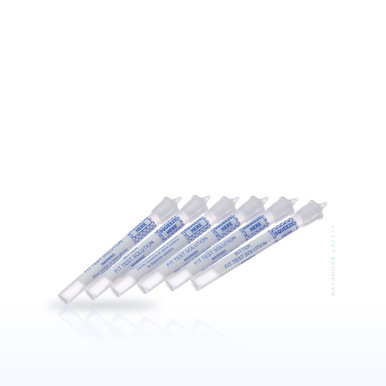
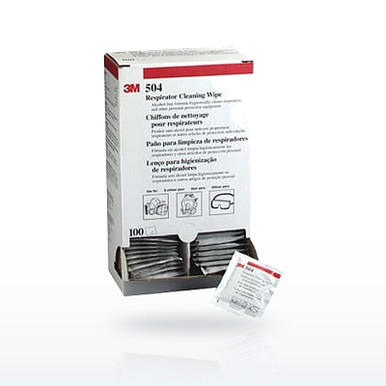
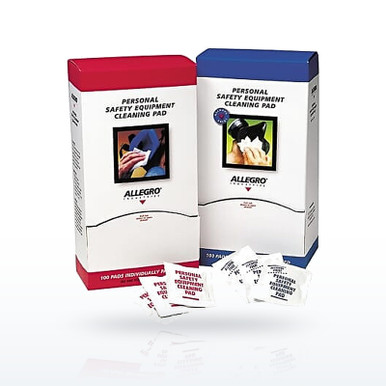
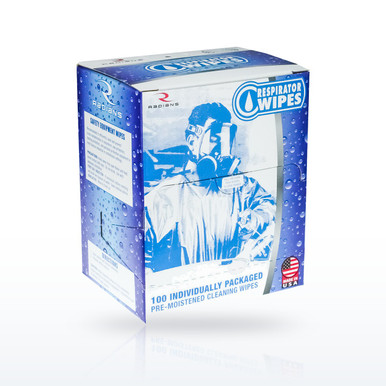
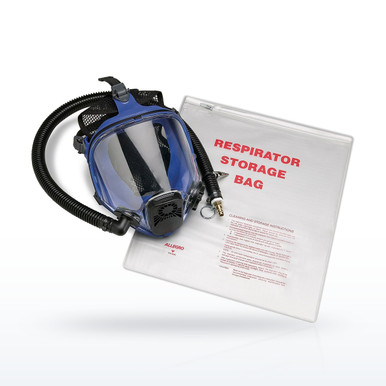
Supplied-air systems and PAPRs are in the respirator selector.
Questions people ask
When is a written respiratory protection program required?
In any workplace where respirators are necessary to protect employee health or where the employer requires them. (1910.134(c)(1).)
Is a written program required for voluntary N95 use?
No. Employees whose only respirator use is voluntary use of filtering facepieces are exempt from the written program, but they must receive the Appendix D information. Voluntary use of a cartridge or elastomeric respirator needs the medical and cleaning elements. (1910.134(c)(2).)
Who can be the respirator program administrator?
Anyone the employer designates who is qualified by training or experience commensurate with the program’s complexity. No certificate is named in the standard. (1910.134(c)(3).)
Does OSHA have a sample respiratory protection program?
Yes. The standard itself refers to OSHA’s Small Entity Compliance Guide for the respiratory protection standard, which includes a sample program and administrator selection criteria. (1910.134(c), introductory text.)
Does the program need to be site-specific?
Yes. The standard requires worksite-specific procedures and says the program must be updated to reflect changes in workplace conditions that affect respirator use. (1910.134(c)(1).)
How long are respirator records kept?
Fit-test records until the next fit test. Medical evaluation records for the duration of employment plus 30 years under 1910.1020. The current written program is kept as long as it is in force. (1910.134(m).)
Does the written program apply in construction?
Yes. 1910.134 states that it applies to construction (part 1926) as well as general industry, shipyards, marine terminals and longshoring.
Who pays for the respirator program?
The employer: respirators, training and medical evaluations at no cost to the employee. (1910.134(c)(4).)
Standards and ratings on this page are as published in the documents named and by the manufacturers named. The employer’s hazard assessment and written program decide what applies at a given workplace. Verify a rating on the product and its spec sheet before use.