
Audiometric testing: what 1910.95(g) requires
Audiometric testing is the annual hearing check OSHA requires for every employee whose 8-hour average noise exposure is 85 dBA or more. The employer pays. The first test is the baseline, taken within 6 months of the employee’s first exposure at that level, after 14 hours away from workplace noise. Every year after, a new test is compared with the baseline. If the average at 2,000, 3,000 and 4,000 Hz has dropped 10 dB or more in either ear, that is a standard threshold shift: the employee is told in writing within 21 days, fitted or refitted with hearing protectors and required to wear them, and from then on the protector has to bring their exposure to 85 dBA instead of 90. The tests are run by an audiologist, physician or a certified technician under one, in a booth and on an audiometer that meet the appendices.
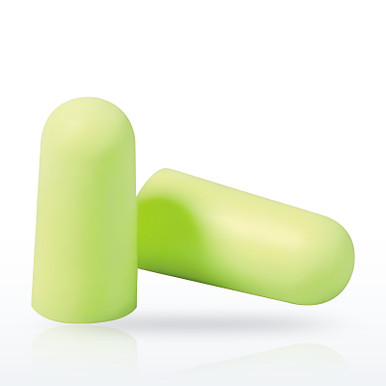
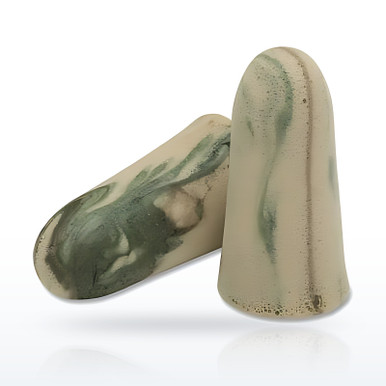 Moldex 660 Camo Plugs Disposable EarplugsFoam ear plugs rated NRR 33 by the manufacturer
Why test hearing every year? Noise-induced hearing loss does not hurt and comes on over years, usually first at the high frequencies where speech consonants live, so the person is the last to know. An audiogram compared with a baseline shows a change of 10 dB before the person notices anything, which is early enough to act: refit the protector, raise the rating, move the job. Without the test the first sign is a worker who cannot follow a conversation in a crowd, and that loss is permanent.
What does the standard require, step by step?
Paragraph (g) in order.
What does the test itself consist of?
A pure-tone, air-conduction threshold test of each ear separately at 500, 1,000, 2,000, 3,000, 4,000 and 6,000 Hz. The audiometer must meet the ANSI specification the standard incorporates and be checked every day it is used, by testing a person with known stable hearing and listening for distortion, with an acoustic calibration at least once a year and an exhaustive calibration at least every 2 years. The test room has to be quiet enough to meet the octave-band limits in Appendix D, which is why the test is done in a booth or a van rather than an office.
1910.95(h)(1), (h)(2), (h)(4), (h)(5)(i), (ii) and (iii); Appendices C, D and E.Problem audiograms, and any audiogram where further evaluation might be needed, go to the audiologist, otolaryngologist or physician for review. The employer gives the reviewer a copy of the standard, the employee’s baseline and most recent audiograms, the test-room background measurements and the audiometer calibration records.
1910.95(g)(7)(iii).What has to change about hearing protection after a shift?
Two things. First, wearing protectors becomes mandatory for that employee at 85 dBA, not just at the 90 limit. Second, the protector has to do more: the attenuation check under Appendix B must show exposure at the ear of 85 dBA or less, instead of the 90 the standard asks for everyone else. In practice that means moving the employee to a higher-rated plug, from a plug to plugs with muffs, or both, and documenting the arithmetic. The standard’s own words for an employee already using protectors are refit, retrain, and if necessary provide protectors with greater attenuation.
1910.95(i)(2)(ii)(B); (j)(3); (g)(8)(ii)(B); Appendix B.What records are kept, and for how long?
- Each audiogram, with the employee’s name and job classification, the date, the examiner’s name, the date of the last acoustic or exhaustive calibration, and the employee’s most recent noise exposure assessment.
- Background sound level measurements in the test room.
- Audiometric records: for the duration of the employee’s employment. Noise exposure measurements: 2 years.
- Available on request to the employee, former employees, their representatives and OSHA; transferred to a successor employer if the business changes hands.
Protectors by NRR, for the people in the program
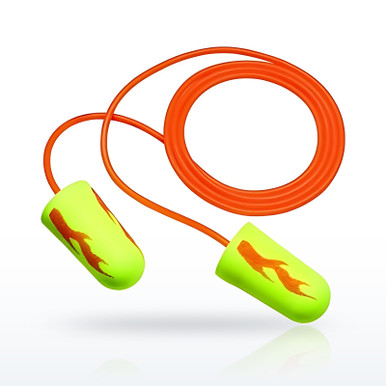
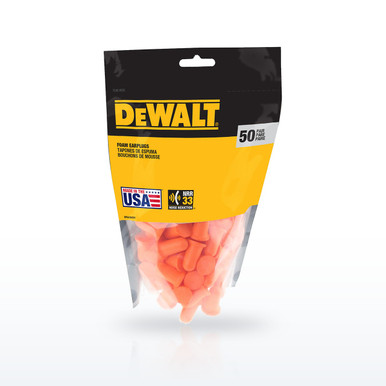
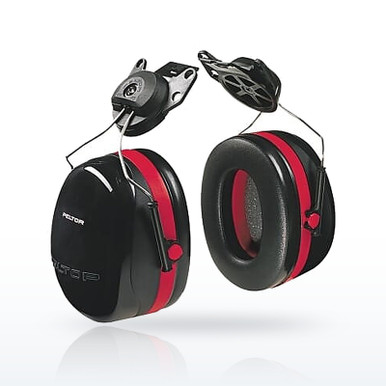
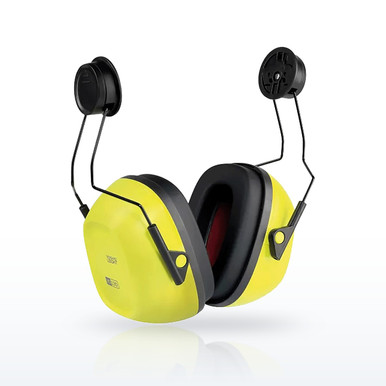
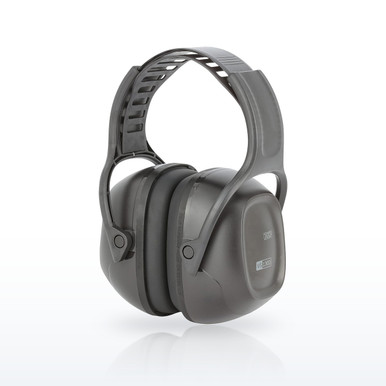
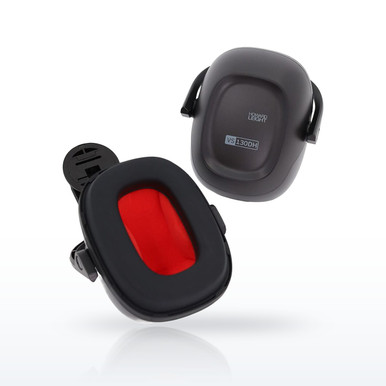
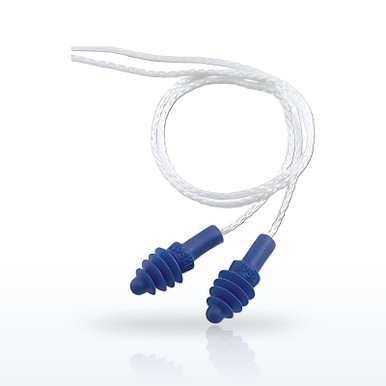
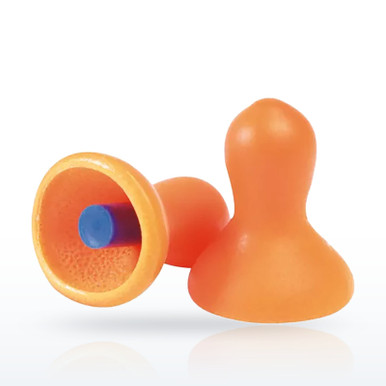
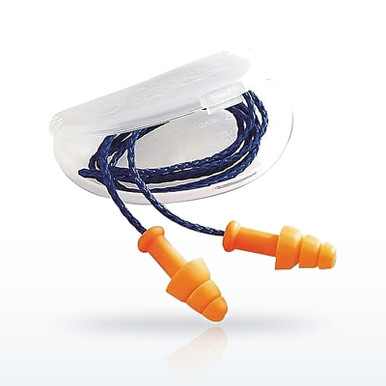
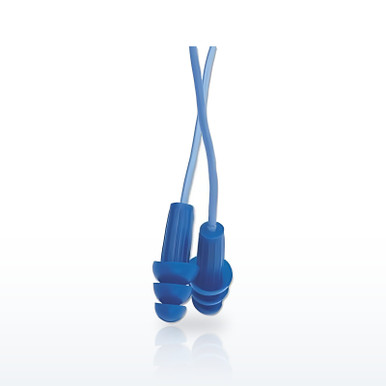
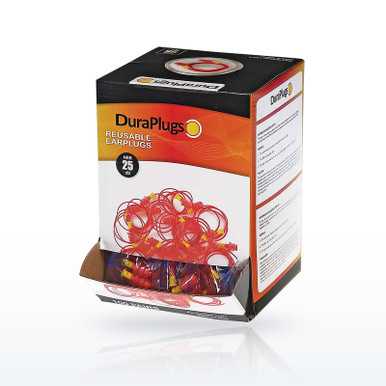
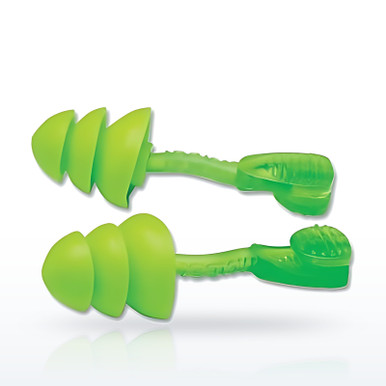
22 items · prices liveNRR is as tested by the manufacturer under ANSI S3.19 and printed on the package. After a standard threshold shift the Appendix B check targets 85 dBA, so the higher-rated items are grouped first. Free shipping on orders over $199.
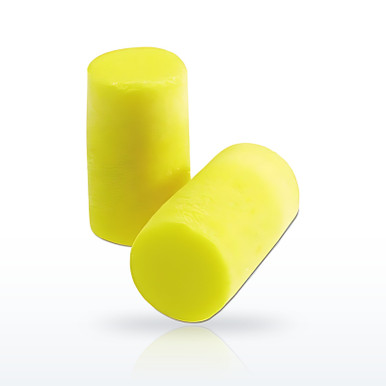
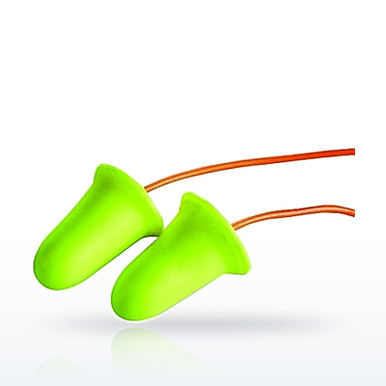
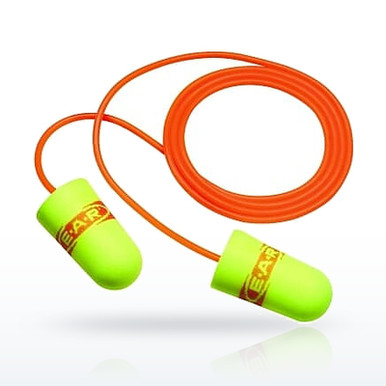


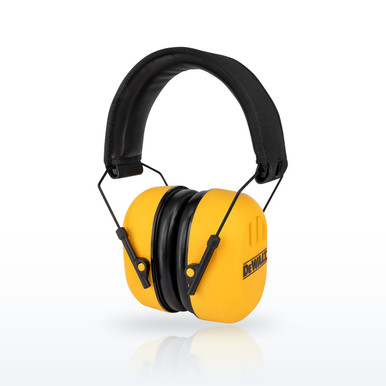
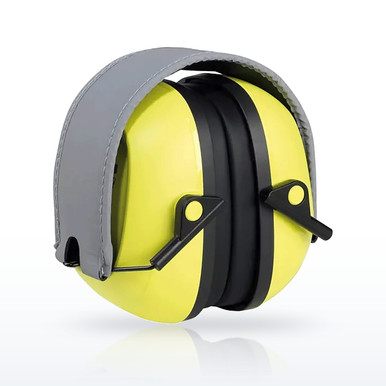
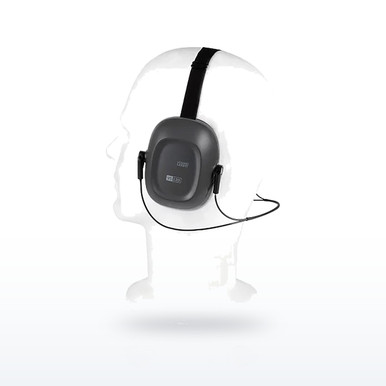
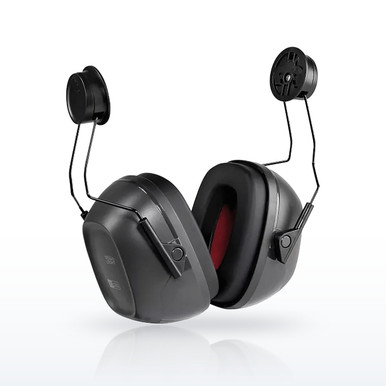
Audiometers and test booths are not something we stock; a mobile testing service or an occupational clinic supplies the test. The protectors are what we carry.
Questions people ask
Who needs an audiometric test under OSHA?
Every employee exposed at or above an 8-hour average of 85 dBA, in general industry. (1910.95(g)(1).)
How soon after hire is the baseline due?
Within 6 months of the first exposure at or above the action level; within 1 year if a mobile test van is used, with protectors worn from month 6. (1910.95(g)(5)(i) and (ii).)
Why 14 hours of quiet before the baseline?
So a temporary dulling from the previous shift does not get recorded as the person’s normal hearing. Wearing hearing protectors counts as quiet for this purpose. (1910.95(g)(5)(iii).)
What is a standard threshold shift?
An average drop of 10 dB or more at 2,000, 3,000 and 4,000 Hz in either ear compared with the baseline, with an optional age correction from Appendix F. (1910.95(g)(10).)
What must the employer do after a standard threshold shift?
Notify the employee in writing within 21 days; fit or refit with protectors, train, and require their use; refer for clinical evaluation if needed; and provide a protector that brings exposure to 85 dBA. (1910.95(g)(8) and (j)(3).)
Can a technician give the test?
Yes, if certified by CAOHC or shown competent, and working under an audiologist, otolaryngologist or physician. (1910.95(g)(3).)
How long are audiograms kept?
For as long as the employee works for the employer. (1910.95(m)(3)(ii).)
Does construction require audiometric testing?
1926.52 requires a hearing conservation program above 90 dBA without listing its parts; OSHA’s August 4, 1992 interpretation letter names baseline and annual audiometry as an element of an effective construction program, to be included as far as feasible. Most construction employers test following 1910.95(g).
Standards and ratings on this page are as published in the documents named and by the manufacturers named. The employer’s hazard assessment and written program decide what applies at a given workplace. Verify a rating on the product and its spec sheet before use.