
Double hearing protection: when to wear plugs and muffs together
Wear ear plugs and earmuffs at the same time when the 8-hour average noise exposure goes past 100 dBA. That is the NIOSH line, and it is where a single protector, derated for real-world fit, stops bringing the exposure under 85. The combination does not add the two ratings: a plug and a muff together give about 5 to 10 decibels more than the better of the two alone, because at that point sound reaches the inner ear through the skull as much as through the ear canal. OSHA’s enforcement arithmetic allows 5 dB added to the higher rating. NIOSH cautions that even both together are inadequate above 105 dBA; past that the answer is less time in the noise, not more gear.
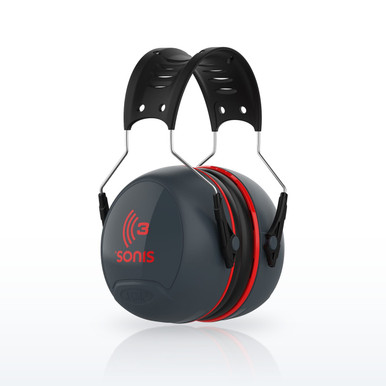 JSP Sonis 3 262-AEB040-HB Earmuffs, Passive Ear Muff, Adjustable HeadbandPassive earmuffs rated NRR 30 or 31, for wearing over plugs
Why do two protectors not add up? A hearing protector blocks the ear canal path. Once that path is well blocked, the next-loudest route is bone conduction: sound vibrating the skull and reaching the inner ear directly, which no plug or muff can stop. A plug under a muff can only improve things until that route takes over. That is why NIOSH puts the gain from doubling up at about 5 to 10 dB rather than the sum of the two ratings, and why it says double protection is still inadequate above 105 dBA.
When and how much?
The numbers the agencies publish.
How do you run the numbers?
- Take each device’s NRR from its package. Say a foam plug at NRR 33 and a muff at NRR 27.
- Subtract 7 from each for an A-weighted noise measurement. Plug 26, muff 20. (Skip this step if the measurement was C-weighted.)
- If your program derates, do it now. OSHA enforcement uses 50 percent: plug 13, muff 10. NIOSH uses 50 percent for foam plugs and 25 percent for muffs: plug 13, muff 15.
- Add 5 to the higher figure. OSHA method: 13 plus 5 = 18. NIOSH-derated: 15 plus 5 = 20.
- Subtract from the noise level. At 105 dBA: 105 minus 18 = 87 (OSHA method), 105 minus 20 = 85 (NIOSH). Compare with the target: 90 for most employees, 85 after a standard threshold shift.
- Write it down. The method, the numbers and the target go in the written program, because the same two devices give 87 or 85 depending on whose derating you use.
Which plug and which muff?
The plug does most of the work, so it is the one to get right: a foam plug rolled and seated deep, or a pre-molded plug the wearer has been fit-tested in. The muff’s job is to cover what leaks past the plug and to be the thing the supervisor can see from across the floor. Any passive muff with a solid seal will do that; a higher NRR muff helps less than a better-fitted plug. The two together are hot, so a crew that doubles up all shift needs breaks out of the noise and a plug they can leave in during them.
NIOSH Publication 98-126, chapter 6 (field performance depends on fit; intermittent wear cuts effective protection); 1910.95(i)(5) proper initial fitting.Watch the muff seal. A plug cord under the cushion, the temple of a pair of safety glasses, a hood or a respirator strap all open a gap, and OSHA’s technical manual notes that even a small leak destroys a muff’s effectiveness. Uncorded plugs under muffs avoid the cord problem; cap-mounted muffs on a hard hat avoid the headband competing with the hat.
OSHA Technical Manual Section III Chapter 5, Personal Protective Equipment (earmuff seal leaks); 3M, EN 352:2020 and compatibility technical bulletin (eyewear temples and other PPE under the cushion).Where does double protection come up?
- Chipping, needle-scaling and riveting on steel.
- Jackhammers, rock drills and pavement breakers.
- Ground crews around turbine and jet engines, and test cells.
- Mining: continuous miners, roof bolters, crushers, per NIOSH’s mining program.
- Indoor firing ranges and blasting.
- Impulse noise of any kind over the 140 dB peak ceiling is a separate problem: the NRR is measured on continuous noise and may not predict protection from a single blast.
High-NRR plugs and muffs for wearing together
22 items · prices liveNRR is as tested by the manufacturer under ANSI S3.19 and printed on the package. Uncorded plugs are listed first where the catalog has both; a cord under a muff cushion is a leak. Free shipping on orders over $199.
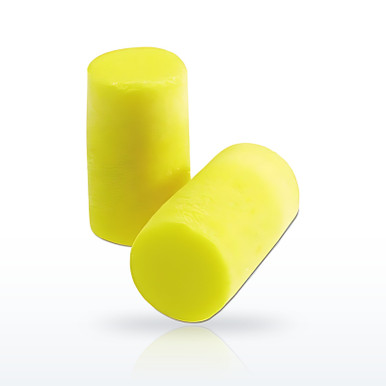
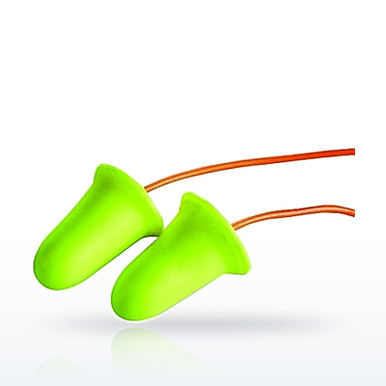
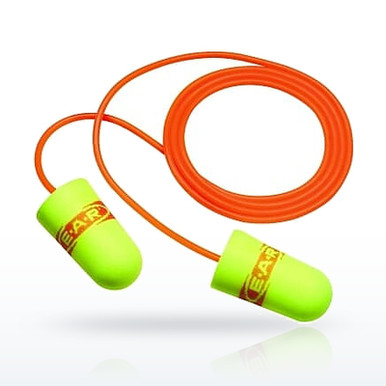

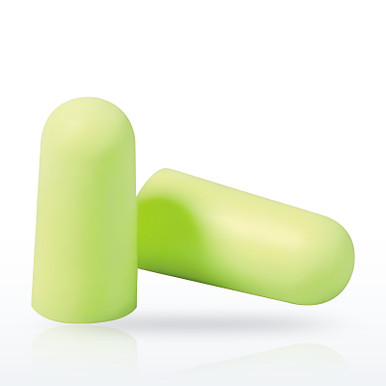
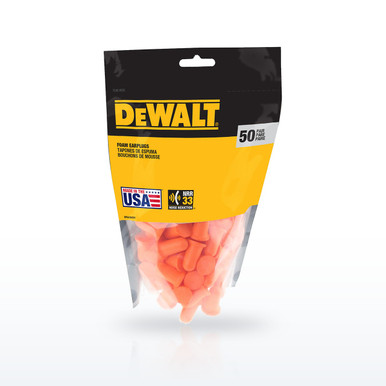
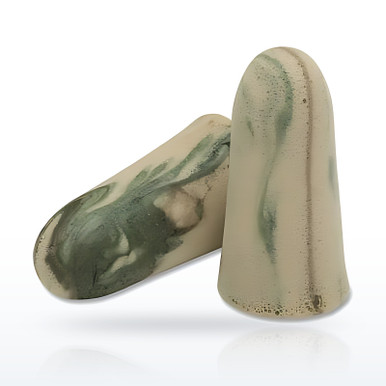
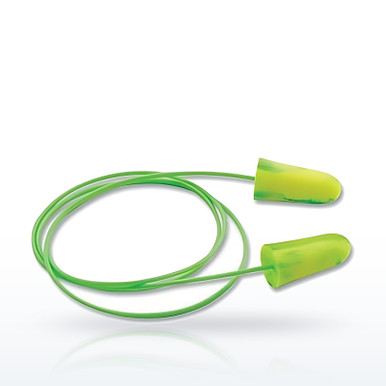
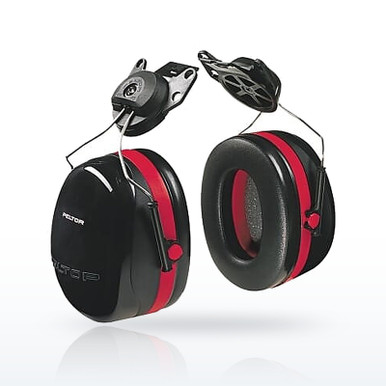
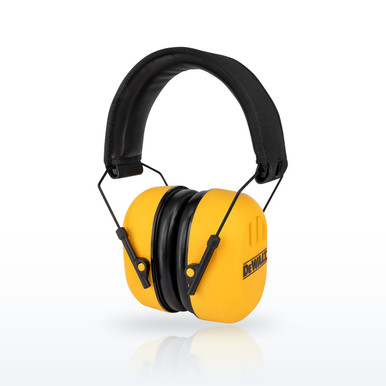
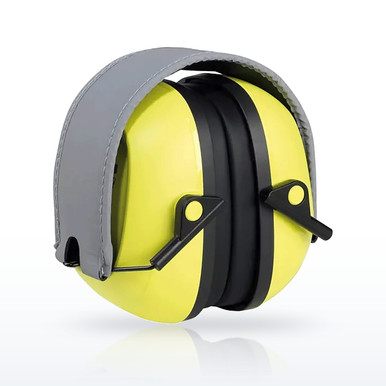
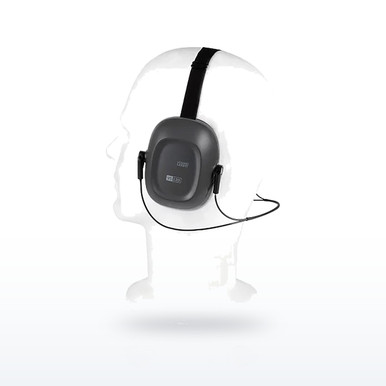
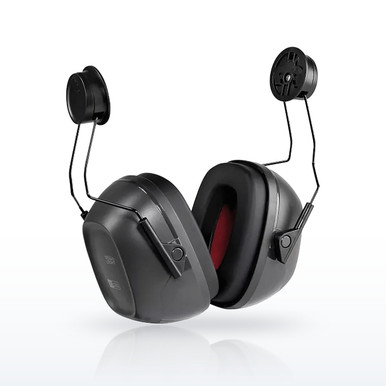
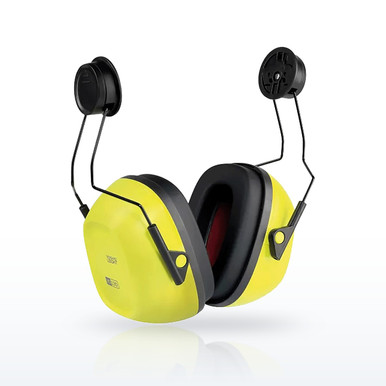
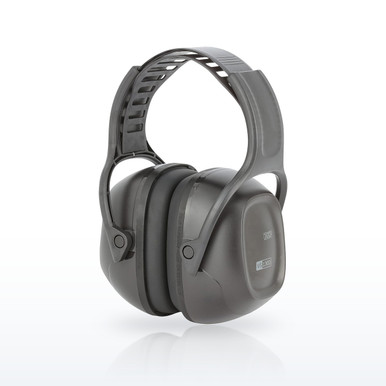
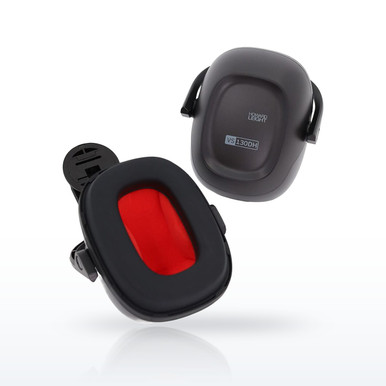
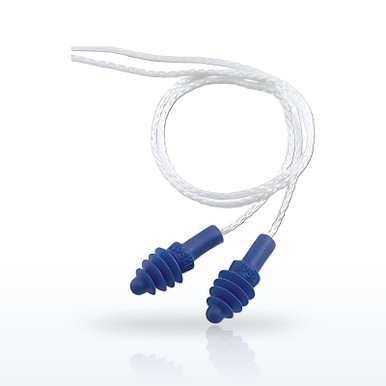
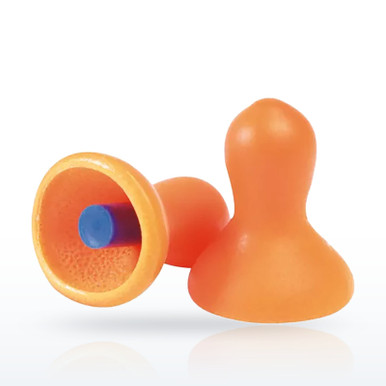
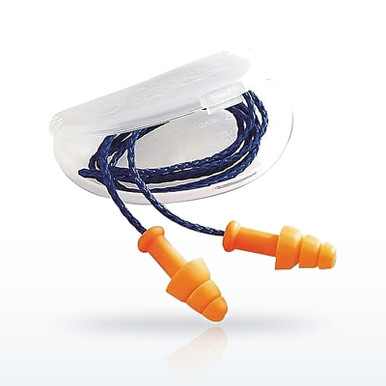
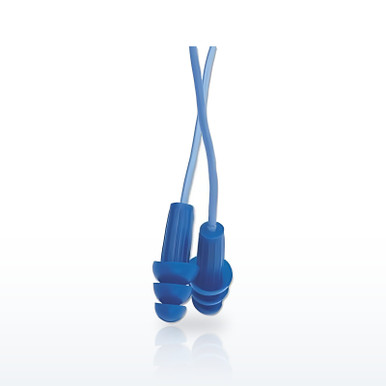
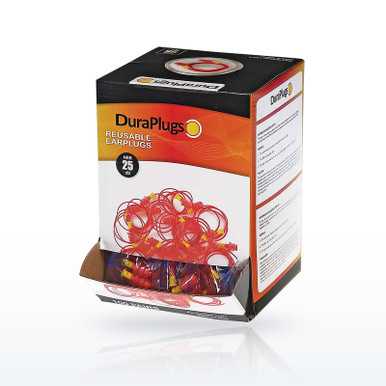
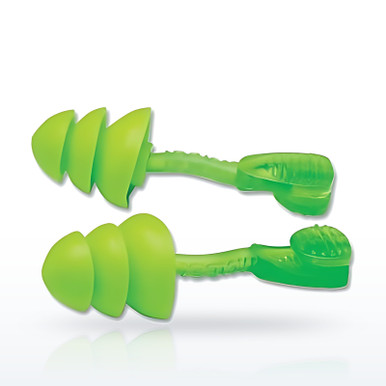
Cap-mounted muffs for hard hats are in the cap-mounted earmuff guide and the hearing protection finder.
Questions people ask
When should you wear ear plugs and earmuffs together?
When the 8-hour average exposure exceeds 100 dBA, per NIOSH. OSHA does not set a level for it but requires whatever is worn to bring exposure to 90 dBA (85 after a threshold shift).
How much protection do ear plugs and earmuffs give together?
About 5 to 10 dB more than the better single device, per NIOSH. Not the sum of the two NRRs.
Can you add the two NRRs together?
No. OSHA’s enforcement practice adds 5 dB to the higher rating; NIOSH’s field data say 5 to 10 dB. Beyond that, sound reaches the inner ear through the skull.
Is double hearing protection enough for 110 dB?
NIOSH says double protection is inadequate when the 8-hour average exceeds 105 dBA. At 110 the answer is less time: Table G-16 allows 30 minutes, NIOSH about a minute and a half.
Does OSHA require double hearing protection?
Not by name. OSHA requires the protection in use to bring exposure to 90 dBA, or 85 for an employee with a standard threshold shift, shown by an Appendix B calculation. At high levels that calculation is what forces the second device. (1910.95(j).)
Which matters more, the plug or the muff?
The plug. It does most of the attenuating; the muff covers what leaks past it. A well-seated plug under an ordinary muff beats a shallow plug under a high-rated one.
Can I wear corded plugs under earmuffs?
You can, but the cord under the cushion opens a leak. Uncorded plugs or a cord routed behind the neck and under the collar avoid it.
Standards and ratings on this page are as published in the documents named and by the manufacturers named. The employer’s hazard assessment and written program decide what applies at a given workplace. Verify a rating on the product and its spec sheet before use.