
What is a hearing conservation program, and when is it required?
A hearing conservation program is the set of things OSHA makes an employer do once noise reaches an 8-hour average of 85 decibels (dBA) for any employee: measure the noise, test everyone’s hearing every year against a baseline, hand out hearing protectors free with a choice of styles, make sure the protectors cut the noise enough, train every year, and keep the records. The trigger is the measurement with no credit for ear plugs; a crew in plugs at 88 dBA is a crew that needs a program. It is required in general industry under 1910.95(c). Construction has a one-line version at 90 dBA. The program runs for as long as the exposure does.
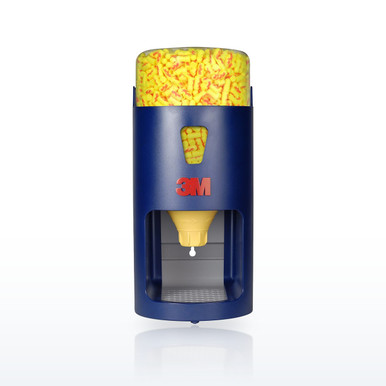 3M 391-0000 Earplug Parts & Accessories, E-A-R One Touch Pro Earplug DispenserWall-mount ear plug dispensers for the program
Why is the trigger 85 and not 90? The 90 dBA limit is where OSHA makes the employer fix the noise. The 85 dBA action level is where the standard starts watching the people. Hearing loss from noise is slow, painless and permanent, and the only way to catch it in time is an annual audiogram compared with a baseline. OSHA added the program in 1981 and 1983 after the data showed workers under the 90 limit were still losing hearing; the program is how an employer finds out before the loss is large.
What are the parts of the program?
Six duties, all on the employer, all free to the employee.
Who has to be in the program?
Every employee whose 8-hour time-weighted average is 85 dBA or more, which the standard also expresses as a 50 percent dose. Exposure is computed as if the employee wore no protector at all, so the program cannot be avoided by issuing ear plugs. It is a per-person test: if one grinder operator is at 85 and the rest of the shop is at 78, the program covers the grinder operator, and the monitoring has to be good enough to tell them apart.
1910.95(c)(1) and (c)(2); (d)(1)(i) representative personal sampling.The standard is written for general industry. Oil and gas well drilling and servicing are excluded from paragraphs (c) through (n). Construction follows 1926.52, which requires a continuing, effective hearing conservation program wherever noise exceeds the 90 dBA table but does not say what the program must contain; many construction employers borrow the 1910.95 parts as the way to meet it.
1910.95(o); 29 CFR 1926.52(d)(1).What happens when an audiogram shows a shift?
A standard threshold shift is an average loss of 10 dB or more at 2,000, 3,000 and 4,000 Hz in either ear compared with the baseline. The employee is told in writing within 21 days. Unless a physician finds the shift is not work-related, the employer fits or refits that person with protectors (a higher-rated type if needed), retrains them, requires them to wear the protectors, and refers them for clinical evaluation if more testing is needed. From then on the protector has to bring that employee to 85 dBA, not 90.
1910.95(g)(10)(i); (g)(8)(i); (g)(8)(ii)(A), (B), (C); (j)(3).What does it take to run one?
- Measure. A sound level meter or dosimeters for a representative shift, by someone who can run them. Keep the results 2 years.
- List the people at or above 85. They are the program. Everyone else is outside it until the numbers change.
- Book the hearing tests. An audiologist, physician or a certified technician under one, in a booth that meets Appendix D, with a calibrated audiometer. Baselines within 6 months; a mobile van allows a year, with protectors worn from month 6 until the test.
- Stock the protectors. More than one style, free, in a place people pass: a wall dispenser of foam plugs by the door, reusable plugs for people who prefer them, muffs for the in-and-out jobs. Check each type’s NRR against the measured level by the Appendix B method.
- Train, every year. The three topics in (k)(3), updated when the equipment or the protectors change. Fit each person the first time and check on them after.
- File it. Audiograms, calibration dates, the employee’s exposure at the time, and the test-room noise levels. Keep them as long as the person works for you.
Plugs, muffs and dispensers for a hearing conservation program
28 items · prices liveNRR is as tested by the manufacturer under ANSI S3.19 and printed on the package. Dispensers hold 400 to 500 pairs; refills are on each dispenser’s product page. Free shipping on orders over $199.

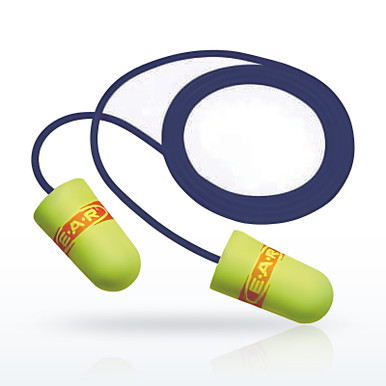
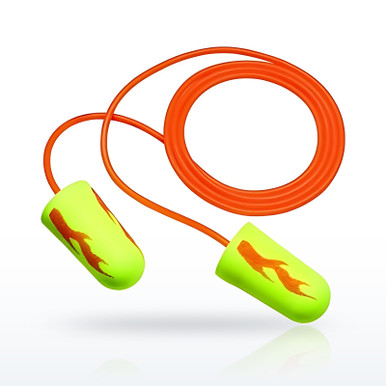
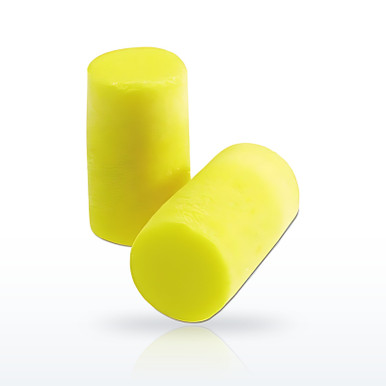
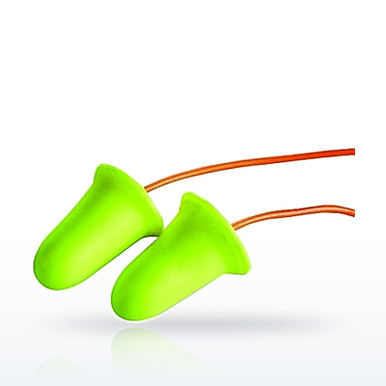
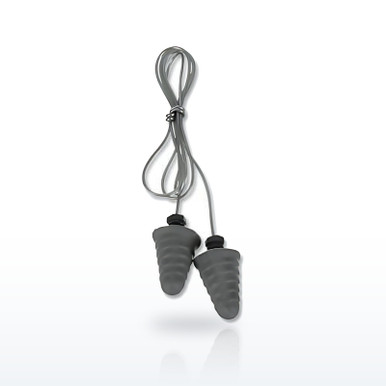
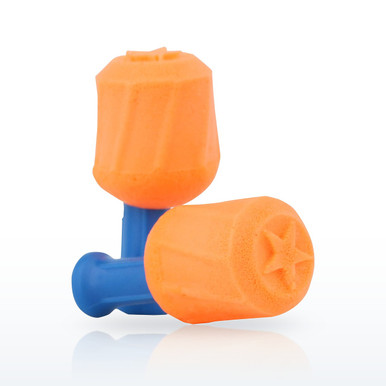
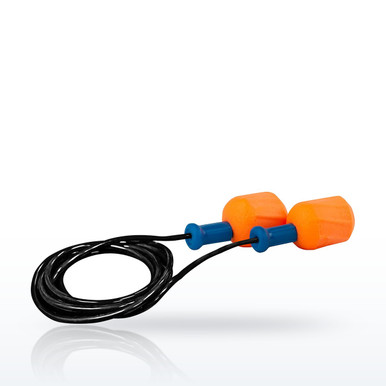


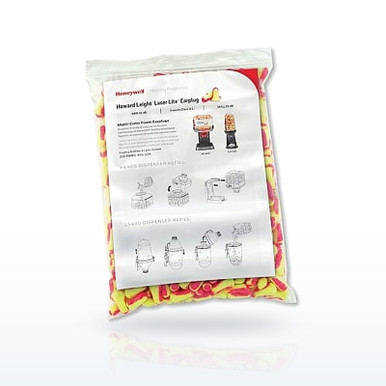
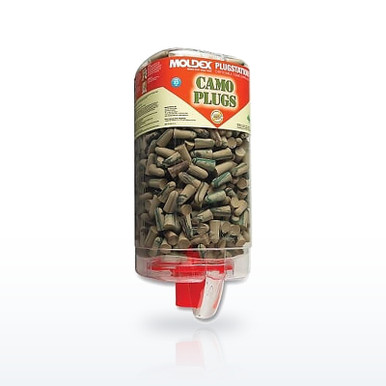
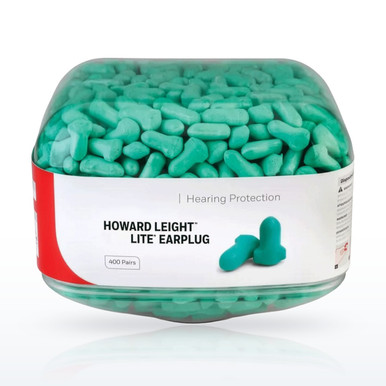
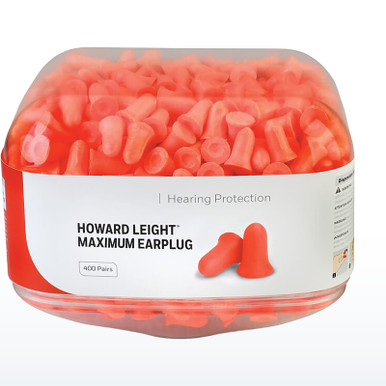
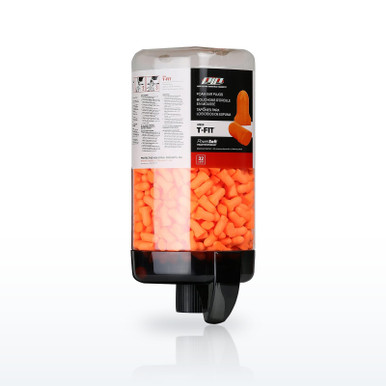
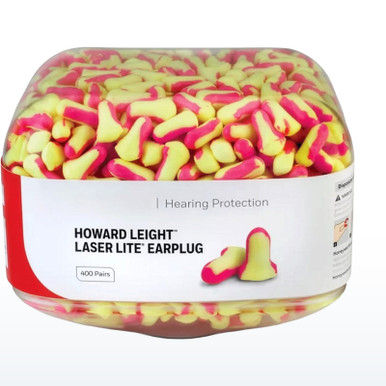
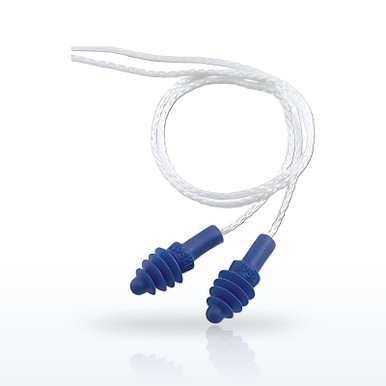
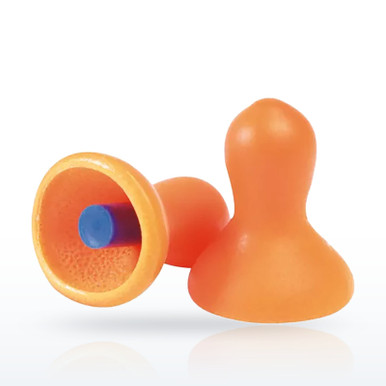
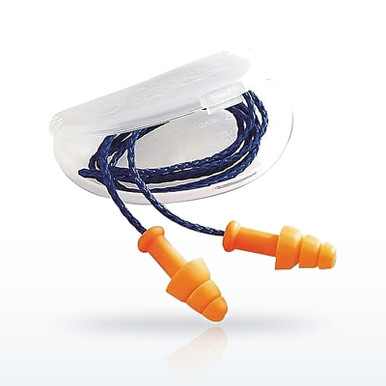
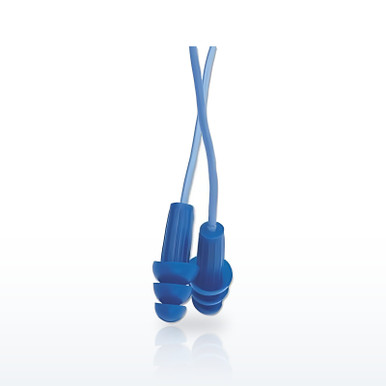
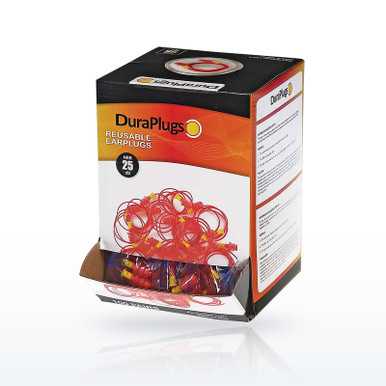
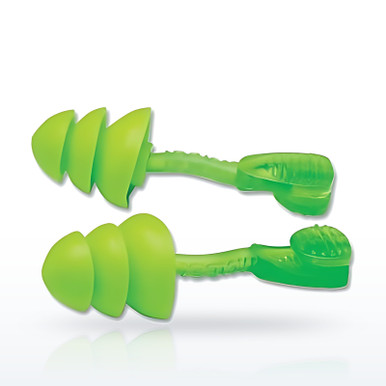
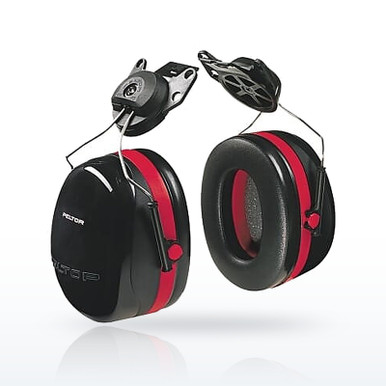
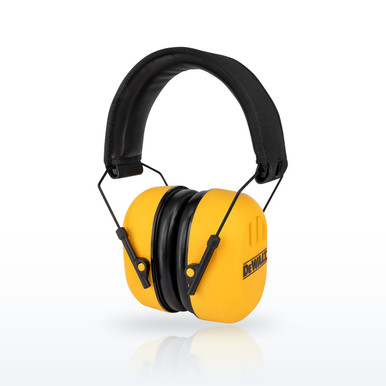
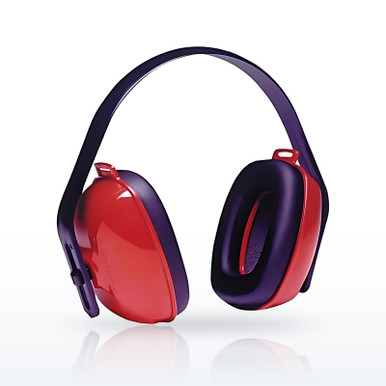
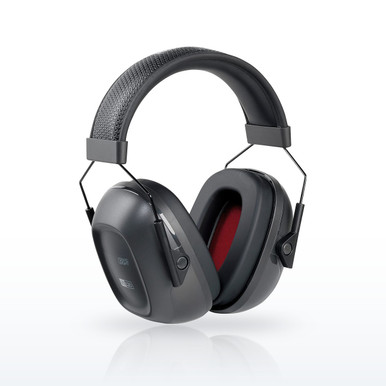
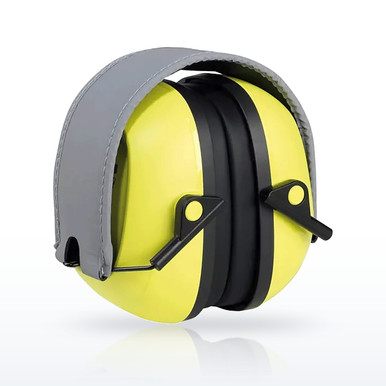
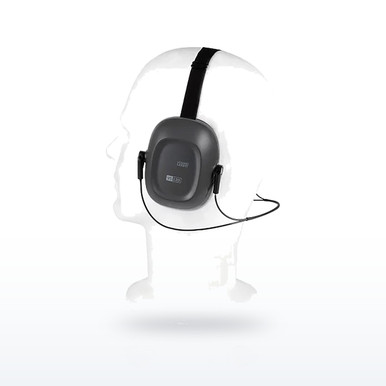
Banded plugs, cap-mounted muffs and hygiene kits are in the hearing protection finder.
Questions people ask
When is a hearing conservation program required?
When any employee’s 8-hour time-weighted average exposure equals or exceeds 85 dBA, measured without credit for hearing protectors. (1910.95(c)(1).)
What are the elements of an OSHA hearing conservation program?
Noise monitoring, audiometric testing, hearing protectors, an attenuation check, annual training, and recordkeeping. (1910.95(d) through (m).)
Does the program apply if everyone already wears ear plugs?
Yes. Exposure is computed without regard to protectors, so the program is triggered by the noise, not by what people wear. (1910.95(c)(1).)
How often is hearing conservation training required?
Annually, for every employee at or above 85 dBA, updated when equipment or protectors change. (1910.95(k)(2).)
Who can give the hearing tests?
A licensed or certified audiologist, otolaryngologist or physician, or a technician certified by CAOHC or shown competent, working under one of them. (1910.95(g)(3).)
Does a construction employer need one?
1926.52(d)(1) requires a continuing, effective hearing conservation program wherever exposures exceed the 90 dBA table, but it does not list the program’s contents.
How many kinds of ear protection do I have to offer?
A variety of suitable protectors; the employee chooses among them. Two or three styles (foam plugs, reusable plugs, muffs) is the usual way to meet it. (1910.95(i)(3).)
Who pays?
The employer, for the protectors, the tests and the training. (1910.95(g)(2) and (i)(1).)
Standards and ratings on this page are as published in the documents named and by the manufacturers named. The employer’s hazard assessment and written program decide what applies at a given workplace. Verify a rating on the product and its spec sheet before use.